How Do You Get Into a Gun Safe in 7 Simple Steps?
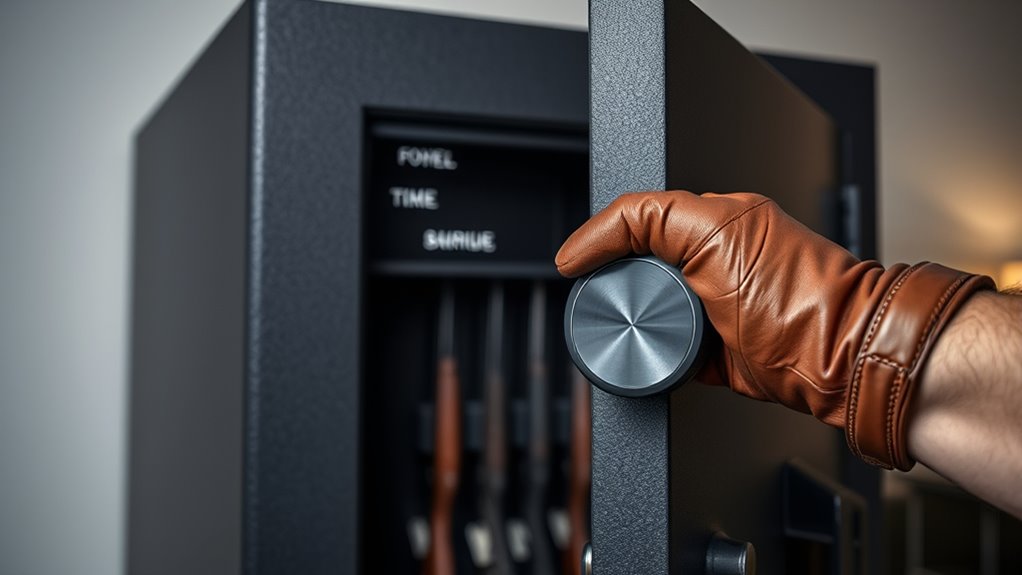
To get into your gun safe, start by identifying the lock type—whether it’s a dial, electronic keypad, or biometric lock. Understanding the specific mechanism is crucial for a successful entry.
This guide will help you navigate each lock type with ease and confidence.
For dial safes, know the combination and follow the turning sequence precisely.
With electronic keypads, ensure the buttons and batteries are working properly before entering the code carefully.
Biometric safes require registered fingerprints or backup keys for access.
Keep tools like lubricants handy and avoid forcing the lock to prevent damage.
If you face persistent issues, consulting a locksmith might be necessary.
Keep going to uncover helpful tips and solutions for tricky locks.
Key Takeaways
- Identify the type of lock on the safe: dial combination, electronic keypad, or biometric scanner.
- For dial safes, follow the correct combination sequence with precise dial turns to unlock.
- Enter the correct code on electronic keypads, ensuring keypad responsiveness and dry fingers.
- Use registered fingerprints or backup keys for biometric safes, keeping sensors clean and dry.
- Avoid forcing the lock; troubleshoot issues or seek a locksmith if access fails after multiple attempts.
Identify Your Gun Safe Lock Type
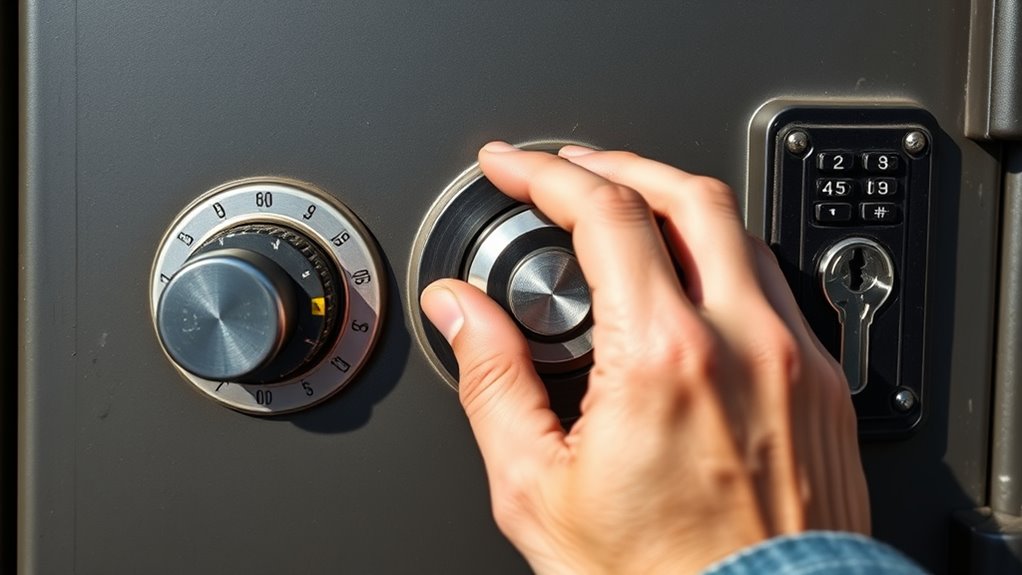
Before you can open your gun safe, you’ll need to identify the type of lock it uses. Most gun safes come with one of three common locks: key locks, electronic keypad locks, or biometric locks. If your safe has a keyhole, it’s a key lock—simple and straightforward.
An electronic keypad will have a numeric pad where you enter a code to unlock it. Biometric locks, on the other hand, use fingerprints or other biological data to grant access.
Knowing the lock type is crucial because each requires a different approach to open. For instance, if it’s a key lock, you’ll need the correct key or a method to pick the lock. If it’s electronic, you’ll either need the combination or a way to reset or bypass the keypad.
Biometric locks require your registered fingerprint or a way to override the sensor. Identifying this upfront saves you time and directs you to the right steps.
How to Open a Dial Combination Gun Safe
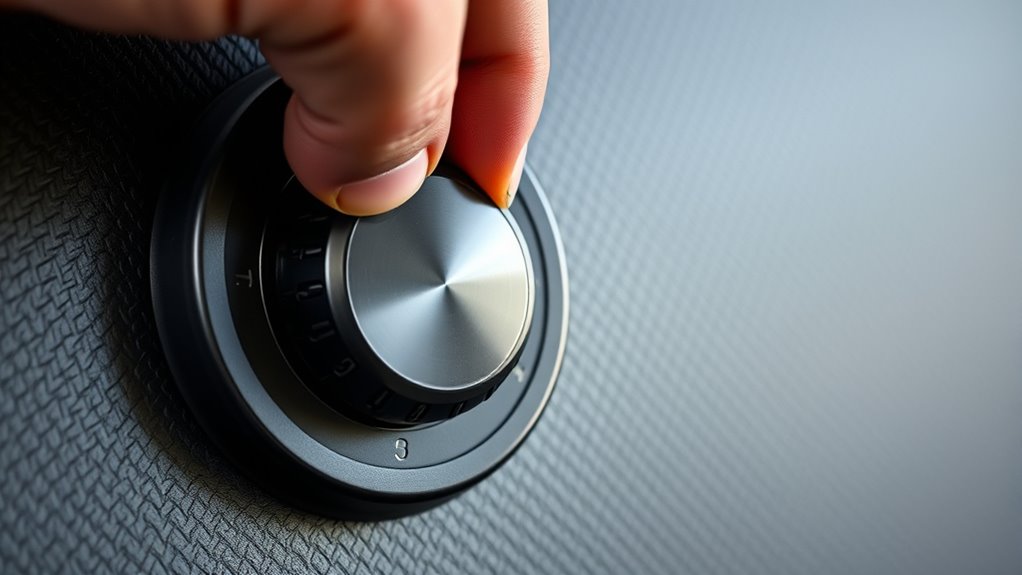
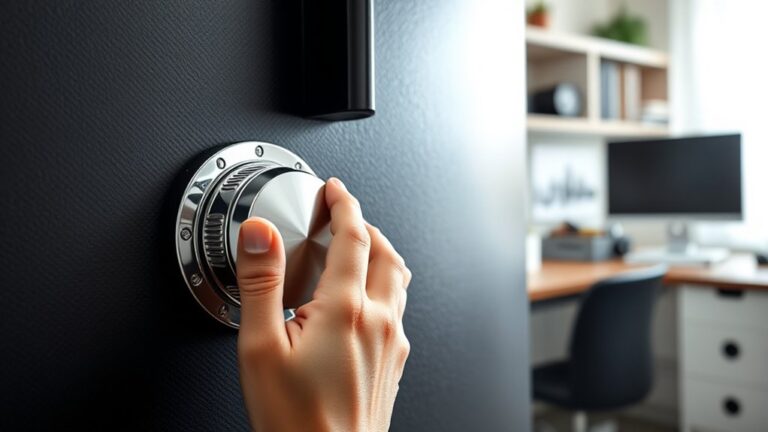
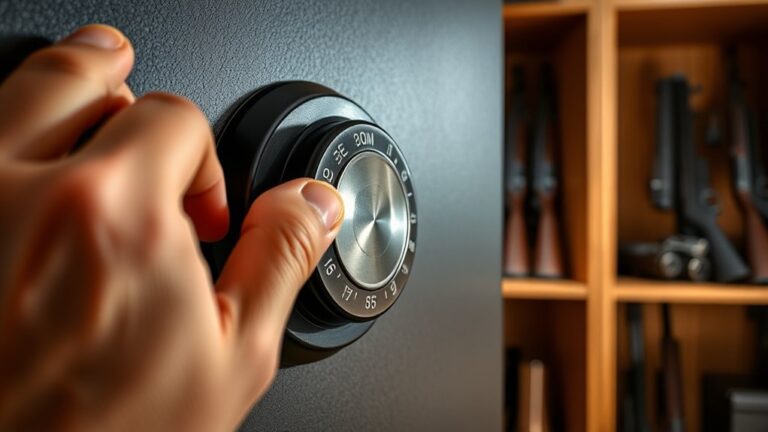
Wondering how to open a dial combination gun safe? First, make sure you know the correct combination sequence. Start by turning the dial to the right (clockwise) three full rotations to clear it.
Ensure you know the correct combination before turning the dial clockwise three full rotations to clear it.
Then, stop at the first number of your combination on the fourth turn. Next, turn the dial to the left (counterclockwise), passing the first number once and stopping at the second number the second time around.
After that, turn the dial to the right again, directly to the third number without passing it. Once you’ve aligned the final number, gently pull the handle or knob. If the combination is correct, the safe should release.
Be patient and precise—turn the dial slowly to avoid overshooting numbers. If it doesn’t open, reset and try again carefully. Remember, this method works for traditional dial safes only and requires the exact combination to access your valuables safely.
How to Open a Gun Safe With an Electronic Keypad
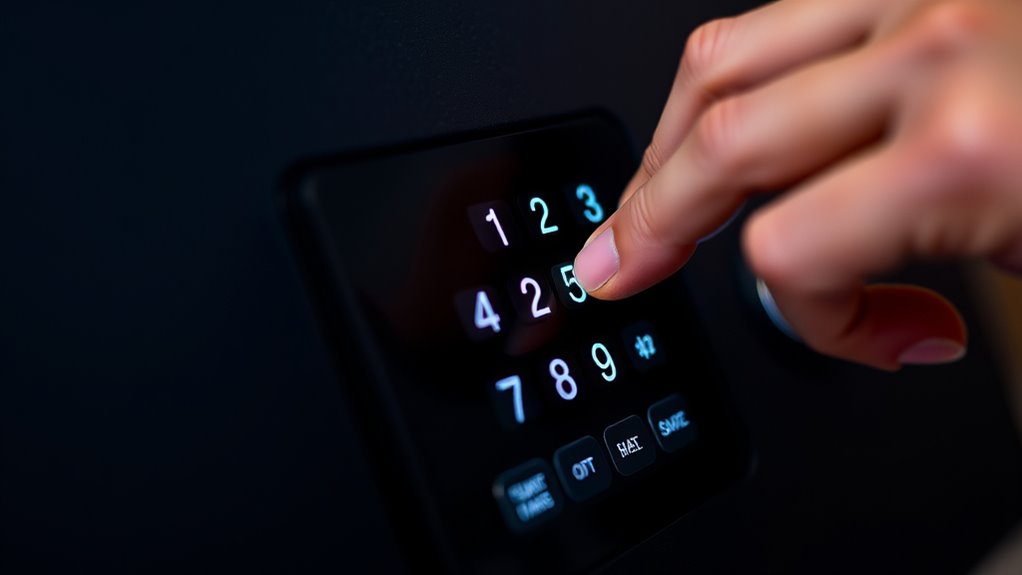
To open a gun safe with an electronic keypad, you’ll first need to verify the keypad is ready and responsive. Then, enter the correct code carefully to unlock the safe.
If it doesn’t open, you’ll want to troubleshoot common issues like low batteries or incorrect code entries.
Preparing Your Keypad
Although electronic keypads offer quick access, you’ll need to assure your keypad is clean and your fingers are dry to avoid input errors. Before entering your code, take a moment to prepare the keypad properly.
- Inspect the keypad for dirt or debris; gently wipe it with a soft cloth if needed.
- Ensure your hands are dry to prevent slipping and incorrect presses.
- Check for any visible damage or stuck buttons that might affect input.
- Position yourself comfortably so you can press each button accurately without rushing.
Entering The Correct Code
Once you’ve prepared the keypad, you’ll need to enter the correct code carefully to open the safe. Make sure your fingers are steady and press each button firmly. The code usually consists of several digits, so take your time.
If you make a mistake, start over rather than rushing. After entering the code, press the “Enter” or “#” button depending on your safe’s model to confirm.
Here’s a quick reference for keypad use:
| Step | Action | Tip |
|---|---|---|
| 1 | Wake keypad | Press any button |
| 2 | Enter code | Use your preset code |
| 3 | Confirm entry | Press “Enter” or “#” |
| 4 | Wait for beep | Indicates code accepted |
| 5 | Open door | Turn handle or pull door |
Troubleshooting Common Issues
Entering the correct code usually gets you inside the safe without issue, but sometimes the keypad might not respond as expected. When that happens, don’t panic—you can troubleshoot common issues quickly. First, check if the batteries are dead or weak; replacing them often solves the problem.
Second, make sure you’re pressing the buttons firmly and correctly; a light touch might not register. Third, confirm the keypad is clean and free from dirt or moisture, which can cause malfunction.
Finally, if none of these work, try resetting the keypad according to the manufacturer’s instructions. If issues persist, contact customer support or a locksmith to avoid damaging your safe or locking yourself out permanently.
How to Open a Biometric Gun Safe
To open a biometric gun safe, you first need to set up your fingerprint recognition properly. Make sure your finger is clean and positioned correctly for accurate scans.
If the safe doesn’t open, troubleshooting common issues like sensor errors or low battery can help get you back inside quickly.
Setting Up Fingerprint Recognition
Although setting up fingerprint recognition might seem complicated at first, you’ll find the process straightforward and quick once you follow the right steps. Start by opening the safe using the backup key or default code. Then, access the programming mode—usually by holding the fingerprint scanner or pressing a specific button.
Next, register your fingerprint by placing your finger on the scanner multiple times until the device confirms a successful scan. Finally, save the fingerprint data and exit programming mode.
Here’s a quick checklist for setting up fingerprint recognition:
- Open safe with backup access.
- Enter programming mode.
- Scan your fingerprint multiple times.
- Save and exit programming mode.
Now, you’re ready to access your safe with just a touch!
Troubleshooting Biometric Access
If your biometric gun safe isn’t responding to your fingerprint, don’t panic—you can usually resolve the issue quickly. First, make sure your finger is clean and dry, as moisture or dirt can interfere with the scanner. Next, try using a different finger you’ve registered.
If that still doesn’t work, check the safe’s battery level; weak batteries often cause recognition problems. Replace them if necessary. Also, clean the fingerprint scanner gently with a soft cloth to remove any smudges.
If the problem persists, reset the biometric system following the manufacturer’s instructions, then re-register your fingerprints. Finally, consult the manual for any specific troubleshooting tips. These steps should help you regain quick access without compromising security.
Essential Tools for Opening Your Gun Safe
When you need to access your gun safe quickly, having the right tools on hand can make all the difference. Being prepared guarantees you’re not left frustrated during urgent moments.
Here are four essential tools to keep nearby:
- Backup Key – Most safes include a physical key override. Keep it accessible in case the electronic lock fails.
- Flashlight – Good lighting helps you see the lock mechanism clearly, especially in dim conditions.
- Lubricant Spray – A small can of graphite or silicone spray can prevent the lock from sticking.
- Manual or Code Sheet – Store your combination or user manual securely but within reach. It’s your reference if you forget the code or need instructions.
Having these tools ready ensures you can open your gun safe smoothly without damage or delay. Preparation is key to maintaining access when it matters most.
Troubleshooting Common Gun Safe Lock Problems
Since gun safe locks can sometimes malfunction unexpectedly, knowing how to troubleshoot common issues will save you time and stress. First, if your electronic keypad isn’t responding, check the batteries—weak or dead ones are often the culprit. Replace them with fresh batteries and try again.
If the keypad still won’t work, inspect for any visible damage or dirt and clean it gently. For mechanical dial locks, ensure the dial is turning smoothly without obstruction. Sometimes, dirt or rust can cause sticking; a light application of lock lubricant can help.
If your safe uses a biometric lock, make sure your fingers are clean and dry, and try rescanning. Also, confirm the lock recognizes your prints by testing multiple fingers. If the lock is stuck or frozen, avoid forcing it.
Instead, try warming the lock gently or check the safe’s manual for specific advice. These quick tips usually resolve most lock problems without difficulty.
When to Call a Professional Locksmith for Your Gun Safe
Although many lock issues can be fixed on your own, you’ll want to call a professional locksmith if the safe remains locked despite troubleshooting or if the lock shows signs of serious damage.
Trying to force the safe open or continuing to guess combinations may worsen the problem or damage the locking mechanism.
Here are four key situations when calling a locksmith is your best bet:
- Lost or Forgotten Combination: If you’ve exhausted all memory aids, a locksmith can reset or override the lock.
- Mechanical Failure: When internal parts break or jam, professionals have the tools to repair or replace them safely.
- Electronic Lock Malfunctions: Battery changes don’t help, and the keypad or wiring may need expert attention.
- Physical Damage: If the safe’s lock is visibly damaged from tampering or wear, a locksmith can prevent further harm.
Getting expert help ensures your gun safe opens without damage, keeping your firearms secure and accessible.
Frequently Asked Questions
How Often Should I Change My Gun Safe’s Lock Combination?
You should change your gun safe’s lock combination every 6 to 12 months, or immediately if you suspect someone else knows it.
Regular updates keep your safe secure and prevent unauthorized access, giving you peace of mind.
What Materials Are Gun Safes Typically Made From?
Gun safes are typically made from thick steel for durability and security. You’ll also find concrete or composite materials inside the walls for fire resistance. These materials work together to keep your firearms safe and protected.
Can I Store Non-Gun Valuables in a Gun Safe?
Yes, you can store non-gun valuables in a gun safe. It’s designed to protect anything important, like documents, jewelry, or cash, keeping your valuables secure from theft, fire, or damage.
A gun safe offers a high level of security, making it suitable for various valuable items. Using it for multiple purposes can maximize the value of your investment. Just ensure that the items are organized to avoid damage inside the safe.
How Do I Maintain the Electronic Keypad Battery Life?
Don’t wait until your keypad dies to change the battery; you’ll save frustration by replacing it every six months. Keep the contacts clean, avoid extreme temperatures, and use high-quality batteries to keep your safe responsive and reliable.
Are Biometric Gun Safes Secure Against Hacking?
Biometric gun safes offer good security, but no system is completely hack-proof. You should still use strong backup codes and keep firmware updated to reduce risks.
Hackers might exploit vulnerabilities, so stay cautious and vigilant.
Conclusion
Now that you know the steps to access your gun safe, you’re better prepared for any lockout situation. Whether you’re dealing with a dial, electronic keypad, or biometric lock, following these tips can save you time and stress.
But what if the tools and tricks don’t work? Sometimes, calling a professional locksmith is the smartest move to protect your valuables and peace of mind.
Wouldn’t you agree that safety and patience go hand in hand? Remember, proper gun safe access and maintenance are essential for security and convenience. Taking the right steps ensures your firearms remain safe and accessible when you need them.