What Ammo Does a 1911 Use and How to Choose It
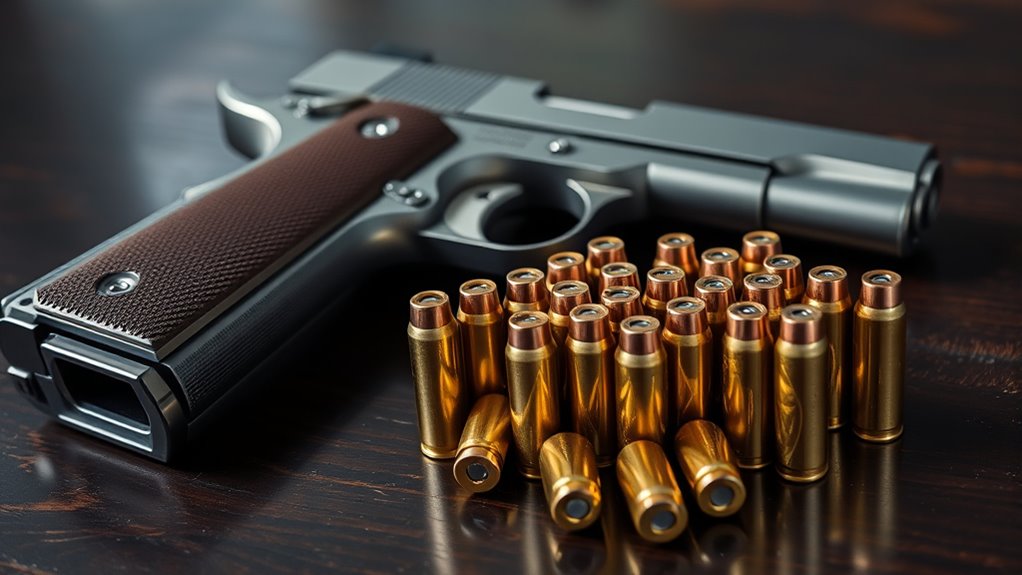
A 1911 pistol commonly uses .45 ACP ammo, known for its reliable stopping power and manageable recoil. This ammunition type is favored by many for self-defense and target shooting due to its effectiveness.
However, the 1911 also comes chambered in other calibers like 9mm, .38 Super, and 10mm to suit different shooting preferences and needs.
When choosing ammo for your 1911, consider your shooting purpose, barrel length, and the balance you want between power and control.
Selecting quality, compatible rounds not only enhances accuracy but also contributes to your firearm’s longevity.
Understanding how specific ammo choices impact shooting performance and pistol durability is essential for making the best decision.
Key Takeaways
- Most 1911 pistols use .45 ACP ammo, prized for balanced stopping power and manageable recoil.
- Alternative calibers like 9mm, .38 Super, and 10mm suit different needs like lower recoil or higher power.
- Choose ammo based on purpose: FMJ for target, hollow points for self-defense, and match-grade for competition.
- Use reputable brands and ensure ammo matches the 1911’s caliber to ensure reliability and firearm safety.
- Consider barrel length and bullet weight, as these affect recoil, accuracy, and overall firearm performance.
What Ammo Does a 1911 Use?
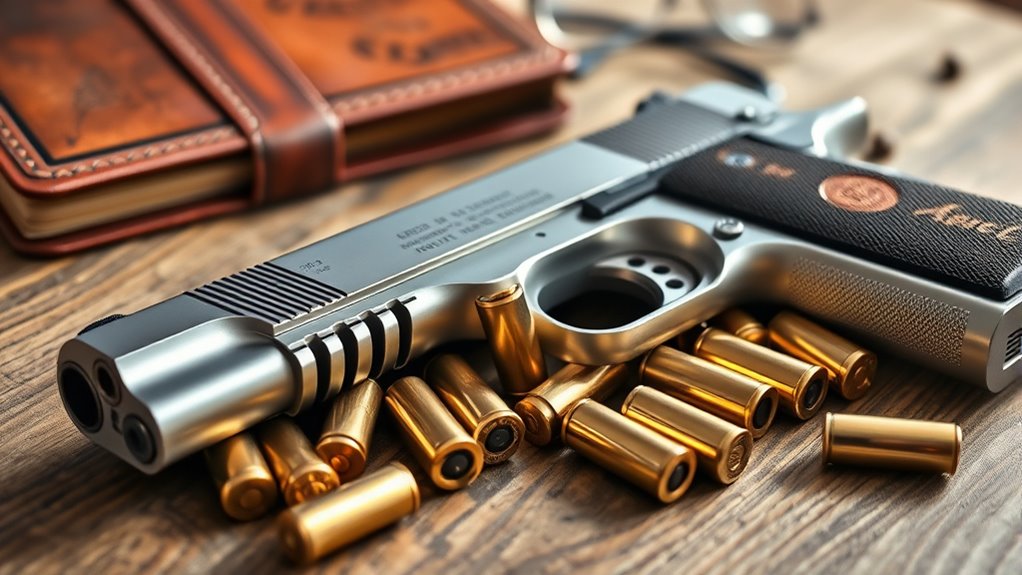
Although 1911 pistols come in various calibers, they most commonly use .45 ACP ammo. When you pick up a 1911, it’s almost a given that it’s chambered for this round, known for its balance of power and manageable recoil. However, you might also find 1911s chambered in 9mm, .38 Super, and even 10mm.
Each caliber offers distinct benefits depending on what you want—whether it’s reduced recoil, higher capacity, or increased velocity. When selecting ammo, make sure it’s specifically designed for your 1911’s caliber and intended use. Using incorrect or non-standard rounds can cause feeding issues or damage.
Additionally, pay attention to bullet type—full metal jacket (FMJ) rounds work well for practice, while hollow points offer better stopping power for self-defense. Always consult your firearm’s manual and consider your shooting needs to pick the right ammo for your 1911.
Why .45 ACP Is the Standard 1911 Caliber
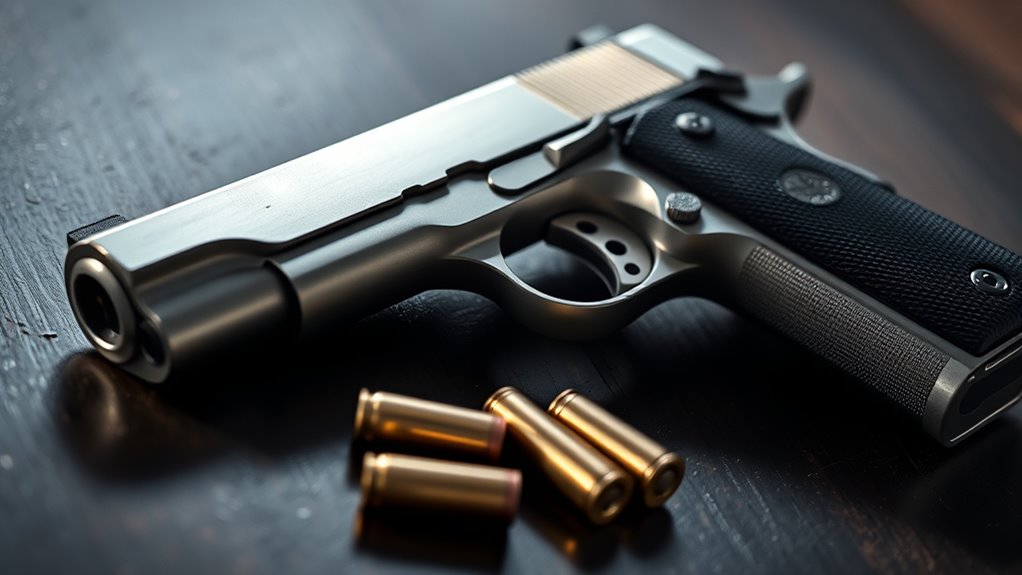
Because the .45 ACP offers a powerful balance of stopping power and manageable recoil, it quickly became the go-to caliber for the 1911 pistol. When John Browning designed the 1911, he aimed for a round that could reliably stop a threat without being overly punishing to shoot. The .45 ACP fits that bill perfectly, delivering enough force to incapacitate while allowing for controlled follow-up shots.
You’ll find it’s especially favored in self-defense and law enforcement circles for this reason. Additionally, the .45 ACP’s widespread military adoption cemented its status as the standard 1911 caliber. Its larger bullet diameter and moderate velocity create effective energy transfer on target.
If you want a classic 1911 experience with proven effectiveness, sticking with .45 ACP ammo makes sense. It’s reliable, readily available, and perfectly matched to the firearm’s design, making it the natural choice for anyone using a 1911.
Other Popular 1911 Ammo Calibers to Consider
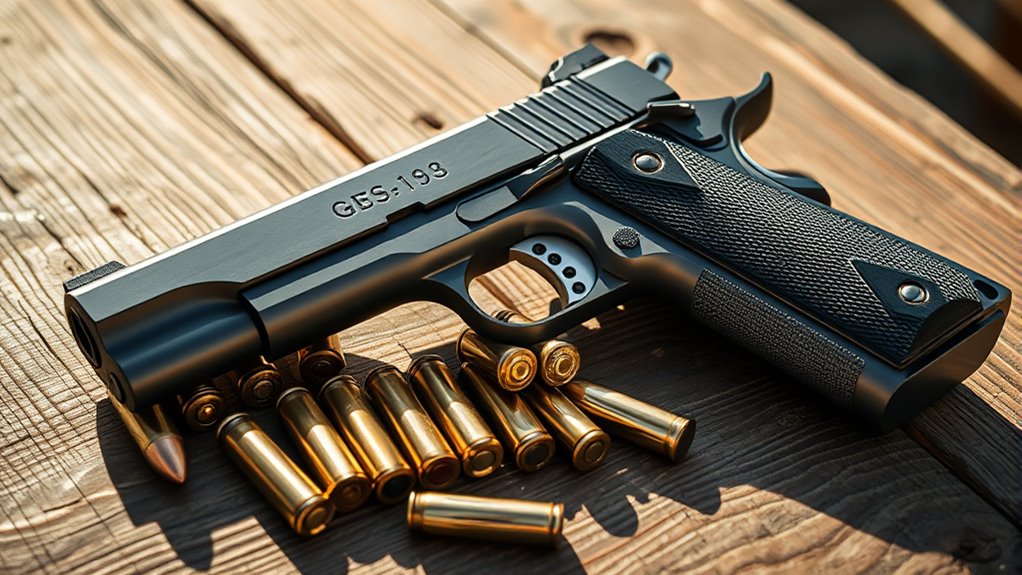
While the .45 ACP remains the classic choice, you might find other calibers better suit your needs or preferences. The 9mm is a popular alternative, known for its lower recoil, higher capacity magazines, and generally more affordable ammo. If you want a lighter recoil and faster follow-up shots, 9mm could be your go-to.
Another option is the .38 Super, which offers higher velocity and better penetration, often favored for competition shooting. You might also consider the 10mm Auto if you want more power and versatility, especially for hunting or defense against larger threats. Though less common, the .22 LR is sometimes used in 1911s for training and plinking due to its minimal recoil and low cost.
Ultimately, exploring these calibers can help you find the perfect balance of performance, comfort, and cost for your 1911, depending on how you plan to use it.
How Ammo Affects Your Shooting Experience
The ammo you choose can make a big difference in your accuracy and precision when shooting your 1911. It also impacts recoil, which affects how well you can control each shot. Understanding these factors will help you get the most out of your shooting experience.
Accuracy and Precision
How does the ammo you choose impact your accuracy and precision with a 1911? The type of bullet, its weight, and powder load all play critical roles. Heavier bullets often offer better stability downrange, helping you hit your target more consistently.
On the other hand, lighter bullets might produce less barrel jump, allowing quicker follow-up shots. Consistency in your ammo’s velocity also matters; uneven speeds can throw off your shot placement. Match-grade ammo, specifically designed for precision, usually delivers tighter groupings, making it ideal if you want pinpoint accuracy.
Keep in mind, your 1911’s barrel and rifling twist rate are optimized for certain bullet weights, so choosing ammo that complements your specific firearm will maximize your shooting performance.
Recoil and Control
Your choice of ammo doesn’t just influence how accurately you hit your target; it also affects how manageable your 1911 feels when you shoot. Different loads produce varying recoil levels, which can impact your control and follow-up shots. Lighter loads with less powder generate softer recoil, making it easier to keep your sights on target and shoot faster.
Heavier, hotter loads increase recoil, which might challenge your grip and slow your shooting rhythm, but can deliver more stopping power. If you’re new or sensitive to recoil, consider starting with FMJ or lighter +P rounds to build confidence and control. Ultimately, trying different ammo types helps you find the perfect balance between recoil and performance that suits your shooting style and goals.
How Your Ammo Choice Impacts Your 1911’s Lifespan
Since 1911 pistols are finely crafted firearms, choosing the right ammo plays an essential role in maintaining their performance and durability. Using ammo that’s too powerful or not designed for your 1911 can cause increased wear on the barrel, slide, and recoil spring, potentially shortening your gun’s lifespan.
Selecting the correct ammo is crucial to preserving your 1911’s performance and extending its lifespan.
Conversely, ammo that’s too weak might cause cycling issues, leading to malfunctions and unnecessary strain on internal parts.
You’ll want to pick ammunition that matches your 1911’s specifications and intended use, whether it’s target practice, self-defense, or competition. Consistently using high-quality, appropriate rounds helps reduce fouling and stress on components, which means fewer repairs and longer intervals between maintenance.
Over time, this preserves the tight tolerances and smooth operation that 1911 owners value. So, by thoughtfully selecting your ammo, you’re not just improving performance—you’re also protecting your investment for years to come.
How to Identify Quality 1911 Ammunition
Choosing the right ammo helps protect your 1911, but knowing what sets quality ammunition apart can be tricky. You want rounds that not only fit perfectly but also perform safely and reliably every time.
Look for ammunition with consistent bullet weight and powder charge—this guarantees steady recoil and accuracy. Check the casing; it should be free of dents or corrosion, which could lead to misfires. Pay attention to the primer, as a clean and centered primer indicates proper manufacturing.
Also, trusted manufacturers typically offer detailed lot numbers and testing info, so you can feel confident in their quality.
Here’s what to watch for when picking your 1911 ammo:
- Smooth, flawless casings without scratches or dents
- Even and centered primers that look well-pressed
- Consistent bullet shape and weight for reliable shooting
- Clear manufacturer markings and batch numbers for traceability
These details help you avoid surprises at the range and keep your 1911 in top shape.
Tips for Buying Dependable 1911 Ammo
When buying ammo for your 1911, you’ll want to take into account the bullet type to match your needs. Choosing a reliable brand guarantees consistent performance and safety.
Don’t forget to factor in how the ammo performs in your specific gun for the best results.
Bullet Type Selection
How do you pick the right bullet type for your 1911? It all boils down to what you want from your ammo—whether it’s for self-defense, target shooting, or competition. Selecting the right bullet type guarantees reliability, accuracy, and safety.
Here are key factors to consider:
- Full Metal Jacket (FMJ): Great for practice and range time—affordable and feeds smoothly.
- Jacketed Hollow Point (JHP): Ideal for self-defense as it expands on impact, stopping threats effectively.
- Lead Round Nose (LRN): Often used for target shooting but can cause more fouling in your barrel.
- Bonded Bullets: Offer deeper penetration and retain weight, perfect if you want dependable performance in critical moments.
Think carefully about your needs to get the most from your 1911’s ammo.
Brand Reliability
Though many brands offer 1911 ammo, not all deliver consistent performance or safety. When choosing ammo, stick to reputable manufacturers known for quality control and reliability. Brands like Federal, Winchester, and Remington have built strong reputations over decades, ensuring you get rounds that function smoothly without damaging your firearm.
Avoid cheap or off-brand ammo that may have inconsistent powder charges or poor casing quality, which can cause malfunctions or even damage. Also, check for proper headstamp markings and reliable packaging to confirm authenticity. If you’re unsure, seek reviews or ask experienced shooters for recommendations.
Ammo Performance Factors
Since your 1911 relies on precise ammunition to perform reliably, understanding key ammo performance factors is essential before making a purchase. You want ammo that not only fits but feeds smoothly, fires consistently, and delivers the stopping power you expect.
Here are some critical factors to regard:
- Consistency: Look for ammo with tight manufacturing tolerances to avoid misfires and jams.
- Bullet Weight: Choose a weight that balances recoil and accuracy for your shooting style.
- Powder Charge: Proper powder ensures reliable cycling and consistent velocity.
- Primer Quality: A dependable primer reduces the risk of failures and ensures ignition every time.
Matching 1911 Ammo to Your Shooting Purpose
When choosing ammo for your 1911, you’ll want to think about what you plan to use the gun for—whether it’s target shooting, self-defense, or competition. For target shooting, you’ll likely prioritize accuracy and affordability. Full metal jacket (FMJ) rounds are a great choice here since they’re cost-effective and reliable for practice.
If self-defense is your focus, consider hollow point rounds. They’re designed to expand upon impact, maximizing stopping power while reducing the risk of over-penetration. For competition, you might want to use match-grade ammo, which offers superior consistency and precision, helping you hit your mark every time.
Also, keep in mind your 1911’s caliber, commonly .45 ACP, and ensure the ammo matches it. Ultimately, select ammo that aligns with your specific shooting needs to get the best performance and safety from your 1911. Testing different rounds at the range can help you determine what works best for you.
Choosing 1911 Ammo Based on Barrel Length
Because barrel length affects bullet velocity and pressure, it’s important to choose 1911 ammo that complements your gun’s specific barrel size. A longer barrel generally allows the powder to burn more completely, increasing velocity, while a shorter barrel may reduce velocity and change felt recoil.
Selecting ammo that matches your barrel length guarantees reliable cycling, consistent accuracy, and a satisfying shooting experience.
Consider these points when choosing ammo based on barrel length:
- Short barrels (3-4 inches) benefit from lighter loads that reduce muzzle blast and recoil.
- Standard barrels (5 inches) handle a wider range of loads, balancing power and control.
- Longer barrels (6+ inches) can maximize velocity with heavier loads for precision shooting.
- Using ammo mismatched to barrel length can cause feeding issues, decreased accuracy, or excessive wear.
When to Try Specialty Ammo for Your 1911
If you’re looking to enhance performance or address specific shooting needs, trying specialty ammo in your 1911 can be a smart move. Specialty rounds, like +P or hollow points, offer benefits that standard ammo might not deliver. For instance, if you’re focused on self-defense, hollow points provide controlled expansion and better stopping power.
On the other hand, +P ammo can offer higher velocity and energy, useful in competitive shooting or situations where extra punch is needed. You might also try specialty ammo if you’re experiencing feeding or reliability issues with standard rounds. Some 1911s respond better to specific bullet shapes or loads.
Additionally, if you’re hunting or need less recoil for better accuracy, specialty loads designed for those purposes can help. Always test new ammo at the range first to ensure your 1911 cycles smoothly and meets your expectations before relying on it in critical situations.
Frequently Asked Questions
How Should I Clean My 1911 After Shooting Different Ammo Types?
You should clean your 1911 thoroughly after each use, especially switching ammo types. Use a bore brush, solvent, and lubricant to remove residue and prevent corrosion.
Pay attention to the barrel, slide, and frame for best results.
What Are the Best Holsters for Carrying a 1911?
The best holsters for carrying a 1911 are Kydex or leather options with a secure retention system. Choose one that fits your carry style, whether inside waistband, outside, or shoulder carry, for comfort and quick access.
Consider the level of concealment you need and the ease of drawing your firearm. A well-fitted holster not only protects your 1911 but also enhances your carrying experience.
Always prioritize quality materials and craftsmanship to ensure durability and safety.
Can I Use Reloaded Ammo in My 1911 Safely?
You can use reloaded ammo in your 1911, but only if it’s made carefully and inspected thoroughly. Poorly done reloads increase misfire or damage risks, so always buy from trusted reloaders or do your own with caution.
How Do Weather Conditions Affect 1911 Ammo Performance?
You’ll notice cold weather can slow powder burn, reducing velocity and reliability, while heat may increase pressure, affecting accuracy. Moisture can cause corrosion, so store ammo properly to keep your 1911 performing well in any condition.
What Are Common 1911 Maintenance Mistakes to Avoid?
Over 60% of 1911 owners skip regular cleaning, but you shouldn’t. Avoid neglecting lubrication, using improper tools, or ignoring worn parts. These mistakes can cause malfunctions,
so keep your 1911 clean, oiled, and inspected regularly.
Conclusion
Choosing the right ammo for your 1911 is like finding the perfect dance partner — it makes all the difference in performance and enjoyment. Whether you stick with the classic .45 ACP or explore other calibers, your choice impacts accuracy, recoil, and your pistol’s lifespan. Keep your purpose and barrel length in mind, and don’t be afraid to try specialty rounds once you’ve mastered the basics.
With the right ammo, your 1911 will always be ready to shine. Remember, selecting the best ammunition for a 1911 depends on understanding your shooting needs and the specific characteristics of each round. By choosing the appropriate 1911 ammo, you ensure optimal performance, reliability, and longevity from your firearm.