Do Biometric Gun Safes Work: Using Them Securely
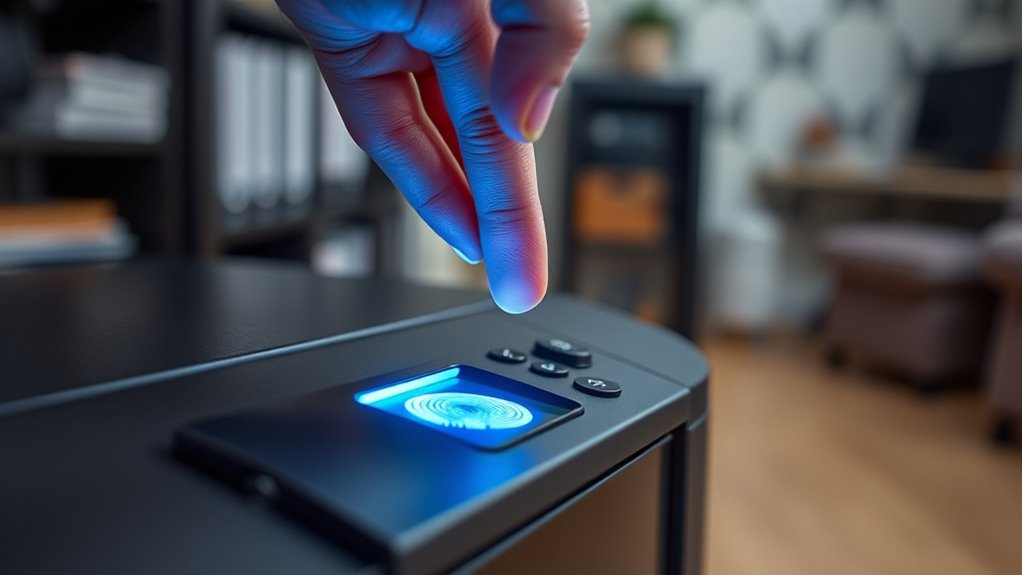
Biometric gun safes work well when you use and maintain them properly, providing secure and fast access to your firearms. These safes offer keyless entry by recognizing your unique fingerprint, ensuring that only authorized users can open them.
Using biometric technology enhances safety by preventing unauthorized access and reducing the risk of accidents.
To keep your biometric safe reliable, enroll multiple fingerprints, keep sensors clean, and replace batteries regularly. Although the sensors might struggle with wet or dirty fingers, backup codes or keys offer emergency access.
If you want to know how to set them up securely and overcome common challenges, there’s more useful info ahead.
Key Takeaways
- Biometric gun safes provide quick, reliable firearm access using fingerprint recognition, enhancing security by limiting entry to authorized users. Sensor accuracy depends on clean, dry fingers and proper maintenance, while enrolling multiple fingerprints prevents lockouts from injuries or dirt. Battery power is essential; regularly replace batteries to avoid lockouts, and use backup keys or codes for emergency access.
- Cheaper models may be vulnerable to spoofing, so choose high-quality safes with tamper-resistant features and secure backup methods. Regular testing, cleaning, and updating of fingerprints ensure consistent performance and balance security with convenient emergency access.
How Biometric Gun Safes Protect Your Firearms
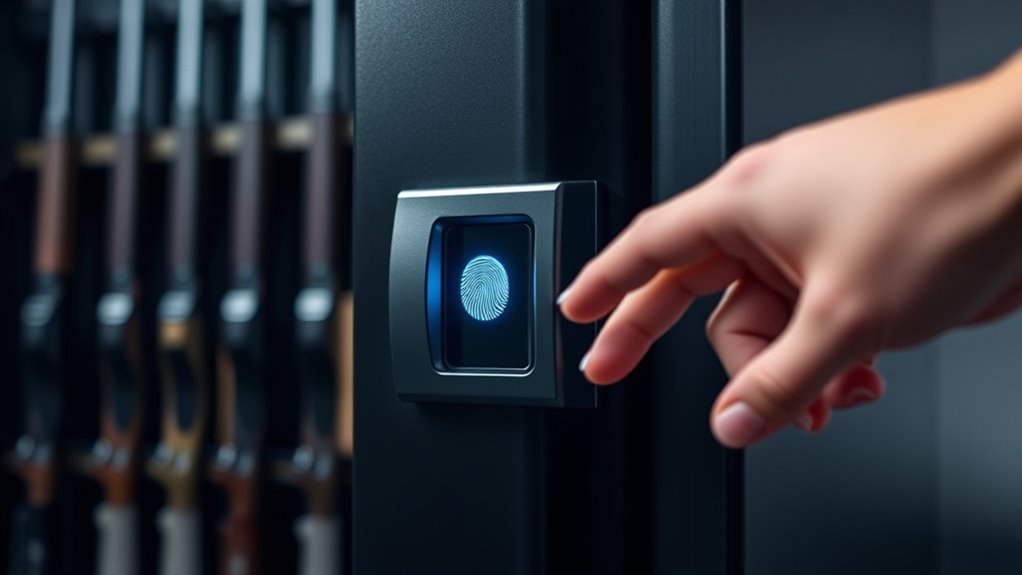
Although traditional gun safes provide basic security, biometric gun safes offer a more advanced level of protection by using fingerprint recognition technology. When you rely on a biometric safe, you’re ensuring only authorized users can access your firearms, considerably reducing the risk of unauthorized entry. The fingerprint scanner quickly verifies your unique print, preventing anyone without your registered fingerprint from opening the safe.
This means your firearms stay secure from children, burglars, or anyone else who shouldn’t have access. Additionally, biometric safes often come with durable construction and tamper-resistant features, so you don’t have to worry about forced entry attempts. Many models also store multiple fingerprints, allowing trusted family members or partners to gain access without compromising security.
Are Biometric Gun Safes Reliable for Quick Access?
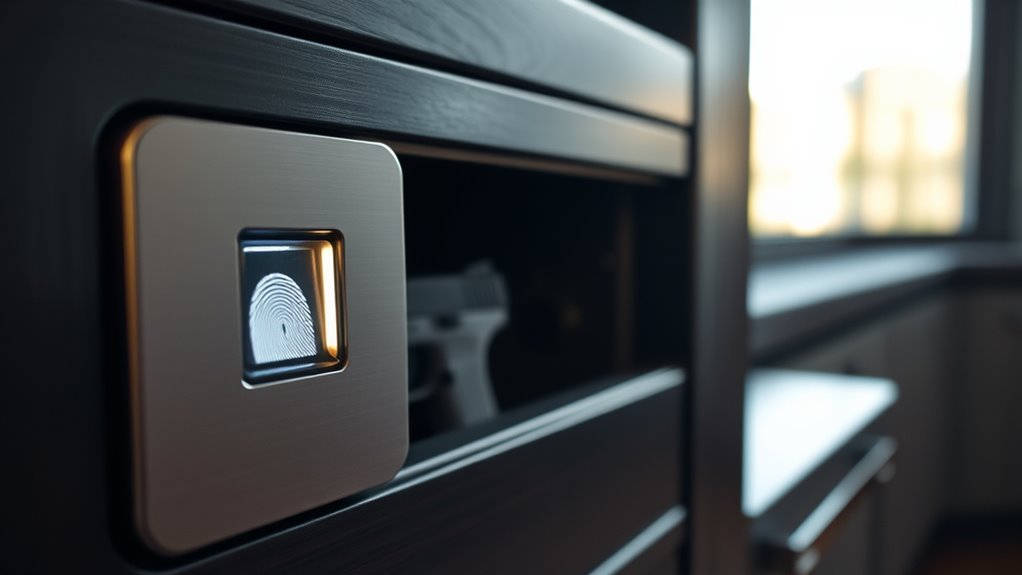
Biometric gun safes provide strong protection by limiting access to authorized users, but you might wonder if they can deliver the quick access you need in urgent situations. The good news is that modern biometric safes are designed for speed. They often open in just a second or two once your fingerprint is recognized, which can be vital during emergencies.
However, reliability depends on factors like fingerprint sensor quality and proper maintenance. You’ll want to keep your fingers clean and dry, as dirt or moisture can delay recognition. Also, enrolling multiple fingerprints guarantees you won’t get locked out if one finger is injured or dirty.
Some models offer backup access methods, like a keypad or physical key, for added security and convenience. Overall, if you maintain your biometric safe well and choose a reputable brand, you can rely on quick, dependable access when it matters most.
Comparing Biometric Safes With Traditional Gun Safes
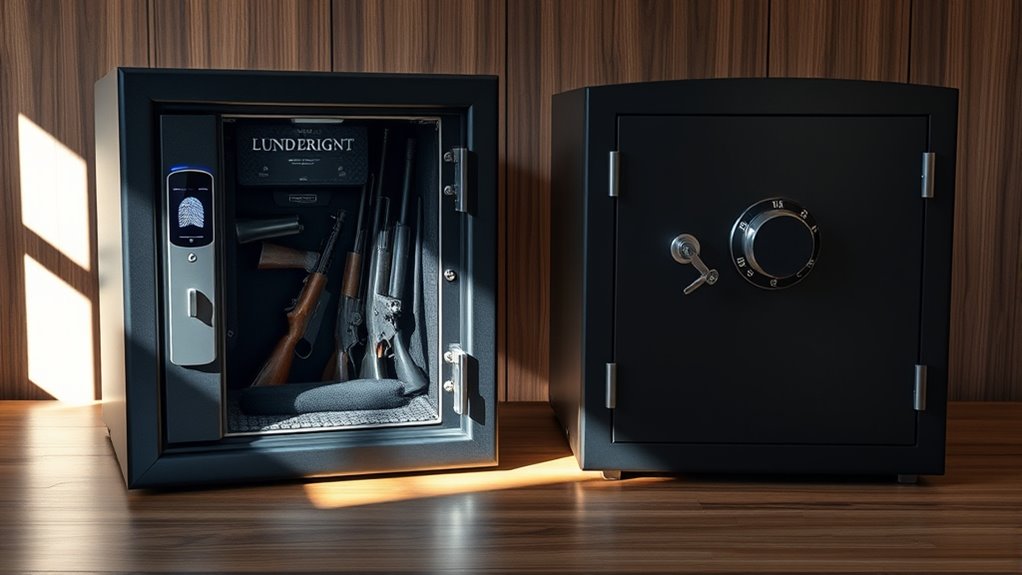
When choosing a gun safe, you’ll want to weigh the benefits of biometric models against traditional ones. Biometric safes offer quick access by using fingerprint recognition, which means you won’t have to fumble with keys or remember combinations. This convenience is ideal if you need to retrieve your firearm swiftly.
Traditional safes, on the other hand, rely on mechanical or electronic locks with keys or combinations, which some find more straightforward and reliable without worrying about sensor malfunctions.
You should also consider durability and maintenance. Traditional safes tend to have fewer electronic parts, often making them more rugged and less prone to technical glitches. Biometric safes require power sources like batteries and occasional upkeep to ensure the sensor works properly.
Ultimately, your decision depends on whether you prioritize speed and tech convenience or prefer tried-and-true mechanical reliability. Both types can secure your firearms effectively if used correctly.
Common Security and Technical Challenges of Biometric Safes
Even if you appreciate the convenience of fingerprint access, you should be aware of some common security and technical challenges that come with biometric safes. For instance, fingerprint scanners can struggle with dirty, wet, or worn fingerprints, causing access delays when you need quick entry. Environmental factors like humidity and temperature changes may also affect sensor accuracy.
Additionally, biometric safes rely heavily on battery power, so if the batteries die and you haven’t prepared a backup method, you could be locked out. From a security standpoint, some cheaper models might be vulnerable to spoofing, where someone uses a fake fingerprint to trick the sensor. Moreover, mechanical failures or software glitches can occur, potentially locking you out or compromising the safe’s reliability.
Since biometric safes depend on electronic components, they’re also more sensitive to physical damage or tampering compared to traditional mechanical locks. Being mindful of these challenges helps you understand the limits of biometric technology.
Best Practices for Setting Up and Using Biometric Gun Safes
To get the most out of your biometric gun safe, start by securely enrolling your fingerprints to guarantee quick and reliable access. Don’t forget to check and replace the batteries regularly to avoid lockouts.
Finally, choose a discreet yet accessible spot to keep your safe both secure and convenient.
Secure Fingerprint Enrollment
How can you guarantee your biometric gun safe only grants access to authorized users? Start by enrolling fingerprints carefully. Use clean, dry fingers to verify accurate scans and avoid false rejections.
Enroll multiple fingerprints—ideally from different fingers—to provide backup access if one finger is injured. Avoid registering fingerprints of people who don’t need access, reducing security risks. When enrolling, place your finger on the scanner from various angles to help the sensor capture a thorough print.
This reduces errors during unlocking. Regularly review the enrolled fingerprints and remove any that are no longer necessary. By following these steps, you’ll strengthen your safe’s security and confirm only trusted users can open it, keeping your firearms protected.
Regular Battery Maintenance
Although biometric gun safes offer advanced security, their reliability depends heavily on consistent battery maintenance. If you don’t keep the batteries fresh, the safe might fail when you need quick access. Check the battery level regularly and replace batteries promptly to avoid lockouts.
Many safes provide low-battery alerts; don’t ignore them. Using high-quality alkaline batteries can extend lifespan and performance. Always have spare batteries handy to ensure uninterrupted operation.
| Task | Recommendation |
|---|---|
| Battery Check Frequency | Monthly |
| Battery Type | High-quality alkaline or lithium |
| Replacement Indicator | Low-battery alert or every 6 months |
Safe Placement Strategies
When setting up your biometric gun safe, where you place it can make all the difference in both security and accessibility. You want it hidden enough to prevent unauthorized access but still easy for you to reach quickly in an emergency. Avoid obvious spots like nightstands or entryway tables where intruders might look first.
Instead, consider concealed locations like inside a closet, under a bed with a cover, or behind a false panel. Make sure the area is dry and stable to protect the safe and its electronics. Also, place it at a height that’s convenient for your biometric scanner to read your fingerprint without hassle.
Balancing stealth with quick access ensures your firearm stays secure yet ready when you need it most.
Advanced Safety Tips for Biometric Gun Safe Users
To keep your biometric gun safe working smoothly, you’ll want to regularly clean the fingerprint scanner and ensure it’s free of dirt or oils. It’s also essential to have a clear emergency access plan in case the biometric system fails or you can’t use your fingerprint.
Let’s look at how these steps can boost both safety and reliability.
Fingerprint Scanner Maintenance
How often do you think about the condition of your biometric gun safe’s fingerprint scanner? Keeping it clean and functional is essential for reliable access. Regularly wipe the scanner with a soft, lint-free cloth to remove oils, dirt, and debris.
Avoid using harsh chemicals or abrasive materials that could damage the sensor. If fingerprints aren’t registering properly, gently clean the sensor with a cotton swab dipped in isopropyl alcohol, then let it dry completely before use. Also, check the scanner for scratches or damage that might interfere with recognition.
Maintaining proper humidity levels and avoiding exposure to extreme temperatures can help preserve sensor accuracy. By staying on top of these simple upkeep tasks, you guarantee your biometric safe remains both secure and accessible when you need it most.
Emergency Access Procedures
Keeping your fingerprint scanner clean and functional is only part of ensuring quick access to your biometric gun safe. You also need a clear emergency access plan in case the scanner fails or your fingerprints aren’t recognized. Always set up backup entry methods like a keypad code or physical key override.
Regularly test these alternatives to confirm they work when you need them most. It’s smart to inform trusted family members about these procedures without compromising security.
| Emergency Scenario | Recommended Action |
|---|---|
| Scanner Malfunctions | Use backup keypad or key |
| Wet/Damaged Fingerprints | Try alternate fingers |
| Power Failure | Use manual override key |
| Forgotten Code | Reset safely with instructions |
Frequently Asked Questions
Can Biometric Gun Safes Be Hacked Remotely?
Yes, biometric gun safes can be hacked remotely, though it’s rare. You should keep their firmware updated and use additional security measures to reduce risks.
Don’t rely solely on biometrics for complete protection.
Do Biometric Safes Require Batteries or External Power?
Imagine reaching for your safe in the dark—yes, biometric safes typically need batteries to operate. Without power, they won’t open.
How Do Environmental Factors Affect Biometric Scanner Accuracy?
Environmental factors like dirt, moisture, and extreme temperatures can reduce your biometric scanner’s accuracy.
You’ll want to keep the scanner clean and dry, and avoid exposing it to harsh conditions to guarantee reliable access.
Are Biometric Gun Safes Compatible With Smart Home Systems?
Yes, some biometric gun safes are compatible with smart home systems, letting you control access remotely. You’ll want to check the specific model’s features and guarantee secure connections to prevent unauthorized access.
What Is the Average Lifespan of a Biometric Gun Safe Sensor?
The average lifespan of a biometric gun safe sensor is usually around 5 to 10 years, depending on usage and maintenance.
You’ll want to keep it clean and updated to guarantee it stays reliable over time.
Conclusion
You want quick access to your firearm, but you also need airtight security. Biometric gun safes offer the best of both worlds, combining cutting-edge technology with peace of mind. Yet, relying solely on biometrics without proper setup can leave you vulnerable.
By balancing convenience with vigilance—using advanced safety tips and regular maintenance—you guarantee your gun safe truly protects what matters most. In this contrast, your safety and readiness find perfect harmony. Proper use of biometric gun safes ensures both security and quick accessibility, making them an essential tool for responsible firearm owners.