How to Tell If Ammo Is Bad
You can tell if ammo is bad by checking for physical damage like dents, cracks, or loose primers. Inspect the rounds closely for rust, corrosion, or powder leakage, as these signs indicate moisture damage and reduce reliability.
Old ammo may also degrade over time, leading to misfires or bullet separation.
If you notice foul smells or discoloration, it’s best to avoid using those rounds. Proper storage is essential to keep ammo in good condition and extend its lifespan.
For guaranteed safety and longevity, there’s more important info to explore about how to tell if ammo is bad.
Key Takeaways
- Inspect ammo for dents, corrosion, rust spots, or powder leakage indicating physical damage or moisture exposure.
- Check if primers are intact, properly seated, and free from swelling or discoloration.
- Look for discoloration, white powdery residue, or greenish oxidation as signs of corrosion.
- Note any odd odors or visible cracks that suggest compromised ammunition integrity.
- Test suspicious rounds cautiously in a safe environment and discard misfiring or damaged ammo properly.
Inspect Ammo for Physical Damage
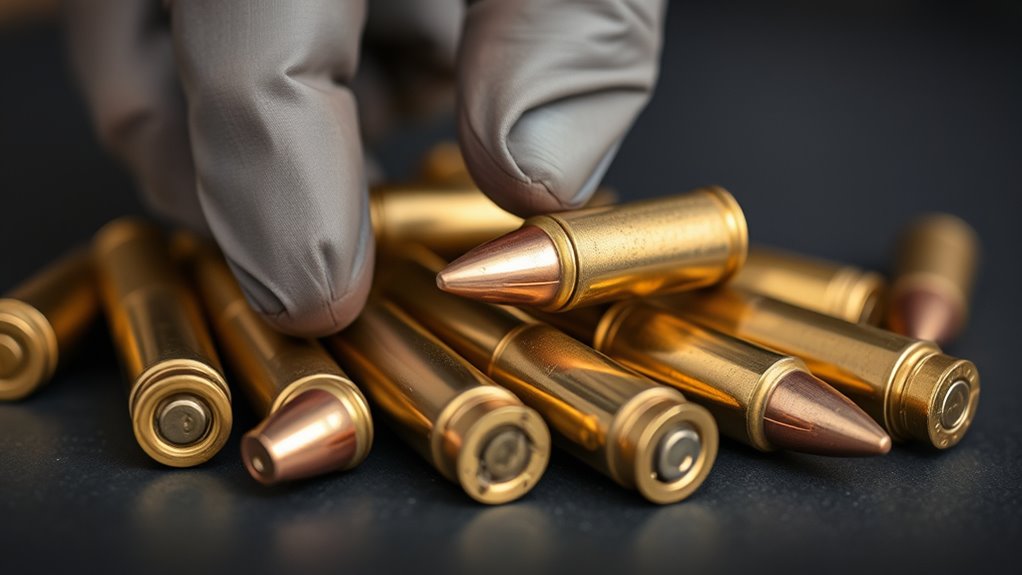
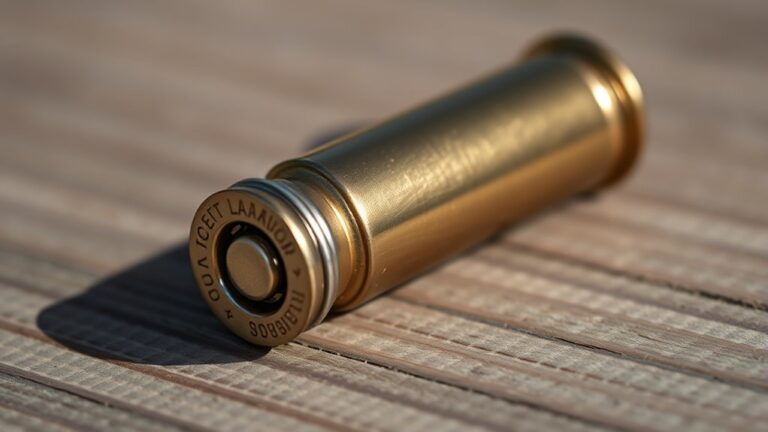
Before using your ammo, you should carefully inspect it for any physical damage. Look closely at each cartridge to spot dents, cracks, or deformities on the casing. Even small imperfections can affect how the round fires or cause malfunctions.
Check the primer at the base of the cartridge; it should be intact and firmly seated. A primer that’s pushed in, cracked, or loose is a red flag. Also, examine the bullet itself for any dents, scratches, or unusual marks.
Make sure it’s seated properly in the casing without any signs of separation. Avoid using ammo with damaged casings or primers, as it could lead to misfires or dangerous situations. Handling ammo gently during this inspection is important to prevent further damage.
Recognize Signs of Rust and Moisture Damage
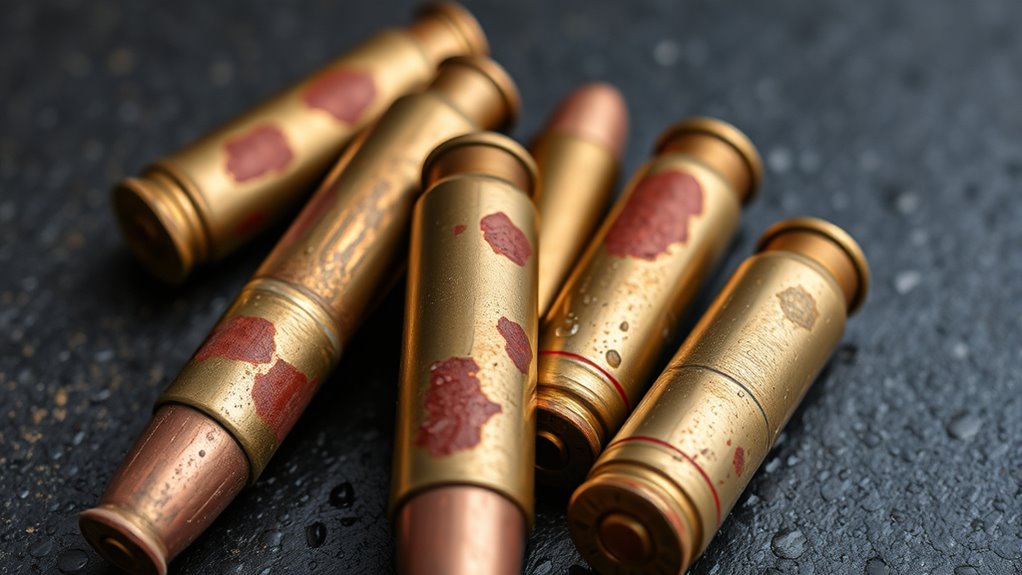
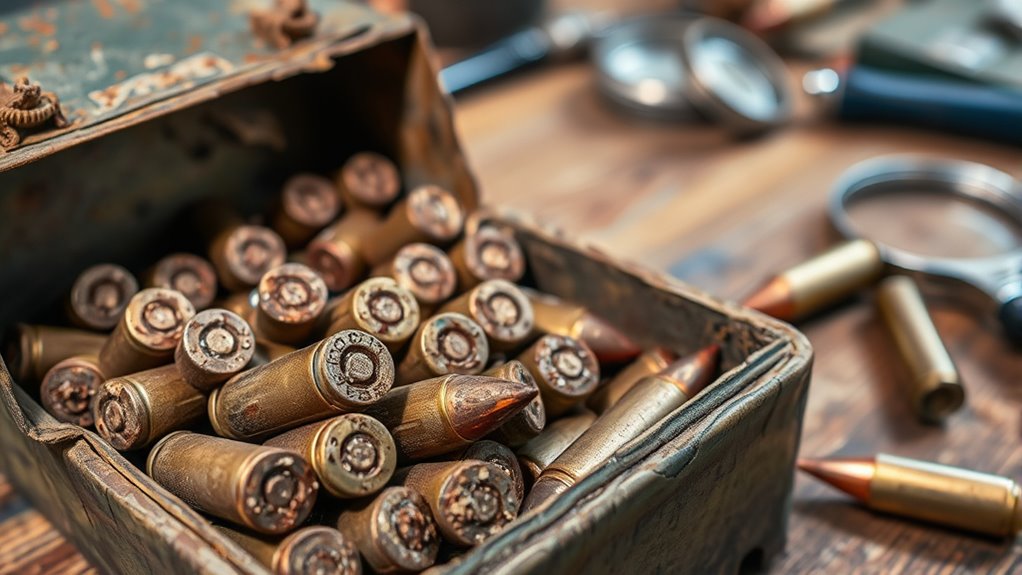
You’ll want to check your ammo closely for any rust spots, which can indicate exposure to moisture. Look for signs like discoloration, pitting, or corrosion on the casing that might affect performance.
Evaluating how severe the damage is will help you decide if the ammo is still safe to use.
Identifying Rust Spots
Although ammo is designed to withstand various conditions, rust spots can still develop when moisture gets trapped on the casing. When inspecting your ammo, look closely for tiny reddish-brown patches on the metal surfaces, especially around the primer and base. These rust spots may start small but can spread, compromising the integrity of the cartridge.
Don’t confuse surface discoloration with actual rust—true rust is rough to the touch and flaky. If you notice any rust, it’s a sign that the ammo has been exposed to moisture long enough to cause oxidation. Rust weakens the casing and can lead to misfires or dangerous malfunctions.
Always handle ammo carefully and store it in a dry environment to minimize rust risk and guarantee reliability when you need it most.
Detecting Moisture Effects
Rust spots are just one sign that moisture has affected your ammo, but there are other indicators you should watch for to guarantee your cartridges remain safe and reliable. When checking your ammo, look closely for:
- Discoloration on the casing — a dull or darkened surface can signal moisture exposure.
- Sticky or swollen primers — moisture can cause primers to swell or feel tacky.
- Powder clumping — if you open a cartridge, powder that’s clumped or hardened suggests dampness.
- Bullet looseness — moisture might cause the bullet to shift or wobble in the casing.
Spotting these signs early helps you avoid using compromised ammo, ensuring your safety and firearm performance. Always store ammo in a dry, controlled environment to prevent moisture damage.
Assessing Corrosion Severity
When evaluating corrosion severity on your ammo, it’s important to distinguish between minor surface discoloration and deeper, more damaging rust. Light discoloration or slight tarnishing often won’t affect performance, but if you see pitting or flaky rust, that’s a red flag. Check the cartridge casing, especially around the primer and bullet junction, for any signs of corrosion eating into the metal.
Moisture damage often appears as a white, powdery residue or greenish spots, indicating oxidation. If corrosion compromises the casing’s integrity, the ammo may misfire or cause firearm damage. Don’t ignore any swelling, dents, or unusual textures, as they also signal serious deterioration.
When in doubt, it’s safer to dispose of heavily corroded rounds rather than risk malfunction.
Understand How Age Affects Ammo Reliability
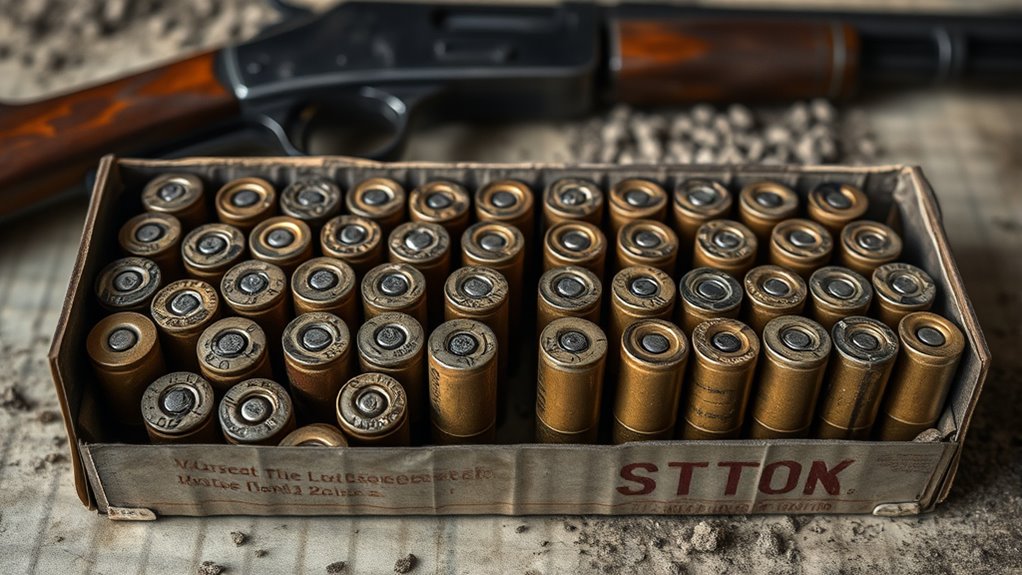
You should know that ammo naturally degrades over time, which can affect its performance. How you store your ammo plays a big role in how long it stays reliable.
Understanding typical shelf life expectations helps you decide when it’s time to replace your rounds.
Ammo Degradation Over Time
Although ammo can last for many years if stored properly, its reliability gradually declines over time due to chemical and environmental factors. As the years pass, the components inside your ammo slowly break down, affecting performance and safety.
Here’s what happens as ammo degrades:
- Powder deterioration – The gunpowder can absorb moisture or chemically change, resulting in inconsistent burn rates.
- Primer corrosion – The primer’s sensitivity decreases, causing misfires or failure to ignite.
- Metal oxidation – Cases may rust or corrode, weakening structural integrity and affecting chambering.
- Bullet separation – Over time, the bullet can loosen from the casing, leading to feeding issues.
Being aware of these changes helps you judge when it’s time to retire old ammo for safety and reliability.
Impact of Storage Conditions
Because storage conditions play an essential role in how ammo ages, understanding their impact can help you maintain its reliability over time. If you keep ammo in a cool, dry place, away from moisture and extreme temperature changes, it’ll last much longer and perform better. High humidity can cause corrosion on the casing and primer, while heat can degrade the powder inside.
Storing ammo in airtight containers with desiccants can prevent moisture buildup. Avoid leaving ammo exposed to sunlight or fluctuating temperatures, as these factors speed up chemical breakdown. By controlling the environment where you store your ammo, you reduce the risk of misfires or inconsistent performance, ensuring your ammo remains safe and dependable when you need it most.
Shelf Life Expectations
While ammo can remain usable for many years, its reliability tends to decrease as it ages, especially if storage conditions aren’t ideal. You should understand that even well-stored ammunition has a limited shelf life, which varies by type and quality. Here’s what to keep in mind:
- Pistol and rifle ammo: Typically maintain reliability for 5-10 years when stored properly.
- Shotgun shells: Often degrade faster due to their components, usually lasting around 5 years.
- Reloaded ammo: Can be less predictable, so age matters more here.
- Extreme age (15+ years): Even well-kept ammo can fail due to powder deterioration or primer degradation.
To stay safe, regularly inspect your ammo and consider rotating your stock to ensure you’re always using fresh rounds.
Safe Ammo Testing at Home
When you’re unsure about the condition of your ammo, testing it safely at home is essential to avoid accidents. Start by inspecting each round visually—look for corrosion, dents, or discoloration on the casing and primer. If everything looks normal, you can perform a simple function test by loading one round into a firearm you trust and firing it at a secure range or backstop.
Always wear eye and ear protection during this process. Never test ammo inside your home or near people and animals. If the gun misfires or behaves unusually, stop immediately and remove the round carefully.
Keep in mind, this method only tests basic functionality; it won’t detect all issues, so proceed cautiously. If you’re uncomfortable with live firing tests, consider consulting a professional or using specialized equipment for deeper analysis. Safety should always be your top priority when handling and testing ammunition at home.
When to Toss Bad Ammo
How do you know it’s time to toss bad ammo? If you spot any signs that compromise safety or reliability, it’s best to let it go. Using bad ammo risks misfires, jams, or even damage to your firearm.
Here are clear indicators it’s time to discard your ammo:
- Corroded or rusty casings – Rust weakens the metal and can cause misfires.
- Dented or deformed cartridges – Physical damage affects feeding and firing.
- Loose or missing primers – Primers are essential for ignition; if loose, the round won’t fire.
- Powder leakage or a foul smell – Leaked powder or unusual odors signal contamination or deterioration.
If any of these issues are present, don’t risk your safety or your gun’s function—dispose of the ammo properly. It’s not worth the danger or wasted effort during critical moments.
Proper Storage Tips to Keep Ammo Fresh
Recognizing bad ammo is important, but preventing damage before it happens can save you time and hassle. To keep your ammo fresh, store it in a cool, dry place away from direct sunlight. Moisture is your biggest enemy—it causes corrosion and can ruin primers and powder.
Use airtight containers or ammo cans with rubber seals to keep humidity out. Adding silica gel packs inside your storage containers helps absorb any moisture that sneaks in. Keep your ammo off concrete floors, as they tend to retain moisture; instead, place them on shelves or pallets.
Store ammo in airtight containers with silica gel and keep off concrete to prevent moisture damage.
Temperature fluctuations can also degrade ammo, so aim for a stable environment, ideally between 55-70°F. Avoid storing ammo in places prone to extreme heat, like attics or vehicles. Ultimately, organize your ammo by date and type, so you use older rounds first.
Following these tips ensures your ammo stays reliable and safe to use when you need it.
How to Dispose of Bad or Unusable Ammo
Although it might seem easier to toss bad or unusable ammo in the trash, doing so can be dangerous and illegal. You need to handle disposal carefully to avoid accidents or legal trouble.
Here’s what you should do instead:
- Contact local law enforcement: Many police stations accept old or bad ammo for safe disposal.
- Visit a shooting range: Some ranges offer disposal services or can guide you to proper facilities.
- Find a hazardous waste collection site: These centers often take ammunition as part of household hazardous waste.
- Consult a licensed firearms dealer: They might accept unusable ammo or direct you to a certified disposal service.
Never try to dismantle or burn ammo yourself. Following these steps ensures you dispose of bad ammunition safely and legally, protecting yourself and others from harm.
Common Causes of Ammo Deterioration
When ammo is exposed to moisture, extreme temperatures, or poor storage conditions, it can quickly degrade and become unsafe to use. Moisture causes corrosion on the casing and primer, which may lead to misfires or dangerous malfunctions. Extreme heat can damage the powder inside, reducing its effectiveness and altering pressure levels when fired.
Conversely, freezing temperatures might cause condensation inside the casing, leading to similar corrosion issues. Poor storage, like leaving ammo in direct sunlight, damp basements, or unsealed containers, accelerates these problems. Additionally, physical damage to the casing or primer from rough handling can compromise the ammo’s reliability.
Over time, even sealed ammo can deteriorate if the packaging breaks down or allows air and humidity inside.
Preventing Ammo Damage With Good Habits
To keep your ammo safe and reliable, you’ll want to adopt a few simple storage and handling habits. Proper care prevents moisture, corrosion, and physical damage that can degrade your rounds over time.
Adopting simple storage habits protects your ammo from moisture, corrosion, and damage, ensuring lasting reliability.
Here are four essential tips to help you maintain your ammo’s integrity:
- Store in a cool, dry place: Avoid humidity and temperature extremes by using airtight containers or ammo cans with desiccants.
- Keep ammo organized: Separate different calibers and brands to avoid confusion and minimize handling.
- Handle with clean hands: Oils, dirt, and moisture from your skin can damage casings and primers.
- Inspect regularly: Periodically check your ammo for signs of corrosion, dents, or discoloration and rotate stock to use older rounds first.
Frequently Asked Questions
Can Bad Ammo Damage My Firearm?
Yes, bad ammo can damage your firearm by causing misfires, jams, or even dangerous barrel obstructions. Always inspect your ammo for corrosion, dents, or discoloration to keep your gun safe and functioning properly.
Is It Safe to Mix Old and New Ammo?
You can mix old and new ammo, but it’s not ideal. Older rounds might have inconsistent performance, so you could experience misfires or jams.
Always inspect ammo quality before use to keep your shooting safe and reliable.
How Does Humidity Affect Different Ammo Calibers?
You might not realize it, but humidity doesn’t treat all calibers equally. Smaller calibers with thinner casings can corrode faster, while larger rounds often withstand moisture better.
Can Reloading Old Ammo Restore Its Reliability?
You can’t truly restore old ammo’s reliability by reloading since corrosion or primer issues might persist.
But if you replace worn primers and powder carefully, you can sometimes improve performance—though safety checks are a must every time.
What Are the Signs of Bad Primers in Ammo?
You’ll notice bad primers if they’re dented unevenly, corroded, or have no visible strike marks after firing. Misfires, delayed ignition, or inconsistent powder ignition also hint at primer issues you shouldn’t ignore.
Conclusion
Now that you know how to spot when your ammo has seen better days, you can keep your gear singing smoothly. Treat your rounds like treasured keepsakes—store them in a dry, cool sanctuary and handle them with care.
When they start showing signs of a weathered journey, it’s time to let them retire gracefully. This way, you’ll always have a dependable companion by your side, ready for whatever adventure comes next. Proper ammo storage and regular inspection are key to maintaining reliability and safety.