Is Incendiary Ammo Legal in Your State?
Incendiary ammo legality depends on where you live, so you’ll need to check your state’s laws before buying or using it. Understanding incendiary ammunition laws is crucial because regulations vary widely across the United States.
Some states have strict bans, while others allow usage under specific conditions. Some states like California and New York ban it completely, while others such as Texas and Nevada allow it under certain conditions.
Federal rules also restrict ownership, often requiring licenses. You must follow strict storage, handling, and usage guidelines to stay legal and safe.
Keep going to see how these rules might affect you. Knowing the regulations can help prevent legal issues and ensure responsible use. Always stay informed about updates in your state’s laws.
Key Takeaways
- Incendiary ammo legality varies significantly by state, with some states banning it entirely and others permitting regulated use.
- States like California, New York, Hawaii, and New Jersey have total bans on incendiary ammunition possession and use.
- States such as Nevada, Texas, Alaska, and Arizona allow incendiary ammo under specific conditions or licenses.
- Local laws may differ from state laws, so verify regulations before purchasing, transporting, or using incendiary ammo.
- Compliance with federal regulations and proper licensing is mandatory regardless of state allowances for incendiary ammunition.
What Is Incendiary Ammo and How Does It Work?
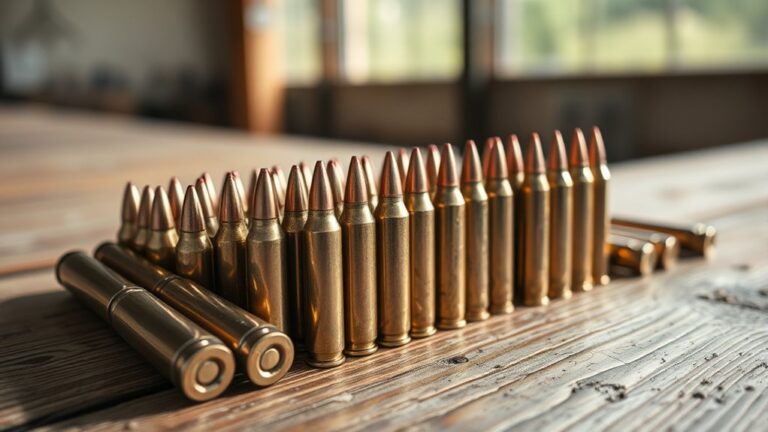
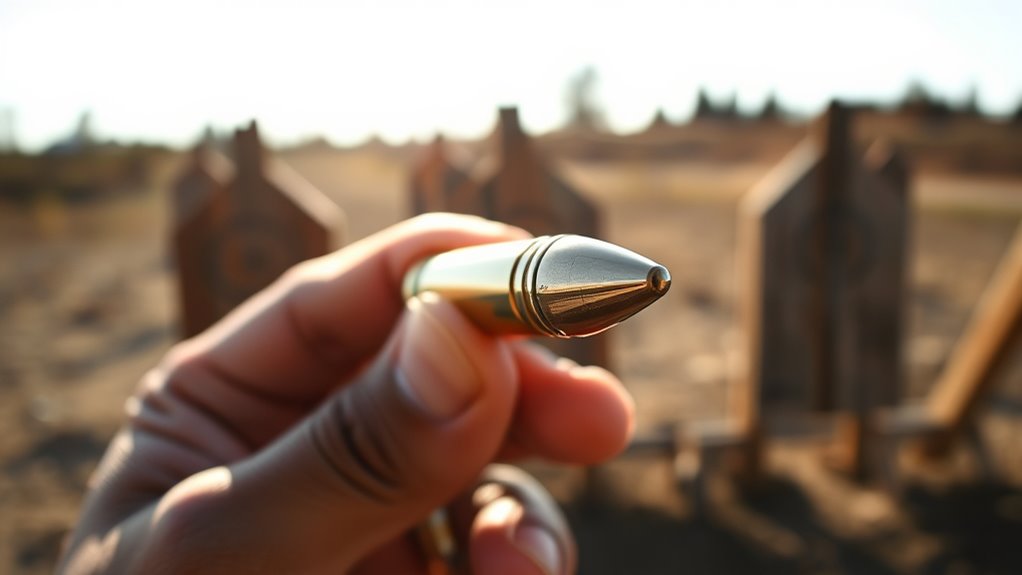
Although it might sound like something out of an action movie, incendiary ammo is real and designed to ignite upon impact. When you fire this type of bullet, a chemical compound inside the projectile ignites as soon as it hits a target. This ignition causes intense heat and flames, which can ignite flammable materials or cause additional damage beyond the initial impact.
You’ll find that incendiary rounds often contain substances like phosphorus or magnesium, which are highly combustible. The design varies depending on the intended use, but the key feature is the ability to start fires or cause burns upon striking a surface. While standard ammo relies purely on kinetic energy, incendiary ammo adds a chemical reaction component.
Knowing how it works helps you understand why it’s regulated differently than typical bullets and why handling and usage require extra caution to avoid unintended fires or injuries.
How Federal Rules Impact Incendiary Ammo Use
Understanding how incendiary ammo works gives you a clearer picture of why federal laws treat it differently from regular ammunition. The Bureau of Alcohol, Tobacco, Firearms and Explosives (ATF) regulates incendiary rounds under specific guidelines to prevent misuse, especially in civilian hands. You’ll find that while some incendiary ammo is legal for certain uses, restrictions apply based on the type and purpose.
Here’s a quick overview of federal rules impacting incendiary ammo:
| Federal Rule | What It Means for You |
|---|---|
| ATF Classification | Incendiary rounds often classified as armor-piercing or destructive devices |
| Civilian Ownership | Generally restricted or requires special licenses |
| Military Use | Allowed under government contracts |
| Import/Export Controls | Strictly regulated by customs and federal laws |
| Penalties for Violation | Severe fines and possible imprisonment |
Knowing these rules helps you stay compliant and avoid legal trouble when handling incendiary ammunition.
Why Incendiary Ammo Laws Differ by State
Because each state has its own approach to firearm regulation, incendiary ammo laws can vary widely depending on where you live. States balance public safety concerns with individual rights differently, which shapes their stance on incendiary ammunition. Some worry about the increased fire risk incendiary rounds pose, especially in areas prone to wildfires or urban density.
Others focus on the potential for misuse in criminal activity or hunting restrictions. Your state’s history, legal culture, and political environment also influence these laws. For example, states with strong hunting traditions might restrict incendiary ammo to protect wildlife and property.
Meanwhile, others prioritize second amendment rights more heavily, allowing broader access with fewer limits. Additionally, local law enforcement’s experiences and priorities can impact legislation, as lawmakers respond to community concerns.
Ultimately, this patchwork of regulations means you need to check your state’s specific rules before purchasing or using incendiary ammo. What’s legal in one place might be prohibited just across the border.
States That Allow Incendiary Ammo and Conditions
Knowing how varied incendiary ammo laws are across states, it helps to look at where you can legally buy and use these rounds. If you live in or visit certain states, you might be allowed to possess and use incendiary ammunition, but often under specific conditions. Here are some general guidelines you’ll find in states permitting incendiary ammo:
- Nevada: Allows use for hunting and self-defense, but only with specific permits.
- Texas: Permits possession and use, especially for law enforcement and certain licensed hunters.
- Alaska: Incendiary rounds are allowed, primarily for wildlife protection and self-defense.
- Arizona: Legal to buy and possess, but restrictions apply on public lands and certain hunting seasons.
Always check local regulations carefully, as compliance often involves following rules on storage, transport, and designated usage zones. This way, you can ensure you’re within the law when using incendiary ammo.
States That Ban or Restrict Incendiary Ammo
You might be surprised to learn that some states completely ban incendiary ammo, while others have partial restrictions you’ll need to follow. It’s important to understand how enforcement works and what penalties you could face if you break the rules.
Let’s look at where these bans and limits apply so you can stay informed.
States With Total Bans
Several states have total bans or strict restrictions on incendiary ammo, meaning you can’t legally possess or use it there. These laws are often in place to prevent potential fire hazards and *guarantee* public safety.
If you’re in one of these states, it’s *imperative* to know that violating these bans can lead to serious legal consequences.
Here are some states with total bans on incendiary ammunition:
- California: Prohibits possession and sale without exceptions.
- New York: Bans incendiary rounds outright.
- Hawaii: Strictly forbids civilian use of incendiary ammo.
- New Jersey: Enforces a complete ban on incendiary projectiles.
Always check your state’s regulations before purchasing or transporting incendiary ammo to stay compliant.
Partial Restrictions Overview
Although some states impose total bans on incendiary ammo, others enforce partial restrictions that limit its use or possession under specific conditions. If you live in these states, you might find that incendiary rounds are legal only for certain firearms or intended uses, like military or law enforcement purposes. Some states restrict the purchase or transport of incendiary ammo, requiring special permits or licenses.
Others may allow possession but prohibit discharge within city limits or near certain protected areas. It’s important you check your state’s specific laws to understand any limitations, such as caliber restrictions or bans on sales to civilians. Staying informed helps you avoid unintentional violations while ensuring you use incendiary ammo legally and responsibly in your state.
Enforcement and Penalties
When states ban or restrict incendiary ammo, enforcement tends to be strict, with penalties that can include hefty fines, license suspensions, or even criminal charges. If you’re caught violating these laws, you could face serious consequences that impact your rights and finances. It’s vital to know what you’re getting into.
Common enforcement measures include:
- Confiscation of prohibited ammunition and firearms
- Criminal misdemeanor or felony charges depending on the severity
- Suspension or revocation of your firearm purchase or carry license
- Mandatory court appearances and potential jail time
Understanding these penalties helps you avoid costly legal trouble. Always verify your state’s specific rules before purchasing or using incendiary ammo to stay on the right side of the law.
Key Legal and Safety Checks Before Buying Incendiary Ammo
Before you buy incendiary ammo, you’ll need to verify its legality in your state and understand the specific regulations that apply. Check your state’s firearm and ammunition laws through official government websites or trusted legal resources. Some states outright ban incendiary rounds, while others have restrictions on purchase, possession, or transportation.
Confirm whether you need special permits or licenses. Next, confirm the ammo you’re considering is compliant with federal regulations, such as those enforced by the ATF. You’ll also want to buy from reputable dealers who provide proper documentation and verify your eligibility.
From a safety perspective, inspect the ammo packaging for clear labeling and warnings. Avoid homemade or altered rounds, as they can be hazardous. Finally, consider storage requirements; incendiary ammo may need specific handling to prevent accidents.
Doing these checks upfront helps you stay within the law and protect yourself and others.
How to Use Incendiary Ammo Safely and Legally
Since incendiary ammo poses unique risks, you need to handle and use it with extra care to stay safe and comply with the law. Before firing, always confirm your state and local regulations to guarantee it’s legal where you are. When using incendiary rounds, follow these essential safety tips:
- Use incendiary ammo only in appropriate firearms designed to handle it.
- Fire in controlled, safe environments like authorized ranges or approved hunting areas.
- Keep a fire extinguisher or water source nearby to quickly address any accidental fires.
- Store incendiary ammo separately from regular ammo, in a cool, dry place away from flammable materials.
Additionally, wear protective gear such as eye and ear protection. Never use incendiary ammo near dry vegetation or in areas prone to wildfires. By respecting these precautions, you’ll minimize risks and stay within legal boundaries while handling incendiary ammunition responsibly.
Frequently Asked Questions
Can Incendiary Ammo Be Used for Hunting Specific Animals?
You generally can’t use incendiary ammo for hunting specific animals because it’s often illegal and considered inhumane. Always check local regulations, since rules vary, and prioritize ethical hunting practices to guarantee safety and legality.
Are There Special Storage Requirements for Incendiary Ammo?
Sure, storing incendiary ammo safely requires specific steps. You’ve got to keep it cool, dry, and locked away, limiting light and heat exposure.
Following local laws and manufacturer guidelines guarantees you handle these hazards properly and prevent potential problems.
How Does Incendiary Ammo Affect Firearm Warranty or Insurance?
Using incendiary ammo can void your firearm warranty since it’s often considered abnormal use. Plus, your insurance might not cover damages caused by such ammo, so you’ll want to check your policy and manufacturer terms carefully before shooting.
Can Incendiary Ammo Be Shipped Across State Lines Legally?
Shipping incendiary ammo across state lines isn’t a free ride; it’s tightly regulated by federal law. You’ll need proper licenses and must comply with both origin and destination state laws to avoid serious legal trouble.
What Environmental Impacts Does Incendiary Ammo Have?
Incendiary ammo releases harmful chemicals and can start wildfires, damaging ecosystems. You’ll find it contaminates soil and water, harming plants and animals.
Conclusion
You might’ve heard incendiary ammo is outright illegal everywhere, but that’s not true. While federal rules set some limits, states have their own laws—some allow it with conditions, others ban it completely.
Before buying, you need to check your state’s specific rules and practice safe handling. So, don’t assume it’s banned in your area; do your homework to stay legal and safe when using incendiary ammo.
Understanding the legality of incendiary ammo in your state is crucial. Always verify local regulations to ensure compliance. Staying informed helps you use incendiary ammo responsibly and within the law.