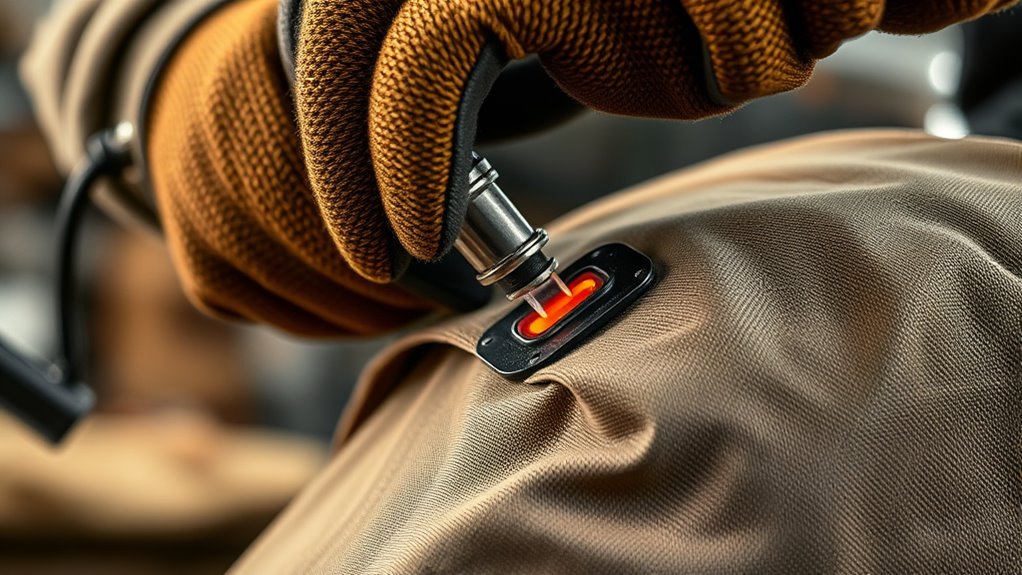
Which Safety Guidelines Apply to Heat Sealing Ammo Bags
When heat sealing ammo bags, following proper safety guidelines is essential to prevent accidents and ensure product integrity. Key precautions include wearing heat-resistant gloves, safety goggles, and respiratory masks to protect against burns and harmful fumes. Proper handling and equipment use are crucial to maintain a safe working environment.
Always inspect the bags for any damage before sealing. Keep the bags clean and wrinkle-free to ensure a secure seal. Evenly distribute the contents inside each bag for consistent sealing results.
Use heat sealing equipment equipped with built-in safety features such as temperature controls and automatic shut-offs. Follow precise temperature and timing settings recommended for the specific bag material.
After sealing, store the bags in cool, dry places to preserve their quality.
By adhering to these safety guidelines, you can handle the heat sealing process smoothly and safely every time.
Key Takeaways
- Always wear heat-resistant gloves, safety goggles, and respiratory masks to protect against burns, sparks, and harmful fumes during the sealing process.
- Inspect ammo bags for defects, cleanliness, dryness, and wrinkles before sealing to ensure a strong, secure seal.
- Use heat sealers with built-in safety features like temperature controls, safety interlocks, and automatic shut-off functions.
- Preheat the sealer to the recommended temperature and hold the bag firmly between sealing bars for the specified time to avoid seal failure.
- Store sealed ammo bags in a cool, dry place away from sunlight and moisture to maintain seal integrity and ammunition safety.
Why Safety Guidelines Matter When Heat Sealing Ammo Bags
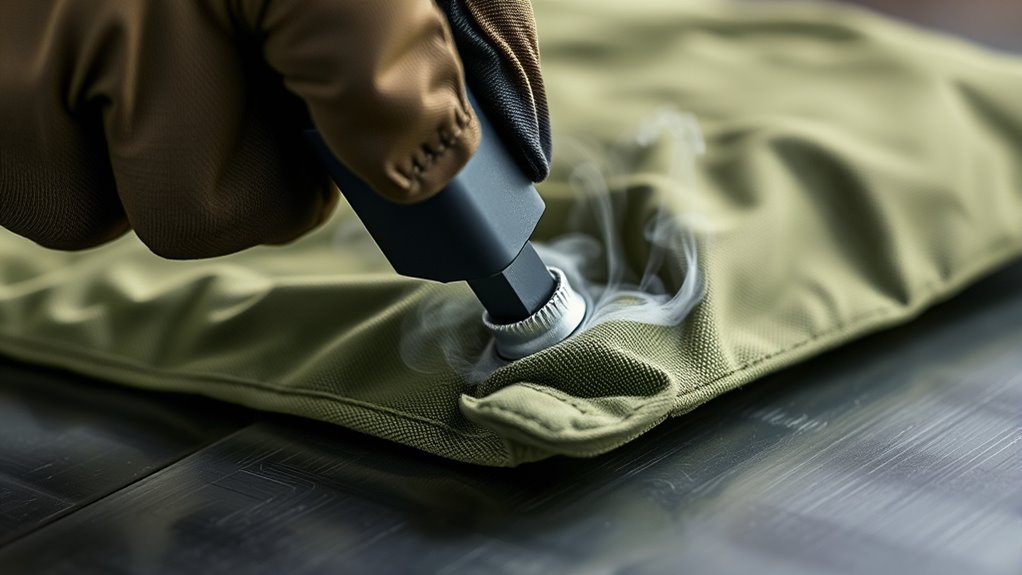
Although heat sealing ammo bags might seem straightforward, following safety guidelines is crucial to prevent accidents and guarantee the integrity of your ammunition. When you skip these precautions, you risk damaging the ammo or causing dangerous situations like fires or explosions. Proper handling ensures that the heat sealing process doesn’t compromise the bag’s strength, keeping your ammunition safe from moisture, dust, and other contaminants.
You also need to be aware of your surroundings and use personal protective equipment to avoid burns or inhaling harmful fumes from melting plastics. Ignoring safety can lead to costly mistakes, not just in terms of damaged ammo but also your health and safety. By adhering to established guidelines, you protect yourself and maintain the reliability of your ammunition.
In short, you’re not just sealing bags—you’re preserving safety and functionality every time you work with your ammo.
Selecting the Right Heat Sealing Equipment for Ammo Bags
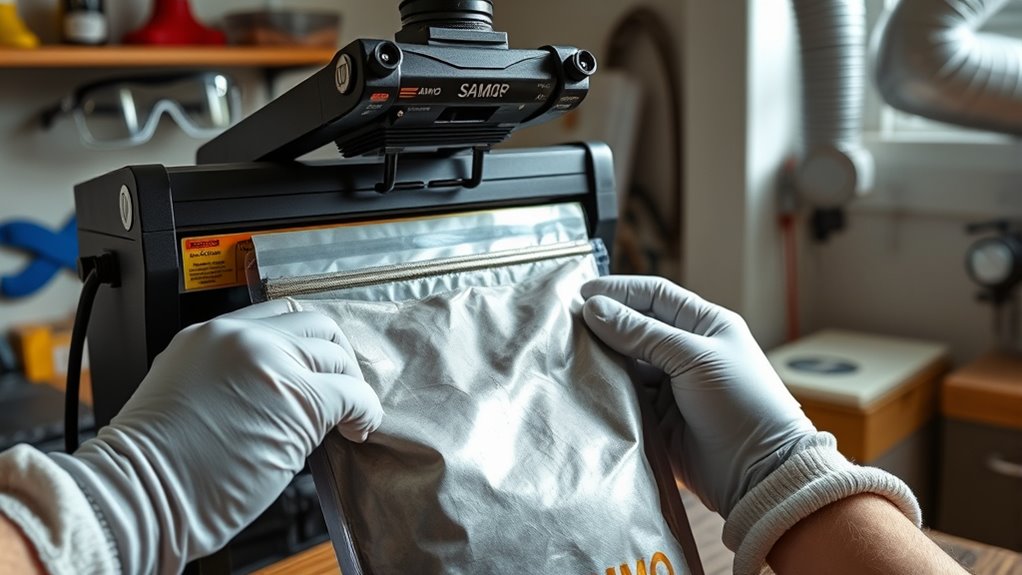
When choosing heat sealing equipment for ammo bags, you’ll want to understand the different types available and how they work. It’s essential to pick machines with built-in safety features to protect yourself during the sealing process.
Let’s look at what options you have and which safety elements you should prioritize.
Equipment Types Overview
How do you choose the right heat sealing equipment for ammo bags? You’ll want to focus on the type best suited for your needs, considering bag size and sealing frequency. Here’s a quick overview:
- Impulse Sealers – Ideal for small to medium bags; they use brief, controlled heat to seal without damaging contents.
- Constant Heat Sealers – Perfect for thicker or heavy-duty ammo bags, providing steady heat for a stronger seal.
- Band Sealers – Great if you’re sealing large volumes quickly; they use a continuous band to create consistent seals on long runs.
Each type offers distinct benefits, so picking the right one depends on your specific ammo bag material and operational demands. Choose carefully to ensure both efficiency and seal integrity.
Safety Features Importance
Why should you prioritize safety features when selecting heat sealing equipment for ammo bags? Because handling ammunition requires extra caution to prevent accidents or damage. You’ll want equipment with built-in temperature controls to avoid overheating, which can compromise the bag’s integrity or create fire hazards.
Safety interlocks and automatic shut-off functions are vital—they protect you by stopping the machine if something goes wrong. Insulated handles and heat guards minimize burn risks during operation. Also, consider equipment with clear warning indicators for temperature and pressure status.
Choosing heat sealing tools with these safety features not only protects you but ensures the sealed ammo bags remain secure and reliable. Prioritizing safety helps maintain a safe workspace and preserves the quality of your sealed ammo bags.
Setting and Controlling Temperature for Ammo Bag Seals
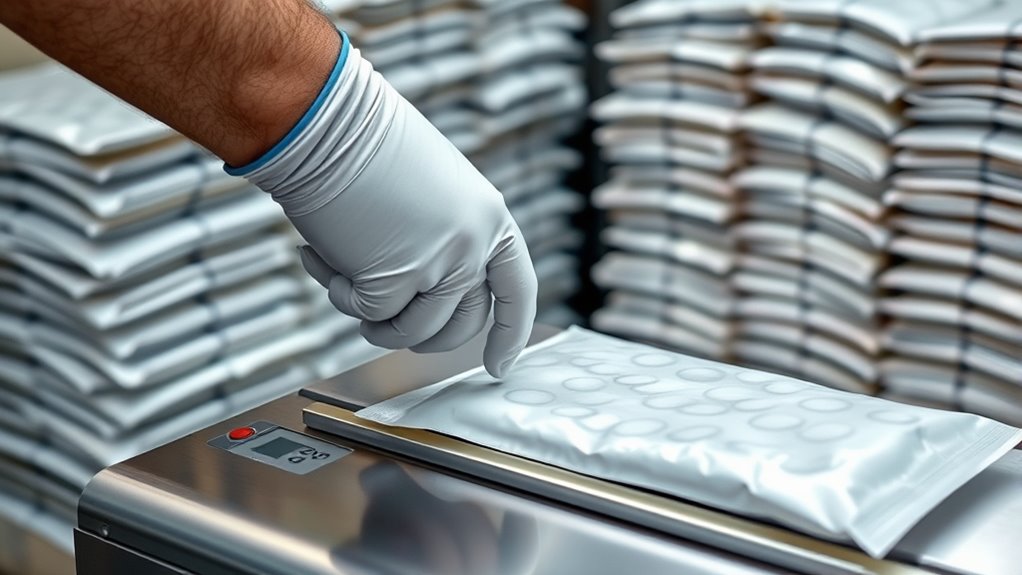
You’ll need to set the temperature within a suitable range to guarantee strong, reliable seals without damaging the ammo bags. Using precise temperature control techniques helps maintain consistency and safety during the sealing process.
Let’s explore how to find the right temperature and keep it steady for the best results.
Optimal Temperature Ranges
When setting the temperature for sealing ammo bags, it’s crucial to find the right balance to guarantee a strong, airtight seal without damaging the material. Too low, and the seal won’t hold; too high, and you risk melting or weakening the bag. Generally, the ideal temperature range falls between 250°F and 300°F (121°C to 149°C), but this can vary based on bag thickness and material type.
Here’s what you should focus on:
- Material type: Polyethylene bags require lower temps; heavier materials like Mylar need higher heat.
- Bag thickness: Thicker bags demand more heat for a solid seal.
- Seal width: Wider seals often need slightly higher temps to ensure even bonding.
Sticking within these guidelines helps you achieve consistent, secure seals every time.
Temperature Control Techniques
Finding the right temperature range is only part of sealing ammo bags effectively; managing and maintaining that temperature during the process makes all the difference. You’ll want to use a reliable heat sealer with adjustable temperature settings, ensuring it stays consistent throughout each seal. Calibrating your device regularly prevents fluctuations that could weaken seals or damage the bags.
Using a digital thermometer or built-in sensors can help monitor real-time temperatures, letting you adjust as needed. Avoid overheating by setting the temperature slightly below the maximum recommended level for the bag material, then test seals for strength. Consistent pressure and sealing time also play roles, so keep those factors steady.
Essential Protective Gear for Heat Sealing Ammo Bags
Although heat sealing ammo bags might seem straightforward, wearing the right protective gear is vital to keep you safe from burns and fumes. You’ll be working with high temperatures and potentially harmful vapors, so don’t skip these basics.
Here’s what you need:
- Heat-resistant gloves: These protect your hands from burns when handling the sealing equipment and hot bags.
- Safety goggles: Your eyes need shielding from sparks, hot debris, and fumes that can cause irritation or injury.
- Respiratory mask: A mask with proper filtration guards your lungs from inhaling toxic fumes released during sealing.
Wearing this gear guarantees you stay protected throughout the process. Don’t underestimate the risks; even a quick slip can cause serious injury. Always gear up before you start sealing to maintain safety and efficiency in your work.
Preparing Ammo Bags Properly Before Sealing
Since proper preparation guarantees a secure seal, you’ll want to inspect each ammo bag carefully before sealing. Start by checking for any holes, tears, or manufacturing defects that could compromise the bag’s integrity. Make sure the bag is clean and dry—moisture or dirt can weaken the seal and allow contaminants inside.
Lay the bag flat and remove any wrinkles or folds along the sealing edge to ensure even heat distribution. If you’re packing ammo, arrange the contents so they’re evenly distributed and not pressing against the sealing area. Avoid overfilling, as excess bulk can prevent a tight seal or damage the bag when heat is applied.
Finally, confirm that the bag material matches the heat sealer’s specifications; using the wrong type can cause poor seals or equipment damage. Taking these steps will help you achieve a reliable seal while maintaining safety and preserving your ammo’s condition.
Common Hazards in Heat Sealing Ammo Bags and How to Avoid Them
When you’re heat sealing ammo bags, you need to be aware of specific hazards that can compromise both your safety and the integrity of the contents. Here are the most common risks and how you can avoid them:
- Burn Injuries – The sealing equipment gets extremely hot. Always wear heat-resistant gloves and keep your hands clear of the sealing bar to prevent burns.
- Ammo Damage – Overheating can degrade the ammo inside. Use the correct temperature and sealing time settings to avoid melting the bag or damaging the rounds.
- Fume Exposure – Some plastic bags release harmful fumes when heated. Work in a well-ventilated area or use local exhaust ventilation to minimize inhalation risks.
Step-by-Step Heat Sealing Procedures for Ammo Bags
Handling the hazards of heat sealing ammo bags is just one part of the process—you also need to follow precise steps to guarantee a secure seal without compromising safety or the contents. First, inspect the bag for any damage or debris that might affect the seal. Next, load the ammo carefully, ensuring it’s evenly distributed to avoid uneven pressure points.
Preheat your heat sealer to the manufacturer’s recommended temperature for the bag material. Place the open end of the bag between the sealing bars, making sure it lies flat without wrinkles. Activate the sealer and hold it in place for the specified time; too short won’t seal properly, too long can damage the bag.
After sealing, allow the bag to cool undisturbed to solidify the bond. Finally, check the seal for consistency and strength by gently tugging the edges. Following these steps will help you create strong, reliable seals every time.
Safe Storage and Handling of Sealed Ammo Bags
Proper storage and careful handling of sealed ammo bags are essential to maintain their integrity and guarantee safety. When you manage these bags, you want to avoid any damage that could compromise their protective seal or the ammunition inside.
Maintaining sealed ammo bags properly ensures their safety and preserves the ammunition’s integrity.
Here’s how to keep them in top shape:
- Store in a cool, dry place – Heat and moisture can weaken the seals and cause corrosion. Keep ammo bags away from direct sunlight and damp environments.
- Handle gently – Avoid dropping or crushing the bags, as physical damage can break seals or deform the contents, risking safety hazards.
- Organize and label – Clearly mark each bag with its contents and date to prevent mix-ups and maximize your use of ammo within its best timeframe.
Troubleshooting Heat Sealing Failures Safely
If your heat sealing process isn’t working as expected, it’s important to pinpoint the issue without risking injury or damaging your ammo bags. First, always unplug the sealing device before inspecting it to avoid burns or electrical hazards. Check the temperature settings—too low, and the seal won’t form; too high, and you might melt the bag.
Examine the sealing strip for debris or wear, which can cause uneven sealing. Replace any damaged parts before continuing. Also, verify the bags are properly aligned and free of wrinkles at the sealing area.
If the problem persists, test with a different batch of bags to rule out material defects. Never force the machine or bypass safety features, as this increases risk. By methodically troubleshooting while prioritizing safety, you’ll maintain the integrity of your ammo bags and protect yourself during the heat sealing process.
Frequently Asked Questions
Can Heat Sealing Ammo Bags Affect Ammunition Shelf Life?
Yes, heat sealing ammo bags can affect ammunition shelf life if done improperly. You’ll want to avoid excessive heat that could damage the rounds or packaging, ensuring a proper seal to keep moisture and contaminants out for longer preservation.
What Are the Environmental Impacts of Disposing Sealed Ammo Bags?
You’ll find that disposing of sealed ammo bags can introduce non-biodegradable plastics into the environment, contributing to pollution and landfill waste. Proper recycling or disposal methods help minimize these harmful impacts and protect ecosystems.
Are There Legal Regulations for Heat Sealing Ammo Bags?
You know what they say, “Better safe than sorry.” Yes, you’ve got to follow legal regulations for heat sealing ammo bags, including federal and state rules on packaging, labeling, and handling hazardous materials to keep everyone safe.
How Does Humidity Affect the Heat Sealing Process?
Humidity can make it harder for you to get a strong seal because moisture weakens the bond. You’ll want to work in a dry environment and guarantee bags are moisture-free before heat sealing to get the best results.
Can Heat Sealing Damage Different Types of Ammunition?
Oh sure, heat sealing won’t turn your ammo into fireworks—unless you’re sealing at volcano temperatures. You shouldn’t damage ammo if you’re careful, but don’t get sloppy; excessive heat can ruin primers or powder, so handle with care!
Conclusion
When heat sealing ammo bags, you’re not just sealing a package—you’re locking in safety itself. By choosing the right equipment, wearing protective gear, and following proper procedures, you create a fortress that guards against hazards.
Remember, each careful step you take is like weaving a shield around your ammo, ensuring it stays secure and ready. Keep these guidelines close, and you’ll handle heat sealing with confidence and care every time. Following these safety guidelines when heat sealing ammo bags is essential to protect yourself and maintain the integrity of the contents.