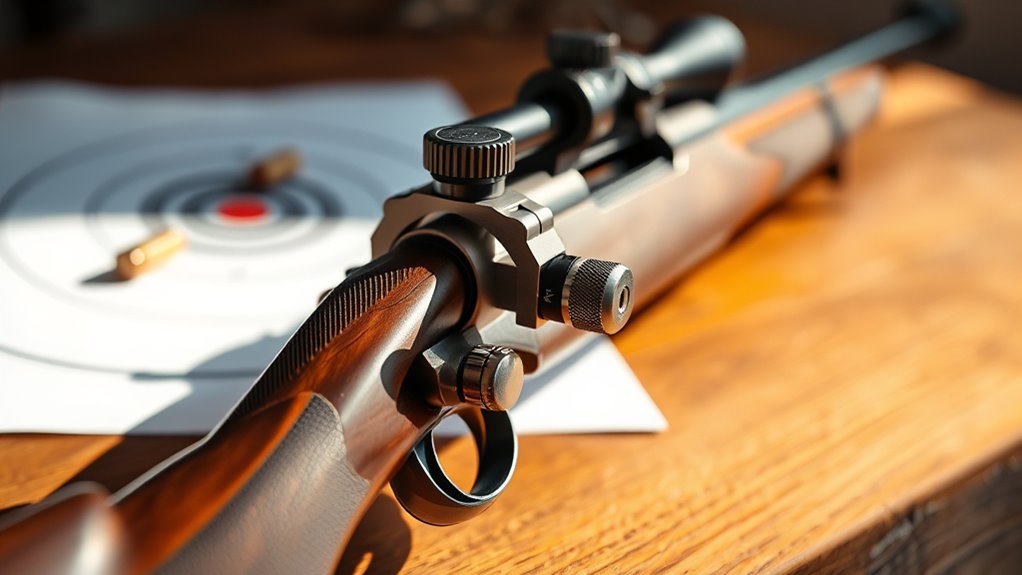
How Accurate Is a Bore Sighter?
A bore sighter is a valuable tool for getting your rifle aligned quickly and efficiently. It can position your shot within a few inches at 25 yards, making it ideal for initial target placement. However, it is not designed for achieving a precise zero.
The accuracy of a bore sighter depends on several factors, including the quality of the device, how well it fits your rifle, and the stability of your setup.
Environmental conditions such as lighting and the condition of the barrel also affect its performance.
Using fresh batteries and ensuring a secure mount can significantly improve your results.
If you want to understand what influences bore sighter precision and learn how to troubleshoot common issues, keep exploring further.
Key Takeaways
- Bore sighters typically align within a few inches at 25 yards, suitable for initial target placement but not precise zeroing.
- Laser bore sighters generally provide better accuracy than traditional models due to improved precision.
- Accuracy heavily depends on device quality, proper fit, and stable, centered placement in the barrel.
- Environmental factors like lighting and wind have minor effects compared to device quality and setup consistency.
- Regular maintenance, correct device selection, and troubleshooting setup errors maximize bore sighter reliability.
How Does a Bore Sighter Work?
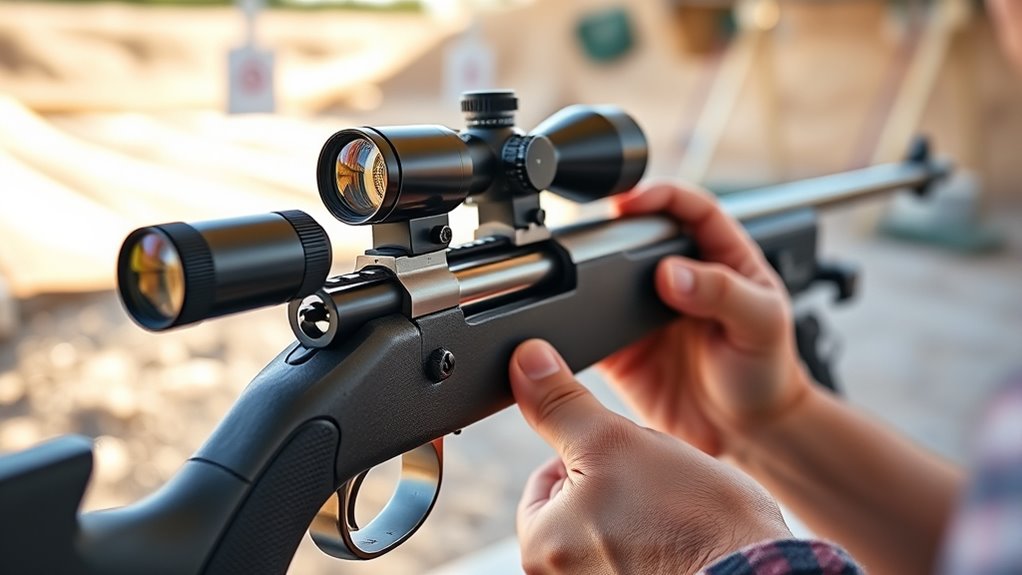
Although it might seem complicated at first, a bore sighter works by aligning your firearm’s barrel with a target before you start shooting. You insert the bore sighter into the barrel or chamber, depending on the type, and it projects a laser or provides a visual reference. This lets you see exactly where your barrel is aimed without firing a single round.
When you look through your scope or sights, you’ll notice the laser dot or alignment mark matches the target. This initial setup lets you adjust your sights or scope quickly, so your first shots will land closer to your intended point of impact. It saves you time and ammo during the zeroing process.
How Accurate Are Bore Sighters?
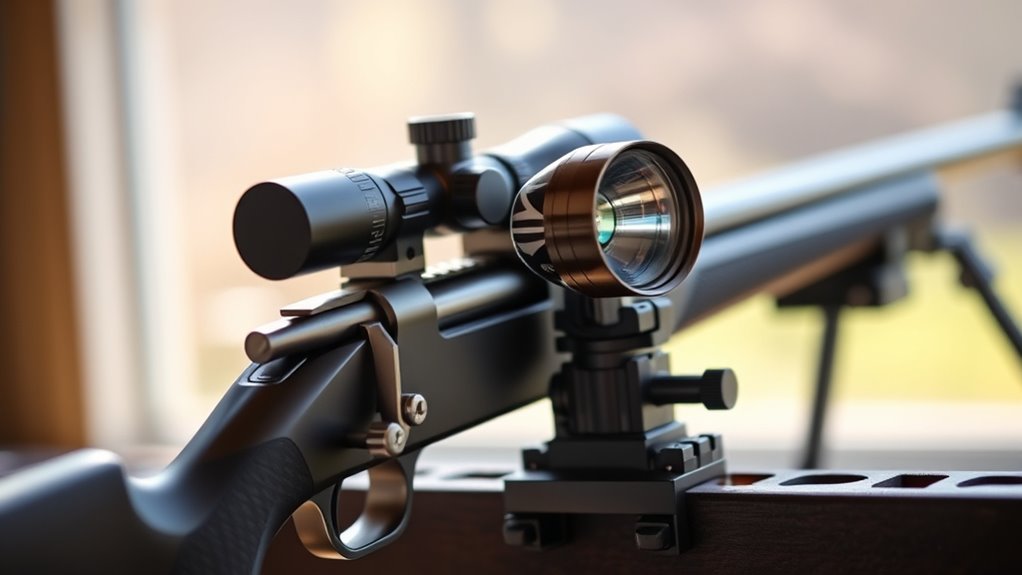
While bore sighters can get you on paper quickly, their accuracy varies depending on the type and quality of the device. You can expect a bore sighter to get you within a few inches of your target at 25 yards, which is usually enough to save time and ammo during initial sighting.
However, they aren’t perfect, so you’ll still need to fine-tune your zero at the range.
Here are some points about their accuracy:
- Laser bore sighters generally offer better precision than magnetic or rod types.
- The fit and alignment in your barrel affect initial accuracy.
- They’re designed mainly for rough alignment, not precise zeroing.
- Environmental factors during use don’t impact bore sighter accuracy as much as device quality does.
In short, a bore sighter is a helpful starting point but won’t replace actual live-fire zeroing for pinpoint accuracy.
What Affects Bore Sighter Accuracy?
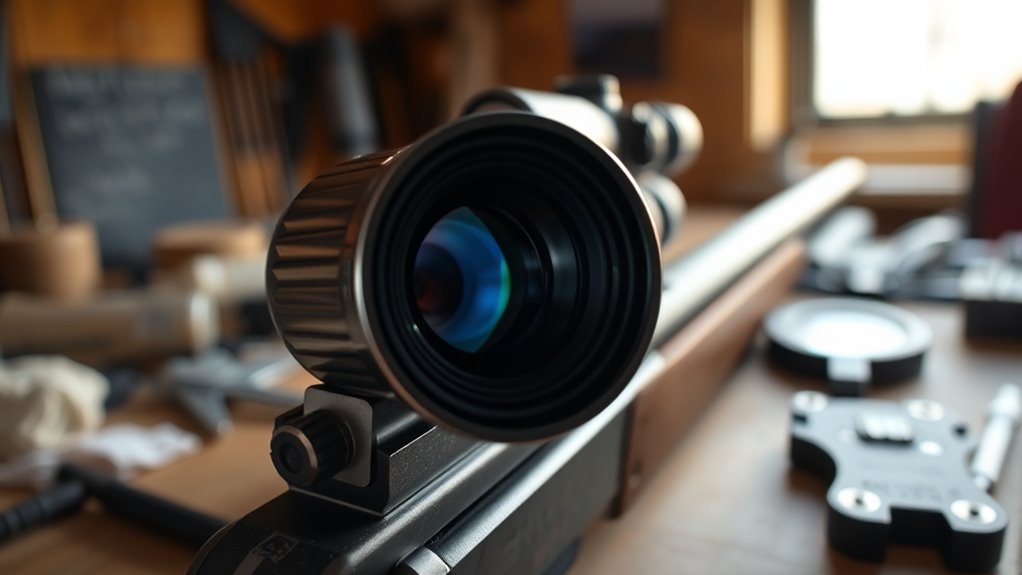
When using a bore sighter, you’ll notice that alignment precision plays a big role in accuracy. Environmental factors like lighting and temperature can also affect your results.
Plus, the quality of your equipment makes a noticeable difference in how reliable your bore sighting will be.
Alignment Precision Factors
Even if you have a high-quality bore sighter, several factors can influence how accurately it aligns your firearm. You need to pay close attention to these alignment precision factors to get the best results. Small misalignments during setup can lead to considerable shooting errors downrange.
Here are key elements that affect your bore sighter’s alignment precision:
- Proper Mounting: Ensure the bore sighter fits securely and centers correctly in the barrel or scope.
- Eye Position: Your eye must be perfectly aligned with the bore sighter to avoid parallax errors.
- Barrel Condition: Dirt or damage inside the barrel can skew the sighting line.
- Bore Sighter Quality: Higher precision models provide more consistent and accurate alignment.
Being mindful of these will improve your bore sighting accuracy markedly.
Environmental Influence Effects
Besides the factors you control during setup, environmental conditions can also impact how accurately your bore sighter performs. Wind, for example, can cause slight movement in your device or firearm, making it harder to maintain a steady aim. Lighting plays an essential role too; poor or overly bright light can affect your ability to see the reticle or target clearly, leading to misalignment.
Temperature fluctuations might cause materials to expand or contract, subtly shifting the bore sighter’s position. Even humidity and dust can interfere by fogging lenses or reducing visibility. To get the best accuracy, try to bore sight in calm, well-lit conditions with stable temperatures.
Being mindful of these environmental influences helps guarantee your bore sighter stays aligned and reliable.
Equipment Quality Impact
Although environmental factors play a role, the quality of the equipment you use directly impacts how accurate your bore sighter will be. If you rely on cheap or poorly made devices, you’re likely to face inconsistencies and errors during sighting. Precision and build quality matter a lot, especially when aligning your firearm’s barrel with the aiming device.
Here are some key equipment factors that affect bore sighter accuracy:
- Optics clarity: High-quality lenses provide a clearer reticle for better alignment.
- Mount stability: A sturdy mount prevents movement or wobbling during use.
- Calibration precision: Devices with precise calibration reduce alignment errors.
- Material durability: Durable materials maintain performance over time without warping.
Choosing dependable gear ensures your bore sighting process is both accurate and repeatable.
How to Maximize Accuracy When Using a Bore Sighter
To get the most accurate results with your bore sighter, you’ll want to focus on proper alignment techniques. Make sure the device is perfectly centered and stable in the barrel.
Also, try to maintain consistent environmental conditions to avoid any shifts in readings.
Proper Alignment Techniques
How do you guarantee your bore sighter delivers the best results? Proper alignment is key. You want your bore sighter perfectly centered in the barrel to avoid misleading adjustments.
Start by securely mounting your firearm on a stable rest to minimize movement. Then, insert the bore sighter gently, ensuring it sits flush without tilting. Next, align the laser or optical device with the bore’s centerline, double-checking from multiple angles.
Keep these tips in mind:
- Use a clean, unobstructed barrel for accurate placement
- Verify the bore sighter’s position frequently during setup
- Adjust your scope or sights only after confirming bore sighter alignment
- Avoid forcing the bore sighter into the barrel to prevent damage
This careful approach maximizes your bore sighter’s accuracy.
Consistent Environmental Conditions
When you’re using a bore sighter, maintaining consistent environmental conditions can make a significant difference in your results. Factors like lighting, temperature, and wind can affect how you see your target and the bore sighter’s performance. For instance, bright sunlight might cause glare, making it harder to align accurately, while wind can subtly move your firearm or target.
Try to perform bore sighting in stable weather and consistent lighting to minimize these effects. Also, avoid drastic temperature changes, as metal parts can expand or contract, altering alignment slightly. If possible, use the same location and time of day for each bore sighting session to ensure repeatable, reliable results.
Staying mindful of these conditions helps you get the most accurate zero before live firing.
When Should You Use a Bore Sighter vs. Live-Fire Zeroing?
Although a bore sighter can save you time and ammo by getting your sights roughly aligned, you’ll still need live-fire zeroing to guarantee accuracy under real conditions. Use a bore sighter when you want a quick setup before heading to the range or when you’re working with a new optic or firearm. It helps get you on paper faster but won’t account for real bullet trajectory or environmental factors.
Live-fire zeroing is essential when you want precision. It confirms your point of impact matches your point of aim with actual shooting conditions.
Use a bore sighter when:
- You need a fast, initial alignment.
- You want to save ammunition during setup.
- You’re adjusting a new or unfamiliar scope.
- You’re prepping for more detailed zeroing at the range.
Switch to live-fire zeroing to finalize accuracy, considering recoil, bullet drop, and wind effects.
Troubleshooting Bore Sighter Issues
If your bore sighter isn’t giving you accurate results, there are several common issues you can check before assuming it’s faulty. First, make certain the bore sighter is properly seated in the barrel or chamber. Even a slight misalignment can throw off your zero.
Check that the batteries are fresh if you’re using a laser model; weak batteries reduce laser visibility and accuracy. Also, verify that your firearm is securely rested and not moving during the process. Dirt, debris, or damage in the barrel can affect alignment, so clean the barrel before using the bore sighter.
Finally, confirm you’re using the correct bore sighter for your specific caliber and firearm type. If you’ve addressed these factors and still see inconsistent results, the device itself might be defective, but most issues stem from setup errors or environmental factors rather than the bore sighter itself.
Frequently Asked Questions
Can Bore Sighters Be Used With All Types of Firearms?
You can use bore sighters with most firearms, but not all. Their design varies for rifles, pistols, and shotguns, so you’ll need one compatible with your specific firearm type for best results.
Are Laser Bore Sighters Safe to Use Indoors?
Using laser bore sighters indoors is like steering a calm river—you’re mostly safe if you avoid direct eye exposure.
Just don’t shine the laser at reflective surfaces or people, and you’ll keep everything under control.
How Long Do Bore Sighter Batteries Typically Last?
Bore sighter batteries typically last between 5 to 10 hours of continuous use.
You’ll want to keep spare batteries handy, especially if you’re planning extended sessions or using the device frequently to avoid interruptions.
Can Bore Sighters Damage Firearm Optics or Barrels?
No, bore sighters won’t damage your firearm’s optics or barrels if used properly. They’re designed to align your sights safely, so just follow the instructions carefully, and you won’t risk harming your equipment.
What Is the Average Cost of a Quality Bore Sighter?
You’ll find quality bore sighters usually dance around $40 to $150, depending on features and brand.
Investing wisely means you won’t just sight in shadows—you’ll hit the bullseye with confidence every time.
Conclusion
Think of a bore sighter like a map for a treasure hunt—it points you in the right direction but doesn’t guarantee you’ll find the X every time. It gets you close enough to save time and ammo, but fine-tuning with live fire is where the real treasure lies.
So, use your bore sighter as a trusted guide, but remember, the journey to perfect accuracy takes a few more careful steps. A bore sighter is a valuable tool for initial alignment, yet accuracy depends on proper sighting in with actual shooting. Understanding how accurate a bore sighter can be helps you set realistic expectations and achieve better results.