How to Open a Combination Gun Safe in 10 Simple Steps
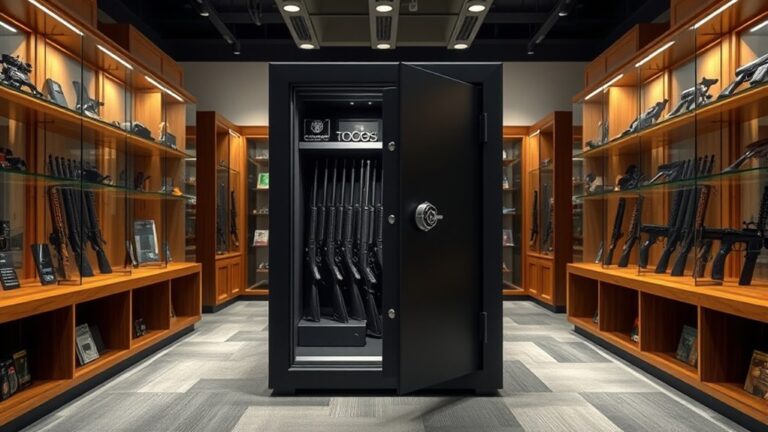
To open your combination gun safe, start by identifying whether it features a dial lock or a digital keypad. Properly cleaning the lock area is essential to ensure smooth operation. Knowing how to handle both types of locks will help you access your safe quickly and securely.
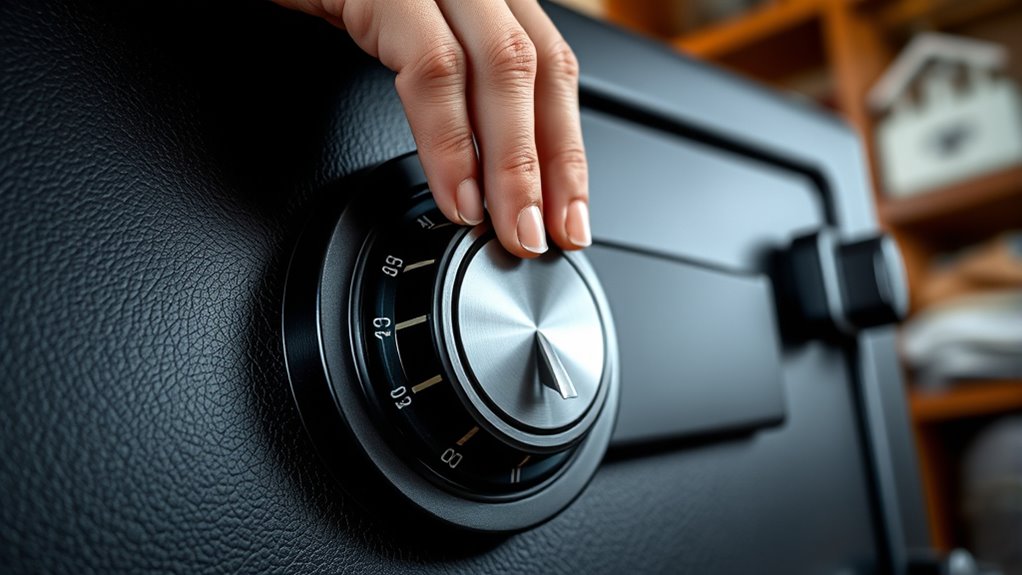
For dial locks, begin by spinning the dial several times to clear any previous entries. Next, enter the combination by turning the dial right, then left, and right again as instructed. Finally, pull the handle to open the safe.
If your safe has a digital keypad, first check that the batteries are functioning well. Enter the code carefully and confirm the entry. Avoid forcing the lock or making too many guesses, as this can cause damage or lockouts.
Keep following for useful tips on resetting combinations and knowing when it’s best to call a professional locksmith.
Key Takeaways
- Identify the lock type (dial, keypad, or biometric) on your gun safe to determine the correct opening method.
- Clean the dial or keypad with a soft cloth and remove any debris to ensure smooth operation.
- For dial locks, spin the dial several times, then enter the combination by turning right, left, and right to each number in sequence.
- For keypad locks, press “Clear,” enter the 4-6 digit code carefully, then press “Enter” or “#” to unlock the safe.
- If the combination is forgotten or the safe malfunctions, avoid forcing it and contact a professional locksmith for assistance.
Identify Your Combination Gun Safe’s Lock Type
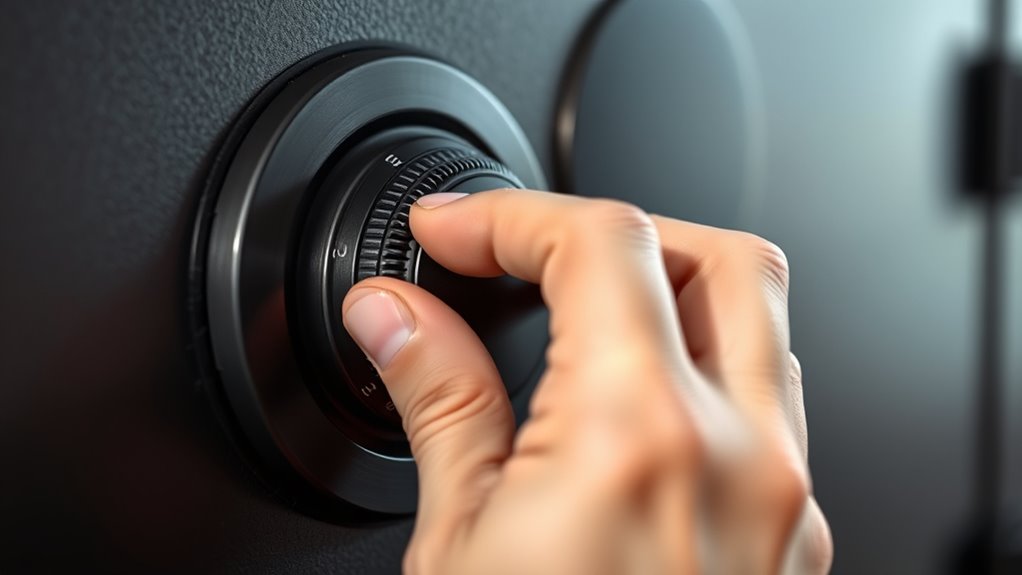
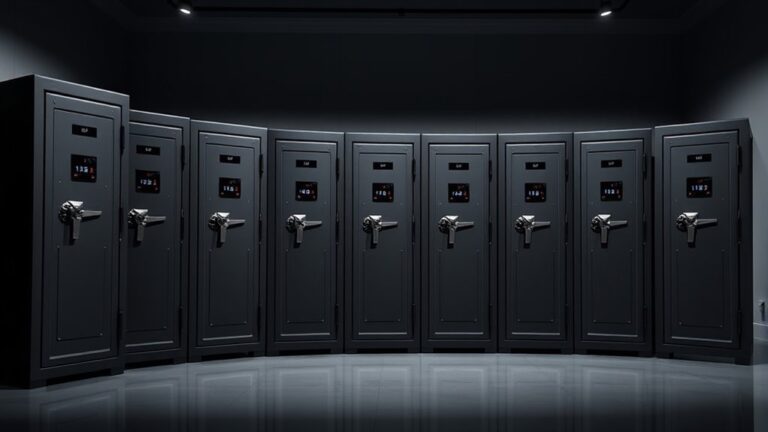
Before you try to open your combination gun safe, you’ll need to figure out what type of lock it uses. Combination gun safes typically have one of three main lock types: mechanical dial locks, electronic keypad locks, or biometric locks. Mechanical dial locks are the classic round dials that require you to turn the dial to specific numbers in sequence.
Electronic keypad locks use a numeric keypad where you enter a code, often featuring buttons or touchscreens. Biometric locks rely on fingerprint recognition. Identifying your lock type helps you understand how to approach opening it and what tools or techniques you might need.
Check the front of your safe and look closely at the locking mechanism. If you see a dial, it’s mechanical. If you find a keypad with buttons, it’s electronic. A small scanner or sensor usually indicates a biometric lock.
Inspect your safe’s front: dial means mechanical, buttons signal electronic, and a sensor points to biometric locking.
Knowing this upfront saves you time and guides you through the right steps to open your safe efficiently.
Locate and Prepare Your Safe’s Dial or Keypad
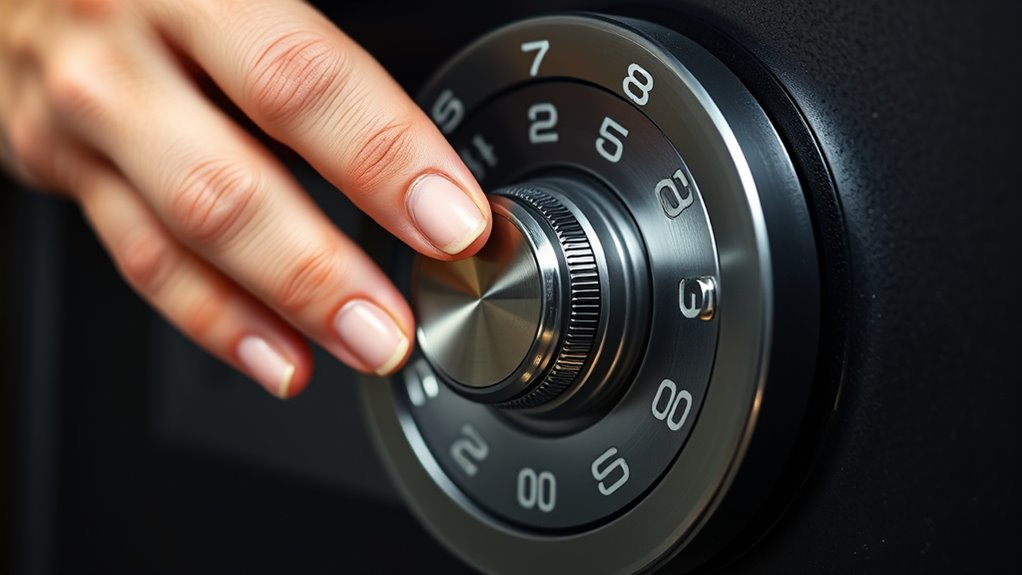
First, find whether your safe uses a dial or a keypad to open. Make sure to clean the surface to remove any dirt or grime that might affect your input.
Also, check for any obstructions that could prevent you from turning the dial or pressing the buttons properly.
Identify Dial Or Keypad
Although gun safes come with various locking mechanisms, you’ll most commonly encounter either a dial or a keypad on your combination safe. The dial is usually a round, rotating knob located on the front, often marked with numbers around its edge. You’ll turn it right or left to enter the combination.
On the other hand, a keypad is typically rectangular with a set of buttons numbered or lettered, allowing you to input the code directly. Identifying which type your safe has is essential because it determines the steps you’ll follow to open it. Take a moment to examine the front panel carefully—sometimes the dial or keypad might be covered by a protective flap or panel that you’ll need to lift to access.
Clean Dial Or Keypad
Since dirt and grime can interfere with the safe’s locking mechanism, you’ll want to thoroughly clean the dial or keypad before trying to open it. A clean surface guarantees smooth operation and accurate input. Start by gathering some basic cleaning supplies to avoid damaging the components.
Here’s what you’ll need for this task:
- A soft, lint-free cloth to wipe away dust
- Mild soap mixed with water for gentle cleaning
- Cotton swabs for tight spaces around the dial or buttons
- Isopropyl alcohol to remove stubborn grime without residue
- A small brush to loosen dirt from crevices
Take your time cleaning, making sure no moisture seeps inside. This prep step makes opening your combination gun safe much easier.
Check For Obstructions
Before you attempt to turn the dial or press the keypad, you’ll want to check for any obstructions that might block smooth operation. Inspect the dial or keypad closely for dirt, debris, or any small objects lodged around the edges. These can prevent the dial from turning freely or cause buttons to stick.
Also, make sure nothing is physically blocking access to the safe’s locking mechanism. If you find any dust or grime, gently remove it with a soft brush or cloth. For keypads, make certain the buttons aren’t worn down or damaged, which could affect input accuracy.
Taking a moment to clear these obstructions will help you avoid frustrating errors when entering your combination and make sure the safe opens without unnecessary resistance.
How to Open a Combination Gun Safe With a Dial Lock
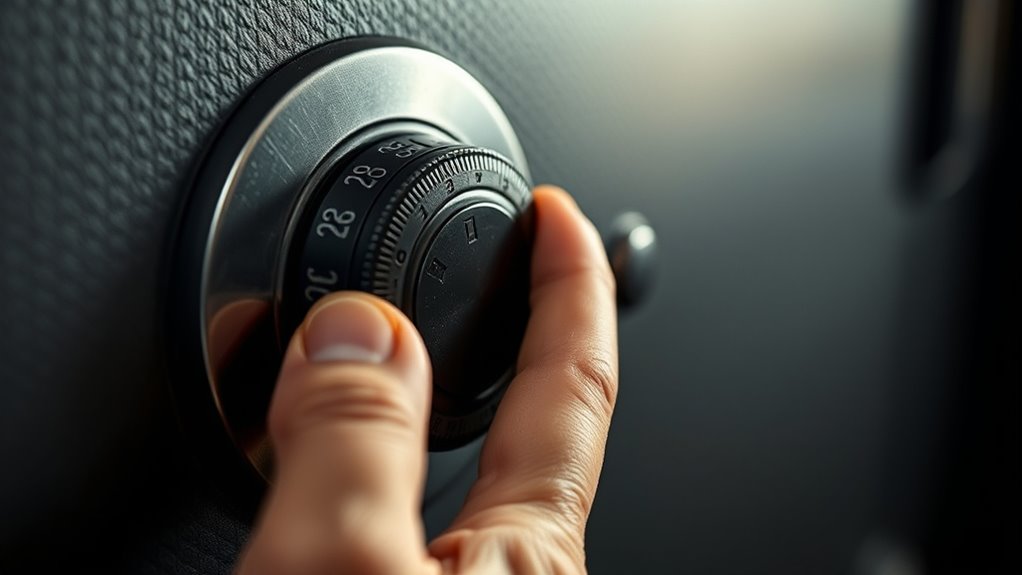
When you need to open a combination gun safe with a dial lock, knowing the correct sequence is essential to avoid locking yourself out. First, you’ll want to locate the dial and clear it by spinning it several times to the right.
Then, follow these steps carefully:
- Turn the dial to the right and stop at the first number of your combination.
- Rotate the dial to the left, passing the first number once, and stop at the second number.
- Turn the dial right again, directly to the third number.
- Pull the handle or turn the knob to open the safe.
- If it doesn’t open, repeat the process to ensure accuracy.
Make sure you’re turning the dial slowly and stopping precisely at each number. Rushing or misaligning the dial even slightly can prevent the lock from disengaging.
With practice, opening your dial lock will become second nature.
How to Open a Combination Gun Safe Using a Digital Keypad
Opening a combination gun safe with a digital keypad is straightforward once you know the correct code and sequence. First, verify the keypad is clean and the batteries are functional. Press the “Clear” or “Reset” button to start fresh.
Then, enter your code carefully—most safes require a 4-6 digit combination. After entering the code, press the “Enter” or “#” button to confirm. If correct, you’ll hear a click signaling the lock has disengaged.
Then, simply turn the handle or knob to open the door.
Here’s a quick reference table for typical keypad operations:
| Step Number | Action | Expected Result |
|---|---|---|
| 1 | Press “Clear” | Keypad resets |
| 2 | Enter code | Digits appear on display |
| 3 | Press “Enter” or “#” | Lock disengages if correct |
| 4 | Turn handle/knob | Safe door opens |
| 5 | Close & lock safe | Safe secures automatically |
Following these steps helps you access your safe securely and efficiently.
Common Mistakes to Avoid When Opening Your Gun Safe
When opening your gun safe, avoid entering the wrong combination multiple times, as it can lock you out temporarily. Don’t try to force the lock if it’s not opening smoothly, since that can cause damage.
Also, keep up with regular maintenance to guarantee your safe works properly every time.
Incorrect Combination Entry
Although entering the wrong combination might seem like a simple mistake, it’s one of the most common reasons people struggle to open their gun safes. You might think you memorized the code perfectly, but even a small slip can lock you out. Avoid these common errors when inputting your combination:
- Starting the dial in the wrong position
- Turning the dial in the incorrect direction
- Missing or overshooting a number slightly
- Forgetting to pause briefly on each number
- Mixing up similar digits, like 15 and 51
Pay close attention to your dial movements and numbers. Taking your time and double-checking each step can save you from frustration and prevent unnecessary lockouts. Remember, precision is key when entering your safe’s combination.
Forcing The Lock
Even if you’re frustrated by a stubborn lock, forcing it can cause serious damage and make things worse. Applying excessive force might bend or break internal components, leaving your safe even harder to open. It can also void warranties or increase repair costs.
Instead of twisting, prying, or hitting the lock, take a step back and double-check your combination or consult the manual. If you’ve exhausted all options, consider contacting a professional locksmith who specializes in safes. They have the tools and expertise to open it without causing harm.
Neglecting Safe Maintenance
If forcing the lock isn’t the answer, paying attention to how you maintain your safe can save you from many headaches. Neglecting safe maintenance is a common mistake that leads to jammed locks or malfunctioning mechanisms. You want your gun safe to open smoothly every time, so regular care is essential.
Here are key maintenance tips you shouldn’t overlook:
- Clean the lock dial and keypad regularly to prevent dirt buildup
- Lubricate the locking bolts and hinges with appropriate oil
- Check the battery in electronic safes often to avoid dead power
- Inspect the door seals for damage or warping
- Avoid storing your safe in damp or humid areas to prevent rust
Keeping up with these steps ensures your combination gun safe stays reliable and accessible when you need it.
What to Do If You’ve Forgotten Your Combination
What should you do when you’ve forgotten the combination to your gun safe? First, remain calm. Panicking won’t help you remember the numbers.
Retrace your steps—check if you wrote it down somewhere safe, like a locked drawer or a password manager. If you share the safe with family members or trusted individuals, ask if they know the combination. Avoid trying random combinations repeatedly; it might lock the safe temporarily or trigger security features.
Also, don’t attempt to force the safe open as this can cause damage. If none of these options work, you’ll need to verify ownership and contact the safe’s manufacturer or a professional locksmith for assistance. Be prepared to provide proof of purchase or ownership to get help.
How to Reset or Recover Your Gun Safe Combination
Resetting or recovering your gun safe combination usually involves a few straightforward steps, but the exact process depends on your safe’s make and model. Start by checking your safe’s manual or manufacturer’s website for specific instructions. If you have the original combination, you might be able to reset it by opening the safe and following a reset procedure.
If you’ve lost the combination, some safes offer a recovery code or backup key.
Here’s a general overview of what you might do:
- Locate the reset button or lever inside the safe door.
- Enter your current combination to unlock the safe.
- Press and hold the reset button or move the lever to reset mode.
- Enter your new combination carefully.
- Confirm the new combination by testing it multiple times before closing.
Always keep your new combination secure and avoid sharing it unnecessarily to maintain your safe’s security.
When to Call a Professional Locksmith for Help
If you’re struggling to open your gun safe despite trying all the usual methods, it might be time to call a professional locksmith. Knowing how to pick the right expert guarantees your safe won’t get damaged further.
Let’s explore the signs you need help and how to choose the best locksmith for the job.
Signs You Need Assistance
How do you know when it’s time to call a professional locksmith for help with your combination gun safe? If you’re struggling to open your safe after trying all possible combinations, it’s a clear sign you might need expert assistance.
Other situations where you should consider calling a locksmith include:
- The lock mechanism feels jammed or stuck
- You’ve forgotten the combination and can’t recall any clues
- The safe is making unusual noises when you try to open it
- You notice signs of damage or tampering on the safe
- Your attempts risk damaging the safe’s internal components
Recognizing these signs early can save you from frustration and prevent costly damage. Don’t hesitate to reach out for professional help when needed.
Choosing The Right Locksmith
Where can you find a locksmith who truly understands combination gun safes? Start by looking for professionals specializing in safe services, not just general lock repairs. When your safe’s lock mechanism jams or you forget the combination, it’s time to call in an expert.
Avoid amateurs who might cause damage. Check for licensed locksmiths with positive reviews and experience in opening gun safes specifically. You can ask for references or verify credentials through local trade associations.
A skilled locksmith uses proper tools and techniques to preserve your safe’s integrity while gaining access. Don’t hesitate to reach out if you’ve tried simple troubleshooting without success. Choosing the right locksmith guarantees your safe opens without unnecessary risk or added costs.
Avoiding Further Safe Damage
Once you’ve found a locksmith skilled in handling combination gun safes, it’s important to recognize when your attempts to open the safe might cause more harm than good. You don’t want to damage the locking mechanism or the safe’s structure, which could lead to costly repairs or permanent lockout.
Call a professional if:
- The combination dial is stuck or jammed.
- You’ve forgotten the safe’s combination after multiple attempts.
- The safe shows signs of forced entry or internal damage.
- You hear unusual noises when turning the dial.
- Your attempts have caused the lock to become unresponsive.
Knowing when to stop and get expert help protects your safe, its contents, and your peace of mind. Don’t risk worsening the situation—let a pro handle it.
Tips for Maintaining and Securing Your Combination Gun Safe
Although your combination gun safe is designed to provide reliable security, regular maintenance and proper securing techniques are essential to keep it functioning smoothly and protect your firearms effectively. Start by cleaning the lock dial and keypad gently with a soft cloth to prevent dust buildup, which can interfere with the locking mechanism. Lubricate the internal parts annually using a recommended lubricant to ensure the lock operates without sticking.
Make sure your safe is anchored securely to the floor or wall to prevent theft—use heavy-duty bolts and follow the manufacturer’s instructions carefully. Avoid storing your safe in damp areas to prevent rust and corrosion; a dehumidifier or moisture-absorbing packets inside the safe can help. Regularly check the combination lock for signs of wear or malfunction and update your combination periodically to enhance security.
Ensuring Safe and Easy Access to Your Firearms
Keeping your combination gun safe well-maintained and securely anchored lays the groundwork for reliable protection, but ensuring you can access your firearms quickly and safely is just as important. You don’t want to waste time fumbling with the combination or struggle to open the safe in an emergency.
To make access smooth and secure, consider these key steps:
- Memorize your combination and practice opening the safe regularly to build muscle memory.
- Keep the lock mechanism clean and lubricated to prevent sticking or jamming.
- Arrange firearms inside the safe for easy retrieval, grouping by size or type.
- Use interior lighting or glow-in-the-dark markers to improve visibility.
- Store backup keys or combination notes in a secure but accessible location only you know.
Frequently Asked Questions
Can I Store Other Valuables Besides Firearms in My Gun Safe?
Yes, you can store other valuables besides firearms in your gun safe. It’s designed to protect important items like documents, jewelry, and cash, keeping them secure from theft, fire, or unauthorized access.
How Heavy Is a Typical Combination Gun Safe?
A typical combination gun safe usually weighs between 100 to 300 pounds, depending on size and materials. You’ll find larger safes heavier, but smaller ones are more manageable, though still sturdy enough to protect your valuables effectively.
Are Combination Gun Safes Fireproof or Waterproof?
You should know about 60% of combination gun safes offer some fire resistance, but very few are fully waterproof.
What Materials Are Combination Gun Safes Made From?
Combination gun safes are typically made from thick steel, concrete, and sometimes composite materials. You’ll find heavy-duty steel for durability, concrete for fire resistance, and composites to reduce weight while maintaining security and protection.
Can Children Accidentally Open a Combination Gun Safe?
Yes, children can accidentally open a combination gun safe if they know or guess the code. You should always keep the combination secure and consider additional safety measures to prevent unauthorized access by curious kids.
Conclusion
Now that you know how to open your combination gun safe, accessing your firearms will be as smooth as turning the dial on a trusted compass. Just remember to avoid common mistakes, keep your combination secure, and maintain your safe regularly.
If you ever hit a roadblock, don’t hesitate to call a locksmith. With these steps, you’ll guarantee your safe remains both a fortress and a friendly guardian for your valuables. Proper care and safe handling are essential to ensure your gun safe functions reliably.