Is a Piercing Gun Safe?
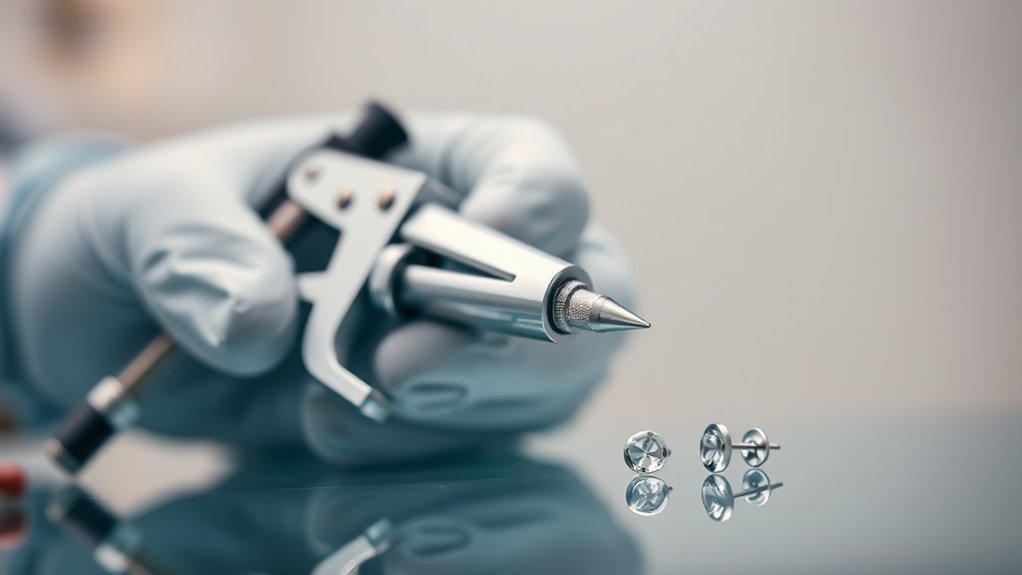
A piercing gun is generally safe only for earlobe piercings because it pushes a blunt stud through the skin, causing more tissue trauma and increasing infection risks.
Piercing guns are harder to sterilize properly, which can lead to contamination and complications. Additionally, they can damage blood vessels or nerves, resulting in longer healing times and potential scarring.
For piercings in cartilage or other sensitive areas, using a sterile needle is safer and more precise. Needles create a clean hole with minimal tissue damage, reducing the risk of infection and promoting faster healing.
If you need a piercing beyond the earlobe, it is important to choose the right method for your safety.
Keep exploring to understand when and why needles are the better choice for body piercings. Making an informed decision helps ensure a safe and successful piercing experience.
Key Takeaways
- Piercing guns cause blunt trauma and tissue crushing, increasing pain, scarring, and healing time compared to needles.
- Guns are harder to sterilize, raising infection risks due to potential bacteria and cross-contamination.
- Piercing guns are only recommended for earlobe piercings and not safe for cartilage or sensitive areas.
- Professional hygiene practices and single-use cartridges improve safety but do not eliminate risks inherent to guns.
- Needles offer safer, more precise piercings with reduced tissue damage and better healing, making them preferable over guns.
How Does a Piercing Gun Work Compared to a Needle?
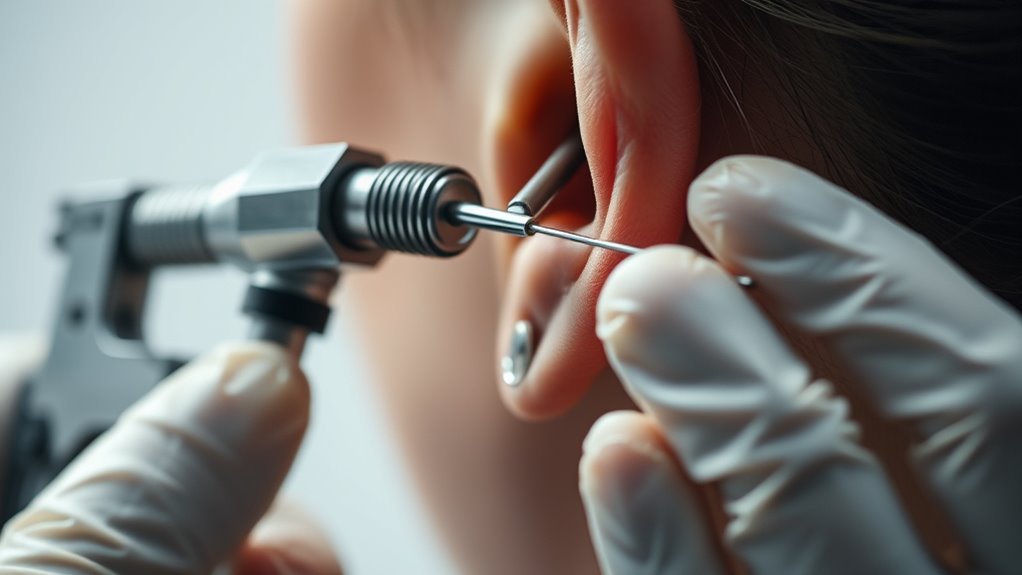
While both piercing guns and needles are designed to create holes in the skin for jewelry, they work in very different ways. When you use a piercing gun, it works by forcefully pushing a blunt, hollow stud through your skin in a single, rapid motion. This method is quick but doesn’t remove any tissue; it essentially crushes the skin as it goes through.
On the other hand, a piercing needle is sharp and hollow, designed to cleanly cut through a small piece of tissue. When you get pierced with a needle, it creates a precise hole by removing tissue, allowing for less trauma and a cleaner wound. You’ll notice that needles are often preferred by professionals because they’re more controlled and less damaging to your skin.
What Are the Main Safety Risks of Piercing Guns?
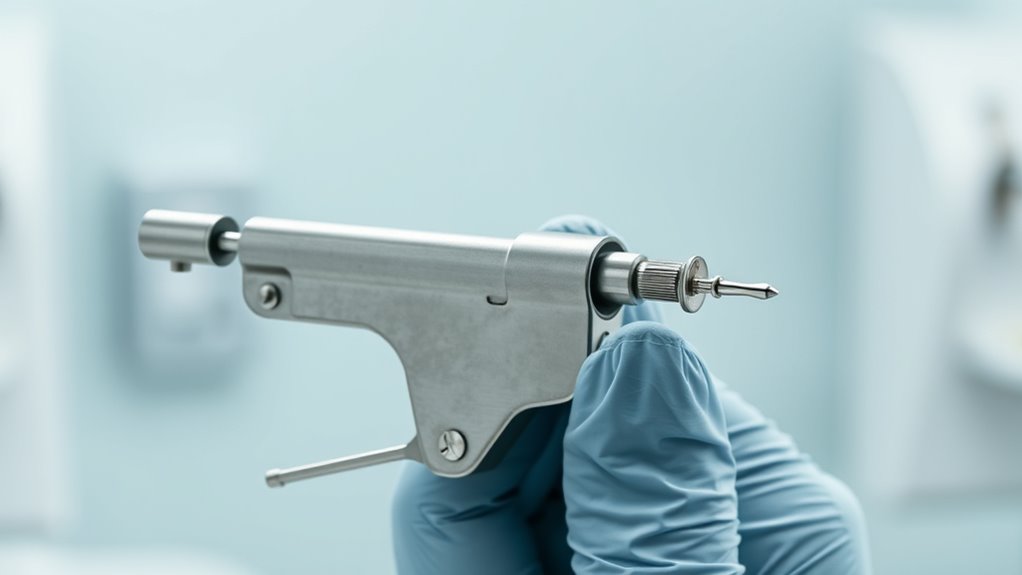
Because piercing guns use a blunt force to push jewelry through your skin, they carry several safety risks that you should be aware of. The impact can cause tissue damage, increasing pain and swelling. Additionally, piercing guns are harder to sterilize, raising the risk of infection.
They also lack precision, which might lead to improper placement or injury to blood vessels and nerves.
Here’s a quick look at the main safety risks:
| Safety Risk | What It Means for You |
|---|---|
| Tissue Damage | More pain, swelling, and slower healing |
| Infection Risk | Higher chance due to less thorough sterilization |
| Poor Precision | Piercing may not be placed correctly |
| Cross-Contamination | Guns are often reused, increasing infection risk |
Understanding these risks helps you make a safer choice when considering a piercing method.
How Do Piercing Guns and Needles Differ in Tissue Damage?
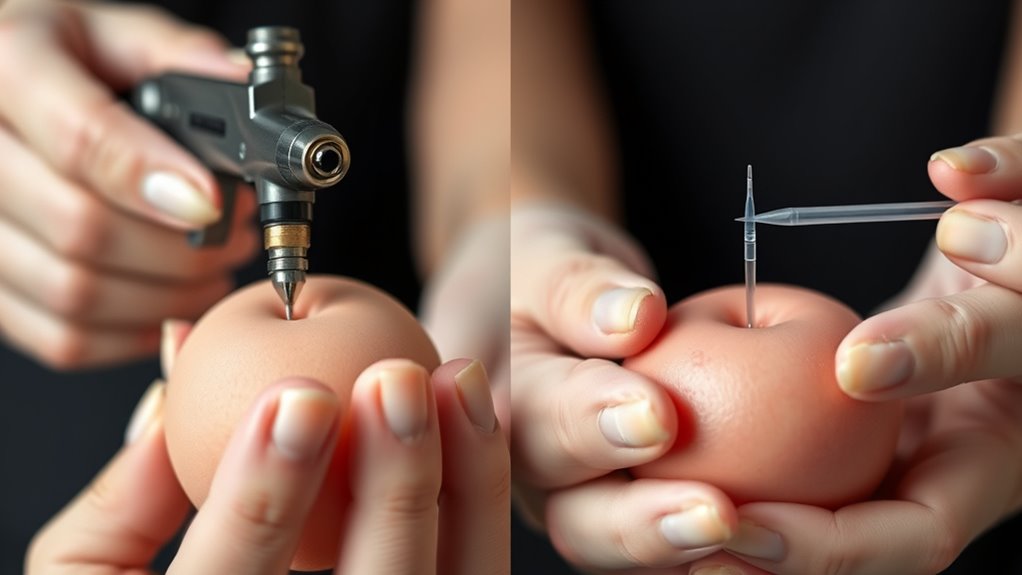
When you get pierced with a gun, the tissue is forced apart quickly, which can cause more trauma compared to a needle’s clean puncture. This difference affects how your skin heals and the likelihood of scarring.
Understanding these impacts helps you make safer choices for your piercing.
Tissue Impact Comparison
Although both piercing guns and needles serve the same purpose, they impact tissue quite differently, which affects healing and safety. When you use a piercing gun, it forces a blunt stud through the tissue with a sudden, forceful impact, causing blunt trauma that can crush and tear the skin and cartilage.
In contrast, a needle is sharp and designed to cut cleanly through tissue, creating a precise hole with minimal damage to surrounding areas. This difference means that piercing guns tend to cause more tissue trauma, which can increase pain and the risk of complications. Needles, on the other hand, are more controlled, reducing unnecessary tissue damage and promoting a safer piercing experience overall.
Understanding these differences helps you make an informed choice about your piercing method.
Healing and Scarring Differences
Since piercing guns cause more blunt trauma to the tissue, they often lead to longer healing times and more noticeable scarring compared to needles. When you get pierced with a gun, the forceful impact can crush tissue, increasing inflammation and delaying recovery. Needles, on the other hand, create a clean, precise hole by removing a small amount of tissue, which reduces damage and promotes faster healing.
Because of this, you might notice less swelling and minimal scarring with needle piercings. If you want your piercing to heal quickly and look better over time, choosing a needle piercing is usually the safer bet. Piercing guns may seem convenient, but their blunt trauma can cause unnecessary complications during the healing process, so it’s important to weigh these differences carefully.
What Infection Risks Come With Piercing Guns?
If you choose to get pierced with a gun, you should be aware that the risk of infection can be higher compared to professional needle piercings. Piercing guns are often made of plastic and metal parts that are difficult to completely sterilize between uses. This can allow bacteria and germs to linger, increasing the chance of infection at the piercing site.
Additionally, the blunt force of the gun can cause more tissue trauma, making it easier for bacteria to enter and cause inflammation or infection. Since piercing guns are commonly used in places like malls or retail stores, the environment may not always meet strict hygiene standards. If you notice redness, swelling, pain, or discharge after a gun piercing, these could be signs of infection and should be treated promptly.
To reduce risks, ensure the equipment is cleaned thoroughly and the staff follows proper hygiene protocols before you decide to get pierced with a gun.
Who Should Avoid Piercing Guns?
If you have sensitive skin, using a piercing gun might cause more irritation or damage than you expect. You should also think twice if you have certain medical conditions that affect healing or increase infection risk.
Knowing these factors can help you decide if a piercing gun is safe for you.
Sensitive Skin Risks
Why might piercing guns be a bad choice for those with sensitive skin? If you have delicate or easily irritated skin, the blunt force of a piercing gun can cause unnecessary trauma. This can lead to swelling, bruising, or even an increased risk of infection.
Piercing guns don’t allow for precise control, making them less suitable for sensitive areas.
Here’s a quick look at who should be cautious:
| Skin Type | Risk Level |
|---|---|
| Sensitive | High |
| Thin | Moderate to High |
| Inflamed | Very High |
| Allergic-prone | High |
| Healing or damaged | Very High |
If your skin falls into any of these categories, you might want to evaluate professional needle piercing instead.
Medical Conditions Considerations
Beyond sensitive skin, certain medical conditions can make using a piercing gun risky for you. If you have diabetes, especially if it’s poorly controlled, your body may struggle to heal properly, increasing infection risk. Blood disorders like hemophilia or clotting issues mean you could bleed excessively, making a piercing gun unsafe.
Autoimmune diseases or conditions that weaken your immune system, such as HIV, can also raise your chance of complications. If you’re prone to keloids or abnormal scarring, a piercing gun might cause problematic tissue growth. Always consult your healthcare provider before getting pierced if you have any of these conditions.
Choosing a professional who uses a sterile needle is often safer, as piercing guns can cause more trauma to the tissue.
How Can You Reduce Risks When Using Piercing Guns?
Although piercing guns are popular for their convenience, you should take specific precautions to minimize potential risks. First, always guarantee the gun and its components are thoroughly cleaned and sterilized before use. Avoid using piercing guns for anything other than earlobes, as they’re not designed for cartilage or other sensitive areas.
You should also check that the gun uses single-use, sterile cartridges to prevent cross-contamination. Don’t rush the process—making sure the piercing is correctly positioned reduces the chance of complications. Aftercare is vital; follow the recommended cleaning routine to avoid infections.
If you notice excessive redness, swelling, or pain, seek medical advice promptly. Finally, consider your own health conditions, such as allergies or immune system issues, before deciding to use a piercing gun. By taking these steps, you can greatly reduce the risks associated with piercing guns and enjoy your new jewelry safely.
How Do You Spot a Professional Piercing Gun Service?
When choosing a piercing gun service, you’ll want to look for clear signs of professionalism to guarantee safety and quality. First, check if the staff is trained and knowledgeable about hygiene and piercing techniques. They should use single-use, sterilized cartridges instead of reusable guns, which helps prevent infections.
The environment should be clean and well-organized, with visible sanitation practices like gloves and disinfectants. Don’t hesitate to ask about their sterilization methods and piercing experience. A reputable service will be transparent and willing to answer your questions.
Also, look for reviews or ask for recommendations to confirm their reliability. Avoid places that rush the process or pressure you into decisions. Remember, a professional piercing gun service prioritizes your health and comfort over quick profits.
Piercing Guns vs. Needles: Pros and Cons
If you’re deciding between a piercing gun and a needle, it helps to know the key differences in how they work and what that means for your safety and comfort. Piercing guns use a spring-loaded mechanism to force a sharp earring through the earlobe, while needles create a clean hole by cutting through tissue. Each method has its pros and cons you should consider.
| Aspect | Piercing Gun | Needle |
|---|---|---|
| Speed | Fast and convenient | Slightly slower, requires skill |
| Pain | Can be more painful due to blunt force | Typically less painful with clean cut |
| Hygiene | Hard to sterilize fully | Single-use, sterile needles |
| Precision | Less precise, mainly for earlobes | Highly precise, suitable for all areas |
| Healing | Higher chance of trauma and swelling | Generally cleaner healing process |
This comparison helps you weigh safety, comfort, and healing when choosing your piercing method.
When Is It Safer to Choose a Needle Over a Piercing Gun?
Since needles offer greater precision and sterility, you’ll find them safer for piercings beyond the earlobe or when hygiene is a top priority. If you’re getting pierced on delicate areas like cartilage, nose, or eyebrows, a needle minimizes tissue damage and reduces infection risk. Piercing guns can cause blunt trauma to thicker tissues, increasing pain and healing time, so selecting a needle in these cases makes sense.
You’ll also want to opt for a needle if you have sensitive skin or allergies, as sterile, single-use needles ensure a cleaner process. Additionally, if you’re concerned about cross-contamination, needles are a safer bet since piercing guns can be harder to sanitize properly. When precision and proper placement matter most, a professional piercer using a needle will give you better results.
Frequently Asked Questions
Can Piercing Guns Be Used on Cartilage Piercings?
You shouldn’t use piercing guns on cartilage piercings because they can cause serious damage and infections.
Instead, you’ll want a professional piercer using a needle designed specifically for cartilage to guarantee safety and proper healing.
What Materials Are Piercing Gun Studs Typically Made Of?
Piercing gun studs are usually made of surgical steel, titanium, or sometimes nickel alloys—like a mixed bag of metals. You’ll want to check for hypoallergenic materials to avoid irritation or infection during healing.
How Long Does It Take for a Piercing Done With a Gun to Heal?
It usually takes about 6 to 8 weeks for a piercing done with a gun to heal, but healing times can vary.
You’ll need to keep it clean and avoid irritation to help it heal properly.
Are Piercing Guns Reusable or Single-Use Devices?
Piercing guns are usually reusable, but you’ll want to know they often use single-use, disposable cartridges for hygiene.
You can’t just swap needles like in professional piercing tools, so cleaning and safety might still concern you.
Can Children Safely Get Piercings With a Piercing Gun?
You shouldn’t have children use piercing guns because they can cause more pain and damage than professional needles. It’s safer to choose a trained piercer who uses sterile, precise tools designed for delicate skin like kids’.
Conclusion
So, you want to stick a shiny thing in your ear with a piercing gun? Sure, why not risk a bit of tissue trauma and a potential infection for the sake of speed and convenience?
Needles are slow and sterile, but who needs that when you can have a quick pop and a possible trip to the doctor? If you’re craving excitement and a little chaos, piercing guns are your wild ride.
Otherwise, maybe stick with needles. When considering whether a piercing gun is safe, remember that needles offer a more controlled, hygienic option with less risk of complications.