What Is a Holster Claw and How Does It Work?
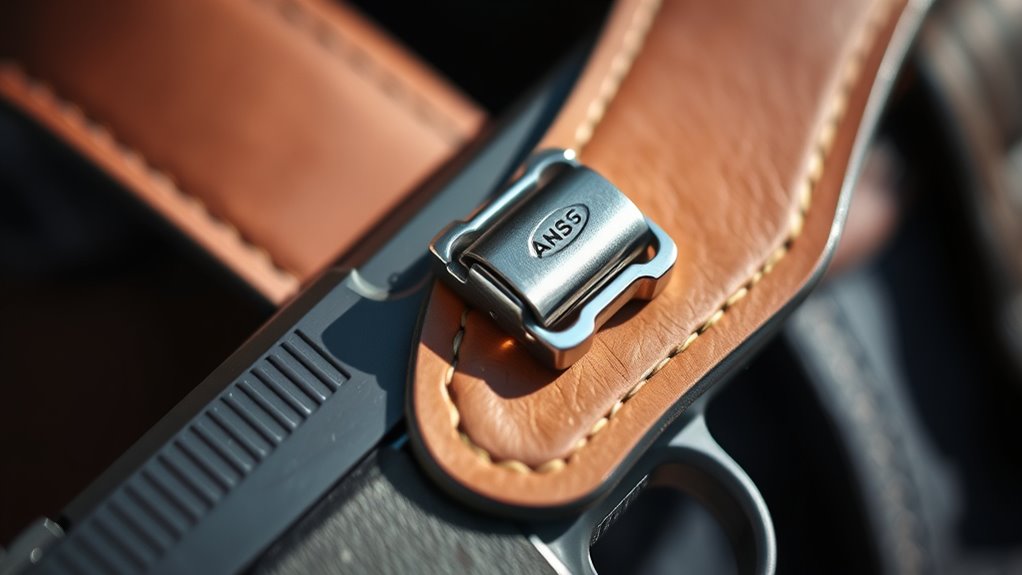
A holster claw is an essential accessory designed to enhance firearm concealment and stability. It is a small attachment on your holster that presses your firearm’s grip inward against your body. This feature significantly reduces printing, keeping your gun concealed and stable during movement.
By holding the gun close, the holster claw helps the holster stay snug, preventing shifting or bouncing. This provides a smoother, quicker draw when you need it most.
Holster claws come in various types and materials, each tailored for comfort and security.
If you want to understand how to adjust and choose the right one, there’s more to explore. Knowing how a holster claw works can improve your overall carry experience and effectiveness.
Key Takeaways
- A holster claw is a small, curved attachment that presses the gun’s grip against the body to reduce printing and improve concealment.
- It stabilizes the firearm by preventing shifting and maintaining a consistent angle on the wearer’s hip.
- The claw works passively by applying inward pressure, pulling the gun closer to the body for better concealment without restricting draw speed.
- Different types include paddle claws, belt clip claws, and hybrid versions, each offering unique mounting and stability features.
- Made from durable polymers or metals, holster claws enhance retention and comfort by securely fitting the holster to the wearer’s body.
What Is a Holster Claw and Why It Matters
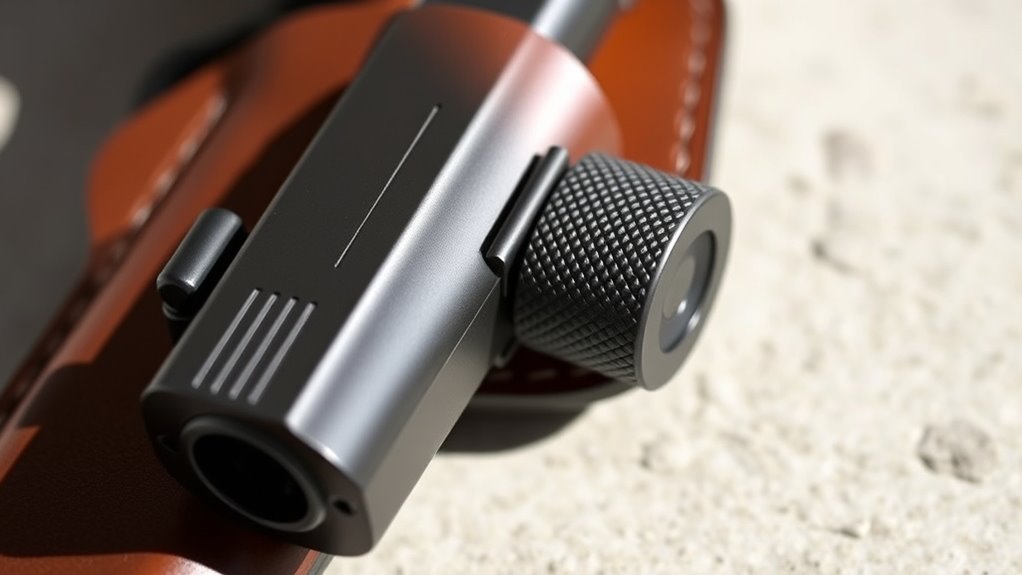
What exactly is a holster claw, and why should you care about it? A holster claw is a small, curved piece attached to the front of certain handgun holsters. Its main job is to press against the side of your gun’s grip or the body, depending on the design.
This might sound minor, but it plays a key role in how your gun sits against your body when you carry it. When you wear a holster with a claw, it helps position the gun closer to your hip, reducing printing—the outline of your firearm showing through your clothes. This means you can keep your weapon more discreet without sacrificing comfort.
The claw also helps stabilize the gun’s angle, so it doesn’t shift or move awkwardly as you go about your day. Basically, the holster claw subtly enhances your carry experience by improving how your firearm fits and feels against you.
How Holster Claws Improve Gun Retention
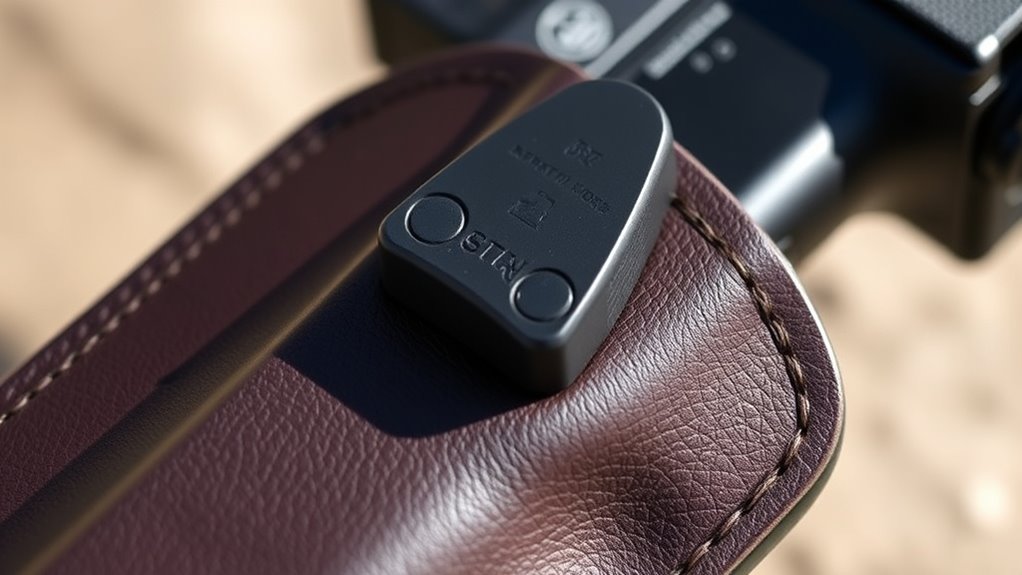
You’ll notice that a holster claw enhances grip stability by pressing the gun firmly against your body. This reduces unwanted movement, keeping your firearm securely in place.
With less shifting, you’ll have quicker, more reliable access when you need it.
Enhanced Grip Stability
How does a holster claw actually enhance your grip stability? When you draw your firearm, the claw presses against your belt or waistband, creating a counterforce that helps keep the holster firmly in place. This resistance stops the holster from shifting or twisting as you grip your gun, allowing your hand to maintain a consistent, reliable hold.
Because the holster stays steady, you can focus solely on your draw without worrying about adjusting your grip mid-motion. This increased stability reduces the chance of fumbling or dropping your weapon during critical moments. Ultimately, a holster claw supports a more confident, controlled draw, improving your overall handling and readiness.
It’s a simple addition that makes a significant difference in your firearm retention and control.
Reduced Gun Movement
Although a holster claw primarily enhances grip stability, it also plays a crucial role in reducing gun movement while you carry. By pressing the firearm closer to your body, the claw minimizes shifting, bouncing, or rotating during daily activities. This improved retention not only increases comfort but also helps keep your firearm securely in place, preventing unwanted exposure or accidental drops.
You’ll notice better control and confidence, especially when moving quickly or bending.
| Benefit | Description |
|---|---|
| Minimizes Shifting | Keeps the gun snug against your body |
| Prevents Bouncing | Reduces vertical and horizontal movement |
| Enhances Retention | Decreases risk of accidental dislodging |
| Improves Comfort | Less distraction from gun movement during wear |
How Holster Claws Help Reduce Printing
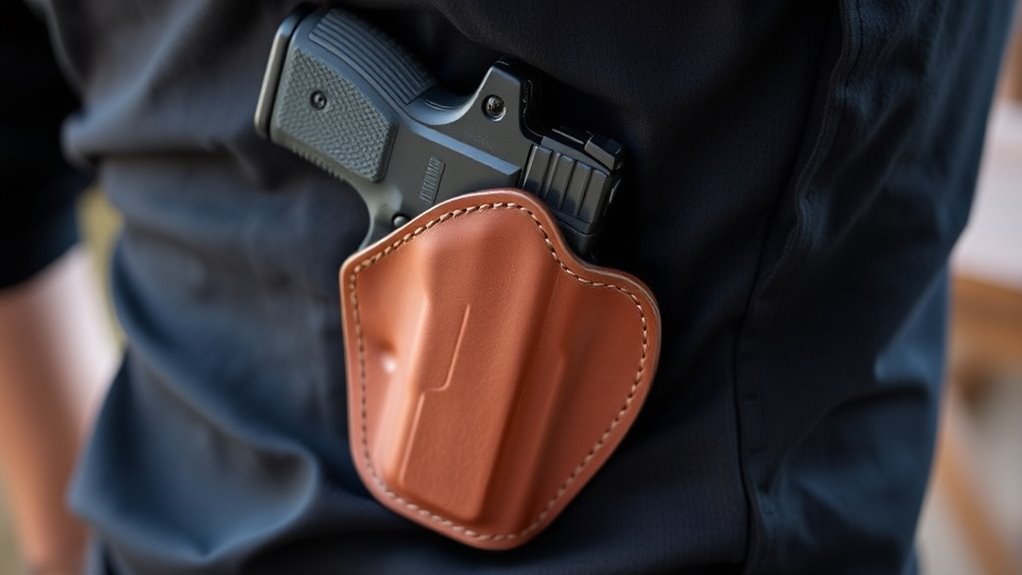
Since printing can easily give away your concealed carry, a holster claw plays a crucial role in minimizing that telltale outline. By applying pressure to your firearm’s grip or slide, the claw presses the gun closer against your body, effectively shifting it inward. This inward shift reduces the firearm’s profile, making the shape less visible through clothing.
When you move, the claw helps keep the gun snug against you, preventing it from shifting outward and creating a noticeable bulge. This is especially helpful with thinner or lighter clothing, where printing is more likely to occur. Fundamentally, the holster claw redistributes how the firearm sits, controlling and compressing its position to blend more naturally with your body’s contours.
If you want to maintain discretion and avoid unwanted attention, a holster claw is a smart addition to your concealed carry setup. It helps guarantee your firearm stays concealed without sacrificing accessibility or comfort.
Types of Holster Claws and How They Work
You’ll find several types of holster claws, each designed to keep your firearm secure and reduce printing in different ways. Paddle claws hook onto your waistband, while belt clip claws attach directly to your belt for added stability.
There are also hybrid designs that combine features from both for maximum comfort and concealment.
Paddle Claw Mechanism
How does a paddle claw mechanism enhance your holster’s grip and stability? This design combines a broad paddle that sits inside your waistband with a claw attachment that presses firmly against your belt or body. The claw prevents the holster from shifting or tilting when you draw your firearm, maintaining consistent positioning.
Unlike other claws, the paddle’s wide surface distributes pressure evenly, giving you a secure hold without discomfort. It’s especially useful if you want a holster that’s easy to put on and take off without removing your belt. Plus, the paddle claw mechanism works well with various clothing types, helping keep your firearm concealed and stable during movement.
Belt Clip Claw
Although belt clip claws differ from paddle claws in design, they offer a similarly effective way to secure your holster. Instead of a broad paddle that tucks inside your waistband, a belt clip claw attaches directly to your belt with a sturdy clip. This claw presses against your torso, creating tension that stabilizes the holster and prevents it from shifting or printing.
Because it grips your belt tightly, you get a secure hold without needing a full paddle’s surface area. This design is great if you prefer a lower-profile setup or wear slimmer belts. It’s also easier to adjust or remove quickly.
Hybrid Claw Designs
While traditional holster claws focus on either paddle or belt clip designs, hybrid claw designs combine features from both to offer enhanced stability and comfort. If you choose a hybrid claw, you get the secure grip of a belt clip with the quick-detach convenience of a paddle. This means your holster stays firmly in place during movement, reducing unwanted shifting or printing.
The hybrid design often includes adjustable tension, letting you customize how tightly the claw grips your belt or waistband. That way, you can balance retention with ease of access based on your daily activities. Ultimately, hybrid claws provide a versatile solution if you want both security and flexibility without sacrificing comfort throughout the day.
Best Materials for Holster Claws: Durability and Comfort
Choosing the right material for a holster claw is essential because it directly affects both durability and comfort during use. You’ll want a material that’s tough enough to withstand daily wear and tear but also comfortable against your body. Commonly, high-quality polymer or reinforced plastic is preferred for holster claws.
These materials offer excellent strength without adding unnecessary bulk or weight, ensuring your claw holds firmly against your body while staying discreet. Metal claws, often made from stainless steel or aluminum, provide superior durability but can sometimes feel rigid or heavy, which might reduce comfort during long wear.
On the other hand, some hybrid materials combine polymer bases with metal reinforcements to balance strength and flexibility. Ultimately, you’ll need to evaluate how the material feels against your skin, how it handles sweat and movement, and how well it maintains its shape over time. Picking the right material means your holster claw stays reliable and comfortable in everyday use.
Installing a Holster Claw on Your Holster
Before installing a holster claw, you’ll want to pick the right one that fits your holster and carry style.
Once you have the right claw, follow a simple step-by-step guide to attach it securely. This guarantees your firearm stays firmly in place for better comfort and control.
Choosing The Right Claw
Since holster claws come in different sizes and shapes, picking the right one for your setup is crucial to guarantee a secure fit and proper function. You’ll want to evaluate your holster’s design, the firearm’s size, and your preferred carry position. A claw that’s too large or small can cause discomfort or fail to properly anchor the holster.
Also, think about the material—some claws are flexible, while others are rigid, affecting how they grip your belt and distribute pressure. Make sure the claw complements your firearm’s profile to avoid printing or shifting during movement. Taking time to match the claw carefully will improve retention and comfort, giving you confidence that your holster stays in place throughout your daily activities.
Step-by-Step Attachment Guide
While installing a holster claw might seem tricky at first, following a clear, step-by-step process will make it straightforward and guarantee a secure fit. First, gather your tools—usually a screwdriver and the screws included with your claw.
Next, position the claw on the holster’s body, aligning it with the pre-drilled holes. Then, insert the screws through the claw into the holster, tightening them firmly but carefully to avoid stripping. Make sure the claw sits flush against the holster to ensure maximum retention.
After securing it, test the holster on your belt to confirm the claw hooks properly and provides the desired grip. Adjust screw tightness if needed. With these steps, your holster claw will enhance stability and comfort effectively.
How to Adjust Your Holster Claw for Comfort and Fit
Although adjusting your holster claw might seem tricky at first, it’s actually a straightforward process that can greatly enhance both comfort and retention. Start by loosening the screws holding the claw in place—this gives you room to reposition it.
Adjusting your holster claw is simple and can significantly improve comfort and retention.
Next, wear your holster as you normally would and gently move the claw to different angles and positions along the holster’s body. The goal is to find a spot where the claw presses lightly against your body, preventing the grip from printing without causing discomfort.
Once you find the sweet spot, tighten the screws securely but avoid overtightening, which could strip them or damage the holster. After adjustment, test your draw to ensure the claw doesn’t interfere with a smooth, quick release.
Keep in mind, small tweaks can make a big difference, so don’t hesitate to readjust until it feels just right. This simple tuning will improve both your carry comfort and gun retention.
Common Holster Claw Mistakes to Avoid
When you’re adjusting your holster claw, it’s easy to make mistakes that can compromise comfort or retention. One common error is overtightening the claw, which can dig into your body, causing discomfort during extended wear. Don’t assume tighter is always better; find a balance where the claw secures your firearm without causing pain.
Another mistake is neglecting to test your draw after adjustments. If the claw’s angle restricts a smooth draw, you’ll want to readjust it immediately. Also, avoid ignoring the holster’s material and your body shape—what works for someone else might not suit you.
Ultimately, don’t forget to check your claw’s screws regularly. Loose screws can reduce retention and create safety risks. By steering clear of these mistakes, you’ll ensure your holster claw enhances both comfort and function without any unexpected issues.
Who Benefits Most From Using a Holster Claw
A holster claw can be a game-changer if you carry concealed regularly and want to improve both comfort and firearm retention. If you struggle with printing or your firearm shifting during movement, a holster claw can help keep things secure and discreet.
It’s especially useful if you’re active or have a body shape that makes concealment tricky.
You’ll benefit most from a holster claw if:
- You carry appendix-style, where printing and comfort are common issues
- You engage in physical activities that could cause your firearm to move
- You want to enhance retention without adding bulk or straps
How Holster Claws Compare to Other Retention Accessories
If you find a holster claw improves your carry experience, you might wonder how it stacks up against other retention options. Unlike active retention devices like thumb breaks or straps, a holster claw works passively by pressing the firearm’s grip against your body, enhancing stability without extra manipulation. This means you can draw quickly without having to release a latch or button.
Compared to retention screws, which adjust tightness but don’t affect how the gun sits on your body, the claw provides a unique pressure point that reduces muzzle movement and printing. However, it doesn’t replace mechanical retention for security; it’s more about comfort and concealment. If you prioritize fast access and minimizing printing without added steps, a holster claw could be a better fit than traditional retention accessories.
Ultimately, it complements rather than replaces other retention methods, offering a balance between security, comfort, and draw speed.
Frequently Asked Questions
Can a Holster Claw Be Used With Any Handgun Model?
You can’t use a holster claw with every handgun model since it’s designed for specific shapes and sizes.
You’ll need to check compatibility with your particular firearm and holster to guarantee proper fit and function.
Are Holster Claws Legal in All States?
Do you really think holster claws are legal everywhere? No, they’re not legal in all states. You’ll need to check your local laws because regulations vary, and what’s allowed in one place might be restricted in another.
How Do Holster Claws Affect Quick Draw Speed?
Holster claws can slow your quick draw speed slightly because they add extra retention, making the gun harder to pull out instantly. However, with practice, you’ll adapt and maintain a balance between speed and security.
The added retention helps keep the firearm securely in place, reducing the risk of accidental discharges or drops. Over time, muscle memory develops, allowing for smoother and quicker draws despite the initial resistance.
Ultimately, holster claws provide enhanced safety without significantly compromising your draw speed once you become accustomed to their presence.
Can Holster Claws Cause Damage to the Firearm?
You wouldn’t expect a holster claw to be like a medieval sword causing damage, but yes, if it’s too tight or misaligned, it can scratch or wear your firearm’s finish over time.
Do Holster Claws Require Special Maintenance or Cleaning?
No, holster claws don’t need special maintenance or cleaning. Just check them occasionally for dirt or wear, and wipe them down with a damp cloth if needed.
Keeping your holster clean helps it work smoothly.
Conclusion
Using a holster claw is like adding a silent partner to your carry setup—working behind the scenes to keep your firearm secure and discreet. It improves retention and minimizes printing, making your carry more comfortable and confident.
By understanding how to adjust and choose the right claw, you’ll avoid common mistakes and get the most from this simple yet effective accessory.
Ultimately, a holster claw enhances both safety and comfort for any gun owner. Incorporating a holster claw into your everyday carry improves firearm retention, reduces printing, and boosts overall carrying comfort and security.