7 Facts About Whether Target Ammo Will Kill
You can kill with target ammo, but it really depends on shot placement and the situation.
Target rounds usually have full metal jackets, so they don’t expand and may over-penetrate, reducing stopping power. These characteristics make target ammo popular for practice and training.
However, they often lack the immediate incapacitation needed for effective self-defense.
While crucial hits can be lethal, relying solely on target ammo in a real threat is risky.
Understanding the strengths and limitations of target ammo is essential for making informed decisions about its use.
Key Takeaways
- Target ammo can kill if it hits vital organs but generally lacks the expansion needed for rapid incapacitation.
- Full metal jacket target rounds often over-penetrate, increasing collateral damage risk without stopping threats quickly.
- Target ammo is designed for accuracy and cost-effectiveness, not optimal stopping power in self-defense situations.
- Reliance on target ammo in defense may fail due to inconsistent velocities and poor performance through barriers.
- Hollow point or expanding rounds are recommended over target ammo for reliable threat neutralization and safety.
What Is Target Ammo and How Does It Differ From Defensive Rounds?
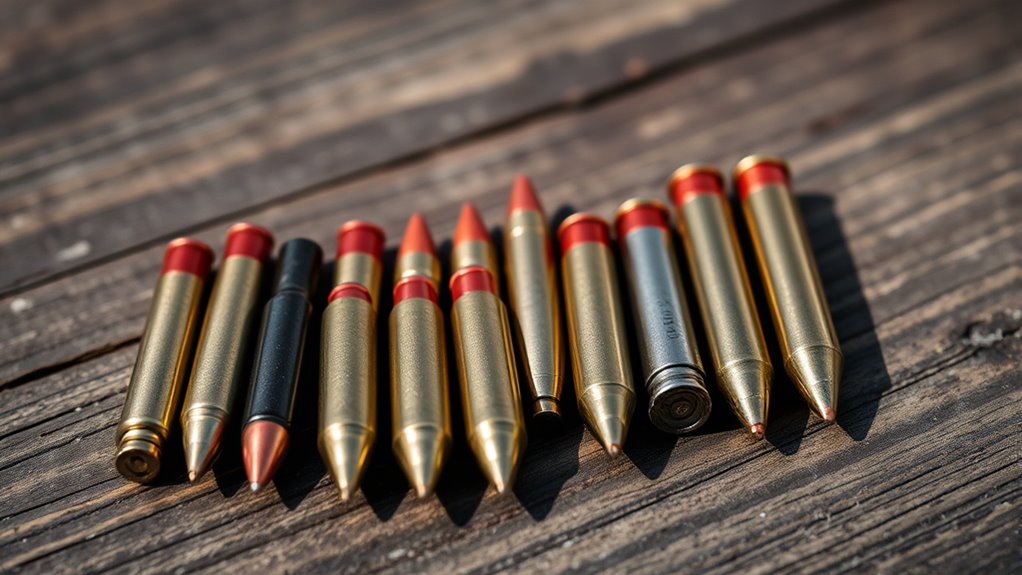
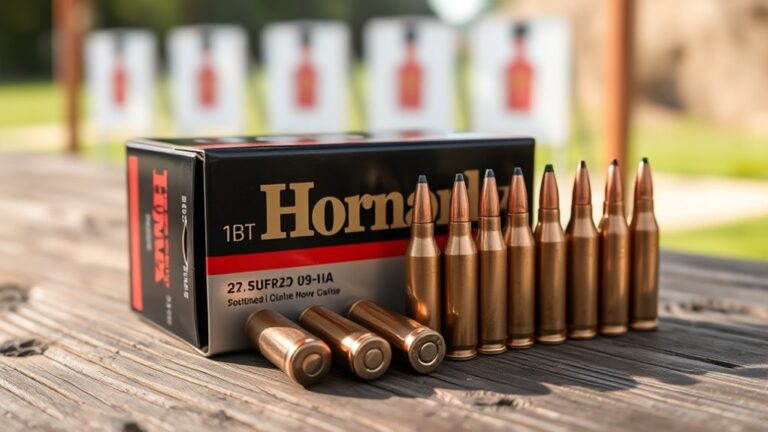
Although both target ammo and defensive rounds are designed to be fired from the same firearms, you’ll notice they serve very different purposes. Target ammo is primarily made for practice and training, focusing on accuracy and affordability. These rounds usually have full metal jackets, meaning the bullet is completely encased in a harder metal.
This design reduces barrel fouling and keeps costs down, but it doesn’t maximize stopping power.
On the other hand, defensive rounds are built to incapacitate threats effectively. They often feature hollow points or other expanding designs that increase damage upon impact. This expansion helps transfer more energy to the target and reduces the risk of over-penetration, which is essential in self-defense scenarios.
When you choose target ammo, you’re prioritizing consistent shooting practice, while defensive rounds are optimized for real-world protection, making their performance and design distinct from each other.
Can Target Ammo Actually Kill in Self-Defense?

When you think about using target ammo for self-defense, it’s important to evaluate its penetration power compared to defensive rounds. You need to understand how effectively it can impact vital organs to stop a threat quickly.
Let’s explore whether target ammo can truly do the job when your safety is on the line.
Penetration Power Compared
If you’re considering target ammo for self-defense, it’s important to understand how its penetration power compares to defensive rounds. Target ammo is designed for accuracy and cost-efficiency, not ideal penetration through barriers or tissue. Here’s how they stack up:
- Target Ammo: Usually full metal jacket (FMJ) rounds, they penetrate deeply but may over-penetrate, risking unintended damage without reliably stopping threats quickly.
- Defensive Ammo: Hollow point or soft point rounds expand on impact, increasing stopping power while limiting penetration to reduce collateral damage.
- Barrier Performance: Defensive rounds are typically better at penetrating barriers like clothing or drywall while still transferring energy effectively, whereas target ammo might either pass through too easily or fail to penetrate enough in critical situations.
Knowing these differences helps you make an informed choice for your safety needs.
Impact On Vital Organs
Even though target ammo isn’t tailored for stopping threats quickly, it can still cause lethal damage if it hits essential organs. When a bullet strikes the heart, brain, or major blood vessels, the damage can be catastrophic, regardless of the round’s design. Target ammo typically lacks the expansion or fragmentation features that increase stopping power,
but a well-placed shot to crucial areas can disrupt critical functions and lead to death. However, because target rounds often have lower velocity and penetration compared to defensive ammo, the likelihood of hitting these organs effectively is reduced.
Stopping Threat Effectively
While target ammo can cause fatal injuries by hitting essential organs, stopping a threat quickly is another matter. Target ammo is designed for accuracy and minimal expansion, meaning it might not incapacitate an attacker immediately.
When it comes to self-defense, you want rounds that create enough damage to stop the threat fast. Consider these factors:
- Penetration – Target ammo may not penetrate deeply enough to hit vital areas consistently.
- Energy Transfer – It often lacks the energy transfer needed to cause immediate incapacitation.
- Reliability – In a high-stress situation, stopping power matters more than precision alone.
How Bullet Design Influences Target Ammo’s Effectiveness
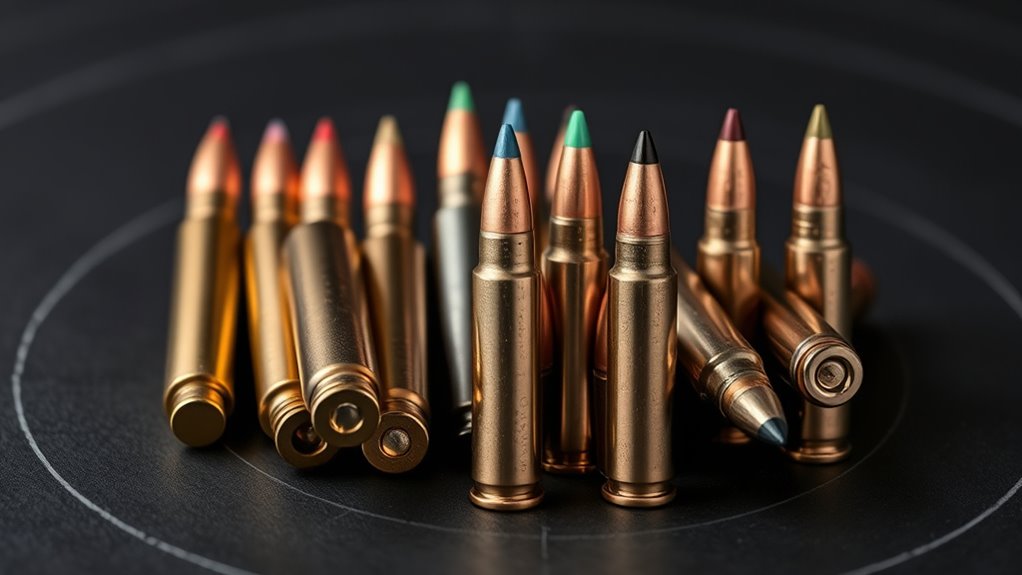
You’ll find that the bullet’s shape plays a big role in how it impacts a target, affecting both accuracy and damage. The materials used can change how the bullet behaves on impact, influencing penetration and expansion.
Plus, velocity directly affects how deep the bullet can penetrate, which is essential for effectiveness.
Bullet Shape And Impact
Because the shape of a bullet directly affects how it travels and impacts a target, understanding its design is key to evaluating target ammo’s effectiveness. Different bullet shapes influence accuracy, penetration, and energy transfer, all of which determine how the ammo performs upon impact.
Here’s what you should consider:
- Round Nose: Offers smooth feeding and reliable trajectory but less penetration and expansion, making it common in target practice.
- Hollow Point: Designed to expand on impact, causing more damage, but typically not used in standard target ammo.
- Boat Tail: Features a tapered base, improving aerodynamic efficiency for greater accuracy and stability over longer distances.
Material Composition Effects
Although bullet shape plays a major role in performance, the material composition of target ammo greatly affects its effectiveness too. When you choose target ammo, you’ll notice that most bullets are made from lead or a lead core with a copper jacket. Lead is dense and soft, which allows it to deform on impact, causing more damage.
Copper jackets, on the other hand, help maintain bullet integrity and reduce barrel fouling. Some target ammo uses frangible materials designed to break apart on impact, minimizing penetration and risk. The choice of materials influences not just accuracy but also how the bullet transfers energy on hitting a target.
Understanding these factors helps you pick ammo that balances precision with the intended stopping power, even if it’s primarily for target shooting.
Velocity And Penetration
When selecting target ammo, understanding how velocity and penetration work together can help you choose rounds that perform reliably. Velocity affects how fast the bullet travels, influencing its energy upon impact. Penetration determines how deeply the bullet enters the target, which depends on bullet design and speed.
Here’s what you should consider:
- Higher velocity generally means better penetration but can reduce bullet stability.
- Bullet shape, like pointed or hollow-point, affects how the bullet transfers energy and penetrates.
- Softer bullets may expand or deform, lowering penetration but increasing impact area.
Why Penetration and Expansion Matter for Target Ammo Stopping Power
Understanding penetration and expansion is crucial if you want target ammo to have effective stopping power. Penetration guarantees the bullet reaches vital organs or structures, which is necessary to incapacitate a threat. Without adequate penetration, the bullet might only wound superficial tissue, failing to stop an attacker quickly or effectively.
Expansion, on the other hand, refers to the bullet’s ability to increase in diameter once it hits the target. This expansion creates a larger wound channel, causing more damage and transferring energy more efficiently. For target ammo, which often lacks designed expansion features, this can mean reduced stopping power compared to defensive rounds.
If the bullet doesn’t expand, it might pass through the target without delivering maximum damage, limiting its effectiveness. So, when you consider target ammo for stopping power, remember that both penetration depth and bullet expansion play critical roles in determining how quickly and reliably it can neutralize a threat.
When Can Target Ammo Work for Self-Defense?
Penetration and expansion often determine how well a bullet performs in stopping a threat, but there are situations where target ammo can still be effective for self-defense.
Penetration and expansion are key, yet target ammo can sometimes serve effectively in self-defense situations.
While target ammo isn’t designed for maximum stopping power, you might find it useful in certain scenarios:
- Close Range Encounters: At very close distances, even target ammo can deliver enough force to stop an attacker, especially if you hit a vital area.
- Immediate Threat Neutralization: If your goal is to incapacitate quickly rather than cause lethal damage, target ammo could work, reducing the risk of over-penetration in crowded spaces.
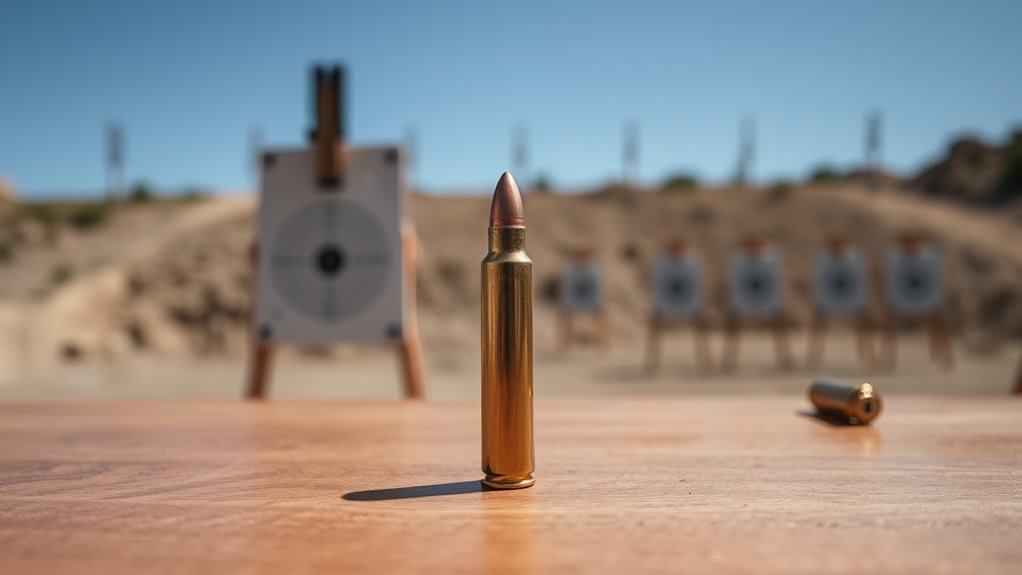
- Training and Familiarity: Using target ammo for practice helps build accuracy and confidence, which are essential if you ever need to defend yourself.
Risks of Relying on Target Ammo in Real Defense Situations
Although target ammo might seem like a reasonable choice for self-defense, you should be aware of its limitations in real situations. Target ammo is typically designed for accuracy and cost-efficiency, not stopping power. It often lacks the necessary expansion or penetration needed to quickly incapacitate a threat.
In a high-stress encounter, relying on this ammo can mean the difference between effectively neutralizing danger and leaving an assailant able to continue their attack. You also have to *factor in* that target rounds might not perform reliably through barriers like clothing or in less-than-ideal shot placements. This increases the risk that your defensive effort won’t have the intended effect.
Additionally, some target ammo may have inconsistent velocities, which can affect both accuracy and terminal performance under pressure. When your safety is on the line, these risks make relying solely on target ammo a gamble you probably don’t want to take.
Choosing the Best Ammo for Practice and Personal Protection
When selecting ammo for both practice and personal protection, you need to balance reliability, cost, and effectiveness. Not all ammo performs equally, so choosing the right type can make a big difference in your training and your safety.
Choosing the right ammo balances reliability, cost, and effectiveness for better training and personal safety.
Here’s how to approach it:
- Practice Ammo: Use affordable, full metal jacket (FMJ) rounds. They’re reliable for target shooting and help you build skills without breaking the bank.
- Personal Protection Ammo: Opt for hollow point or other expanding rounds designed to stop a threat quickly and reduce over-penetration risks. These rounds are tested for reliability and terminal performance.
- Consistency: Stick to ammo that functions well in your firearm. Switching too often might cause feeding issues or malfunctions when it counts.
Frequently Asked Questions
Is Target Ammo More Affordable Than Defensive Ammunition?
Yes, target ammo is generally more affordable than defensive ammunition because it’s designed for practice and not self-defense.
You’ll pay less since it doesn’t have expensive components like hollow points or specialty casings.
Can Target Ammo Be Used in All Types of Firearms?
Sure, you can try fitting target ammo in every firearm, like forcing a square peg in a round hole. But you’ll quickly find not all guns appreciate that mismatch—always check compatibility before you load and shoot.
How Does Target Ammo Affect Firearm Maintenance?
Target ammo generally produces less residue and fouling, so it can make cleaning easier and reduce wear on your firearm. However, regular maintenance is still essential to keep everything running smoothly and safely over time.
Are There Legal Restrictions on Purchasing Target Ammo?
You usually won’t face legal restrictions buying target ammo, as it’s considered standard practice for practice shooting. However, laws vary by location, so you should always check local regulations before purchasing to stay compliant.
Does Target Ammo Produce Less Recoil Than Defensive Rounds?
You’ll notice target ammo often produces about 30-50% less recoil than defensive rounds, making it easier to control. This reduced kick helps you practice accuracy without the fatigue or flinch from heavier recoil.
Conclusion
When it comes to target ammo, it’s essential to understand that while it can cause harm, it’s not designed for self-defense. Studies show that defensive rounds expand upon impact 90% more than target ammo, making them far more effective at stopping threats.
So, while target ammo is great for practice, you’ll want to choose specialized defensive rounds for personal protection. This ensures you’re truly prepared when it matters most. Understanding whether target ammo will kill is crucial for making informed decisions about your ammunition.