

How You Can Legally Ship Ammo to Your House
You can legally ship ammo to your house by carefully following federal laws and regulations. It’s important to use approved private carriers like FedEx or UPS, but only for ground shipping. This ensures your shipment complies with safety and legal standards.
Make sure your ammo is packed securely in its original packaging or a durable container. Clearly label the package with hazard warnings to inform carriers and handlers.
You’ll also need a valid ID and must avoid shipping ammo to prohibited persons.
Never use USPS for shipping ammunition, as it is not allowed. Stick to these basics to stay compliant and avoid legal issues.
Keep reading to discover essential tips and avoid common pitfalls when shipping ammo.
Key Takeaways
- Only licensed dealers can legally ship ammo to individuals; buyers must receive shipments from these dealers.
- Use original or durable packaging with cushioning to prevent damage and accidental discharge during transit.
- Choose ground shipping via FedEx or UPS, as USPS prohibits ammunition shipments to consumers.
- Clearly label packages with “Ammunition” and hazard warnings to comply with carrier and federal regulations.
- Provide valid government-issued ID and ensure compliance with all federal, state, and carrier documentation requirements.
How to Ship Ammo to Your Home Safely
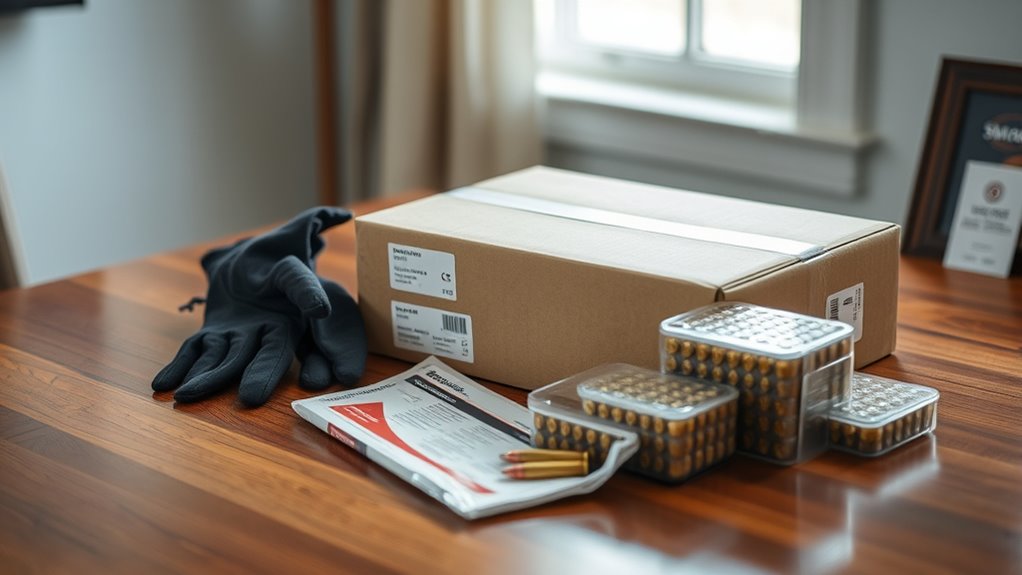
When you’re shipping ammo to your home, safety has to be your top priority. You should always use original packaging designed for ammunition, as it’s made to prevent accidental discharge and protect the rounds during transit. Make sure the ammo is securely packed and cushioned to avoid movement inside the box.
Label the package clearly and honestly, but avoid attracting unnecessary attention by overemphasizing the contents. Choose a reliable carrier experienced in handling hazardous materials, and verify their specific guidelines before shipping. Keep the shipment away from extreme temperatures and moisture to maintain the integrity of the ammo.
When you receive the package, inspect it carefully for damage or tampering before opening. If you follow these steps, you’ll minimize risks during shipping and ensure your ammo arrives safely at your home. Always prioritize cautious handling and proper packaging to keep yourself and others safe throughout the entire process.
Federal Laws Governing Ammo Shipping
Several federal laws regulate the shipment of ammunition to guarantee safety and legal compliance. When shipping ammo to your house, you need to follow the Gun Control Act and the Bureau of Alcohol, Tobacco, Firearms and Explosives (ATF) regulations. These laws specify that only licensed dealers can ship ammunition commercially.
However, you can receive ammunition directly if you purchase it from a licensed dealer. You must also guarantee the ammo is properly packaged to prevent damage or accidental discharge during transit. Federal law prohibits shipping ammo to certain prohibited persons, like felons or minors, so sellers verify your eligibility before shipping.
Additionally, you can’t ship ammo through the U.S. Postal Service; instead, private carriers must be used. Knowing these legal requirements helps you avoid penalties and ensures your package arrives safely. Staying informed on federal laws is the first step in legally and responsibly shipping ammo to your home.
Ammo Shipping Carrier Rules You Must Know
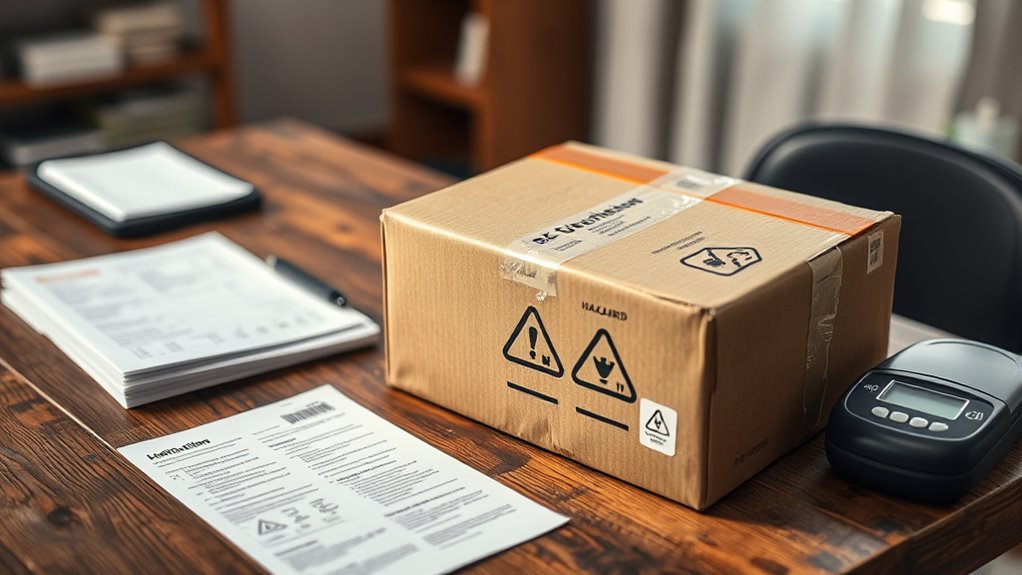
Although federal laws set the foundation for shipping ammo, you also need to understand the specific rules imposed by shipping carriers. Each carrier—like UPS, FedEx, and USPS—has its own restrictions and requirements. For example, USPS prohibits shipping ammo except by licensed manufacturers and dealers.
FedEx and UPS allow ammo shipments but require you to use ground services only, never air. You must properly package ammo in strong, secure containers and clearly label the package as containing ammunition. Carriers also expect you to follow the Hazardous Materials Regulations for packing and marking.
Additionally, some carriers limit the types and quantities of ammo you can ship. It’s crucial to check the carrier’s website or contact customer service to confirm current rules before shipping. By following these carrier-specific guidelines, you’ll avoid delays, fines, or refusal of your shipment.
Always double-check to verify compliance with both federal law and carrier policies when shipping ammo.
Required Documentation for Ammo Shipping
Because shipping ammo involves strict regulations, you’ll need to have the proper documentation ready before sending your package. First, verify you have a valid government-issued ID, like a driver’s license, to confirm your identity. Additionally, if you’re shipping ammo commercially or in large quantities, you may need an ATF Form 5300.4 (if required) or other federal permits depending on your state and the carrier’s rules.
When using common carriers like UPS or FedEx, you must complete any required shipping declarations or forms they provide, confirming that the package contains ammunition and complies with their policies. Keep in mind, some carriers require you to sign a hazardous materials shipping agreement.
Always check your state and local regulations, as some areas require extra paperwork or forbid ammo shipments entirely. Having all the correct documents prevents delays, fines, or confiscation, ensuring your ammo arrives safely and legally.
Safe Ammo Packaging Tips
When shipping ammo, you’ll want to choose durable packaging that can withstand handling and protect the contents. Clear labeling is also essential to guarantee safe and compliant transport.
Let’s go over some key tips to help you package your ammo properly.
Choosing Durable Packaging
How can you guarantee your ammo arrives safely and complies with regulations? Start by selecting packaging that’s tough and secure. Use sturdy, rigid containers like metal or heavy-duty plastic ammo boxes to protect against impacts.
If you don’t have those, opt for thick corrugated cardboard boxes with reinforced corners. Always cushion the ammo inside with foam, bubble wrap, or packing peanuts to minimize movement and shock during transit. Avoid using flimsy materials that can tear or crush easily.
Make sure the packaging is completely sealed with strong packing tape to prevent accidental openings. Durable packaging not only safeguards your shipment but also meets carrier requirements, reducing the risk of delays or damage. By choosing the right materials, you help assure your ammo reaches you intact and on time.
Labeling and Handling Guidelines
Once you’ve secured your ammo in durable packaging, the next step is to verify it’s labeled and handled properly. Proper labeling ensures your shipment complies with regulations and reaches you safely.
Here’s what you need to do:
- Use Clear Labels: Mark the package with “Ammunition” or “Small Arms Ammunition” as required by carriers and law. Include any hazard warnings if applicable.
- Follow Carrier Guidelines: Different carriers have specific rules for shipping ammo. Double-check their labeling requirements to avoid delays or refusals.
- Handle with Care Notices: Add “Fragile” or “Handle with Care” stickers to alert handlers, reducing the risk of rough treatment.
Choosing the Best Shipping Method and Avoiding Common Mistakes
Although shipping ammo might seem straightforward, choosing the right method is essential to guarantee safety and compliance with regulations. You’ll want to select carriers experienced with hazardous materials, like UPS or FedEx, as they follow strict protocols for ammunition transport. Always verify the carrier’s specific rules—some restrict certain types or quantities.
Opt for ground shipping when possible, since air transport has tighter restrictions and higher risks.
Avoid common mistakes like mislabeling packages or using inadequate packaging. Use sturdy, sealed containers designed for ammo, and clearly mark the box according to carrier requirements. Don’t forget to disclose the contents honestly during booking; failure to do so can lead to fines or shipment delays.
Frequently Asked Questions
Can I Ship Ammo Internationally to My Home?
No, you usually can’t ship ammo internationally to your home without following strict regulations. You’ll need proper permits, comply with both countries’ laws, and use licensed carriers to avoid legal trouble and guarantee safe delivery.
Are There Age Restrictions for Receiving Shipped Ammo?
Yes, you have to be at least 18 to receive rifle or shotgun ammo and 21 for handgun ammo in most places. Carriers will ask for ID to confirm your age before delivering it to you.
How Do State Laws Affect Ammo Shipment to My Address?
State laws can limit the types and quantities of ammo you can receive, and some states ban direct shipments entirely.
You’ll need to check your local regulations before ordering to avoid legal issues or package confiscation.
Can I Insure My Ammo Shipment Against Loss or Damage?
You can insure your ammo shipment against loss or damage, and coincidentally, many carriers offer specialized insurance for hazardous materials. Just make sure to check the carrier’s policies and disclose the shipment’s contents accurately for coverage.
What Should I Do if My Ammo Shipment Is Delayed or Lost?
If your ammo shipment’s delayed or lost, you should contact the carrier and seller immediately. Keep your tracking info handy, file a claim if needed, and stay patient while they investigate.
Don’t hesitate to follow up.
Conclusion
Now that you know how to ship ammo legally, you can follow federal laws, respect carrier rules, and prepare the right documents. You can pack your ammo safely, choose the best shipping method, and avoid common mistakes. By doing all this, you guarantee your shipment arrives securely and on time.
Remember, shipping ammo isn’t just about convenience—it’s about responsibility, safety, and staying informed every step of the way. Ensuring compliance with laws and regulations is essential for safe ammo shipping. Proper preparation and knowledge help make your ammo shipment smooth and secure.