Is PPU Ammo Banned in Your Area?
PPU ammo isn’t outright banned in most areas, but whether you can buy or use it depends heavily on local laws. Understanding the regulations surrounding PPU ammo is crucial to ensure compliance and avoid legal issues.
Federal rules generally allow its use, except for certain restricted types like armor-piercing rounds.
However, some states—such as California, New York, and New Jersey—impose limits on specific calibers or bullet types. It’s important to check your state’s specific regulations before purchasing or using PPU ammo.
If you discover any banned ammo in your possession, discard it promptly to stay within the law.
For those affected by restrictions, legal alternatives and options are available. These help you remain compliant while maintaining safety and effectiveness.
Always stay informed and choose responsibly.
Key Takeaways
- PPU ammo is generally legal federally but may be restricted or banned in certain states like California, New York, Massachusetts, and New Jersey.
- Armor-piercing PPU rounds are federally restricted and banned in most jurisdictions.
- State laws vary widely, so check local regulations regularly for specific PPU ammo restrictions.
- Remove and properly dispose of any banned PPU ammo promptly to avoid legal penalties.
- Consult local law enforcement or legal experts for guidance on PPU ammo legality and compliance in your area.
What Is PPU Ammo And Why It’s Popular
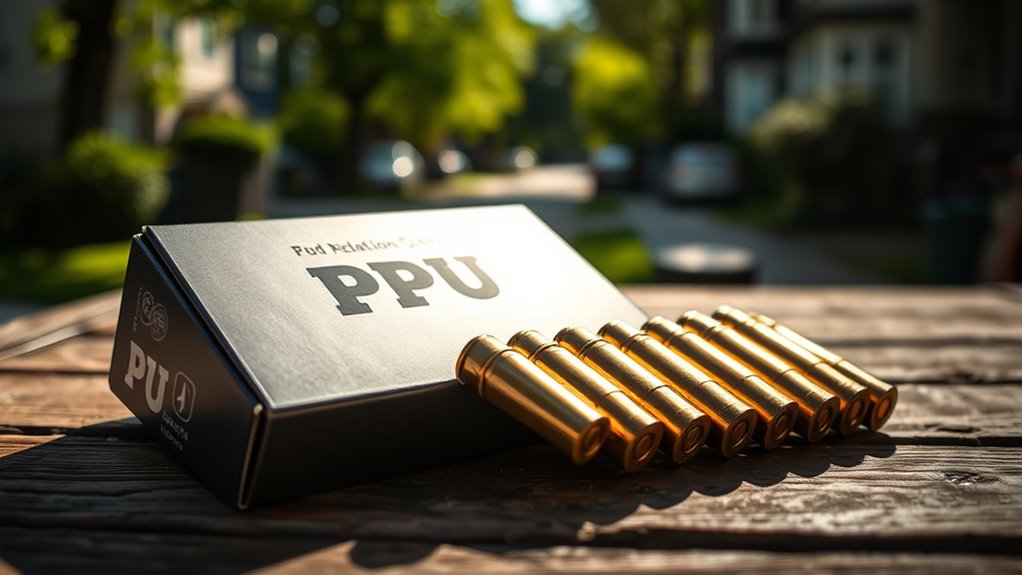
What makes PPU ammo stand out in the crowded ammunition market? You’ll find that PPU (Prvi Partizan) ammo is renowned for its consistent quality and reliability. Manufactured in Serbia, PPU ammo offers a wide range of calibers that cater to both casual shooters and serious hunters.
When you choose PPU, you’re getting brass-cased rounds that feed smoothly, which is vital if you want to avoid jams or misfires during use. You’ll also appreciate the affordability of PPU ammo—it provides great value without compromising performance. Many shooters trust it for target practice, competition, and even self-defense because it balances quality with cost.
Plus, PPU has a reputation for clean-burning powder, which means less residue in your firearm, making maintenance easier. Whether you’re a new shooter or experienced, PPU ammo’s consistent performance and availability make it a popular choice that you won’t regret trying out.
How PPU Ammo Stands Under Current US Federal Laws
When it comes to federal ammunition regulations, you might wonder where PPU ammo fits in. Understanding its legal status is key to knowing if you can buy or use it without issues.
Let’s explore how current US laws treat PPU ammo.
Federal Ammunition Regulations
How does PPU ammo fit within the framework of federal ammunition regulations? When you’re dealing with PPU ammo, it’s important to know that it generally complies with federal standards. The Bureau of Alcohol, Tobacco, Firearms and Explosives (ATF) regulates ammunition manufacturing and sales, and PPU ammo adheres to these rules.
Here’s what you should keep in mind: PPU ammo is manufactured following strict quality and safety guidelines. It’s legal to purchase and possess under federal law for most users. Certain types, like armor-piercing rounds, are restricted federally.
PPU ammo is subject to the same shipping and distribution regulations as other ammunition.
Legal Status Overview
Wondering if PPU ammo is legally safe for you to buy and use? Under current US federal laws, PPU ammo is generally legal for civilian purchase and use. It complies with the Bureau of Alcohol, Tobacco, Firearms and Explosives (ATF) regulations, meaning it’s not classified as armor-piercing or otherwise restricted.
However, federal laws set broad guidelines—you’ll want to confirm you’re following any additional state or local restrictions. For example, some states regulate specific calibers or bullet types differently. Also, federal law prohibits selling ammo to certain individuals, like felons or those under 18, so sellers must verify eligibility.
States That Restrict PPU Ammo
Although PPU ammo is popular among many shooters for its reliability and performance, you should know that some states have restrictions on its use or sale. These regulations often target specific types of ammunition or calibers, so it’s important to check local laws before purchasing or carrying PPU ammo.
Here are a few examples of states with notable restrictions:
- California: Limits on armor-piercing and certain high-capacity magazines.
- New York: Restrictions on hollow-point bullets and some calibers.
- Massachusetts: Requires specific permits and bans certain ammo types.
- New Jersey: Prohibits certain ammunition types deemed “unsafe” or “illegal.”
If you live in or plan to travel to these areas, make sure you understand the rules to avoid legal trouble. Always consult updated state laws or local authorities before buying or transporting PPU ammo.
Are There International Rules On PPU Ammo?
While regulations on PPU ammo vary widely from country to country, you’ll find that many nations have established rules governing its import, export, and civilian use. Internationally, there isn’t a single unified law specifically addressing PPU ammo, but you’re still subject to agreements like the Arms Trade Treaty, which controls the trade of conventional arms, including ammunition. This means if you’re shipping PPU ammo across borders, you need to comply with export controls and customs regulations of both the sending and receiving countries.
Additionally, some regions, like the European Union, have harmonized certain standards for ammunition to ensure safety and traceability. You should also be aware that international transport of ammo often requires permits and proper documentation to avoid legal issues. So, even if PPU ammo isn’t outright banned where you are, international rules and treaties can impact your ability to legally move or buy it across borders.
Always check both local and international regulations before making any transactions.
Which Ammo Types Like PPU Are Often Regulated Or Banned
Since international rules and treaties can affect how you handle PPU ammo across borders, it’s important to know which types of ammunition are commonly regulated or banned outright. While PPU ammo itself is generally accepted, certain ammo types similar to it often face restrictions due to safety, legality, or ethical concerns.
You’ll want to watch out for:
- Armor-piercing rounds: Designed to penetrate body armor, these are heavily restricted in many places.
- Incendiary bullets: Ammo that ignites on impact is often banned because of the fire hazard.
- Tracer rounds: These contain pyrotechnics to show the bullet’s path and may be limited due to fire risk.
- Explosive rounds: Bullets that detonate on impact are almost universally prohibited.
Knowing these distinctions helps you stay compliant and avoid trouble when handling or transporting ammo like PPU across different jurisdictions.
How To Check Local PPU Ammo Laws
Before you purchase or transport PPU ammo, you’ll want to check your local laws carefully to avoid any legal issues. Start by visiting your state or municipal government’s official website—many provide clear guidelines on ammunition regulations. You can also contact local law enforcement or the state’s Department of Public Safety for specifics.
Don’t forget to check if there are any recent changes or temporary restrictions on PPU ammo.
Here’s a quick reference table to help you visualize key steps:
| Step | Where to Look | What to Verify |
|---|---|---|
| 1. State Laws | State government site | Ammo legality and restrictions |
| 2. Local Ordinances | City or county websites | Additional local limits or bans |
| 3. Law Enforcement | Police or sheriff’s office | Enforcement policies and guidance |
| 4. Recent Updates | News or official announcements | Temporary or new restrictions |
| 5. Legal Consultation | Licensed attorney or expert | Clarification on complex rules |
Following these steps helps assure you stay compliant with all PPU ammo laws in your area.
What To Do If PPU Ammo Is Banned Where You Live
If you find that PPU ammo is banned where you live, don’t panic—there are still steps you can take to stay compliant and avoid legal trouble. First, you’ll want to remove any banned ammo from your possession promptly to avoid penalties.
If PPU ammo is banned locally, act quickly to remove it and stay compliant without worry.
Next, keep yourself informed by regularly checking updates on local laws, as regulations can change. It’s also smart to contact local law enforcement or a legal expert for advice tailored to your area. Finally, document your compliance efforts to protect yourself if questioned.
Here’s a quick checklist to guide you:
- Safely dispose of or surrender banned PPU ammo according to local rules
- Stay updated on ammo regulations through official government sites
- Seek legal advice if you’re unsure about the laws or your rights
- Keep records of any communications and actions you take regarding the ban
Following these steps helps you stay responsible and within the law.
Alternatives To PPU Ammo When Restrictions Apply
If PPU ammo is off-limits where you live, don’t worry—you’ve got options. You can look into popular non-restricted ammunition brands that meet your local laws. Another route is reloading or handloading your own ammo, which gives you more control and flexibility.
Popular Non-Restricted Ammunition
Though PPU ammo might face restrictions in certain areas, you can still find plenty of reliable alternatives that deliver great performance without the legal hassle.
When shopping for non-restricted options, look for brands and types that meet local laws but don’t compromise on quality or consistency.
Here are some popular non-restricted ammunition choices you might consider:
- Federal Champion: Affordable and widely available for target practice.
- CCI Blazer: Trusted for reliability in pistols and rifles.
- Winchester White Box: A solid choice for range sessions and training.
- Remington UMC: Known for clean shooting and dependable performance.
Reloading And Handloading Options
When legal restrictions limit your access to PPU ammo, reloading and handloading can offer a practical alternative that puts you in control of your ammunition supply. By assembling your own cartridges, you can select components that comply with local laws while tailoring loads to your specific needs. You’ll need the right equipment—press, dies, powder, primers, and bullets—but once set up, reloading can save money and guarantee consistent performance.
It also lets you avoid restricted components found in commercial ammo. Just be sure to follow safety guidelines and start with trusted load data to prevent accidents. With some practice and attention, handloading becomes a reliable way to keep shooting even when PPU ammo is banned or hard to find in your area.
Frequently Asked Questions
What Is the History of PPU Ammo Manufacturing?
You’ll find PPU Ammo started in the Czech Republic in 1924, originally producing military cartridges. Over time, they expanded into civilian ammunition, gaining a reputation for quality and reliability worldwide.
You can trust their long history.
How Does PPU Ammo Perform in Different Firearm Types?
You’ll find PPU ammo performs reliably across various firearms, offering consistent accuracy and clean cycling. It works well in pistols, rifles, and shotguns, making it a versatile choice for target shooting and hunting alike.
Are There Environmental Impacts of Using PPU Ammo?
Yes, you’ll notice PPU ammo poses potential pollution problems, primarily from lead and primer residues. You shouldn’t ignore its environmental effects, especially if you frequently fire, as buildup can burden soil and water with harmful heavy metals.
This pollution can accumulate over time, affecting local ecosystems and wildlife. Proper disposal and cleanup are essential to minimize these environmental impacts. Always consider using environmentally friendly alternatives when possible.
Can PPU Ammo Be Used for Competitive Shooting Sports?
Yes, you can use PPU ammo for competitive shooting sports since it offers reliable performance and consistent accuracy.
Just make sure it complies with your sport’s specific regulations and safety standards before you compete.
What Are Common Misconceptions About PPU Ammo?
You might think PPU ammo is some medieval relic, but it’s actually modern and reliable. Don’t assume it’s low quality or inconsistent; many shooters trust it for accuracy and performance in various firearms today.
Conclusion
So, you’re wondering if PPU ammo is banned in your area? Well, good luck maneuvering that thrilling maze of laws—because nothing says freedom like a confusing patchwork of restrictions!
If PPU ammo’s off-limits where you live, just remember: there’s always an alternative, probably just as fun to track down.
After all, why make ammo simple when you can turn buying bullets into an extreme sport? Stay sharp, detective! When it comes to whether PPU ammo is banned in your area, always check local regulations to stay informed and compliant.