How Will Tariffs Increase Ammo Prices?
Tariffs significantly increase ammo prices by raising the cost of essential raw materials like copper and lead. Import fees on key components such as primers and powders add to these expenses, making production more costly. These higher costs directly impact the overall price of ammunition in the market.
Additionally, tariffs slow down supply chains by causing delays and shortages of crucial materials. This disruption leads to less availability and increased demand, which further drives prices upward. Retailers must then pass these increased costs on to consumers, resulting in higher prices at the store.
Understanding how tariffs affect each stage of ammo production can help you budget smarter. By exploring these factors, you gain insight into why ammo prices rise and how to plan your purchases accordingly.
Key Takeaways
- Tariffs raise raw material costs like copper and lead, increasing manufacturing expenses for bullets and casings.
- Import duties on foreign ammo components add extra fees, further driving up production costs.
- Supply chain delays and higher logistics fees from tariffs cause shortages and increased operational costs.
- Distributors and retailers face squeezed margins, prompting them to raise retail ammo prices to cover expenses.
- Reduced availability and higher costs result in scarcity, leading to significant consumer price hikes for ammunition.
How Trade Policies and Tariffs Affect Ammo Prices

While it might not be obvious at first, trade policies and tariffs play a big role in how much you pay for ammo. When the government sets tariffs on imported ammunition or its components, it directly affects the overall cost of these products. Tariffs act like taxes on goods coming from other countries, so importers have to pay extra fees, which often get passed down to you, the consumer.
Additionally, trade policies can influence supply chains, availability, and competition in the market. If tariffs or restrictive trade agreements make it harder or more expensive to bring in foreign ammo, domestic suppliers might raise prices due to less competition. On the flip side, favorable trade agreements can lower import costs and boost supply, helping to keep prices stable or even lower.
How Tariffs Increase Ammo Manufacturing Costs
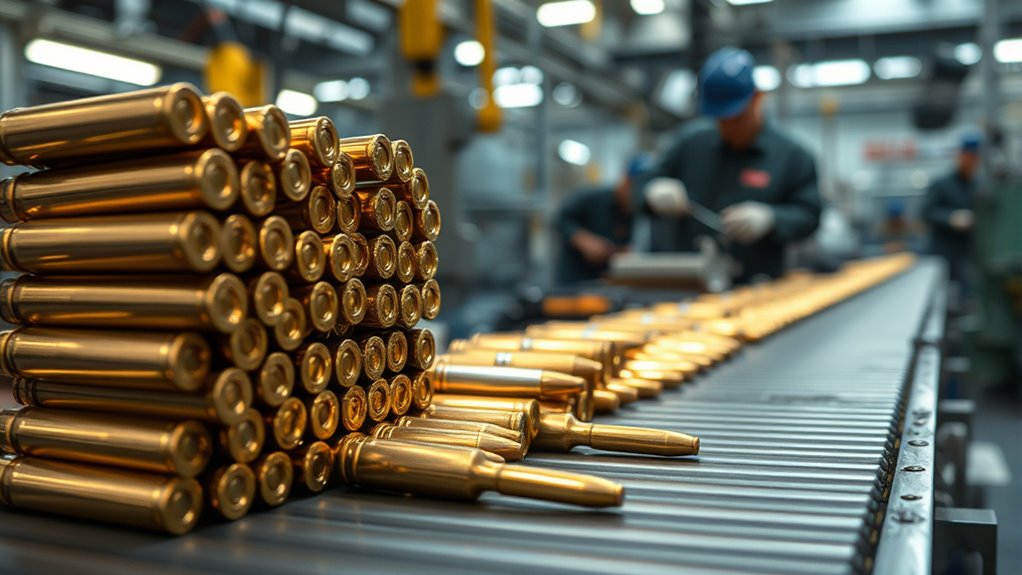
You might not realize how much tariffs drive up ammo manufacturing costs by increasing raw material prices. Import duties add extra expenses that manufacturers have to cover. On top of that, supply chain disruptions can slow production and push costs even higher.
Raw Material Cost Hikes
Because tariffs raise the price of essential raw materials like metals and chemicals, ammo manufacturers face higher production costs that inevitably get passed on to you. When metals like copper and lead become more expensive due to tariffs, the cost to produce cartridge cases and bullets rises.
Similarly, chemical components used in propellants and primers also see price hikes, further driving up expenses. These raw material cost increases directly affect ammo prices, making every round you buy more costly.
- Copper and lead prices surge with tariffs, affecting bullet and casing production costs.
- Chemical additives for gunpowder and primers become pricier, increasing manufacturing expenses.
- Fluctuations in raw material availability can cause unpredictable price adjustments.
You end up paying more, and it all starts with these raw material cost hikes.
Import Duty Impact
Although tariffs are often seen as a tool to protect domestic industries, they can substantially increase the import duties on essential components used in ammo manufacturing. When tariffs are imposed, you’ll find that the cost of importing primers, powders, and casing materials rises. These components are critical to producing reliable ammunition, and the added import duties mean manufacturers face higher expenses.
Since many ammo makers rely on global suppliers for these parts, tariffs directly inflate their production costs. As a result, ammo manufacturers often have no choice but to pass these increased costs onto you, the consumer, in the form of higher prices. Understanding this import duty impact helps explain why tariffs end up making ammo more expensive, even if domestic production remains unchanged.
Supply Chain Disruptions
When tariffs disrupt the flow of materials across borders, ammo manufacturers face delays and increased shipping costs that ripple through the supply chain. You might not realize it, but even a small hold-up in raw materials like brass, lead, or gunpowder can slow down production lines. These delays add up, forcing manufacturers to pay more for expedited shipping or source materials from costlier suppliers.
This squeeze directly impacts the price you pay at the store.
Here’s how tariffs complicate the supply chain:
- Longer lead times for critical components
- Increased logistics and customs fees
- Limited availability of alternative suppliers
All these factors mean manufacturers’ costs rise, and unfortunately, those costs usually get passed on to you in higher ammo prices.
Why Imported Ammo Components Raise Prices
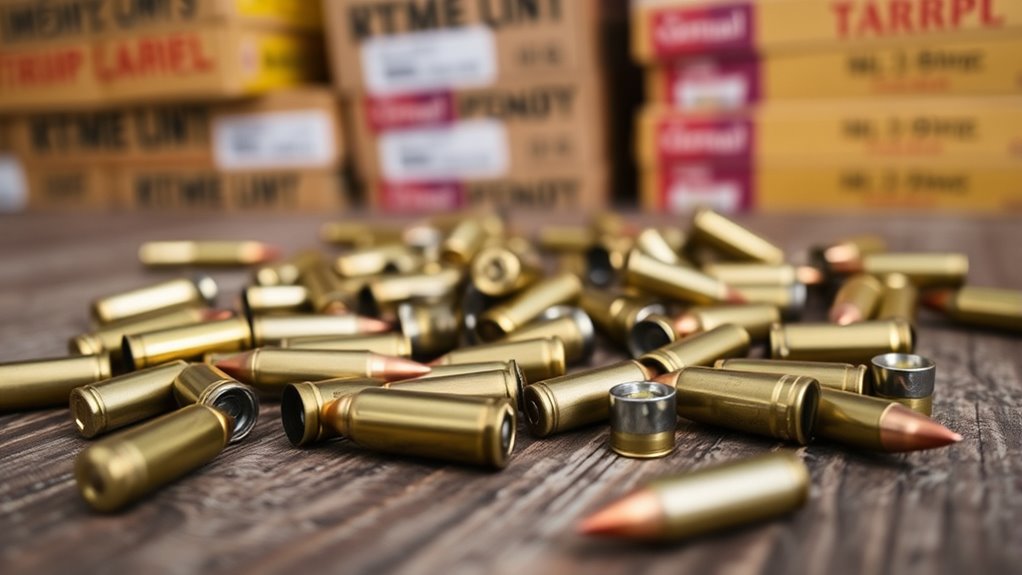
If you’re wondering why ammo prices keep climbing, a big part of the answer lies in the costs of imported components. Many ammo manufacturers rely on key parts like primers, powders, and casings sourced from overseas. When tariffs hit these imported components, the increased costs get passed on to you.
Additionally, currency fluctuations and shipping delays add more unpredictability to prices.
Here’s a quick look at how imported components impact ammo costs:
| Component | Impact on Price |
|---|---|
| Primers | Higher tariffs increase base cost |
| Powder | Limited suppliers raise prices |
| Casings | Shipping delays add to expenses |
Since you depend on these components for ammo, any rise in their cost directly raises what you pay at the store. Understanding this helps explain why tariffs on imports can quickly make ammo more expensive, even before it reaches retailers.
How Tariffs Affect Ammo Distributors and Retailers
You’re likely noticing that tariffs are pushing up operational costs for ammo distributors and retailers. These added expenses can disrupt supply chains, making it harder to keep products in stock.
Let’s explore exactly how these challenges affect the ammo market.
Increased Operational Costs
Although tariffs are designed to protect domestic industries, they often lead to higher operational costs for ammo distributors and retailers. When tariffs increase, these businesses face added expenses that get passed down to you, the consumer. It’s not just the cost of the ammo itself that rises; running the business becomes more expensive overall.
Consider these factors:
- Higher import duties on raw materials and components increase production expenses.
- Increased compliance and administrative costs to manage tariff-related paperwork.
- Elevated transportation and logistics fees due to tariff-induced changes in sourcing.
These added costs squeeze profit margins, forcing distributors and retailers to raise prices or cut back on services. So, when tariffs go up, expect to pay more at the counter, reflecting the increased operational burdens on ammo suppliers.
Supply Chain Disruptions
Rising operational costs from tariffs often go hand in hand with supply chain disruptions that further challenge ammo distributors and retailers. When tariffs increase, manufacturers may delay shipments or reduce production to cut costs, causing shortages. You’ll notice longer wait times and fewer options on shelves as distributors scramble to secure inventory.
Transportation costs rise too, as carriers pass on tariff-related expenses, impacting delivery schedules and reliability. These delays can disrupt your supply chain planning, forcing you to hold more stock or pay premium prices to fill gaps. Ultimately, these disruptions mean you’re likely to face higher costs and limited availability, which retailers pass on to you.
Understanding these ripple effects helps you anticipate price hikes and adjust your purchasing strategies accordingly.
How Supply Chain Delays From Tariffs Raise Ammo Prices
When tariffs disrupt the flow of raw materials and components, you end up facing longer wait times for ammo production. Tariffs act like roadblocks, slowing down the delivery of essential parts like brass casings, gunpowder, and primers. This delay forces manufacturers to adjust schedules, often pushing back shipment dates and reducing overall output.
Tariffs create roadblocks, delaying crucial ammo components and extending production timelines.
As a result, the ammo supply tightens, making it harder for you to find what you need promptly.
Here’s how these delays impact you directly:
- Extended lead times: You wait longer for manufacturers to restock ammo.
- Increased storage costs: Companies pay more to hold delayed inventory, which trickles down to you.
- Production bottlenecks: Limited access to components means factories can’t run at full capacity, shrinking supply.
These supply chain delays caused by tariffs ultimately slow production and limit availability, setting the stage for rising ammo prices.
Why Consumers Pay More for Ammo Due to Tariffs
Since tariffs increase the costs for manufacturers, those expenses are often passed directly on to you. When import duties rise, ammo producers face higher prices for raw materials and components, which means they have to charge you more to keep their business running.
You might notice this at the store as ammo prices spike, especially for imported brands or parts.
Here’s a quick look at how tariffs affect your ammo purchases:
| Impact Factor | How It Affects You |
|---|---|
| Raw Material Costs | Higher input prices increase retail costs |
| Import Duties | Added fees on foreign-made ammo raise prices |
| Limited Supply | Reduced availability drives prices up |
| Retail Markup | Stores increase prices to cover their costs |
Understanding these factors helps explain why you’re paying more at the counter, even if it feels sudden or unexpected.
How Shooters Can Prepare for Higher Ammo Prices
Although higher ammo prices can catch you off guard, there are practical steps you can take to ease the impact on your budget and shooting routine. Preparing ahead allows you to maintain your practice without breaking the bank. First, consider buying ammo in bulk when prices are still reasonable.
Stockpiling can shield you from sudden price hikes. Next, explore reloading your own ammunition if you have the skills and equipment—this can be a cost-effective alternative over time. Finally, prioritize your shooting sessions by focusing on quality over quantity, using practice drills that maximize your skills with fewer rounds.
- Buy in bulk during sales or before tariffs increase
- Learn and invest in reloading to reduce long-term costs
- Optimize training sessions to use ammo efficiently
Frequently Asked Questions
How Do Tariffs Impact Gun Prices Alongside Ammo?
Tariffs raise your gun prices because imported parts or finished products get more expensive. When manufacturers face higher costs, they pass them to you, making both guns and ammo pricier due to increased production expenses.
Are There Any Tariff Exemptions for Certain Ammo Types?
Yes, some ammo types, like certain hunting or sporting rounds, might get tariff exemptions, but it’s not guaranteed.
You’ll need to check specific trade agreements and regulations to see if your ammo qualifies for any relief.
How Do Global Political Tensions Influence Ammo Tariffs?
You’ll see global political tensions often lead to higher ammo tariffs as countries try to protect their industries or respond to conflicts. This makes ammo more expensive and harder to get, especially during unstable times.
When tensions rise, governments may impose tariffs to control supply and demand. These measures can restrict imports, impacting availability. Consequently, consumers face higher prices and limited options.
Can Tariffs Lead to Shortages in Ammunition Availability?
Yes, tariffs can cause ammo shortages; after a 25% tariff hike, some suppliers saw a 40% drop in imports.
You’ll find less ammo on shelves as manufacturers struggle with higher costs and reduced supply.
What Role Do Environmental Regulations Play in Ammo Pricing?
Environmental regulations raise your ammo costs by requiring safer, more expensive materials and processes. Compliance increases manufacturing expenses, which manufacturers pass on to you, so you end up paying more for ammo due to these stricter rules.
Conclusion
You might think tariffs only affect big businesses, but they hit you directly by raising ammo prices. When import costs climb, manufacturers, distributors, and retailers pass those expenses on to you. Supply chain delays make things worse, leaving you paying more at the counter.
Knowing this helps you prepare—stock up early or explore local options—so you’re not caught off guard when prices spike. Staying informed puts you ahead, saving you money and frustration. Understanding how tariffs increase ammo prices is key to managing your expenses effectively.