What Is an Appendix Carry Holster?
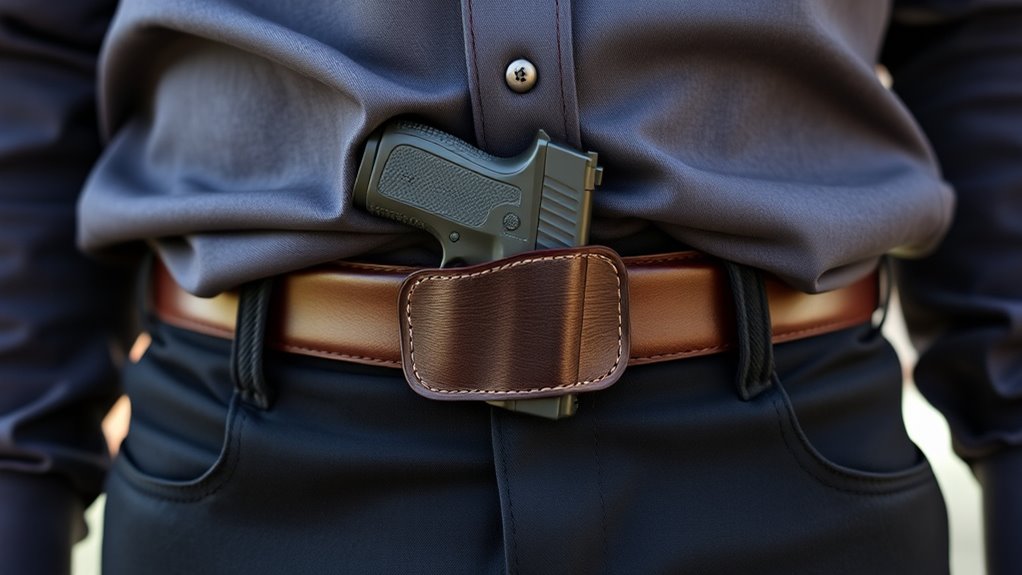
An appendix carry holster is a popular choice for those seeking a secure and easily accessible way to carry a firearm. This type of holster places your gun at the front of your waist, typically between 1-2 o’clock inside the waistband.
It offers quick and natural access, making it ideal for everyday concealed carry.
This carry position is excellent for concealing your firearm under clothing while keeping it close to your body. It also enhances comfort when sitting or moving, reducing discomfort often associated with other carry methods.
With an appendix carry holster, you can expect a smooth and efficient draw.
If you want to understand the best holster choices, safety tips, and how to carry comfortably, there’s plenty more to explore. Learning about proper appendix carry techniques can significantly improve your overall carry experience.
Key Takeaways
- An appendix carry holster is worn inside the waistband at the front, near the centerline, typically between 1 and 2 o’clock.
- It positions the firearm between the belly button and hip for natural, quick, and ergonomic access, especially when seated.
- This carry method offers excellent concealment with minimal printing and maintains a low-profile silhouette under clothing.
- Appendix holsters distribute the firearm’s weight evenly and enhance control due to proximity to the body.
- Popular holsters for appendix carry include hybrid leather-Kydex designs and breathable materials for comfort and retention.
What Is Appendix Carry And How Does It Work?
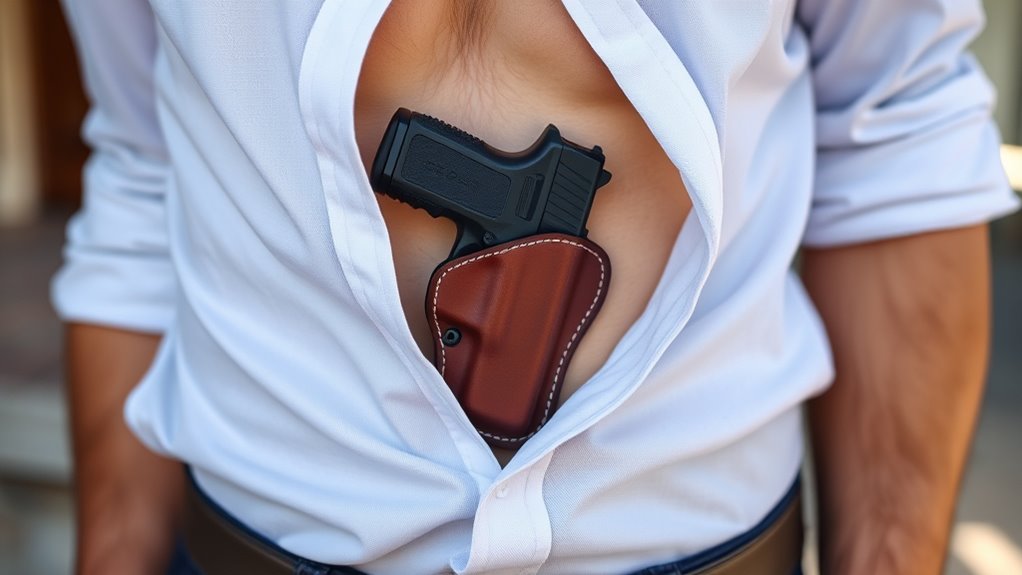
Although appendix carry might sound unfamiliar, it simply refers to carrying a handgun in a holster positioned at the front of your body, around the appendix area. This placement typically sits between your belly button and hip, making it easy to access your firearm quickly. When you carry this way, your gun rests in a natural draw position, allowing a smooth, fast reach with your dominant hand.
Appendix carry works by securely holding the firearm close to your body, which helps with concealment under clothing. The holster design ensures the gun stays stable, reducing movement as you go about your day. You’ll find that this method balances comfort and accessibility well, especially if you wear fitted clothing.
However, it’s important you practice safe handling and proper draw technique, as the position is near sensitive areas. Once you get used to it, appendix carry can become a convenient and efficient way to carry.
The Most Popular Appendix Carry Holsters And Their Features
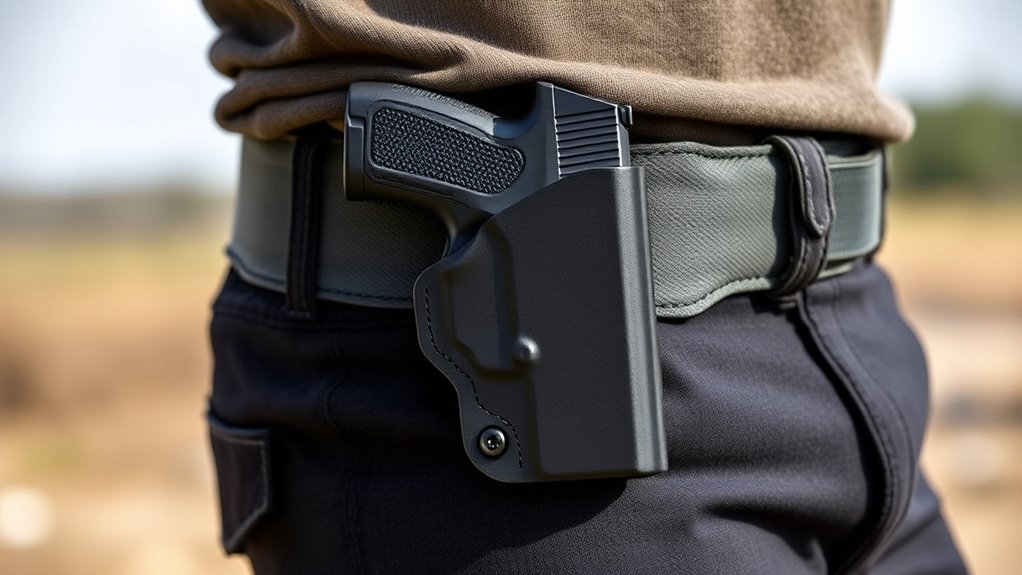
When choosing an appendix carry holster, you’ll want one that offers both comfort and secure retention. Popular options include the Alien Gear Cloak Tuck 3.5, known for its adjustable cant and breathable neoprene backing, and the Tulster Profile, praised for its low-profile design and solid Kydex construction.
The Vedder LightTuck is another favorite, offering excellent retention and a smooth draw. If you prefer leather, the StealthGearUSA Ventcore combines comfort with durability. Ultimately, the CrossBreed Appendix Carry holster blends leather and Kydex for a balanced feel.
Here’s a quick look at these popular holsters and their key features:
| Holster Name | Key Features |
|---|---|
| Alien Gear Cloak Tuck | Adjustable cant, neoprene back |
| Tulster Profile | Low-profile, durable Kydex |
| Vedder LightTuck | Strong retention, smooth draw |
| StealthGearUSA Ventcore | Breathable, leather comfort |
| CrossBreed Appendix | Hybrid leather-Kydex design |
Each offers a unique balance of comfort, retention, and concealability.
Why Choose Appendix Carry Over Other Methods
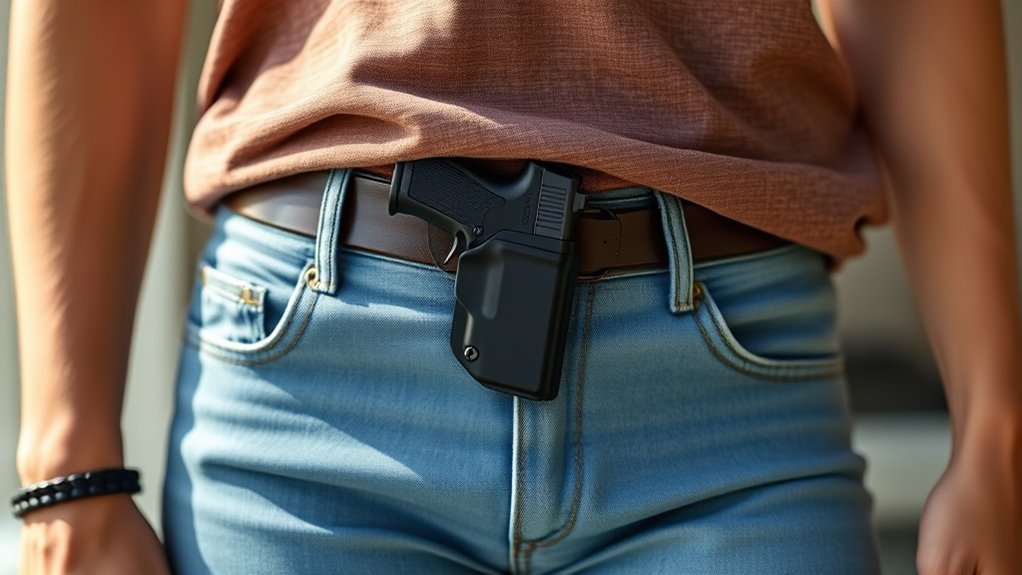
When you choose appendix carry, you get quick access to your firearm right at the front of your body. It also offers excellent concealment, making it easier to stay discreet.
Plus, many find it more comfortable and ergonomic compared to other carry methods.
Enhanced Accessibility Benefits
How quickly you can access your firearm can make all the difference in a critical moment. With appendix carry, your gun sits right at your front, making your draw faster and more intuitive compared to other positions. You won’t have to reach around your side or back, which can slow you down or become awkward under stress.
This placement also allows for a natural hand movement, so your reaction time improves considerably. Plus, when seated or in tight spaces, appendix carry keeps your firearm within easy reach without obstruction. If speed and ease of access are priorities for you, this carry method ensures you’re ready to respond promptly whenever needed.
Giving you an edge in self-defense situations.
Improved Concealment Advantages
Although many carry methods offer concealment, appendix carry stands out by keeping your firearm discreetly positioned without printing or bulging. This method places your gun in front of your body, minimizing noticeable outlines under clothing. You can wear tighter shirts without worrying about revealing your weapon.
Plus, appendix carry naturally aligns with your body’s center, reducing awkward angles that often give away other carry styles.
Here’s why appendix carry improves concealment compared to other methods:
- Keeps the firearm close to your body, reducing visible bulges.
- Works well with form-fitting clothing, avoiding obvious printing.
- Allows easy cover with light layers like untucked shirts or jackets.
- Prevents firearm movement during activities, maintaining a smooth silhouette.
Choosing appendix carry means better concealment without compromising quick access.
Comfort And Ergonomics
Beyond keeping your firearm discreet, appendix carry offers notable comfort and ergonomic benefits that make it a preferred choice for many. When you wear your holster in the appendix position, right at the front of your body, it naturally aligns with your center of gravity. This balance reduces the feeling of bulkiness and allows for easier movement, whether you’re sitting, walking, or bending.
Unlike some other carry methods, appendix carry keeps the gun close and secure without digging into your ribs or hip bones. Plus, the draw is quick and smooth since the firearm is right in front of you. If comfort and ease of access matter, appendix carry provides an efficient, ergonomic way to carry without compromising on readiness or concealment.
How To Position Your Appendix Carry Holster For Comfort And Safety
To position your appendix carry holster comfortably and safely, you’ll want to find the ideal spot just inside your waistband, typically around the 1 to 2 o’clock position. Adjusting the holster to fit your unique body shape makes sure it stays secure without causing discomfort.
Always check that your firearm is firmly retained to prevent any accidental movement while you’re on the move.
Ideal Holster Placement
Where exactly should you position your appendix carry holster to maximize both comfort and safety? The ideal spot is just in front of your hip, around the 1 to 2 o’clock position if you imagine your waist as a clock face. Here’s how to nail that placement:
- Align the holster near your lower abdomen, avoiding the sternum and hip bone.
- Ensure the grip is easily accessible without twisting your wrist awkwardly.
- Position it high enough to clear your beltline but low enough to avoid discomfort when sitting.
- Angle the holster slightly forward for a natural draw and to prevent printing through clothing.
This precise placement keeps your firearm secure and ready while maintaining comfort throughout your daily activities.
Adjusting for Body Shape
Because everyone’s body shape is different, you’ll need to fine-tune your appendix carry holster’s position to fit your unique frame comfortably and safely. Start by experimenting with the height and cant (angle) of the holster. Some prefer it slightly tilted for easier draw, while others like it straight up for concealment.
Adjust the holster’s placement along your waistband—too far forward or back can cause discomfort or printing. If you have a larger midsection, positioning the holster just off-center might reduce pressure and improve accessibility. Pay attention to how it feels while sitting, standing, and moving to avoid pinching or digging.
Ensuring Secure Retention
How do you make certain your appendix carry holster stays firmly in place without sacrificing comfort? Proper positioning is key for both security and ease of access. You want the holster snug enough to prevent movement but not so tight that it causes discomfort or restricts breathing.
Here’s how to ensure secure retention:
- Position the holster just above your femoral artery, near the centerline, for natural body contour support.
- Use a strong, adjustable belt to anchor the holster firmly without digging into your skin.
- Angle the holster slightly forward (around 15-20 degrees) to improve draw speed and prevent printing.
- Test your movement—sit, stand, and walk—to make sure the holster stays stable without pinching or shifting.
This balance keeps your carry secure and comfortable throughout the day.
Benefits Of Appendix Carry For Everyday Use
If you’re looking for a carry method that offers quick access and enhanced comfort, appendix carry is worth considering. With your firearm positioned at the front of your body, you can draw smoothly and naturally, especially when seated or in tight spaces. This placement also helps distribute the gun’s weight evenly, reducing discomfort during long periods of wear.
Appendix carry keeps your firearm concealed under your shirt or jacket, making it easier to maintain a low profile throughout your day. Because the holster sits near your centerline, you’ll have better control and retention, which can boost your confidence. Additionally, appendix carry allows for fast reholstering, which is essential in high-stress situations.
Many find it easier to access their weapon without awkward movements or shifting their stance. Overall, this method blends accessibility, comfort, and concealment, making it a practical choice for everyday carry. If you want a carry style that adapts well to various daily activities, appendix carry could be the right fit.
What Are The Risks Of Appendix Carry?
While appendix carry offers many advantages, it’s important to recognize the potential risks involved. Carrying your firearm in the appendix position places it near sensitive areas, which can increase the chance of injury if you’re not careful. Here are some key risks you should be aware of:
- Increased risk of accidental discharge – The position is close to essential organs, so a negligent discharge can cause serious harm.
- Difficulty in concealment with certain body types – Appendix carry might print or cause discomfort, especially if you’re sitting or bending frequently.
- Potential for snagging – Drawing from the front can lead to the holster or gun snagging on clothing or gear.
- Discomfort during physical activity – The holster’s placement can cause discomfort when you’re moving, sitting, or driving for extended periods.
Understanding these risks helps you make a more informed decision about whether appendix carry suits your needs.
How To Stay Safe When Appendix Carrying
Because appendix carry places your firearm in a sensitive and accessible spot, you’ll need to take extra precautions to guarantee safety. First, always use a high-quality holster designed specifically for appendix carry. It should have strong retention and fully cover the trigger guard to prevent accidental discharges.
Appendix carry demands a quality holster with strong retention and complete trigger guard coverage for maximum safety.
Next, practice proper trigger discipline by keeping your finger off the trigger until you’re ready to shoot. Make sure your holster fits snugly and securely to avoid shifting during movement, which can cause discomfort or unsafe positioning. Dress appropriately to minimize printing and protect the firearm from dirt or sweat.
Regularly inspect your holster and firearm for wear or damage. Additionally, commit to consistent training to build muscle memory and confidence in handling your weapon safely. Finally, be mindful of your body’s position and movements to avoid accidental contact with the trigger or muzzle.
These steps will help you carry appendix safely and responsibly.
How To Draw Quickly From Appendix Carry
Mastering a quick draw from appendix carry requires both proper technique and consistent practice. You need to move deliberately but fluidly to ensure safety and speed. Here’s how you can draw quickly and effectively:
- Grip: Establish a solid firing grip before you start drawing. Your hand should be high on the grip to minimize movement.
- Clear Clothing: Use your support hand to swiftly clear any clothing obstructing your draw path.
- Smooth Draw: Pull the firearm straight up and out, avoiding any lateral movement to prevent snagging.
- Presentation: Bring the pistol directly to eye level with your sights aligned, ready to engage your target immediately.
Practice these steps repeatedly to build muscle memory. Remember, speed comes from precision and confidence, not rushing. Always prioritize safety by keeping your finger off the trigger until you’re on target.
Regular dry-fire drills can help you refine this quick draw technique without risk.
How To Dress Comfortably When Appendix Carrying
If you want to carry appendix-style comfortably, choosing the right clothing is vital. Start with a fitted shirt that isn’t too tight but hugs your torso enough to keep the holster secure and close to your body. Avoid overly loose or billowy fabrics, as they can snag or print your firearm.
Opt for thicker materials or layering with an undershirt to help conceal the outline of your gun. When it comes to pants, choose ones with a sturdy waistband that can support the holster without sagging. Make certain your belt is strong and designed for carry, as it plays an important role in keeping the holster stable.
Also, consider the cut of your pants; mid-rise or higher waistbands often work better for appendix carry, offering more comfort and concealment. Finally, practice moving in your chosen outfit to guarantee nothing restricts your draw or causes discomfort throughout the day.
Frequently Asked Questions
Can Appendix Carry Be Used With All Firearm Sizes?
No, you can’t use appendix carry with all firearm sizes. Smaller, compact guns work best since larger firearms can be uncomfortable and harder to conceal in that position, affecting your mobility and safety.
Larger firearms may also print more easily and restrict movement, making appendix carry less practical for them. Choosing the right size firearm is important for comfort and effective concealment.
How Do Appendix Carry Holsters Affect Printing Under Clothing?
Imagine wearing a snug dress shirt; appendix carry holsters can reduce printing by positioning the gun at your front, minimizing bulges.
However, depending on your shirt’s fabric and fit, some printing might still show through.
Are Appendix Carry Holsters Legal in All States?
No, appendix carry holsters aren’t legal in all states. You’ll need to check local laws because some places have restrictions on where and how you can carry, including specific rules about appendix carry positions.
What Materials Are Appendix Carry Holsters Typically Made From?
Imagine comfort hugging your side—appendix carry holsters are typically made from leather, Kydex, or hybrid materials. You’ll find these choices blend durability and comfort, ensuring your firearm stays secure while feeling natural against your body.
Can Appendix Carry Cause Discomfort During Physical Activity?
Yes, appendix carry can cause discomfort during physical activity, especially if your holster isn’t well-fitted or padded. You might feel pressure or pinching, but choosing the right holster and adjusting your carry position can help reduce that.
Conclusion
Choosing appendix carry means embracing comfort, convenience, and quick access. You’ll find ease in positioning, confidence in safety, and style in dressing smartly. You’ll learn to draw swiftly, carry securely, and enjoy everyday readiness.
Remember, appendix carry isn’t just about where you carry—it’s about how you carry. So take what you’ve learned, stay alert, stay safe, and carry with confidence every single day. Mastering the appendix carry holster technique ensures you’re prepared for any situation with comfort and security.