
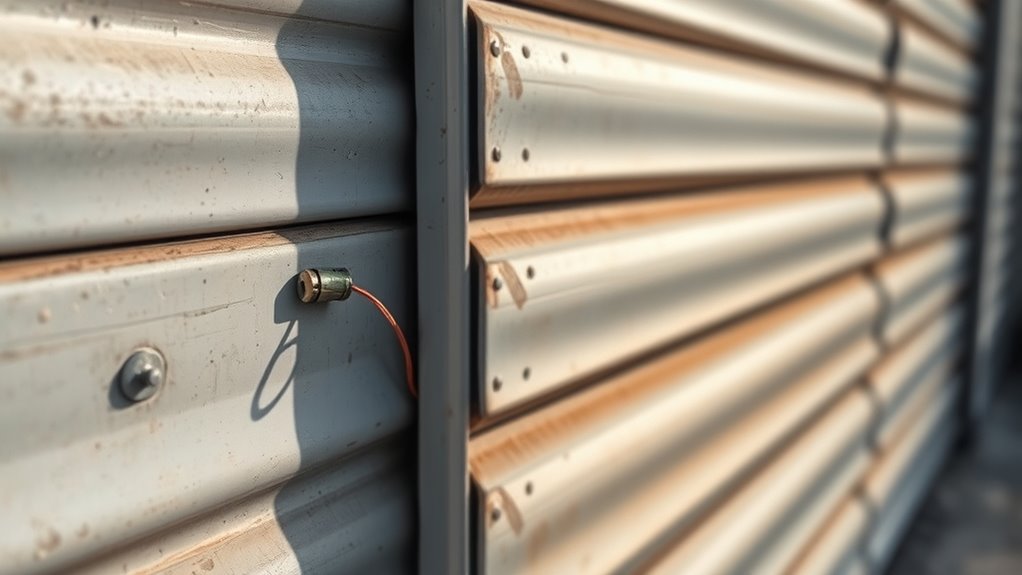
How Much Explo Ammo Is Needed to Break a Garage Door
You’ll need to match the explosive ammo to your garage door’s material to avoid wasting resources or causing extra damage. Understanding how much explo ammo is needed to break a garage door is essential for efficiency and safety.
Lighter aluminum or vinyl doors require less force, while steel or reinforced doors need more powerful charges.
Wooden doors vary depending on thickness and type, with insulated or multi-panel doors demanding higher amounts. Using too much or too little ammo can backfire, so knowing the right balance is key.
Keep following for tips on safety and avoiding common mistakes. Proper planning ensures effective results without unnecessary risk.
Key Takeaways
- Lighter aluminum or vinyl garage doors require less explosive ammo due to their reduced thickness and material strength.
- Steel or reinforced doors need significantly more explosive power because of their durability and thickness.
- Wooden doors require moderate explosive amounts, varying with wood type and panel thickness.
- Insulated and multi-panel garage doors demand increased explosive ammo to overcome added reinforcements.
- Accurate assessment of door material and construction ensures efficient explosive ammo use and successful breaching.
What Type of Garage Door Affects Explosive Ammo Use?

Because garage doors vary widely in material and construction, the amount of explosive ammo needed to break through depends heavily on the type you’re facing. If you’re dealing with a lightweight aluminum or vinyl door, you’ll need less force to breach it compared to a steel or reinforced model. Wood doors, though less common, are somewhere in the middle regarding resistance.
Insulated doors, often thicker and sturdier, naturally require more explosive power to overcome. You also need to take into account door design—sectional doors with multiple panels might absorb blasts differently than single-panel doors. The presence of additional reinforcements, like steel backing or security bars, will increase the required explosive ammo.
How Explosive Ammo Actually Breaks Garage Doors
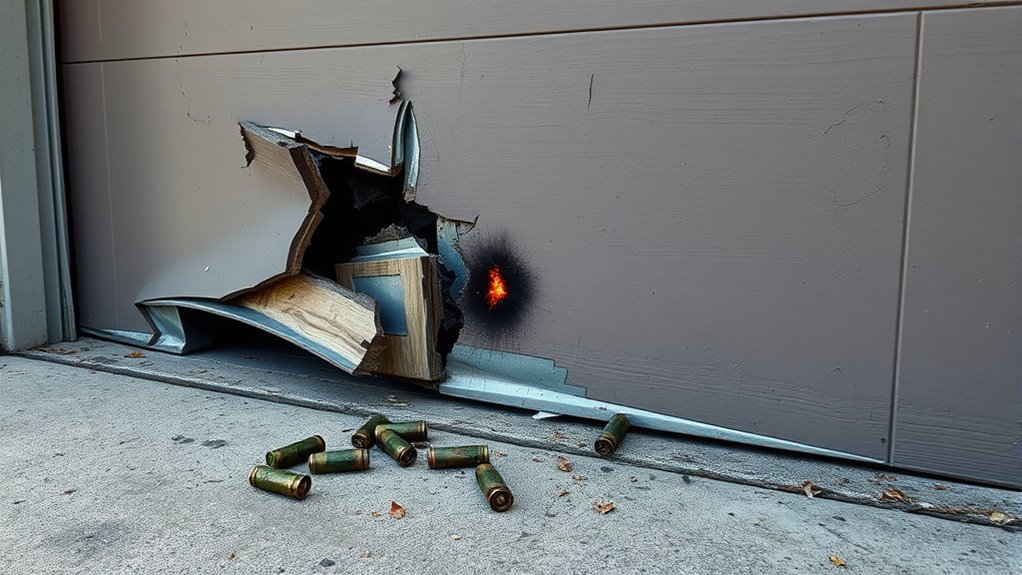
When you fire explosive ammo at a garage door, it’s not just about raw power—it’s about how the blast interacts with the door’s structure. The explosion generates a sudden, intense pressure wave that stresses materials beyond their limits. This shockwave creates fractures or bends in the panels, hinges, and frame, leading to failure.
You’ll notice the blast’s force exploits weak points, like seams or joints, causing the door to warp or collapse.
Here’s a simple breakdown:
| Blast Effect | Door Component | Resulting Damage |
|---|---|---|
| Shockwave Impact | Panels | Cracks or holes forming |
| Pressure Surge | Hinges | Bending or breaking |
| Structural Stress | Frame | Warping or detachment |
Understanding these effects helps you grasp why explosive ammo doesn’t just punch through but systematically breaks down the door’s integrity.
How Much Explosive Ammo Is Needed by Door Material?
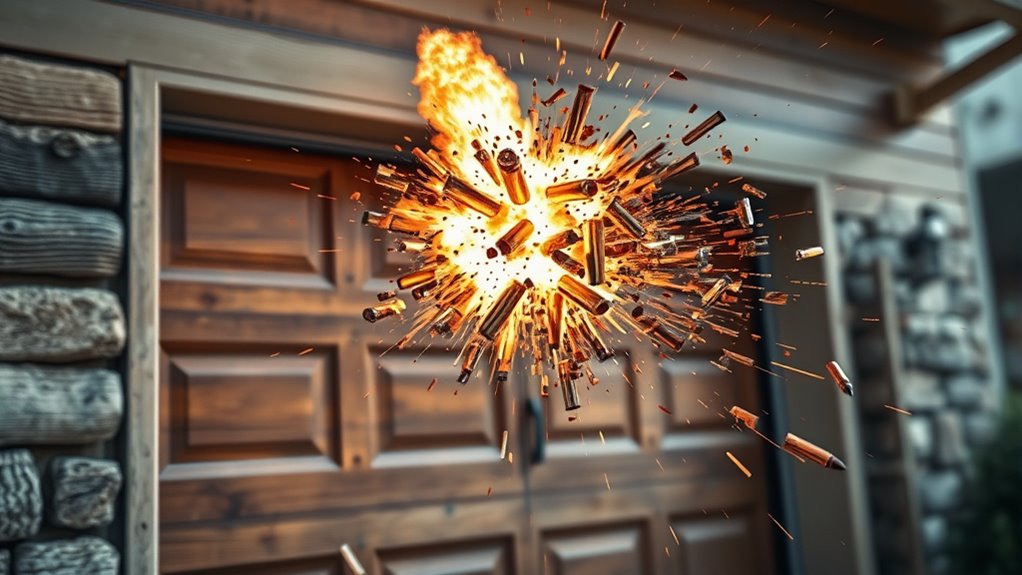
Although the exact amount of explosive ammo needed varies, the material of the garage door plays a major role in determining how much force is required to break it. If you’re dealing with a lightweight aluminum or vinyl door, less explosive ammo is generally needed because these materials are thinner and less dense. Steel doors, on the other hand, demand a higher quantity or more powerful charges due to their strength and thickness.
Wooden garage doors fall somewhere in between, as their durability depends heavily on the type and thickness of the wood used. Composite or reinforced doors, which combine materials, require you to adjust the explosive ammo accordingly, often increasing the amount to overcome their layered defenses. To get the best results, you’ll want to assess the door’s composition carefully before deciding on the explosive ammo quantity, ensuring you use enough to break through without overdoing it.
Safety Tips for Using Explosive Ammo on Garage Doors
Knowing the type of garage door you’re dealing with helps determine the amount of explosive ammo needed, but handling such materials requires careful attention to safety. You must prioritize protecting yourself and others around you at all times.
Here are three essential safety tips when using explosive ammo on garage doors:
- Wear Proper Protective Gear: Always use safety goggles, gloves, and ear protection to shield yourself from debris and loud blasts.
- Maintain a Safe Distance: Set up barriers and keep bystanders far away from the detonation area to avoid injury from flying fragments or shockwaves.
- Follow Legal and Manufacturer Guidelines: Ensure you comply with local laws regarding explosives and strictly stick to the recommended ammo amounts and usage instructions.
Mistakes to Avoid When Estimating Explosive Ammo Amounts
When estimating how much explosive ammo you’ll need, don’t overdo it—you might cause unnecessary damage or risk safety. Remember that garage doors vary in structure, so a one-size-fits-all approach won’t work. Always factor in safety precautions to avoid accidents during the process.
Overestimating Required Explosives
If you’re not careful, you might assume that more explosive ammo always means better results, but that’s not the case. Overestimating can lead to wasted resources and even safety hazards. Here are three pitfalls to avoid:
- Excessive force – Using too much explosive ammo can cause unnecessary damage beyond the garage door, risking nearby structures or yourself.
- Resource waste – Overestimating means you’re burning through ammo faster than needed, which isn’t cost-effective or efficient.
- Misjudged timing – More explosives don’t guarantee quicker breaks; they might complicate the detonation or create unpredictable outcomes.
Stick to the recommended amounts based on tested data to avoid these mistakes and guarantee your efforts are both safe and successful.
Ignoring Structural Variations
Although it might seem straightforward, ignoring the structural differences in garage doors can lead you to miscalculate the amount of explosive ammo needed. Not all garage doors are built the same—materials like steel, wood, or reinforced aluminum each respond differently to explosives. If you don’t consider thickness, frame strength, or insulation layers, you might either underestimate or overestimate the required force.
For example, a lightweight aluminum door requires less ammo than a heavy-duty steel one. Also, double-layered or insulated doors absorb more blast energy, demanding more explosives to break through. By overlooking these variations, you risk wasting ammo or failing to breach the door entirely.
Always assess the specific door’s makeup before deciding on the amount of explosive ammo to ensure accuracy and efficiency.
Neglecting Safety Precautions
Since handling explosive ammo involves inherent risks, neglecting safety precautions can lead to serious accidents or ineffective results. You can’t just guess the amount of explosive ammo needed without considering how to stay safe.
Here are three essential safety mistakes to avoid:
- Skipping Protective Gear: Always wear safety goggles, gloves, and ear protection to prevent injuries from unexpected blasts or debris.
- Ignoring Proper Distance: Maintain a safe distance when detonating explosives. Being too close increases the risk of harm.
- Not Following Legal Guidelines: Ensure you comply with local laws and regulations regarding the use and storage of explosives to avoid legal trouble.
Alternatives to Explosive Ammo for Opening Garage Doors
When you need to get through a garage door without explosive ammo, several effective alternatives can help you achieve the same result more safely and quietly. Using a crowbar or pry bar is one of the simplest methods. You can wedge it between the door and frame to force it open with leverage.
Another option is employing a cordless power drill to remove the screws or bolts securing the door. This method requires less brute force and reduces damage. If it’s an electronic garage door, hacking the keypad or manually disengaging the opener’s release cord can grant access without physical damage.
In some cases, calling a professional locksmith or garage door technician is the smartest choice—they have specialized tools and knowledge to open doors efficiently. These alternatives not only minimize risk but also avoid the noise and danger associated with explosive ammo, making them practical for most situations.
Frequently Asked Questions
What Legal Permits Are Required to Use Explosive Ammo?
You’ll need federal explosives permits from the Bureau of Alcohol, Tobacco, Firearms and Explosives (ATF), plus state and local permits. Always check specific regulations, as laws vary, and using explosive ammo without permits is illegal and dangerous.
Can Explosive Ammo Damage Surrounding Property?
Yes, explosive ammo can definitely damage surrounding property. You’ll want to be very careful using it, as the blast and shockwave can cause unintended destruction to nearby structures, vehicles, or anything else close by.
How Long Does It Take to Break a Garage Door With Explosives?
It usually takes just seconds to break a garage door with explosives once detonated. However, the exact time depends on the explosive’s power and placement. You’ll want to guarantee safety and precision to avoid unnecessary damage.
What Environmental Impacts Do Explosive Blasts Cause?
Blasts bellow, breaking balance. You’ll see shattered soil, scattered species, and smoky skies. Explosive energy disrupts delicate ecosystems, damages habitats, and pollutes air and water.
Are There Insurance Implications for Using Explosives on Doors?
Yes, you’ll likely face insurance issues if you use explosives on doors without proper authorization. Most policies don’t cover intentional damage, so you could be liable for repairs and legal consequences.
Always check your coverage first.
Conclusion
Remember when you tried breaking a piñata with just one swing, only to realize it took a few good hits? That’s like using explosive ammo on garage doors—thin aluminum might need just a shot or two, but heavy steel demands more firepower.
Knowing your door type saves you from wasted ammo and frustration. So, plan smart, stay safe, and use only what’s needed—because overdoing it won’t just break the door, it could break your day.
Understanding how much explo ammo is needed to break a garage door is key to efficiency. Use the right amount, avoid excess, and achieve your goal without hassle.