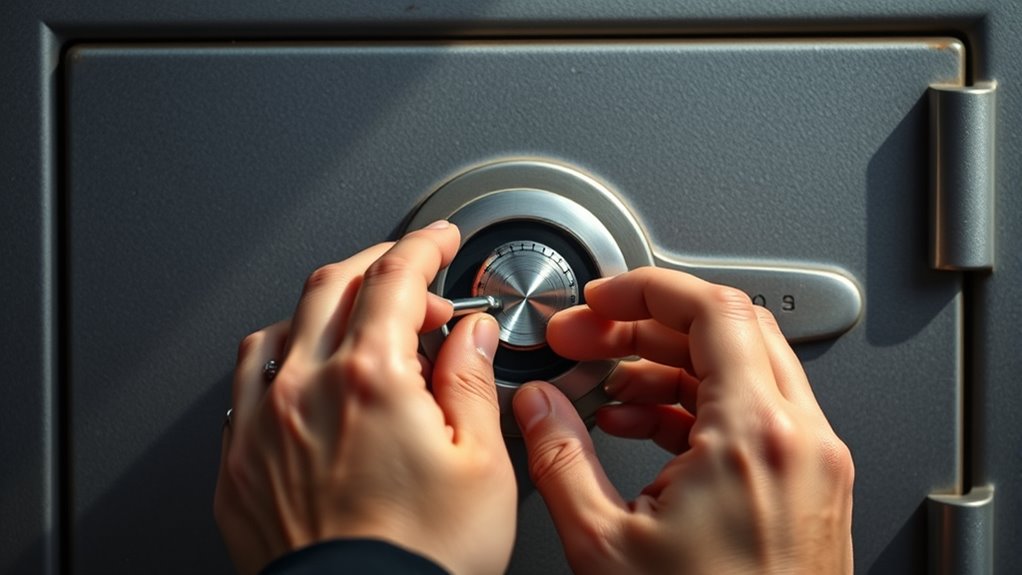
How to Open a Gun Safe Without a Key in 10 Simple Steps
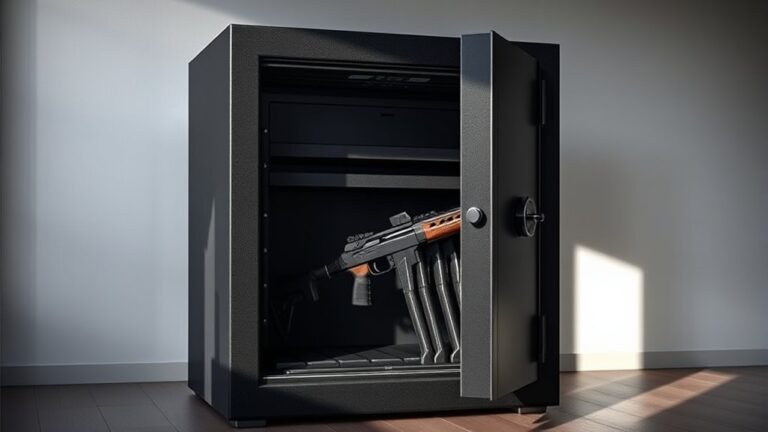
If you need to open a gun safe without a key, there are several methods you can try to gain access safely and effectively. Start by checking for spare keys or default codes, which are often found in common spots like manuals or hidden compartments. Trying factory reset codes or power cycling any electronic locks can sometimes resolve the issue without damage.
For mechanical safes, use a stethoscope to listen for subtle clicks or employ the “feel” method on the dial to find the right combination. You might also consider using a bump key or, as a last resort, a Slim Jim to unlock the safe.
If none of these techniques work, calling a locksmith is the smartest option. Keep reading for detailed steps to handle the process confidently and securely.
Key Takeaways
- Check for spare keys, default codes, or reset procedures from the user manual or manufacturer before attempting other methods.
- Power cycle the electronic lock by removing batteries or unplugging to reset the system and retry access codes.
- Use mechanical manipulation techniques like listening for clicks or feeling resistance changes on the dial to identify the combination.
- Employ alternative methods such as a strong magnet to trigger lock mechanisms or carefully use a Slim Jim to disengage bolts.
- If unsuccessful, contact a licensed professional locksmith experienced with gun safes for secure and damage-free access.
Check for Spare Keys or Default Codes First
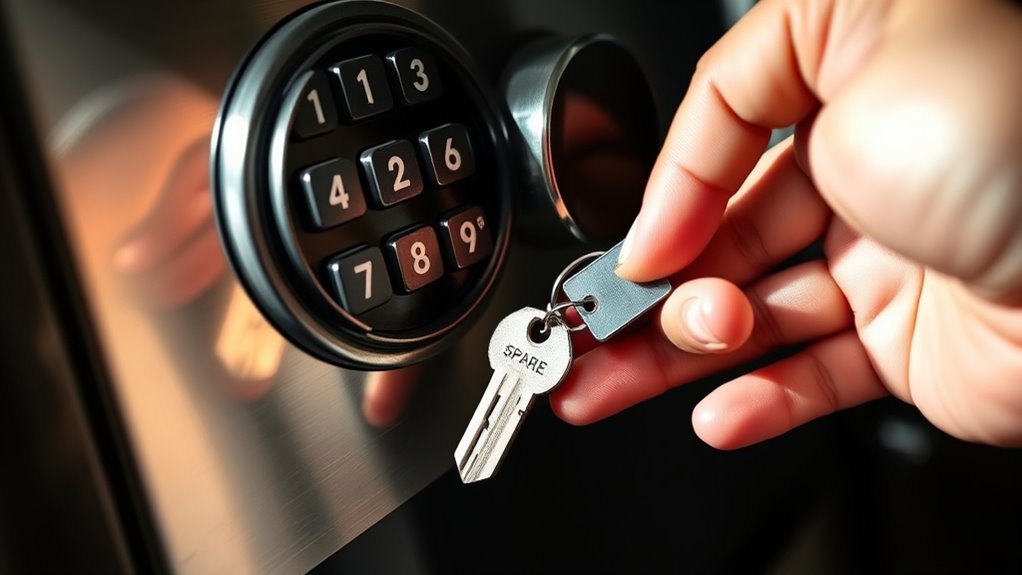
Where should you begin when you don’t have the key to your gun safe? The first thing you should do is check for any spare keys that might be tucked away. Sometimes, manufacturers include a backup key that you might have overlooked or stored separately.
Start by searching for any spare keys that may be hidden or stored separately.
It’s worth searching common places like drawers, filing cabinets, or even the original packaging. If you find a spare key, you can open your safe without any hassle.
Next, consider default codes if your safe has an electronic lock. Many gun safes come programmed with factory-set codes before you personalize them. These default codes are often listed in the user manual or on a sticker inside the door frame or on the back of the keypad.
Checking these first can save you time and frustration. Remember, before trying anything complicated, verify these simple solutions—they’re often the fastest way back in.
Try Common Factory Reset Codes for Electronic Gun Safes
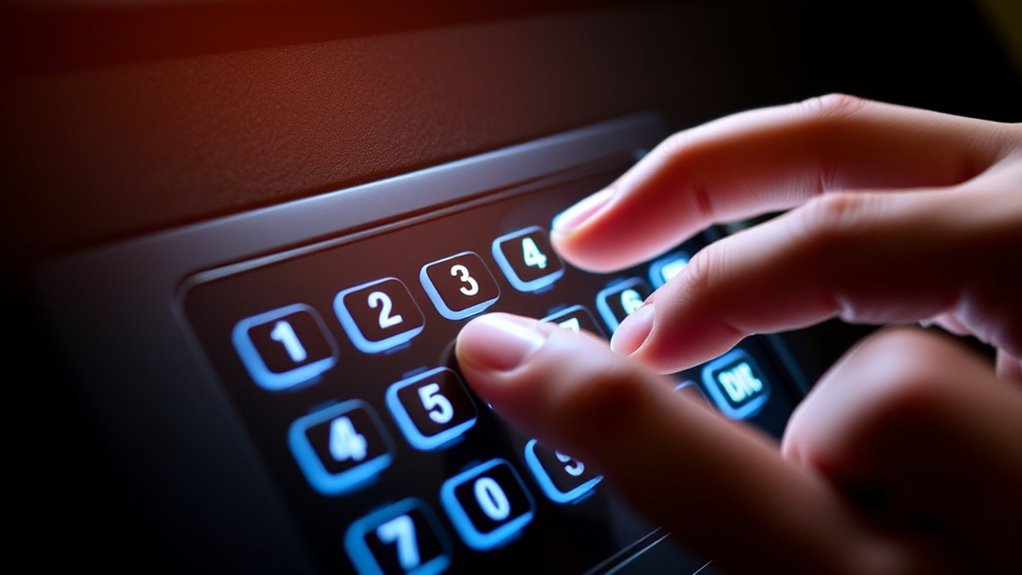
If you’ve checked for spare keys and default codes without success, your next move is to try common factory reset codes for electronic gun safes. Many manufacturers program default reset codes into their safes to allow owners to regain access if they forget their personalized code. These codes vary depending on the brand and model but often include simple sequences like 0000, 1234, or 9999.
Before trying any code, consult your safe’s user manual or search online for the factory reset codes specific to your safe’s brand. When entering a code, make sure to follow the exact procedure required—some safes need you to press a reset button or a combination of keys before inputting the code. If the safe accepts the code, you’ll be able to open it and then set a new personal combination.
Just be careful not to lock yourself out further by inputting too many incorrect attempts, as some safes temporarily disable the keypad after multiple failed tries.
Use a Stethoscope to Listen for Mechanical Lock Mechanisms
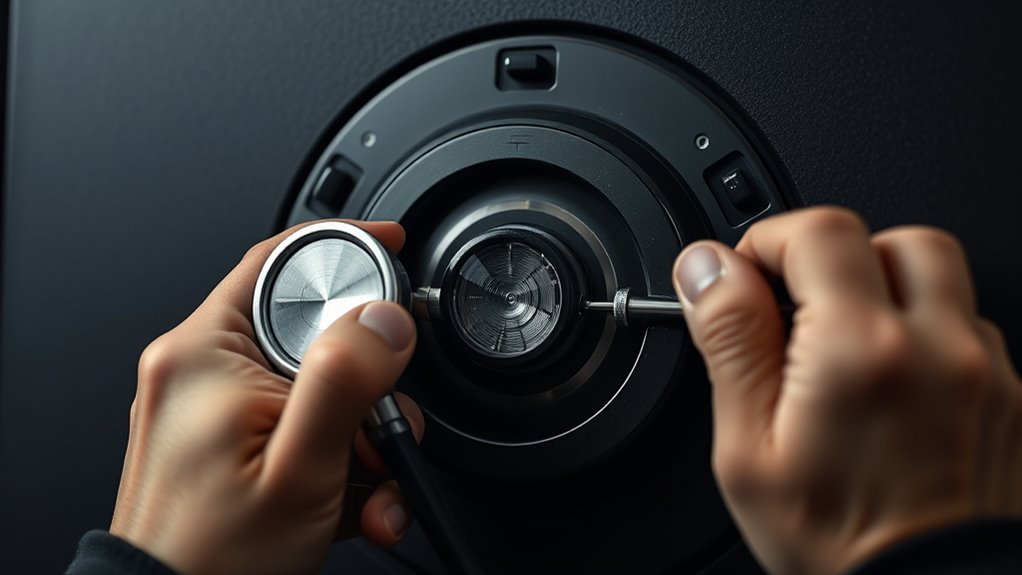
Although it takes some patience and a keen ear, using a stethoscope to listen for the mechanical lock mechanisms inside your gun safe can help you identify the correct combination. First, place the stethoscope’s chest piece gently against the safe’s dial or locking area. Slowly turn the dial while paying close attention to the subtle clicks and sounds transmitted through the stethoscope.
Each click corresponds to the internal gears engaging or disengaging. Your goal is to detect changes in the sounds—slight variations in the clicking or faint metallic noises indicate the right numbers. It helps to work in a quiet room to better isolate these sounds.
Take notes of the dial positions where you hear these distinct noises. By systematically listening and recording, you can narrow down the combination without causing damage. This method demands focus and a steady hand but can be surprisingly effective when electronic options aren’t available or the key is lost.
Manipulate the Dial With the “Feel” Method on Mechanical Safes
When you turn the dial, pay close attention to changes in resistance—you’ll feel it tighten or loosen at certain points. These subtle shifts can help you identify the correct combination numbers.
Listen carefully for faint clicks as you slowly rotate the dial to pinpoint each setting.
Understanding Dial Resistance
How can you tell if you’re on the right number while turning the dial on a mechanical safe? By paying close attention to dial resistance. Each number on the safe’s combination causes a subtle change in how the dial feels—sometimes it’s smooth, sometimes tighter.
This resistance is a clue that you’re hitting the correct spots. Using your fingers, gently rotate the dial back and forth, sensing these small variations in tension. Over time, you’ll learn to recognize the pattern of resistance that corresponds to the combination numbers.
| Resistance Level | What It Indicates |
|---|---|
| Smooth | Not a correct number yet |
| Slight Resistance | Approaching a correct number |
| Firm Resistance | Likely on the correct number |
Detecting Subtle Clicks
Since mechanical safes rely on precise internal mechanisms, you’ll want to develop a keen sense for detecting subtle clicks as you turn the dial. These clicks signal when the dial aligns with specific internal gates or wheels. To do this, turn the dial slowly and steadily, paying close attention to any changes in sound or resistance.
Use your fingertips to feel slight vibrations or clicks that may be too quiet to hear. When you notice a click, stop and gently test for increased resistance or a slight “give” in the dial’s movement. Mark these points mentally or physically if possible.
This “feel” method helps you identify potential combination numbers by isolating where the safe’s locking wheels engage, bringing you closer to *disengaging* it without a key.
Try Using a Bump Key to Unlock the Safe
Although using a bump key requires some skill, it can be an effective way to open a gun safe without a key. A bump key is specially cut to fit into the lock and is designed to “bump” the pins inside the lock cylinder, causing them to align and allowing the lock to turn.
To try this method, you’ll need a bump key that matches the lock type on your safe. Insert the bump key fully into the keyway, then apply slight turning pressure while sharply tapping the key with a small hammer or similar object. The tapping action causes the pins to jump momentarily, and if timed right, you can turn the key and open the safe.
Practice is essential here, as the technique requires precise timing and pressure. Be patient, and avoid using excessive force to prevent damaging the lock or safe.
Use a Magnet to Unlock Electronic Gun Safes
If you’re dealing with an electronic gun safe, a strong magnet might help you open it by triggering the internal locking mechanism. You’ll need to find the right magnet and know exactly where to place it for the trick to work.
Let’s go over how magnets interact with the safe and the steps you should follow to open it.
How Magnets Work
When you bring a strong magnet close to an electronic gun safe, it can interact with the internal locking mechanism in surprising ways. These safes often use solenoids or magnetic sensors to control the lock. The magnet’s force can manipulate these components, sometimes triggering the release.
Understanding this interaction helps you realize why magnets can be useful tools for bypassing electronic locks.
| Component | Magnetic Effect |
|---|---|
| Solenoid | Magnet can simulate electrical signal |
| Reed Switch | Magnet closes the circuit, unlocking |
| Hall Sensor | Detects magnetic field, triggers lock |
| Lock Bolt | Magnet may pull or shift it slightly |
Using a magnet exploits these effects, giving you a non-destructive way to open the safe.
Finding The Right Magnet
Understanding how magnets affect electronic components sets the stage for choosing the right magnet to open your safe. You’ll want a strong neodymium magnet because they produce a focused magnetic field capable of interfering with the electronic locking mechanism inside many gun safes. Avoid weak magnets like fridge magnets, as they usually won’t generate enough force to trigger the lock.
Size matters too—a magnet roughly the size of a small coin is often ideal, allowing you to maneuver it precisely over the locking system. Make sure the magnet’s surface is smooth to avoid scratching your safe. Keep in mind, not all safes respond to magnets, so having the right type and strength can make all the difference when attempting to unlock it without a key.
Step-By-Step Unlocking Process
Before you start, make sure you’ve selected a strong neodymium magnet that fits comfortably in your hand.
Here’s how to disengage your electronic gun safe step-by-step:
| Step | Action | Tip |
|---|---|---|
| 1 | Hold the magnet firmly | Use gloves for grip |
| 2 | Place magnet near the keypad | Focus on the lock area |
| 3 | Move the magnet slowly | Small circular motions work |
| 4 | Listen for the unlocking click | Stay patient, it may take time |
| 5 | Open the safe door gently | Don’t force it open |
The magnet interacts with the internal locking mechanism.
By moving it precisely around the electronic lock, you can trigger the release.
Take your time and stay steady for best results.
Reset Electronic Lock by Power Cycling the Safe
If your electronic gun safe isn’t responding, you can often reset the lock by power cycling it. This means cutting off all power to the safe, then restoring it to reboot the system. It’s a simple way to clear glitches that might be preventing the keypad from working.
To power cycle your safe:
- Unplug the safe’s power cable or remove its batteries.
- Wait at least 30 seconds to ensure the system fully resets.
- Reinsert the batteries or plug the safe back in.
- Try entering your access code again.
- If it still doesn’t respond, repeat the process once more.
This reset method is quick and non-invasive, helping you avoid damaging your safe. Just remember, if the safe relies solely on batteries, always keep spares handy—you don’t want to be locked out because of dead batteries.
Power cycling can often bring your safe back to life and restore your peace of mind.
Use a Slim Jim to Pry Open the Safe Door (Last Resort)
When power cycling your safe doesn’t work and you’re still locked out, you might consider using a Slim Jim to pry open the door as a last resort. A Slim Jim is a thin, flat tool designed to slip between the door and frame to manipulate locking mechanisms.
Before you start, make sure the safe isn’t bolted down and that you have enough room to work the tool. Insert the Slim Jim carefully along the edge of the door, aiming to catch the locking bolts inside. Gently wiggle and slide the tool to try to disengage the bolts.
This method requires patience and a delicate touch to avoid damaging the safe or the door. Keep in mind, Slim Jims work best on older or simpler locking systems, and modern safes might resist this technique. Use this method only if you’re comfortable and understand the risks—damaging your safe could be costly.
Call a Professional Locksmith if DIY Methods Fail
If your attempts to open the gun safe don’t work, it’s time to call a professional locksmith. Make certain you choose one with proper credentials and experience handling gun safes.
Verifying their license and reputation will help you avoid scams and ensure the job is done right.
Choosing The Right Locksmith
Although trying to open your gun safe on your own can be tempting, you’ll want to call a professional locksmith if your DIY efforts don’t work. Choosing the right locksmith is essential to avoid damage and guarantee your safe is opened securely. You want someone reliable, experienced, and trustworthy.
When selecting a locksmith, consider:
- Their reputation—look for positive reviews and trusted referrals
- Experience with gun safes specifically
- Availability for emergencies, so you’re not left stranded
- Transparent pricing to avoid surprise fees
- Professionalism and respect for your privacy
Picking the right locksmith gives you peace of mind and protects your valuable firearms. Don’t rush this step—it’s worth the effort to find someone who truly knows what they’re doing.
Verifying Locksmith Credentials
Finding the right locksmith is only part of the process—you’ll also want to make sure their credentials check out before handing over the job. Start by verifying their license and certifications; reputable locksmiths often belong to professional organizations like the Associated Locksmiths of America (ALOA). Check online reviews and ask for references to gauge their reliability and expertise.
Confirm they have insurance to protect you in case of accidental damage during the job. Never hesitate to ask for identification and proof of experience when the locksmith arrives. If you’re unsure about their legitimacy, trust your instincts and look for another professional.
Calling a verified locksmith guarantees your gun safe is handled properly and securely, especially if your DIY attempts haven’t worked.
Set Up Backup Access to Avoid Future Lockouts
Because getting locked out of your gun safe can be frustrating and stressful, it’s essential to establish backup access options now. Taking proactive steps ensures you won’t be left helpless in an emergency or when you misplace your key or forget your combination. You want peace of mind knowing you can access your firearms quickly and safely.
Here are some backup access ideas to consider:
- Store a spare key in a secure, hidden place—just in case.
- Create a secondary combination code that trusted family members know.
- Register your safe with the manufacturer for potential master code retrieval.
- Keep a contact list of reliable locksmiths nearby for emergencies.
- Use biometric access features if your safe supports fingerprint or retina scanning.
Setting these up now saves time, stress, and potential danger later. Don’t wait until you’re locked out to think about backup plans.
Frequently Asked Questions
Can Gun Safes Be Damaged by Attempting Unauthorized Entry?
Yes, trying to open a gun safe without authorization can definitely damage it. You might break the lock, harm the safe’s mechanism, or even trigger security features, making it harder or more expensive to access later.
How Often Should I Maintain or Service My Gun Safe?
You should service your gun safe about once a year, like clockwork. Regular maintenance keeps it running smoothly, just like oiling a bike chain, preventing rust and ensuring your firearms stay secure and accessible when you need them.
Are Biometric Locks More Secure Than Traditional Gun Safe Locks?
Yes, biometric locks can be more secure since they use unique fingerprints, making unauthorized access harder. But you should still consider backup options because technology can fail or be bypassed, unlike some traditional mechanical locks.
What Legal Restrictions Apply to Owning or Opening a Gun Safe?
You can’t just waltz into a vault and crack it open without rules—laws vary wildly by state, so you’ve got to follow regulations on gun registration, safe ownership, and who’s allowed to access it, or face serious trouble.
Can Gun Safes Protect Against Fire and Water Damage?
Yes, many gun safes are designed to protect against fire and water damage. You’ll want to check the safe’s fire rating and waterproof features to guarantee your firearms and valuables stay safe during emergencies.
Conclusion
If you’re worried these steps seem too tricky or risky, don’t be. With patience and care, you can usually get your safe open without damage. Just take your time trying each method, and remember, calling a locksmith is always an option if you hit a wall.
Setting up backup access will save you headaches down the road, so you won’t be locked out again. Knowing how to open a gun safe without a key is valuable for emergency situations. You’ve got this!