Why Was Black Talon Ammo Banned?
Black Talon ammo was banned due to its razor-sharp petals and aggressive expansion, which raised serious safety and ethical concerns. This type of ammunition posed handling risks because of the sharp edges, and there was a significant danger of over-penetration that could unintentionally harm bystanders.
These risks made Black Talon highly controversial in both civilian and law enforcement circles.
Media sensationalism further amplified public fear, leading to widespread legal restrictions and voluntary market withdrawal.
As a result, law enforcement agencies shifted to safer alternatives, rendering Black Talon obsolete.
Understanding the full story behind the rise, bans, and replacements of Black Talon ammo reveals a complex mix of safety, ethics, and public perception.
Key Takeaways
- Black Talon ammo’s sharp, jagged petals posed safety risks during handling and increased the chance of severe, traumatic wounds. Its aggressive expansion design raised concerns about over-penetration and unpredictable ricochets, risking unintended injuries. Media sensationalism and public fear amplified scrutiny, portraying the ammunition as excessively lethal and dangerous.
- Legal challenges and regulatory pressure led manufacturers to voluntarily discontinue Black Talon to avoid bans and lawsuits. The ammunition’s controversial design and ethical concerns prompted a market shift toward safer, regulated defensive rounds.
What Is Black Talon Ammo And How Does It Work?
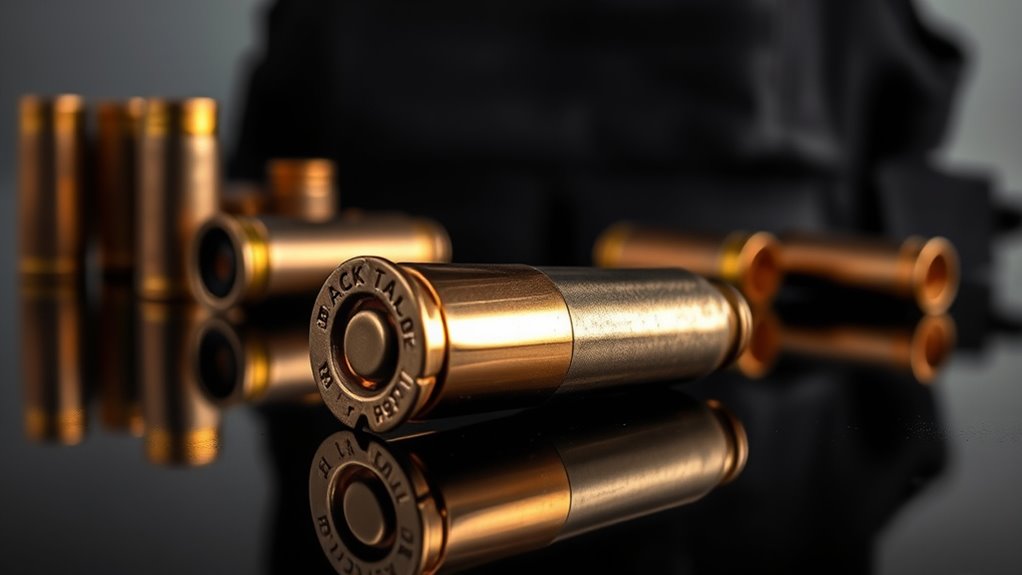
Although you might not have heard much about Black Talon ammo recently, it was once notorious for its unique design and performance. When you look at Black Talon bullets, you’ll notice their distinct hollow-point shape with sharp petals that unfold upon impact. This design was meant to expand quickly, creating a larger wound channel, which increases stopping power.
The bullet’s jacket was specially engineered to peel back in a controlled way, allowing those sharp petals to remain intact and cause maximum tissue damage. You’d find Black Talon ammo appealing if you’re interested in self-defense rounds because it aimed to combine deep penetration with rapid expansion. The bullet’s core was bonded to its jacket to reduce fragmentation, ensuring it wouldn’t break apart too easily inside the target.
How Are Black Talon Bullets Different From Other Ammo?
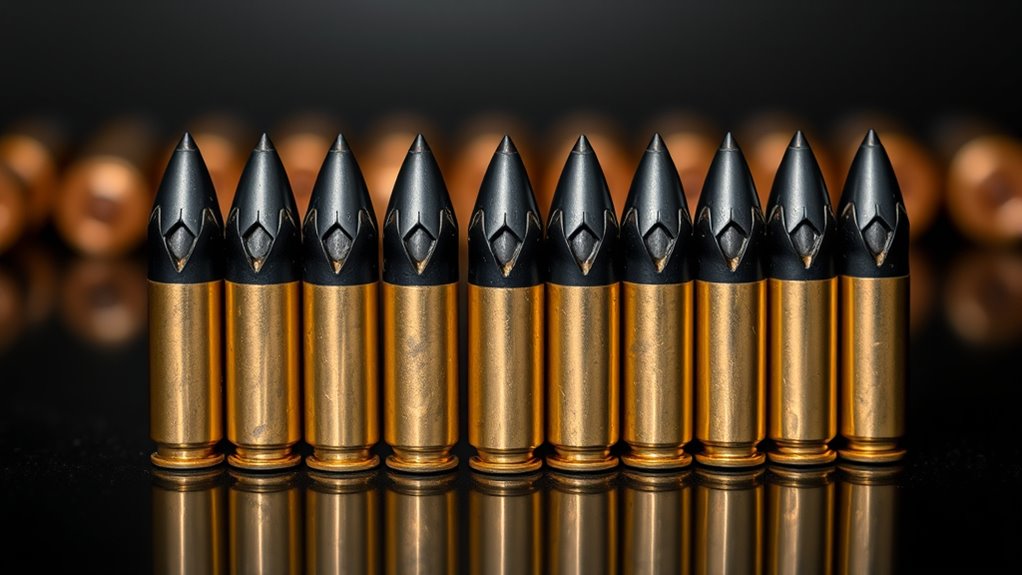
Black Talon bullets stand out because of their unique construction and design features that set them apart from standard ammunition. Unlike typical hollow points, Black Talon rounds have a reverse taper jacket and six sharp petals that fold outward upon impact. This design causes the bullet to expand rapidly and create a large wound channel.
When the petals fold back, they form a claw-like shape, which is where the bullet gets its name. You’ll notice that Black Talon bullets are coated with a Teflon-like substance, which reduces barrel wear and prevents the bullet from deforming before hitting the target. This coating also helps the bullet retain its sharp edges during penetration, enhancing its stopping power.
Compared to regular ammo, Black Talon rounds are engineered to maximize tissue damage while minimizing over-penetration, aiming to stop threats more effectively. This distinct design is what makes Black Talon ammo markedly different from conventional bullets.
Why Did Black Talon Ammo Become Popular In The 1990s?
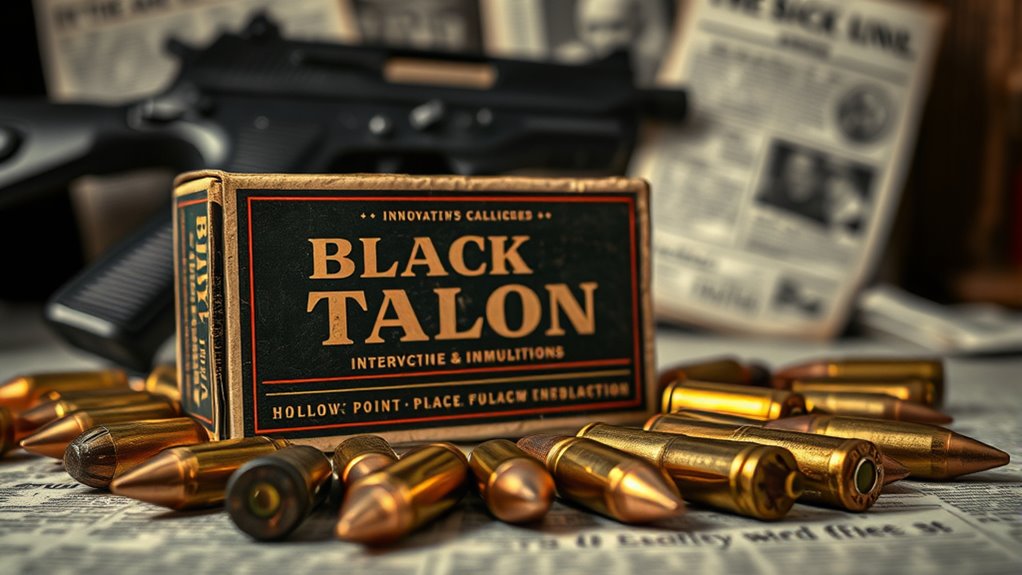
When you look back at the 1990s, the rise in popularity of Talon Ammo was driven largely by its reputation for superior stopping power and innovative design. If you were a shooter or a law enforcement officer then, you’d have appreciated how this ammo promised more effective performance compared to traditional rounds.
Here are three key reasons why Black Talon ammo gained traction:
- Enhanced Terminal Performance: You’d notice its ability to expand rapidly on impact, increasing stopping power and reducing over-penetration risks.
- Unique Marketing: The distinctive black coating and aggressive branding made it stand out, appealing to enthusiasts who wanted cutting-edge gear.
- Law Enforcement Adoption: Several police departments tested or adopted it, boosting confidence among civilians and professionals alike.
These factors combined made Black Talon a sought-after choice during that decade, despite the controversies that eventually led to its ban.
How Black Talon’s Design Impacted Performance
Because of its innovative design, you’d notice how Black Talon ammo delivered exceptional performance in critical situations. The unique reverse taper hollow point with sharp petals meant the bullet expanded reliably upon impact, creating a larger wound channel. This expansion increased stopping power, which is essential when you need to incapacitate a threat quickly.
You’d also find that the bullet’s copper jacket reduced barrel fouling, helping maintain accuracy over multiple shots. Additionally, the design minimized bullet deformation during penetration, allowing it to reach vital organs more effectively. This combination of expansion and penetration made Black Talon ammo particularly effective for self-defense and law enforcement use.
You’d appreciate that its consistent performance made it a preferred choice when precision and reliability mattered most. Overall, the design enhanced terminal ballistics in a way that set it apart from many other rounds available at the time.
What Safety Concerns Surrounded Black Talon Ammo?
Although the ammo was praised for its performance, many people raised serious safety concerns about its sharp petals and aggressive expansion. When you handle Black Talon ammo, you need to be aware of the risks those sharp edges pose not just to the target but also during accidental mishandling or ricochets.
Here are three main safety concerns you should consider:
- Risk of Over-Penetration: The aggressive expansion can cause bullets to pass through targets, increasing the chance of unintended injury.
- Handling Danger: The exposed sharp petals make loading, unloading, and handling more hazardous, increasing the risk of cuts or injuries.
- Environmental Hazards: The bullet’s design could cause unpredictable ricochets, posing threats in various shooting environments.
Knowing these risks helps you understand why many questioned the safety of Black Talon ammo despite its effectiveness.
How Media Coverage Fueled Black Talon Controversy
How did the media help turn Black Talon ammo into such a heated controversy? When you follow the story, you’ll notice that media outlets sensationalized Black Talon ammunition, focusing heavily on its design and potential lethality rather than balanced facts. Headlines often used fear-inducing language, portraying the ammo as something uniquely dangerous and sinister.
This kind of coverage amplified public concern and painted the product as a threat to safety, even though experts debated its actual risks. You’ll also see that the media spotlighted dramatic incidents involving Black Talon rounds, sometimes without full context, which shaped public perception negatively. This intense coverage pressured lawmakers and advocacy groups to respond swiftly.
Because of the media’s role in framing the narrative, you were likely influenced to view Black Talon ammo as more controversial than other types, contributing to calls for restrictions. Essentially, the media didn’t just report on the controversy—they helped create and escalate it.
What Legal Challenges Led To Black Talon Restrictions?
When you look into the legal battles surrounding Black Talon ammo, you’ll find a mix of lawsuits, regulatory actions, and lobbying efforts that shaped its fate. The unique design of the Black Talon bullets sparked intense scrutiny, leading to several legal challenges that pushed manufacturers and lawmakers to reconsider its availability.
Here are three key legal challenges that led to Black Talon restrictions:
- Product Liability Lawsuits – Victims and their families filed suits claiming the ammo caused excessive tissue damage, arguing it was inherently dangerous and should be banned.
- State and Local Bans – Various jurisdictions enacted laws restricting hollow-point ammo, including Black Talon, citing public safety concerns after high-profile incidents.
- Regulatory Pressure – The ATF and other agencies reviewed the ammo’s design under existing firearms regulations, increasing pressure on manufacturers to halt production or modify the product.
These legal pressures collectively created an environment where continuing Black Talon sales became untenable.
How Did Law Enforcement And Industry Respond To Black Talon Backlash?
The legal challenges surrounding Black Talon ammo didn’t just affect manufacturers and lawmakers—they also sparked strong reactions from law enforcement and the ammunition industry. You’d find many law enforcement agencies expressing concern over the ammo’s design, fearing it caused excessive tissue damage and complicated medical treatment for gunshot victims. Some departments even discouraged officers from using Black Talon rounds, though official bans were rare.
On the industry side, ammo manufacturers faced pressure to rethink bullet design. You’d see companies emphasizing less controversial options and boosting marketing around “safer” self-defense rounds. The backlash also pushed industry groups to engage more actively in public education about ammunition types and their intended uses.
You’d notice increased efforts to balance effective stopping power with ethical considerations. This environment created a shift where manufacturers became more cautious, understanding that public perception and law enforcement feedback could heavily influence product acceptance and survival in the marketplace.
Why Was Black Talon Ammo Pulled From The Market?
You might wonder why Black Talon ammo was taken off shelves despite its popularity. Its controversial design raised safety concerns, sparking regulatory scrutiny and legal challenges.
Let’s explore how these issues led to its market withdrawal.
Controversial Design Features
Although Black Talon ammo was praised for its stopping power, its design sparked intense controversy that ultimately led to its market withdrawal. You might find it hard to overlook how the unique features made the rounds in debates about safety and ethics.
Here’s what made it so divisive:
- Reverse-Drawn Jacket – The bullet’s copper jacket was turned inside out, exposing sharp petals that expanded dramatically upon impact, causing severe tissue damage.
- Sharp Petal Design – These jagged edges were criticized for creating wounds that were more traumatic than typical hollow points.
- Perceived Over-Penetration Risk – Critics argued the design increased the chance of bullets passing through targets, raising public safety concerns.
These elements combined to make Black Talon ammo a focal point of heated discussions about responsible ammunition design.
Regulatory and Legal Issues
Since Black Talon ammo’s design raised serious safety and ethical questions, regulatory agencies quickly stepped in to address public concerns. You’d find that its widespread controversy led to increased scrutiny, pushing manufacturers to pull it from shelves.
Lawmakers debated its potential for misuse and public harm, leading to restrictions and bans in some areas.
Here’s a breakdown of key regulatory and legal issues:
| Concern | Agency Involved | Outcome |
|---|---|---|
| Safety risks | ATF | Heightened regulations |
| Public backlash | Local governments | Sales restrictions |
| Ethical debates | Legislators | Voluntary market withdrawal |
Understanding these issues helps you see why Black Talon ammo was ultimately removed from the market.
What Alternatives Replaced Black Talon Ammo?
Since Black Talon ammo was banned, you’ve probably noticed jacketed hollow points becoming the go-to choice for many shooters. Bonded core ammunition also gained popularity for its reliable performance.
Plus, defense-focused bullet designs continue to evolve, offering effective alternatives to the original Black Talon.
Popular Jacketed Hollow Points
When Black Talon ammo was pulled from the market, shooters quickly turned to other jacketed hollow points that promised similar performance without the controversy. You’ve got several popular options that balance expansion, penetration, and reliability:
- Federal HST – Known for consistent expansion and deep penetration, making it a favorite for self-defense.
- Speer Gold Dot – Features a bonded core for weight retention and reliable expansion.
- Hornady Critical Defense – Designed to perform well even through clothing with a polymer tip for controlled expansion.
These alternatives offer you effective stopping power and reduced risk of over-penetration, all while avoiding the media backlash Black Talon faced. They represent the evolution of defensive ammo focused on safety and performance without the drama.
Bonded Core Ammunition
Although Black Talon ammo is no longer available, you can still find bonded core ammunition that offers similar advantages regarding weight retention and reliable expansion. Bonded core bullets are designed with the lead core chemically or mechanically bonded to the jacket, preventing separation upon impact. This means you’ll get consistent penetration and controlled expansion, which is essential for stopping power.
Many manufacturers have adopted bonded core designs to fill the gap left by Black Talon, providing dependable performance while complying with regulations. If you’re looking for alternatives, bonded core ammo from brands like Federal and Hornady delivers reliability without the controversy. These rounds maintain structural integrity in tough barriers and reduce the risk of over-penetration, making them a practical choice for self-defense and law enforcement.
Defense-Focused Bullet Designs
If you’re searching for effective alternatives to Black Talon ammo, you’ll find several defense-focused bullet designs that emphasize controlled expansion and reliable penetration. These alternatives aim to balance stopping power with safety, reducing the risk of over-penetration or excessive tissue damage.
Here are three popular choices:
- Bonded Hollow Points – These bullets keep the jacket and core together, ensuring consistent expansion and deep penetration.
- Flex Tip Bullets – Featuring polymer tips, they improve aerodynamic stability and initiate reliable expansion upon impact.
- Fragmenting Bullets – Designed to break apart upon hitting the target, maximizing energy transfer while minimizing exit wounds.
Each option provides you with dependable performance in self-defense scenarios, avoiding the controversies linked to Black Talon ammo.
Frequently Asked Questions
Who Originally Manufactured Black Talon Ammunition?
You’d find that Winchester originally manufactured Black Talon ammunition. They introduced it in the early 1990s, aiming to create a highly effective self-defense round, which quickly gained attention for its unique design and performance.
Is Black Talon Ammo Still Legal for Private Ownership?
Yes, you can still legally own Black Talon ammo since it was never banned federally. The manufacturer’s recall ended sales, but private ownership and possession remain legal in most places, though local laws might vary.
It’s important to check local regulations to ensure compliance. Overall, owning Black Talon ammunition is generally permitted. However, some jurisdictions may have specific restrictions.
What Calibers Were Available in Black Talon Ammo?
Black Talon ammo was available in various calibers like 9mm, .40 S&W, .45 ACP, .38 Special, and .357 Magnum.
You’ll find these popular handgun calibers among the original Black Talon offerings.
Did Black Talon Ammo Affect Hunting Regulations?
You wouldn’t find Black Talon ammo quietly changing hunting rules, but its reputation nudged some states to reconsider bullet choices for ethical hunting.
While not outright banned everywhere, it did spark thoughtful conversations about fair chase practices.
Are There Any Modern Bullets Inspired by Black Talon Design?
Yes, you’ll find modern bullets inspired by Black Talon’s design, like Winchester’s PDX1 Defender and Federal’s HST. They use similar expanding petals for controlled expansion and deep penetration, improving stopping power without over-penetration.
These designs focus on maximizing effectiveness while minimizing risks associated with over-penetration. This balance is crucial for law enforcement and self-defense applications.
Conclusion
You might find it surprising that Black Talon ammo, known for its sharp petals that expanded upon impact, was pulled from the market despite being used by law enforcement. In the 1990s, it made up nearly 20% of police-issued rounds before controversy over its perceived lethality and safety concerns led to its ban.
Today, understanding its history helps you see how ammo design and public opinion can dramatically shape firearm regulations. The Black Talon ban highlights the impact of bullet construction, stopping power, and media portrayal on ammunition policies. These factors continue to influence debates around firearm safety and law enforcement use.