10 Tips on Where to Mount a Gun Safe for Maximum Security
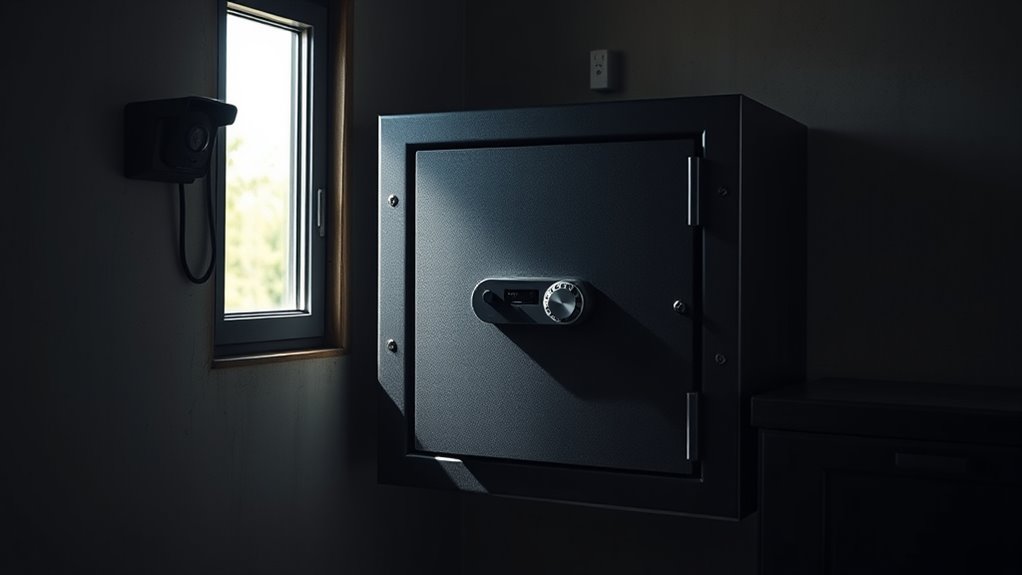
To mount your gun safe securely and ensure maximum security, choose a strong interior wall or a concrete floor for stability. Avoid exterior walls to reduce the risk of break-ins. Proper mounting is essential for protecting your firearms and valuables.
Bolt the safe tightly to wall studs or use heavy-duty anchors if securing it to concrete.
Select a concealed, low-traffic spot to deter theft, balancing this with quick access during emergencies.
Keep the safe away from moisture and heat to prevent damage.
Plan enough space for future safes or additional storage.
With the right setup, you’ll effectively protect your valuables—and there’s more to consider for ideal placement.
Key Takeaways
- Mount gun safes on interior walls with solid studs or concrete floors using heavy-duty anchors for maximum stability and theft deterrence.
- Choose concealed, low-traffic locations like closets or behind furniture to balance security and quick emergency access.
- Avoid exterior walls and damp areas to prevent easy break-ins and environmental damage like rust or corrosion.
- Position safes at waist or chest height for quick, unobstructed access while maintaining discretion.
- Plan for future expansion by selecting locations with ample space, structural support, and wiring options for electronic locks.
Pick a Wall With Strong Structural Support
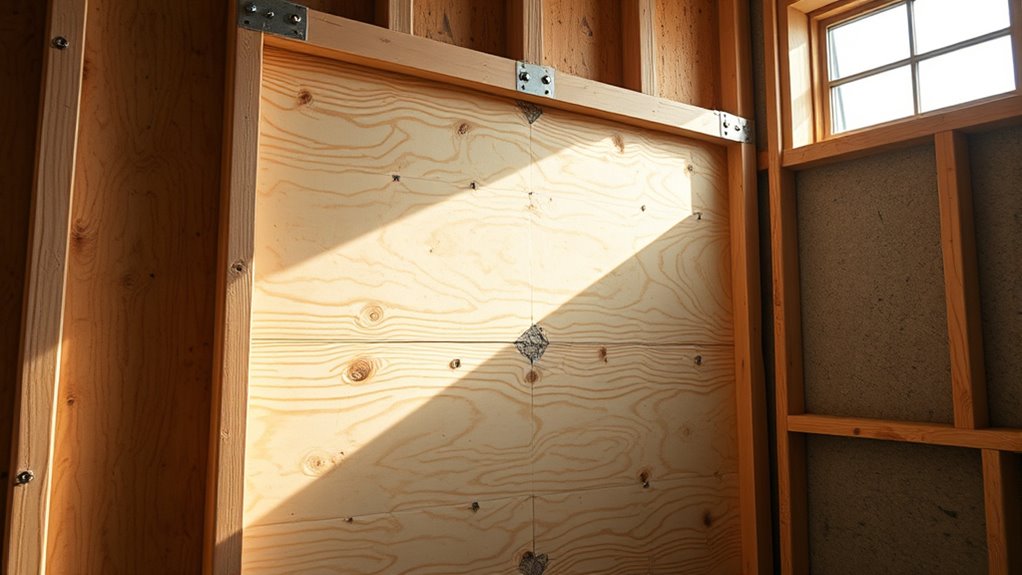
When mounting your gun safe, the first thing you need to do is choose a wall with strong structural support. You want a wall that can handle the weight and provide stability, preventing any chance of the safe tipping or being easily removed. Exterior walls or those that have solid framing are usually your best bet.
Avoid drywall-only walls or partitions with hollow cores since they won’t offer the support needed. If you pick an interior wall, make sure it has sturdy studs spaced closely together. Also, check for any utility lines or pipes inside the wall that could get damaged or limit your mounting options.
Bolt Your Gun Safe to Studs or Concrete
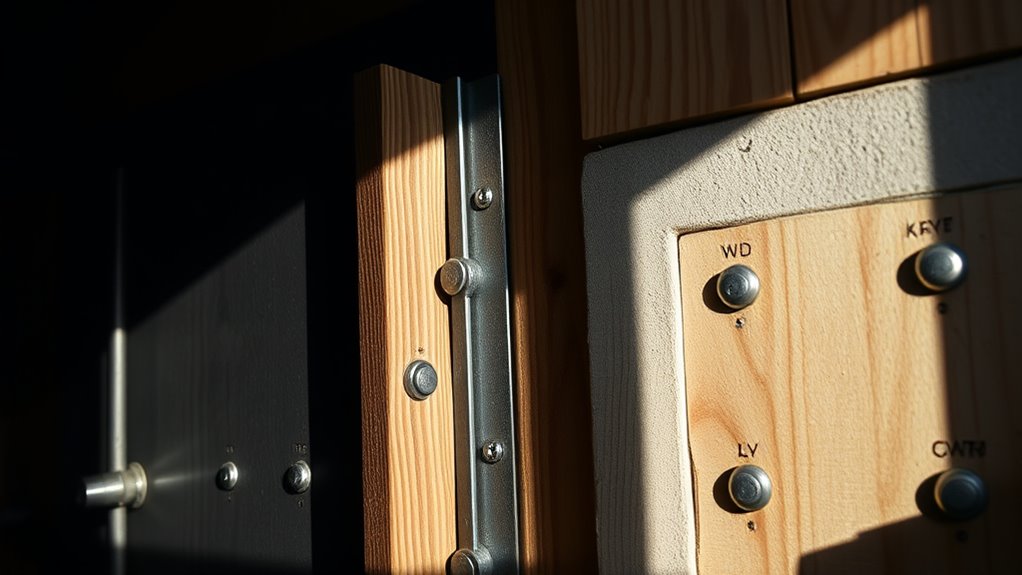
To keep your gun safe secure, you’ll need to bolt it directly into wall studs or concrete floors. Make certain you locate the studs accurately and use heavy-duty anchors designed for the material.
This ensures your safe won’t budge, even under force.
Locate Studs Accurately
Although it might seem straightforward, locating studs accurately is essential for securely mounting your gun safe. If you miss a stud or bolt into drywall alone, your safe won’t be properly anchored and could be compromised. Use a reliable stud finder to scan the wall multiple times, marking each stud’s edges to pinpoint the center.
Studs are typically spaced 16 or 24 inches apart, so once you find one, measuring can help locate the next. Avoid guessing or relying on nails or screws already in the wall, as they may not indicate stud locations. Taking the time to locate studs precisely guarantees you bolt your gun safe into the strongest support, preventing tampering or accidental shifts.
Accurate stud placement is key to your safe’s stability and security.
Use Heavy-Duty Anchors
Two types of heavy-duty anchors are essential for mounting your gun safe securely: those designed for wood studs and those made for concrete. When bolting into wood studs, use lag bolts with washers to guarantee a strong hold. Pre-drill holes to avoid splitting the wood, then tighten bolts firmly to keep the safe immobile.
For concrete walls, use heavy-duty expansion anchors or sleeve anchors that grip tightly once inserted. Make sure to drill the correct hole size and depth for the anchor type you’re using. Avoid using standard screws or nails—they won’t support the safe’s weight or resist tampering.
Properly chosen and installed anchors will notably reduce the risk of theft by preventing easy removal, giving you peace of mind about your gun safe’s security.
Secure To Concrete Floors
Securing your gun safe to concrete floors is one of the most effective ways to prevent theft and guarantee stability. Concrete provides a solid anchor point that makes it extremely difficult for thieves to move or pry your safe loose. To do this, use heavy-duty concrete anchors or bolts designed specifically for masonry.
First, position your safe where you want it, then mark and drill holes through the safe’s base into the concrete. Insert the anchors and tighten them securely. If you’re mounting to wooden studs instead, use long bolts or lag screws to ensure a firm hold.
Either way, bolting your safe down drastically reduces the chance of it being stolen or tipped over, giving you peace of mind about your valuables’ security.
Avoid Exterior Walls to Reduce Break-In Risks
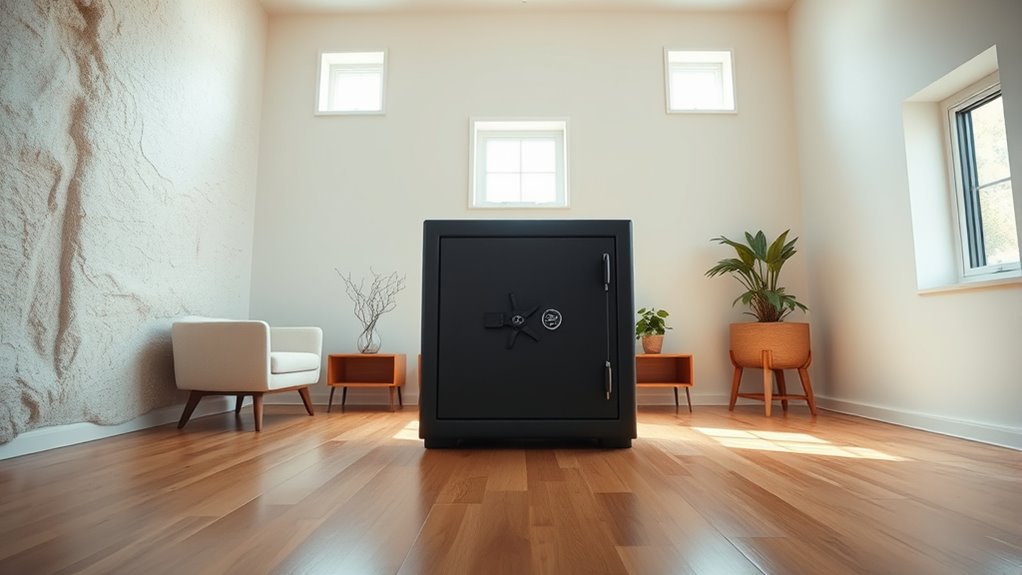
You’ll want to avoid placing your gun safe on exterior walls since they’re easier targets for break-ins. Interior walls offer better protection because they’re less accessible from outside.
Choosing the right wall can make a big difference in keeping your safe secure.
Interior Wall Advantages
Choosing an interior wall to mount your gun safe markedly boosts its security by reducing exposure to potential break-ins. Interior walls are typically surrounded by other rooms, which means there’s less chance someone can access the safe from outside your home. This added buffer makes it harder for intruders to break through unnoticed.
Plus, interior walls often provide more stable structural support, allowing you to anchor your safe securely. You won’t have to worry about thin siding or vulnerable wall materials common to exterior walls. Mounting on an interior wall also helps control environmental factors like temperature and moisture, protecting your firearms and valuables better.
Exterior Wall Vulnerabilities
While mounting your gun safe on an interior wall offers solid protection, placing it on an exterior wall can considerably increase the risk of a break-in. Exterior walls are more vulnerable due to direct access points and thinner structural barriers. Burglars often target these walls because they’re easier to breach, especially around windows or siding.
To maximize security, avoid exterior walls whenever possible.
| Risk Factor | Exterior Wall Impact | Security Tip |
|---|---|---|
| Access Points | Windows, doors nearby | Choose interior locations |
| Wall Material | Often thinner or hollow | Reinforce if exterior used |
| Exposure to Elements | Weather can weaken walls | Regularly inspect for damage |
Use Hidden or Camouflaged Locations to Deter Theft
Although a sturdy lock and heavy safe are essential, the best protection comes from making your gun safe hard to find. You can use hidden or camouflaged locations to keep it out of sight and deter theft. Consider placing the safe behind false walls, inside closets with concealed doors, or under floorboards covered by rugs.
Camouflaging the safe with furniture or storage boxes also helps it blend seamlessly into the room. Avoid obvious spots like garages or basements where intruders often look first. By disguising your gun safe’s presence, you reduce the likelihood of it being targeted, even if someone breaks into your home.
Install Your Gun Safe in a Low-Traffic, Private Area
Hiding your gun safe is a smart move, but where you place it matters just as much. Installing your safe in a low-traffic, private area reduces the chances of unwanted eyes noticing it. Choose a spot tucked away from common pathways—like a rarely used closet, a basement corner, or a private office.
These locations naturally limit access and make it harder for intruders to find your safe quickly.
Mount Your Gun Safe Near Entry Points for Quick Access
You’ll want to place your gun safe near entry points to guarantee quick access when it matters most. Just be sure to balance this convenience with security, so it’s not easily spotted or reached by unauthorized people.
Finding the right spot means thinking about both speed and safety.
Strategic Entry Point Placement
When mounting your gun safe, placing it near main entry points can save valuable time during emergencies. You want quick access without sacrificing security.
Here’s how to strategically position your safe:
1. Identify frequently used doors—front, back, or garage entrances are prime spots. 2. Choose a concealed location near these points to avoid drawing attention. 3. Confirm the safe is mounted on a solid surface to prevent easy removal.
4. Keep pathways clear for swift, unhindered access during urgent situations.
Balancing Access and Security
Placing your gun safe near entry points helps you reach it quickly in emergencies, but it also raises questions about security. You want fast access without making it easy for intruders. To balance this, consider mounting your safe in a discreet spot near the door—like inside a closet or behind furniture—so it’s not immediately visible.
Use strong anchors and guarantee the safe has a reliable locking mechanism. Avoid obvious locations like right next to the front door or in plain sight. Also, think about who else has access; if others live with you, make sure the safe’s location doesn’t compromise security.
Consider Floor Mounting for Extra Stability
Although wall mounting is common, floor mounting your gun safe can provide extra stability that’s hard to beat. When your safe is secured to the floor, it’s much more difficult for thieves to tip it over or remove it entirely.
Here’s why you should consider floor mounting:
- Enhanced Stability – The floor supports the entire weight, reducing the risk of tipping during an attempted break-in or natural events like earthquakes.
- Better Weight Distribution – A floor-mounted safe spreads its weight evenly, preventing damage to walls and ensuring long-term durability.
- Flexibility in Placement – You can position your safe in closets, corners, or even concealed areas without worrying about wall strength.
- Simplified Installation – Many safes come pre-drilled for floor bolts, making the mounting process straightforward and secure.
Keep Your Gun Safe Away From Moisture and Heat
Since moisture and heat can damage both your firearms and the safe itself, it is crucial to keep your gun safe in a dry, temperature-controlled environment. Avoid placing your safe in basements or garages prone to dampness, as humidity can cause rust and corrosion on your guns and the locking mechanism.
Similarly, steer clear of locations near heat sources like furnaces, radiators, or direct sunlight, which can warp safe components or dry out wooden grips on firearms.
To protect your investment, choose a spot with stable temperature and low humidity, such as an interior closet or a well-ventilated room with climate control. Using a dehumidifier or silica gel packs inside the safe can help absorb excess moisture.
Balance Easy Access With Maximum Security
Keeping your gun safe in the right environment protects its contents, but you also need to think about how quickly and securely you can access your firearms. Striking the right balance between accessibility and security ensures you’re prepared for emergencies without compromising safety.
Here are key tips to help you:
- Choose a discreet location that’s easy for you to reach but hidden from casual visitors or intruders.
- Mount the safe at waist or chest height to allow quick access without bending or stretching.
- Use advanced locking mechanisms like biometric locks that only you can open quickly and securely.
- Avoid overly complicated access systems that could slow you down during urgent situations.
Plan for Future Expansion and Additional Safes
When setting up your gun safe, consider how your needs might grow over time. You may acquire more firearms or valuables, requiring additional storage. Planning ahead means choosing a location with enough space to add another safe without compromising security or accessibility.
Think about structural support, too—will the floor or wall hold multiple heavy safes? It’s smart to leave room around your first safe for air circulation and ease of movement, which helps when bringing in new units. Also, consider wiring needs if your safes have electronic locks or alarms; pre-planning can save you from costly modifications later.
If you anticipate adding safes, pick a spot that allows you to maintain a secure perimeter and avoid crowding, which could make your entire setup more vulnerable. By thinking ahead, you guarantee your investment stays protected as your collection grows, and you maintain a practical, secure storage system.
Frequently Asked Questions
What Type of Lock Is Best for a Gun Safe?
You’ll want an electronic lock for quick access or a mechanical dial lock for reliability. Biometric locks are great if you want fast, fingerprint-based entry.
Choose what fits your needs and gives you peace of mind.
How Often Should I Change the Access Code?
You should change your access code every three to six months to keep it secure.
But if you ever suspect someone’s seen it or if there’s been a security breach, don’t wait—change it immediately.
Can a Gun Safe Be Moved After Installation?
Yes, you can move a gun safe after installation, but it’s often heavy and cumbersome. You’ll need help and careful planning to avoid damage.
Re-bolting it securely in the new spot is essential for maintaining security.
What Maintenance Does a Gun Safe Require?
Wondering what maintenance a gun safe needs? You’ll want to clean the lock and hinges regularly, check the battery if it’s electronic, and inspect for rust or damage to keep it secure and functioning properly.
Are Biometric Locks More Secure Than Traditional Locks?
Biometric locks can be more secure since they use your unique fingerprint, making unauthorized access harder. But they can fail due to dirt or power issues, so combining them with traditional locks might be your best bet.
Conclusion
When it comes to mounting your gun safe, think of it like planting a mighty oak—strong roots and a hidden spot keep it standing tall and secure. Bolt it tight to sturdy walls or floors, away from prying eyes and harsh elements, so it’s both a fortress and a secret treasure.
By balancing easy access with maximum security, you’ll create a safe haven that’s ready to grow with you, no matter what the future holds. Following these 10 tips on where to mount a gun safe will ensure you maximize security and protect your valuables effectively. Proper placement is key to making your gun safe both accessible and impenetrable.