Are Homes With Guns Safer?
Having a gun at home doesn’t automatically make you safer. In fact, homes with guns can face increased risks such as accidental injuries, suicide, and domestic violence if firearms are not handled responsibly. Proper training and secure storage are essential to minimizing these dangers.
While guns might deter some intruders, they can also escalate violence during confrontations. It’s important to balance protection with safety when considering a firearm for home defense.
Additionally, alternative defense options and legal factors should be carefully considered to protect your home effectively.
Key Takeaways
- Having a gun in the home does not guarantee safety and may increase risks of accidental injuries and misuse.
- Improper storage of firearms raises the likelihood of accidental shootings, especially involving children or guests.
- Guns can escalate domestic violence and suicide risks, making homes potentially more dangerous.
- Firearms may deter some intruders but can also escalate confrontations if the intruder is armed.
- Combining guns with proper training, safe storage, and home security devices improves overall safety outcomes.
What Research Reveals About Guns and Home Safety
Although many believe having a gun at home increases safety, research paints a more complex picture. When you bring a firearm into your home, it doesn’t automatically guarantee protection. Studies show that having a gun can actually raise the risk of accidental injuries, especially if it’s not stored securely.
You might assume it’s a strong deterrent, but evidence suggests that guns in the home are linked to higher chances of suicide and domestic violence incidents. It’s not just about intruders; everyday risks increase too. You also need to think about how accessible the gun is to children or others who shouldn’t have it.
Proper training and safe storage are vital if you choose to keep a gun. So, while you might think a gun adds safety, research urges caution, emphasizing that the presence of a gun can sometimes make your home less safe rather than more secure.
How Do Guns Affect Crime and Intruder Protection?
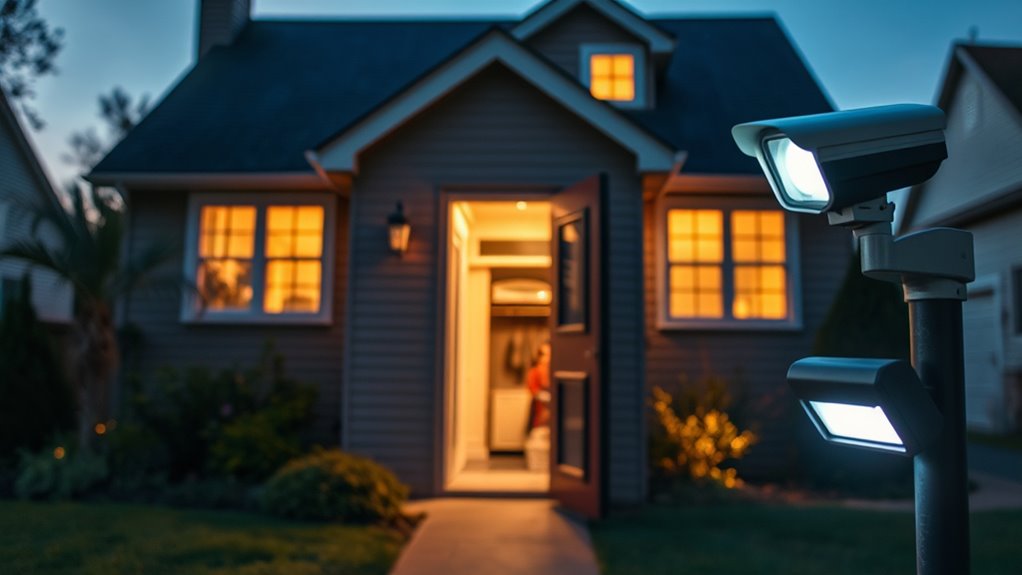
Understanding the risks guns bring inside your home is important, but you might also wonder how they impact your safety when facing an intruder. Having a firearm can give you a sense of control and a way to defend yourself if someone breaks in. Some studies suggest that guns at home may deter burglars, as they prefer easier targets without armed resistance.
However, it’s not a guarantee of safety—using a gun in a stressful situation requires quick judgment and training. You should also consider that guns don’t prevent crime from happening; they only provide a means of response. In some cases, the presence of a gun can escalate violence, especially if the intruder is armed or confrontational.
Ultimately, how guns affect your protection depends on your preparedness, mindset, and ability to handle high-pressure moments safely and responsibly.
What Accident Risks Do Guns Pose at Home?
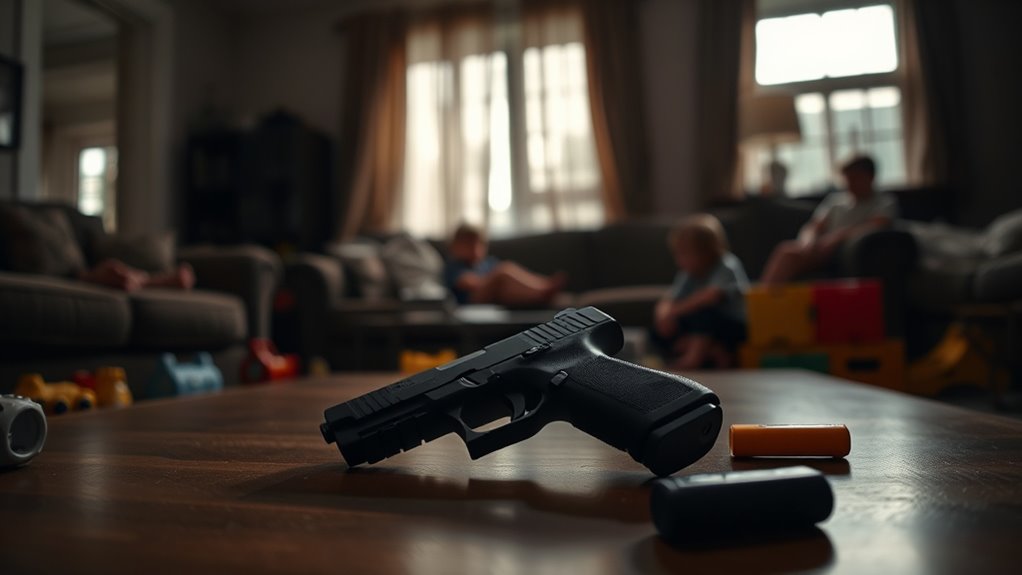
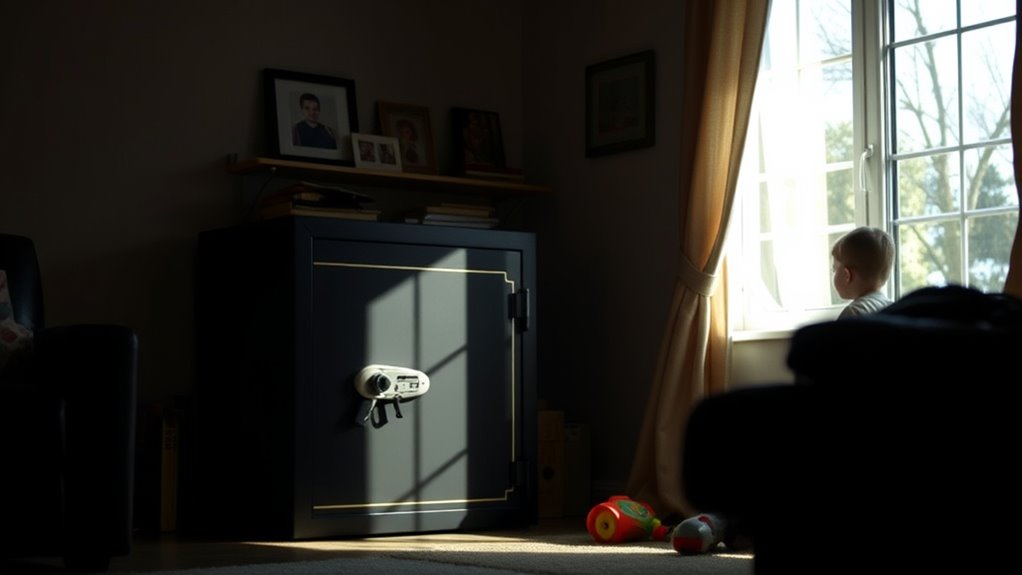
When you bring a gun into your home, you also take on the responsibility of preventing accidents that can cause serious injury or worse. Accidental shootings often happen when guns aren’t stored properly or handled carelessly. If you have children or guests unfamiliar with firearms, the risk increases significantly.
A gun left loaded and unlocked can be picked up by someone who doesn’t know how to use it safely, leading to tragic outcomes. Even experienced owners can make mistakes, like assuming a gun is unloaded or mishandling it during cleaning or transport. Distractions, alcohol, or fatigue can further raise the chance of an accident.
To reduce these risks, you need secure storage—like gun safes or lockboxes—and always follow strict safety protocols. Keeping ammunition separate from the firearm also helps. Remember, the responsibility isn’t just about having a gun; it’s about creating a safe environment to prevent avoidable accidents.
How Does Gun Ownership Influence Domestic Violence Rates?
If you own a gun, you should know that its presence can profoundly affect the dynamics of domestic violence. Studies consistently show that having a firearm in the home increases the risk of lethal outcomes during domestic disputes. The availability of a gun can escalate conflicts, turning situations that might otherwise result in non-fatal injuries into deadly ones.
You should also be aware that firearms make it easier for abusers to exert control through intimidation and threats, increasing the danger for victims. In fact, homes with guns have higher rates of intimate partner homicides compared to those without. If you or someone you know is dealing with domestic violence, having a gun in the house markedly raises the stakes and reduces safety.
Taking steps like secure storage or removing guns from volatile situations can be essential. Understanding these risks helps you make informed decisions about gun ownership and its impact on household safety.
How Do Guns Affect Suicide Rates?
Although guns can offer protection, their presence in a home markedly increases the risk of suicide. You might not realize how accessible a firearm makes impulsive decisions deadly. Studies show that homes with guns see higher rates of suicide, especially because firearms are highly lethal compared to other methods.
When someone’s struggling, the quick availability of a gun can turn a moment of crisis into a fatal act.
Consider this comparison:
| Method | Lethality Rate | Time to Act |
|---|---|---|
| Firearm | 85-90% | Seconds |
| Poisoning | 1-2% | Hours to days |
| Cutting | 5-7% | Minutes to hours |
This table highlights how firearms provide a much faster, more lethal means, limiting chances for intervention or reconsideration.
How Safe Gun Storage Protects Your Home
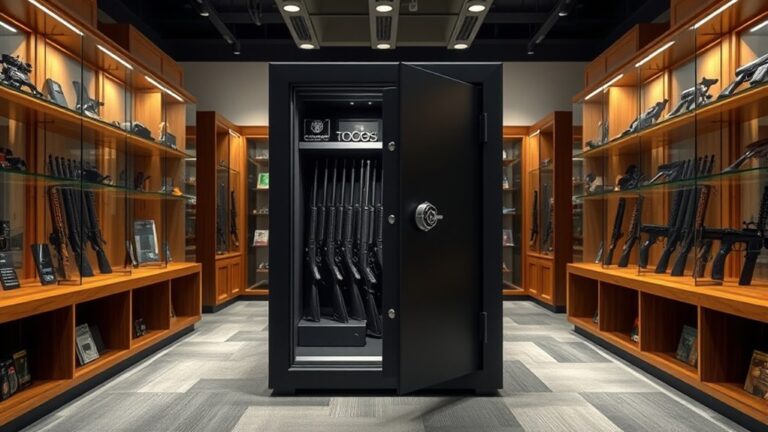
Even though having guns at home can increase risks, you can greatly reduce those dangers by storing them safely. Using secure storage options like gun safes, lockboxes, or trigger locks helps prevent unauthorized access, especially by children or untrained individuals.
When your firearms are unloaded and locked away, you minimize the chance of accidental shootings. Safe storage also lowers the risk of theft, keeping your guns out of criminals’ hands.
Key Legal Considerations for Gun Owners
Storing your guns safely isn’t just about preventing accidents—it also plays a big role in staying within the law. You need to be aware of your state’s specific regulations regarding firearm storage, as many require guns to be locked away, especially if minors live in the home. Failing to comply can lead to serious legal consequences, including fines or criminal charges.
Additionally, you should understand laws about carrying firearms inside your home. Some states allow open or concealed carry without permits, while others have strict rules. It’s essential to know how these laws apply so you don’t unintentionally break them.
Lastly, keep documentation like purchase receipts and registration papers handy, as authorities might request proof of ownership. Staying informed about local and federal firearm laws not only protects you legally but also contributes to responsible gun ownership, helping to guarantee your home remains a safe environment for everyone.
How Do Gun Types and Features Affect Home Security?
When choosing a firearm for home security, it’s important to take into account how different types and features impact your ability to protect yourself effectively. Not all guns are created equal when it comes to ease of use, stopping power, and safety. Consider these key points:
- Type of firearm: Handguns are easier to maneuver in tight spaces, while shotguns and rifles generally offer greater stopping power and accuracy.
- Caliber: Larger calibers deliver more force but may be harder to control, especially under stress.
- Safety features: Look for guns with reliable safeties or consider models with manual safeties to prevent accidental discharges.
- Capacity and reload speed: Higher capacity magazines reduce the need to reload quickly, which can be vital during emergencies.
Understanding these factors helps you select a firearm that matches your comfort level and the specific security needs of your home.
Alternatives to Guns for Home Defense
If you’re looking for ways to protect your home without a gun, there are plenty of options to contemplate. You can invest in security systems, use non-lethal defense tools, or create safe rooms for added protection. Each choice offers a different approach to keeping you and your family safe.
Security System Options
Though guns are often considered the default choice for home defense, there are several effective security system options that can help protect your home without the risks associated with firearms.
You might want to contemplate:
- Monitored Alarm Systems – These alert authorities immediately during a break-in.
- Surveillance Cameras – They deter intruders and provide evidence if needed.
- Smart Doorbells – Let you see and speak to visitors remotely.
- Motion-Activated Lights – These can startle potential intruders and draw attention.
Non-Lethal Defense Tools
While guns are commonly chosen for home defense, you might find non-lethal tools offer effective protection without the risks that come with firearms. Items like pepper spray, stun guns, and personal alarms can deter intruders and give you critical time to call for help. Pepper spray temporarily incapacitates an attacker, while stun guns deliver an electric shock that can disable someone long enough for you to escape.
Personal alarms emit loud sounds that draw attention, potentially scaring off threats. You could also consider a tactical flashlight, which can disorient an intruder and illuminate dark areas. These options reduce the chance of accidental injury or legal complications.
Safe Room Strategies
Because you might prefer to avoid firearms, setting up a safe room can provide a secure retreat during a home invasion. A safe room is a fortified space designed to keep you protected and give you time to call for help.
Here are four key elements to take into account:
- Reinforced door and locks to prevent forced entry.
- Communication tools like a phone or panic button to contact authorities.
- Supplies such as water, a flashlight, and a first-aid kit for emergencies.
- Soundproofing or white noise machines to mask noises and keep your location discreet.
How to Decide If Having a Gun at Home Is Right for You
Deciding whether to keep a gun at home involves weighing your personal safety needs against potential risks. First, consider your environment—is your neighborhood prone to break-ins or violent crime? If so, a gun might offer peace of mind.
Next, assess your comfort and training with firearms. Owning a gun requires understanding safe handling, storage, and legal responsibilities. If you’re unsure or unwilling to commit to proper training, a gun may not be the best choice.
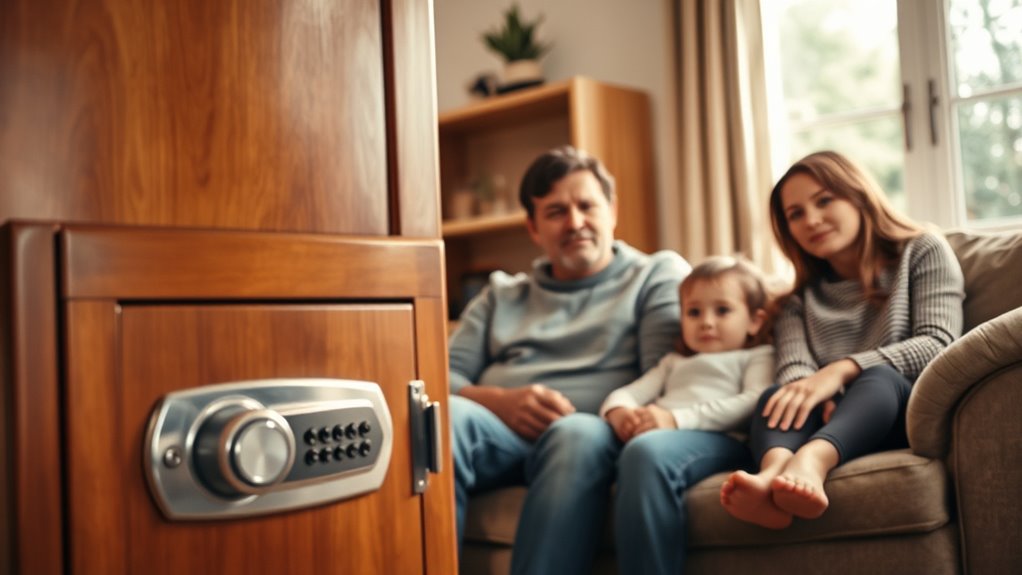
Also, think about who lives with you, especially children or individuals who might accidentally access the weapon. Safe storage is essential to prevent accidents.
Finally, reflect on your emotional response to having a gun nearby—does it make you feel safer or more anxious? Weighing these factors helps you make an informed decision that balances protection with responsibility. Remember, having a gun doesn’t guarantee safety; your actions and precautions matter most.
Frequently Asked Questions
How Does Gun Ownership Impact Homeowner Insurance Rates?
Gun ownership can sometimes raise your homeowner insurance rates because insurers see higher risks of accidents or theft. However, it varies by company, location, and safety measures you’ve taken, like secure gun storage or alarms.
Some insurers may offer discounts if you demonstrate responsible ownership.
Ultimately, the impact depends on your individual circumstances and the policies of your insurance provider.
Can Owning a Gun Affect Property Resale Value?
Think of your home like a book on a shelf—owning a gun can be a controversial title. It might lower resale value since some buyers see it as a risk, while others might not mind or even prefer it.
What Are the Psychological Effects of Having a Gun at Home?
Having a gun at home can make you feel more secure but also increase anxiety or stress about accidents or misuse. It might heighten vigilance, sometimes leading to hyperawareness or fear, affecting your overall mental well-being.
How Do Neighborhood Crime Rates Influence Gun Ownership Decisions?
When sirens wail nearby and shadows lengthen, you’re more likely to own a gun, seeking protection. High neighborhood crime rates make you feel vulnerable, pushing you to secure your home and family with a firearm.
Are There Community Programs for Safe Gun Ownership Education?
Yes, you’ll find many community programs offering safe gun ownership education, including local police workshops, hunting clubs, and nonprofits. These programs teach responsible storage, handling, and legal knowledge to help keep you and others safe.
Conclusion
Owning a gun at home is like holding a double-edged sword—it can offer protection but also bring serious risks. While guns might deter intruders, they increase chances of accidents, domestic violence, and suicide.
You need to weigh these factors carefully, considering your household’s unique situation and exploring safer alternatives.
Ultimately, the decision is yours, so choose wisely to keep your home truly safe and secure. Remember, when deciding if homes with guns are safer, it’s essential to balance potential benefits with the risks involved.