Will Guns Rust in a Safe?
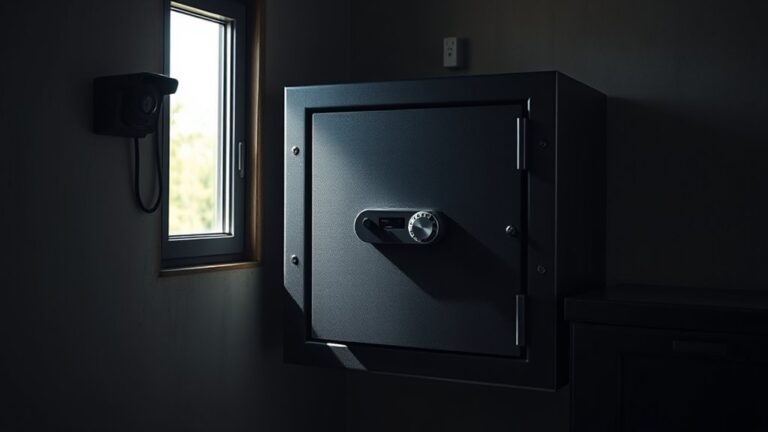
Yes, guns can rust inside a safe, especially when moisture and humidity are present. Rust forms when the humidity level rises above 50%, or when temperature fluctuations cause condensation inside the safe. This makes it important to understand how to prevent rust and protect your firearms.
Metals like carbon steel are more prone to rusting compared to stainless steel, which is more resistant but not completely immune.
To keep your guns rust-free, controlling humidity is essential. Using protective coatings and regularly inspecting your firearms can help maintain their condition.
Additionally, some safes come with features designed to reduce moisture buildup. Simple habits like storing desiccant packs or using dehumidifiers inside your safe can also make a big difference in protecting your guns better.
Key Takeaways
- Guns can rust inside a safe if moisture and humidity are present, but proper storage reduces this risk.
- Humidity above 50% and temperature fluctuations inside a safe accelerate rust formation on guns.
- Carbon steel guns are more prone to rust than stainless steel, which resists but does not fully prevent rust.
- Using dehumidifiers, silica gel packs, and protective coatings inside safes significantly lowers rust chances.
- Regular cleaning, oiling, and maintenance of guns stored in safes help prevent rust development.
Do Guns Rust in a Safe?
How likely is it that your guns will rust inside a safe? The truth is, guns can rust in a safe, but it’s not automatic. Rust forms when moisture interacts with metal, so if your safe traps humidity or isn’t properly ventilated, it creates a perfect environment for corrosion.
However, if you store your guns in a dry, clean safe, the risk drops markedly. Many gun owners use protective coatings, desiccants, or dehumidifiers inside their safes to keep moisture at bay. Also, regular maintenance—like cleaning and oiling your firearms before storage—plays a big role in preventing rust.
How Humidity and Temperature Cause Rust
Keeping moisture under control inside your safe is key to preventing rust, but that requires understanding what causes it in the first place. Rust forms when iron or steel reacts with water and oxygen, a process accelerated by high humidity and fluctuating temperatures.
When humidity rises above 50%, moisture clings to your gun’s metal surfaces, creating an environment where rust can develop quickly. Temperature changes cause condensation inside the safe, adding even more moisture.
Here’s a quick look at how humidity and temperature affect rust formation:
| Factor | Effect on Moisture | Impact on Rust Formation |
|---|---|---|
| Low Humidity | Less moisture in air | Minimal rust risk |
| High Humidity | Moisture condenses on metal | Accelerates rust |
| Stable Temp | Less condensation | Reduces rust risk |
| Fluctuating Temp | Causes condensation | Increases rust risk |
| Constant Moisture | Persistent wetness | Promotes continuous rusting |
Which Gun Metals Rust More Easily?
Although all gun metals can rust under the right conditions, some are more prone to corrosion than others. For example, carbon steel, commonly used in many firearms, rusts more easily because it contains iron, which reacts quickly with moisture and oxygen. If your gun has parts made from carbon steel, you’ll want to be extra cautious about rust.
Stainless steel, on the other hand, resists rust better due to its chromium content, which forms a protective oxide layer. That said, it’s not completely immune—prolonged exposure to high humidity or salty environments can still cause corrosion.
Aluminum and polymer parts don’t rust because they don’t contain iron, but aluminum can corrode under certain conditions.
How to Prevent Rust When Storing Guns
To keep your guns from rusting in a safe, you’ll want to control humidity levels carefully. Applying protective coatings can add an extra layer of defense.
Plus, sticking to a regular maintenance routine will help catch any issues early.
Control Humidity Levels
Why does controlling humidity matter when storing your guns? Because moisture in the air is the main culprit behind rust formation. Even inside a safe, humidity levels can fluctuate, creating a damp environment that promotes corrosion.
To keep your firearms in top condition, you need to maintain a stable, low-humidity environment—ideally between 30% and 50%. Using a reliable dehumidifier or moisture-absorbing products like silica gel packs can help regulate humidity. Make sure to check these moisture absorbers regularly and replace them as needed.
Additionally, avoid storing your safe in damp areas like basements or garages, where moisture is more prevalent. By actively managing humidity, you reduce the risk of rust and ensure your guns stay safe and functional for years to come.
Use Protective Coatings
Even if you control humidity perfectly, your guns still need a protective layer to guard against rust. Applying a protective coating creates a barrier that prevents moisture and air from directly contacting the metal.
You can use oils, waxes, or specialized rust inhibitors designed for firearms to keep your guns safe. Here’s a quick comparison of common options:
| Coating Type | Key Benefit |
|---|---|
| Gun Oil | Easy to apply, excellent rust protection |
| Wax-Based Coatings | Long-lasting, water-resistant |
| Rust Inhibitor Sprays | Quick drying, prevents corrosion |
Choose a coating that fits your storage habits and climate. Regularly applying these coatings ensures your guns stay rust-free, even inside a well-controlled safe.
Regular Maintenance Routine
How often should you check on your guns to keep rust at bay? Ideally, inspect your firearms every one to two months, especially in humid environments. During each check, wipe down your guns with a clean, lightly oiled cloth to remove any moisture or dust that could trigger rust.
Pay close attention to metal surfaces, barrels, and moving parts. Don’t forget to store your guns unloaded and ensure your safe has proper ventilation or a dehumidifier. If you notice any signs of rust, address them immediately using appropriate cleaning tools and lubricants.
Sticking to this regular maintenance routine not only prevents rust but also keeps your firearms in reliable working order. Consistency is key—don’t skip these checks if you want your guns to last.
Safe Features That Help Prevent Rust
Although storing your guns in a safe offers basic protection, certain features are specifically designed to keep rust at bay. Look for safes with humidity control systems, such as built-in dehumidifiers or moisture-absorbing materials, which help maintain a dry environment essential for preventing rust. Many safes also come with airtight seals that block out external moisture and dust, reducing corrosion risk.
Interior linings made of rust-resistant materials or treated wood can further protect your firearms by minimizing contact with damp surfaces. Some high-end safes even incorporate ventilation systems that circulate air to keep humidity levels low. Additionally, consider safes with temperature regulation features since fluctuating temperatures can cause condensation, accelerating rust formation.
When choosing a safe, prioritize these features to create an environment that naturally inhibits rust, giving you peace of mind that your guns stay in top condition without constant worry about moisture damage.
Easy Tips to Keep Your Guns Rust-Free
Since rust can damage your firearms and reduce their reliability, taking simple steps to keep them dry and clean is essential. Start by wiping down your guns with a clean, dry cloth after each use to remove moisture, sweat, or fingerprints. Applying a light coat of gun oil or rust preventative helps create a protective barrier against humidity.
Store your firearms in a climate-controlled safe with a dehumidifier or moisture-absorbing packets like silica gel to keep moisture levels low. Avoid storing guns with leather holsters or fabric sleeves inside the safe, as these materials can trap moisture. Regularly inspect your firearms for any signs of rust or corrosion and clean them promptly if you spot any.
In the end, handle your guns with clean, dry hands to minimize oil and sweat transfer. By following these easy tips, you’ll greatly reduce the risk of rust and keep your firearms in top condition for years to come.
Frequently Asked Questions
Can Gun Oil Expire and Lose Effectiveness?
Yes, gun oil can expire and lose effectiveness over time. You’ll want to check the expiration date and store it properly, as old oil might not protect your firearm well, leading to potential rust or damage.
Does the Type of Gun Cleaning Cloth Matter?
You might think any cloth will do, but it matters—a bad one’s like sandpaper on your gun. You’ll want a soft, lint-free cloth to protect finishes and keep your firearm in top shape without scratches.
How Often Should I Inspect Guns in Storage?
You should inspect your guns in storage at least every three months to check for rust, moisture, and proper lubrication.
Regular checks help keep them in good condition and ready to use when needed.
Can Silicone-Treated Gun Socks Replace Safes?
About 70% of gun owners use safes, but silicone-treated gun socks can’t fully replace them.
You’ll get excellent rust protection, yet they lack security against theft, so combining both is your best bet.
Does Rust Affect Gun Resale Value Significantly?
Yes, rust can considerably lower your gun’s resale value because it damages the metal, affects functionality, and makes it less appealing to buyers.
Keeping your firearm rust-free guarantees you get the best price when selling.
Conclusion
If you think your guns are safe from rust just because they’re tucked away in a safe, think again. Humidity and temperature can sneak in like silent thieves, slowly eating away at your metal.
But with the right precautions—like using dehumidifiers and choosing rust-resistant metals—you can keep your firearms shining like a knight’s armor.
Remember, a little care today keeps rust at bay tomorrow, turning your safe into a fortress against corrosion. Proper gun storage, climate control, and regular maintenance are key to preventing rust in your gun safe.