7 Prices You Need to Know: How Much Shotgun Ammo Costs in 2026
In 2026, shotgun ammo prices vary widely depending on type and purchase location. Understanding the cost of shotgun shells is essential for budget-conscious shooters and hunters.
Prices fluctuate based on factors like ammo type, brand, and where you buy.
Expect to pay about $0.30–$0.70 per birdshot shell, $0.70–$1.50 for buckshot, and $1–$3 for slugs.
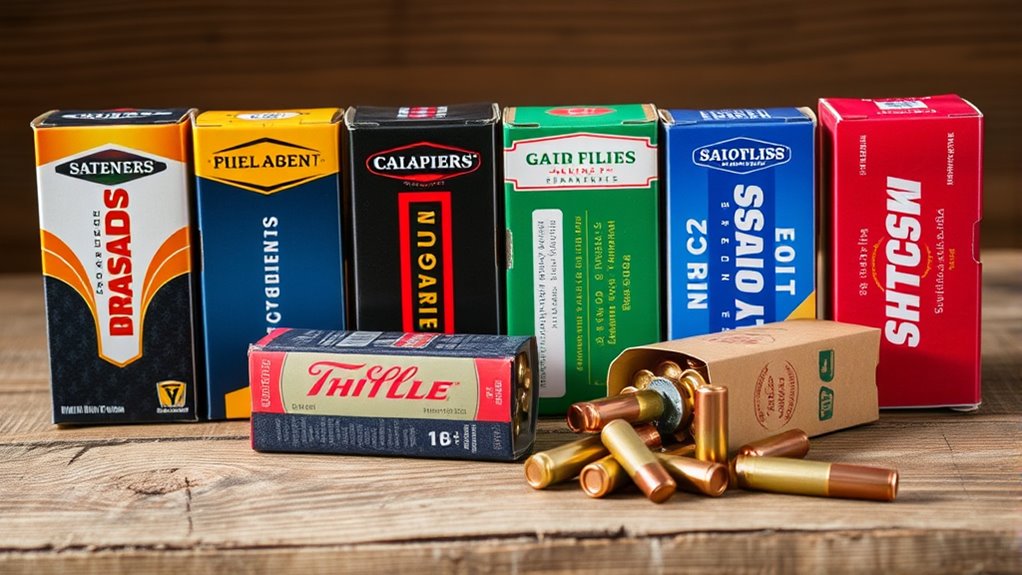
Prices typically range from $15 to $30 per box.
Online sellers often offer the best deals, especially on bulk buys.
Regional differences and brand choices also impact costs.
Keep exploring to uncover how supply, quality, and buying strategies affect your ammo expenses.
Being informed helps you get the best value for your money.
Key Takeaways
- Standard 12-gauge birdshot costs about $0.50–$0.80 per round in 2026.
- Buckshot prices range from $0.70 to $1.50 per shell depending on quality.
- Slugs typically cost between $1.00 and $2.00 per round, with premium types up to $3.
- Ammo boxes generally range from $15 to $30 depending on retailer and location.
- Buying in bulk can reduce per-round costs by 20–30% across most ammo types.
Supply Chain Trends Affecting Shotgun Ammo Prices in 2026
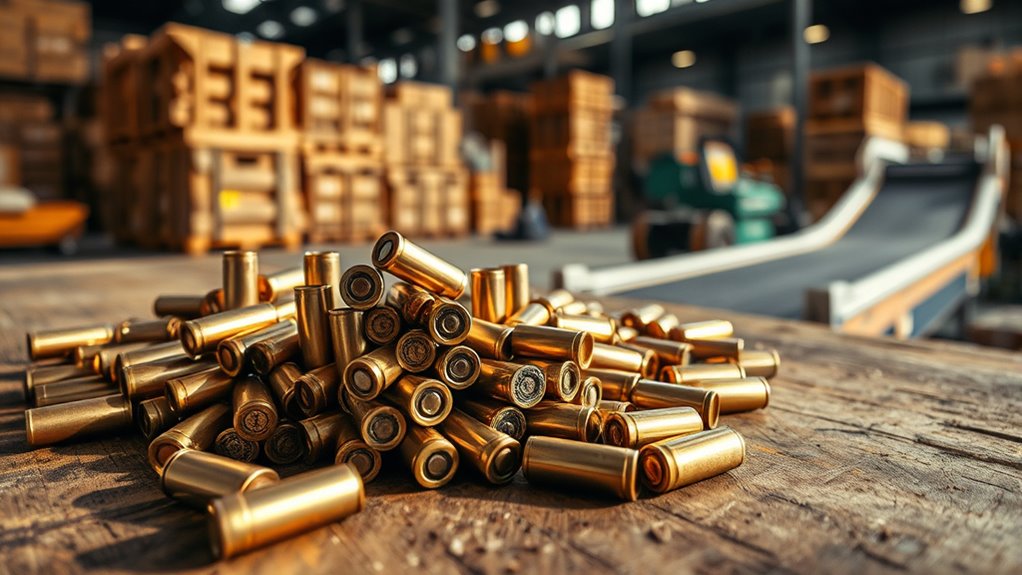
Although you might not see it at first, supply chain trends have a huge impact on shotgun ammo prices in 2026. When raw materials like brass, lead, and gunpowder face shortages or increased costs, manufacturers can’t produce ammo as cheaply. You’ll notice that disruptions such as transportation delays or factory slowdowns also push prices higher because fewer rounds make it to retailers.
Plus, ongoing global challenges—like fluctuating fuel costs and geopolitical tensions—add unpredictability to supply routes, affecting availability and cost. If you’re a buyer, understanding these factors helps explain why prices might spike unexpectedly. Additionally, advancements in manufacturing technology could improve efficiency, potentially stabilizing prices if companies adopt them quickly.
However, unpredictable events, like natural disasters or policy changes related to ammunition manufacturing or distribution, often override these improvements. So, keeping an eye on supply chain news gives you insight into why shotgun ammo costs might shift, helping you make smarter purchasing decisions throughout 2026.
Standard 12-Gauge Shotgun Ammo Prices in 2026
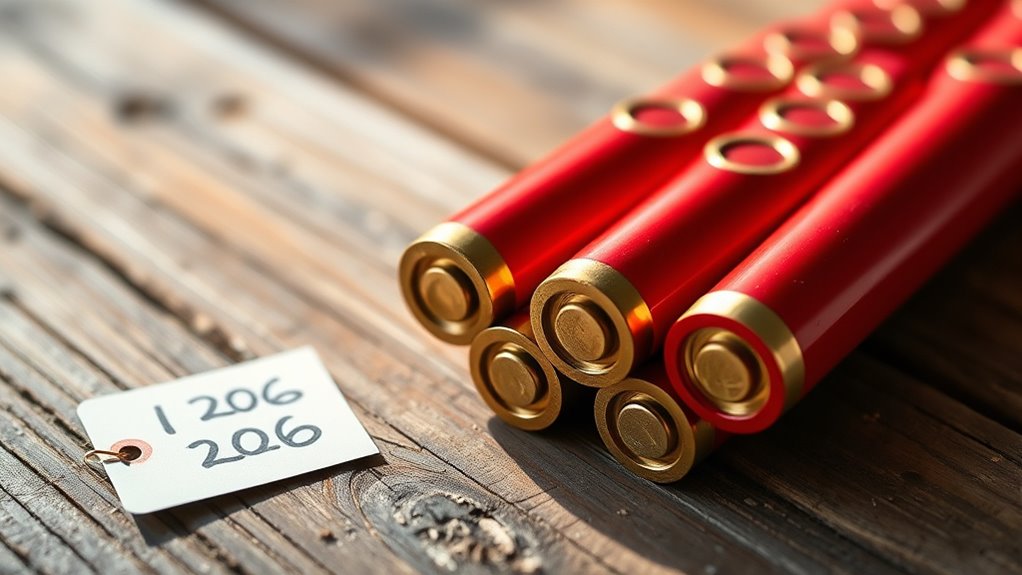
If you’re shopping for standard 12-gauge shotgun ammo in 2026, you’ll find prices generally fall within a certain range depending on brand and load type. Understanding the key factors influencing these costs, like materials and manufacturing, can help you spot a fair deal.
Let’s take a closer look at what’s driving those price tags.
Common Price Ranges
When you’re shopping for standard 12-gauge shotgun ammo in 2026, you’ll find prices generally fall within a predictable range. On average, target and birdshot shells cost between $0.50 and $0.80 per round, making them affordable for most shooters. For buckshot, prices typically hover around $0.70 to $1.00 per shell due to their specialized use.
Slugs, being more powerful and precise, usually range from $1.00 to $1.50 each. Buying in bulk often lowers the cost per round, so consider purchasing larger quantities if you shoot frequently. Keep in mind, these prices reflect typical retail rates, giving you a solid baseline for budgeting your ammo needs without surprises.
With these ranges, you can plan your purchases confidently in 2026.
Factors Influencing Costs
Because several factors affect the price of 12-gauge shotgun ammo in 2026, understanding what drives costs can help you make smarter buying decisions. First, raw material prices like lead, steel, and gunpowder directly impact ammo costs—when these materials get pricier, so does your ammo. Manufacturing complexity also matters; specialty loads with unique shot types or enhanced performance often come with a higher price tag.
Supply chain disruptions or increased demand, especially during hunting seasons or political uncertainty, can cause prices to spike. Brand reputation and quality control influence costs too, as trusted brands may charge more for reliability. Finally, local regulations or taxes in your area might affect prices.
Knowing these factors lets you gauge when to buy or stock up, helping you save money in the long run.
Prices for Specialty Shotgun Ammo: Slugs, Buckshot, Birdshot
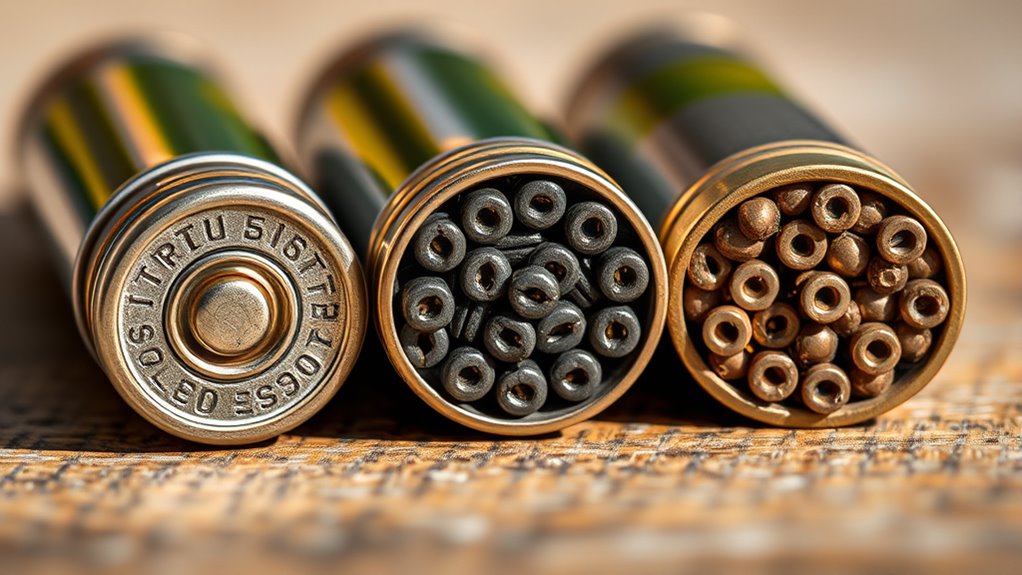
When it comes to specialty shotgun ammo, you’ll notice slugs usually cost more than buckshot and birdshot. You’ll also find some price differences between buckshot and birdshot depending on brand and load.
Let’s break down what you can expect to pay for each type in 2026.
Slugs Price Breakdown
Although slugs aren’t as common as birdshot or buckshot, you’ll want to understand their price range since they’re essential for certain hunting and defense scenarios. Typically, slug ammo costs more than standard birdshot due to its specialized design and heavier projectile. In 2026, expect to pay around $1 to $2 per round, depending on the brand and load specifics.
Premium or specialty slugs, like rifled or sabot types, can push prices closer to $3 per round. Buying in bulk often reduces the cost per slug, which is something to ponder if you use them regularly. Keep in mind that while slugs are pricier, their effectiveness at longer ranges and stopping power often justifies the investment.
Buckshot vs Birdshot Costs
If you’re comparing buckshot and birdshot costs, you’ll find noticeable differences influenced by their intended uses and pellet sizes. Buckshot, designed for larger game and self-defense, typically costs more per round due to its larger pellets and denser payload. You can expect to pay around $0.75 to $1.50 per shell, depending on brand and load.
Birdshot, used mainly for small game and clay shooting, is usually less expensive, often ranging from $0.30 to $0.70 per shell. Its smaller pellets and lighter payload make it cheaper to produce. When budgeting, keep in mind that specialized loads like premium buckshot or low-recoil birdshot can vary outside these ranges.
Knowing these cost differences helps you choose the right ammo without overspending.
Regional Variations in Shotgun Ammo Costs Across the U.S
Since shotgun ammo prices vary widely across the U.S., knowing the regional differences can help you find the best deals. For example, in the Midwest, ammo tends to be more affordable due to higher hunting activity and greater supply. States like Kansas and Missouri often offer competitive prices, making it a smart region to shop in if you’re near those areas.
Conversely, on the West Coast, especially in California, strict regulations and limited availability drive prices up, which means you’ll likely pay a premium.
In the South, where shotgun use is popular for hunting and sport shooting, prices usually sit somewhere in the middle. The Northeast often sees higher costs due to shipping fees and tighter laws affecting distribution. By understanding these regional trends, you can plan your purchases better, potentially stock up when you’re in a lower-cost area, and avoid paying more than necessary depending on where you live or travel.
Budget vs. Premium Shotgun Ammo Brands: What You Get
When shopping for shotgun ammo, you’ll notice a clear divide between budget and premium brands, each offering distinct benefits. Budget ammo tends to be more affordable, making it ideal for practice sessions or high-volume shooting.
While it may not have the same level of consistency or advanced materials found in premium options, it generally performs well enough for casual use and training.
Premium shotgun ammo, on the other hand, often features superior components, tighter quality control, and enhanced ballistics. This translates to better accuracy, reduced recoil, and improved reliability, which can be *essential* for hunting or competitive shooting.
You’ll also find specialized loads in this category, such as low-flash or reduced recoil shells.
Ultimately, the choice depends on how you plan to use your shotgun. If you want dependable performance for serious applications, premium brands are worth the extra cost.
But if you’re just honing your skills, budget ammo offers solid value without breaking the bank.
How Bulk Buying Affects Shotgun Ammo Prices in 2026
Choosing between budget and premium shotgun ammo sets the stage for how much you’ll spend overall, but buying strategy can also make a big difference. When you buy in bulk, you often lock in lower per-shell prices, which is great if you shoot frequently. However, it’s important to consider storage space and shelf life before loading up.
Here’s how bulk buying affects prices in 2026:
- Lower Cost per Round: Buying packs of 250 or more reduces the cost significantly, sometimes by 20-30% compared to smaller packs.
- Upfront Investment: You’ll spend more initially, so it’s better if you have consistent usage or a planned shooting schedule.
- Potential for Overstock: If your needs change or ammo sits unused, you might waste money due to degradation or changing preferences.
Where to Find the Best Deals on Shotgun Ammo in 2026
If you want to save money on shotgun ammo in 2026, knowing where to look is just as important as knowing what to buy. Online retailers often have competitive prices and frequent sales, making them a top choice.
Local gun shops may offer loyalty discounts or bundle deals if you build a relationship. Don’t overlook big-box stores—they occasionally drop prices on popular ammo brands.
Ultimately, check out shooting ranges; some offer discounted ammo to members or customers.
| Source | Price Range (per box) | Notes |
|---|---|---|
| Online Retailers | $15 – $25 | Frequent flash sales |
| Local Gun Shops | $18 – $28 | Loyalty discounts possible |
| Big-Box Stores | $20 – $30 | Limited brand selection |
| Shooting Ranges | $17 – $27 | Member discounts available |
Frequently Asked Questions
How Does Shotgun Ammo Performance Vary by Brand in 2026?
You’ll find shotgun ammo performance varies by brand in 2026 due to differences in powder quality, shot consistency, and wad design. Some brands deliver better accuracy and recoil control, so you’ll want to test several to find your favorite.
What Are the Environmental Impacts of Shotgun Ammo Production?
You’ll find shotgun ammo production impacts the environment through heavy metal contamination, energy use, and habitat disruption. Choosing eco-friendly options can reduce pollution and wildlife harm, so it’s smart to take into account those when buying ammo.
Are There New Regulations Affecting Shotgun Ammo in 2026?
You’ve got to stay informed, stay prepared, stay responsible. Yes, there are new regulations in 2026 tightening lead content limits, enhancing safety standards, and requiring clearer labeling, so you’ll need to adapt your choices and practices accordingly.
How Should I Store Shotgun Ammo for Long-Term Use?
You should store shotgun ammo in a cool, dry place, away from direct sunlight and moisture. Use airtight containers with desiccants to prevent corrosion, and keep it locked up safely, ensuring it stays stable for long-term use.
What Safety Tips Are Essential When Handling Shotgun Ammo?
You don’t want accidents, so always keep your shotgun ammo dry, cool, and away from kids. Don’t mix old and new rounds, avoid dropping cartridges, and never point your gun at anything you don’t intend to shoot.
Conclusion
When it comes to shotgun ammo in 2026, knowing prices helps you make smart choices. Remember, “you get what you pay for”—budget brands might save you cash, but premium ammo often delivers better performance. Keep an eye on regional differences and consider buying in bulk to stretch your dollars.
With supply chain trends shifting, staying informed means you’ll always be ready to find the best deals without breaking the bank. Understanding how much shotgun ammo costs in 2026 allows you to plan purchases wisely. This knowledge ensures you balance quality and affordability for every shooting need.