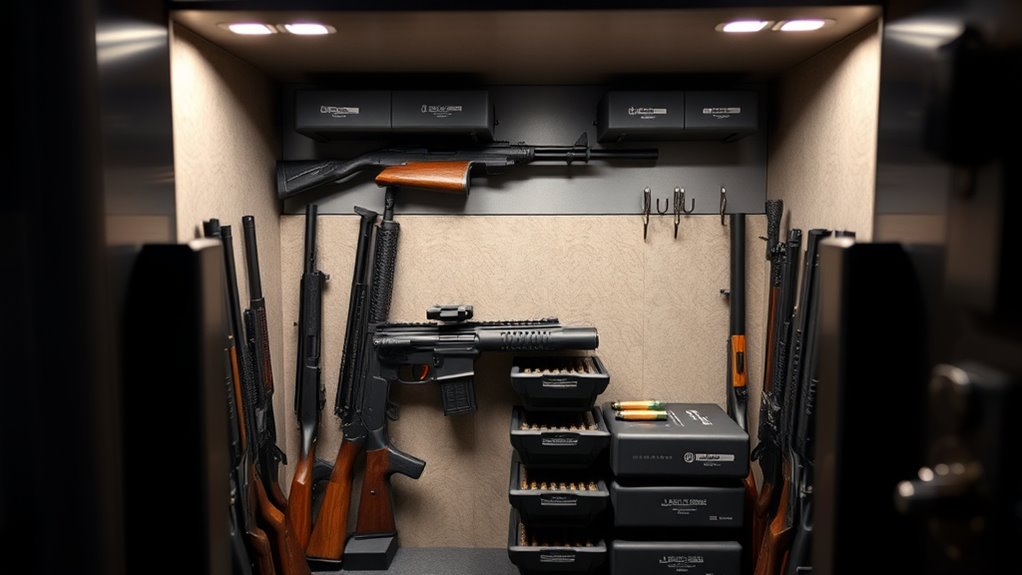
10 Tips to Organize a Gun Safe Efficiently
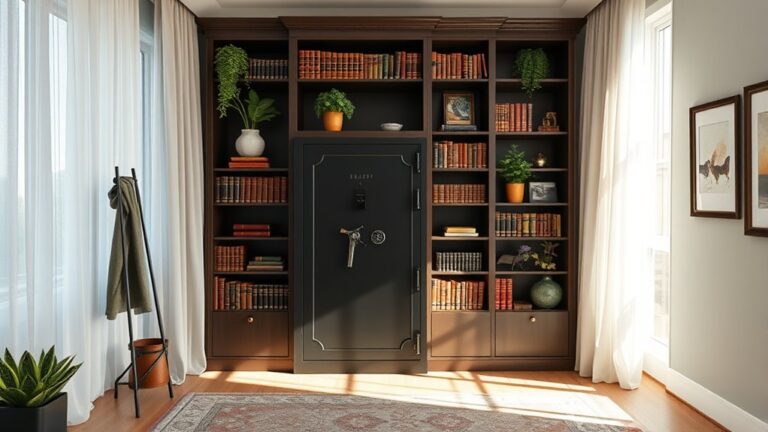
To organize your gun safe efficiently, start by measuring its size and customizing adjustable shelves to fit your collection. Proper gun safe organization not only maximizes space but also enhances safety and accessibility.
Sorting firearms by type and purpose is essential for quick retrieval.
Use vertical storage to make the most of available space. Keep ammo, cleaning supplies, and valuables in lockboxes nearby to maintain order and security.
Control humidity and temperature inside the safe to prevent rust and damage.
Label sections clearly for quick access and ease of use. Regularly review and update your setup to stay organized and ensure everything is in its place.
As you explore further, you’ll find tips to enhance safety and accessibility even more.
Key Takeaways
- Customize your gun safe layout with adjustable shelves and racks to accommodate different firearm sizes and accessories.
- Organize firearms by type and purpose, using labeled sections or color-coding for quick identification and access.
- Maximize space by using vertical storage, padded dividers, and lockboxes sized for specific items to protect and organize efficiently.
- Maintain optimal humidity (35-50%) and stable temperatures (60-75°F) inside the safe to prevent rust and corrosion.
- Regularly review and update your inventory, labels, and arrangement to keep the safe organized and firearms well-maintained.
Assess Your Gun Safe’s Size and Layout
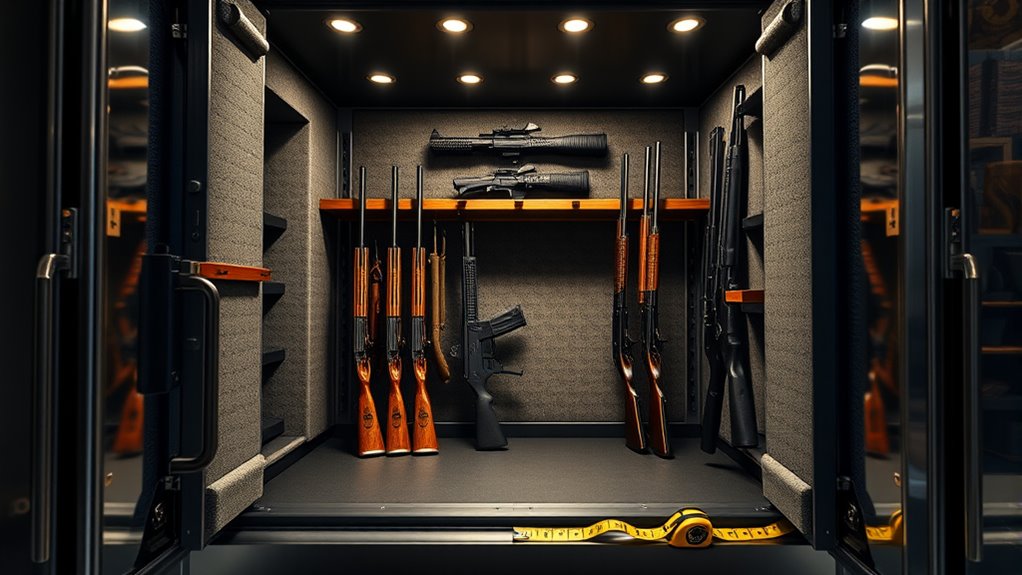
Before you begin organizing your gun safe, you’ll want to assess its size and layout carefully. Knowing the exact dimensions helps you figure out how many firearms and accessories can fit comfortably without overcrowding. Take note of shelves, compartments, and any built-in racks.
These features will influence how you arrange your items for easy access and maximum security. Consider how much vertical and horizontal space you have. Are there adjustable shelves you can reposition?
This flexibility can be a game-changer when customizing storage for different-sized firearms or gear. Also, check if the safe has padded areas or spots where items might rub against each other, as this can cause damage over time.
Sort Your Firearms by Type and Purpose
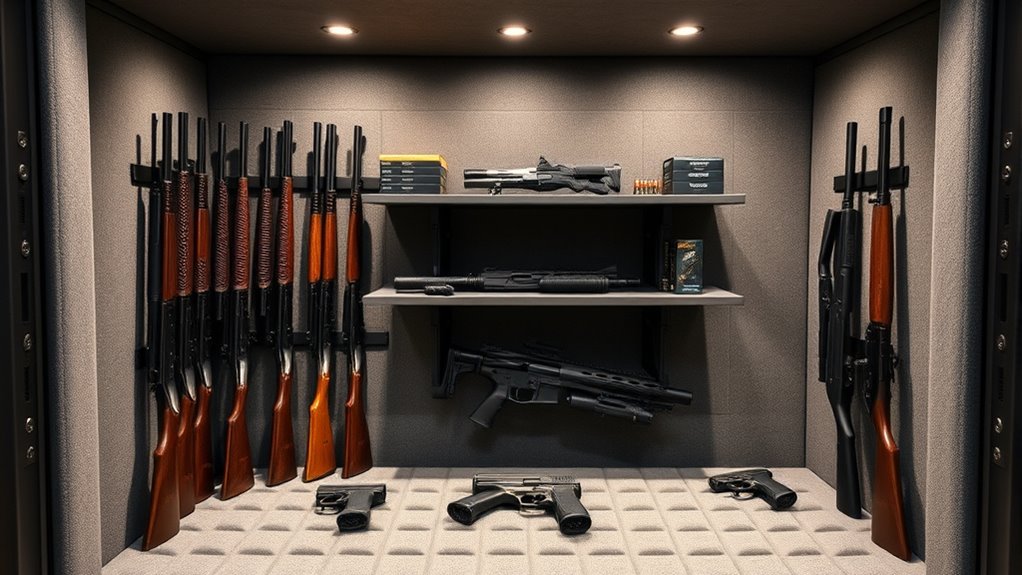
Start by grouping your firearms based on their type, like rifles, handguns, and shotguns. Then, create sections in your safe that reflect their intended use, such as hunting, home defense, or target shooting.
This way, you’ll find what you need quickly and keep everything organized.
Categorize By Firearm Type
When organizing your gun safe, grouping firearms by type and purpose makes it easier to find exactly what you need quickly. Start by separating pistols, rifles, and shotguns, then consider subcategories like hunting, target shooting, or self-defense. This method keeps your collection orderly and accessible.
Here’s a simple way to categorize:
| Firearm Type | Example Models | Common Uses |
|---|---|---|
| Pistols | Glock 19, Sig P320 | Self-defense, Range |
| Rifles | AR-15, Remington 700 | Hunting, Precision |
| Shotguns | Mossberg 500, Benelli M4 | Home defense, Hunting |
Assign Purpose-Based Sections
Dividing your gun safe into clear, purpose-based sections helps you grab the right firearm in any situation without wasting time. Start by grouping your guns based on their intended use—self-defense, hunting, target shooting, or collecting. This way, if you need a home defense weapon quickly, you won’t have to sift through hunting rifles.
Within each section, arrange firearms by size or frequency of use for even faster access. Labeling these sections or using dividers can keep everything neat and unmistakable. Remember, organizing by purpose not only streamlines retrieval but also helps you maintain your collection better, as you can easily spot which firearms need cleaning or maintenance.
This system saves time and enhances your overall shooting experience.
Add Adjustable Shelves and Racks
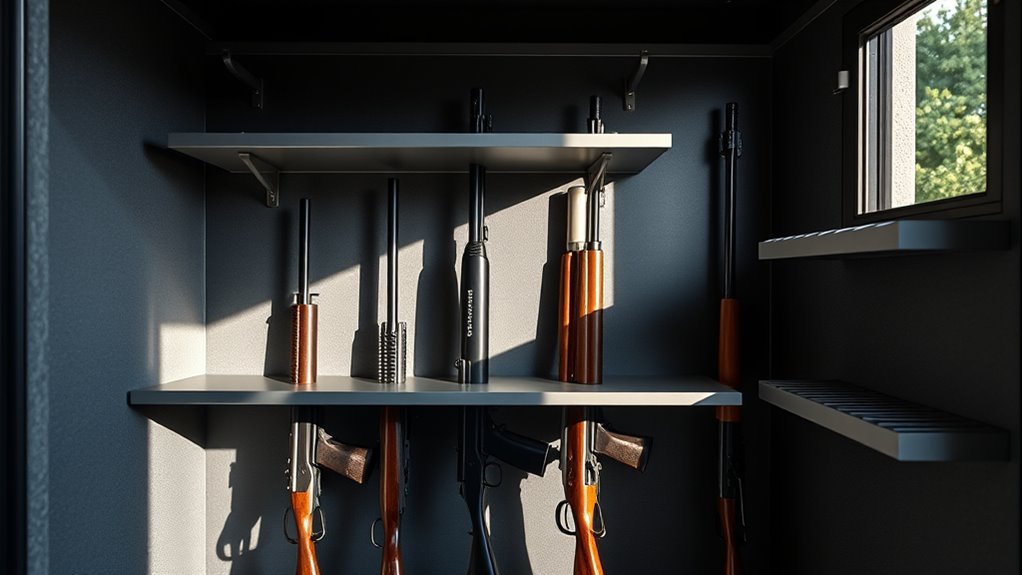
Although gun safes come with fixed compartments, adding adjustable shelves and racks gives you the flexibility to customize the space exactly how you need it. By installing adjustable components, you can easily modify shelf heights to accommodate different firearms, ammo boxes, or accessories without wasting any space. This adaptability means you won’t be limited by the original layout and can reorganize as your collection grows or changes.
When choosing shelves and racks, look for sturdy materials that can handle the weight and provide secure support. Adjustable racks also help keep smaller items like magazines, cleaning kits, or optics neatly organized and accessible. Plus, they make it easier to separate different categories of gear, reducing clutter and improving overall safety.
Take advantage of these customizable features to create a well-ordered gun safe tailored to your unique needs, helping you find what you want quickly and maintain a tidy, efficient storage system.
Maximize Space With Vertical Gun Storage
Adjustable shelves and racks help you customize your safe’s interior, but to truly maximize space, vertical gun storage is a smart strategy. Storing your firearms upright not only saves floor space but also keeps them easily accessible and visible. You can use vertical racks or slotted foam inserts to hold rifles and shotguns securely.
This method prevents guns from leaning or scratching each other, reducing wear and tear. Make sure to measure your firearms accurately before setting up vertical storage to optimize every inch of your safe. You can combine vertical storage with adjustable shelves to accommodate pistols and accessories below.
Consider installing padded dividers or foam to protect your guns from impact. Vertical storage also allows you to fit more firearms in a smaller footprint, helping you keep your collection organized without overcrowding. With this setup, accessing any firearm becomes quick and hassle-free, enhancing both safety and efficiency.
Keep Ammo Organized and Within Reach
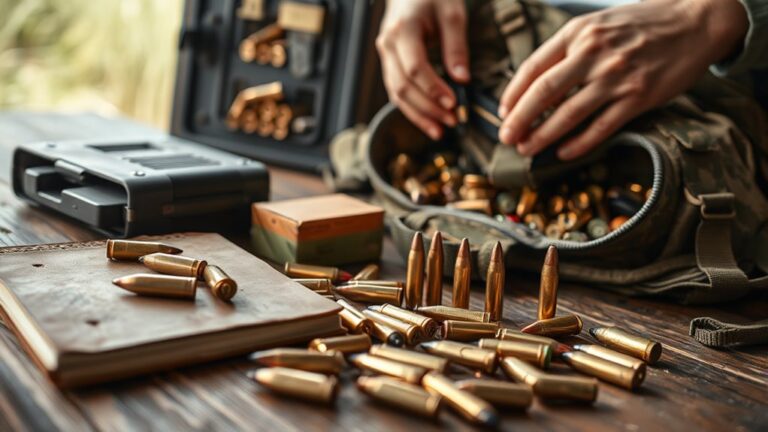
How do you keep your ammunition both organized and easily accessible? Start by designating specific shelves or compartments solely for your ammo. Use clear plastic bins or stackable ammo boxes to separate different calibers, preventing mix-ups and saving time.
Keep your most-used rounds within arm’s reach for quick access during emergencies. A small, portable ammo caddy inside the safe can also help you grab what you need without rifling through multiple containers.
Here’s a simple way to organize your ammo:
| Caliber | Type | Location |
|---|---|---|
| 9mm | FMJ | Top shelf, left bin |
| .223 Remington | Hollow Point | Middle shelf, right bin |
| .45 ACP | FMJ | Bottom shelf, center bin |
| .308 Winchester | Soft Point | Bottom shelf, left bin |
Keeping ammo grouped by caliber and type guarantees you’re always prepared and reduces clutter.
Label Gun Safe Contents for Quick Identification
Once you’ve sorted your ammo for easy access, the next step is to label your gun safe contents clearly. This simple step saves you time and frustration when you need to find a specific firearm or accessory quickly. Use durable labels or tags that won’t fade or peel over time.
Consider color-coding different sections, such as pistols, rifles, or accessories, to make identification even faster. You can also label shelves or drawers to keep everything consistently organized. If you have multiple guns of the same type, include details like model names or calibers on each label.
Keep a master inventory list inside or near the safe to cross-check your labels and track your collection. Remember, clear labeling reduces the chances of misplacing items and helps maintain your safe’s organization over time. By taking a few minutes to label everything, you’ll make your gun safe more efficient and user-friendly in any situation.
Store Cleaning Supplies and Accessories Nearby
Keeping at least a few cleaning supplies and accessories close to your gun safe guarantees you can maintain your firearms properly without hunting for tools. Having these essentials nearby saves time and encourages regular upkeep, which is vital for your guns’ performance and longevity.
Consider dedicating a small shelf or drawer next to your safe for quick access.
Make sure to include these must-have items:
- Gun cleaning kits with brushes and rods tailored to your firearms
- Quality gun oil and lubricants to prevent rust and assure smooth operation
- Cleaning patches and cloths for wiping down after use
- Bore snakes or similar tools for quick barrel cleaning
Use Lockboxes for Valuables Inside Your Safe
Along with storing cleaning supplies nearby, it’s smart to set aside space within your gun safe for valuables. Using lockboxes inside your safe adds an extra layer of security for items like important documents, jewelry, or cash. These smaller lockboxes can be secured with combination locks or keys, ensuring that even if someone gains access to your gun safe, your most sensitive belongings remain protected.
Lockboxes also help keep your valuables organized and prevent them from shifting around when you open the safe. Choose lockboxes that fit comfortably inside your safe without wasting space. Clear or labeled boxes can make it easier to find what you need quickly.
Maintain Optimal Humidity and Temperature for Gun Preservation
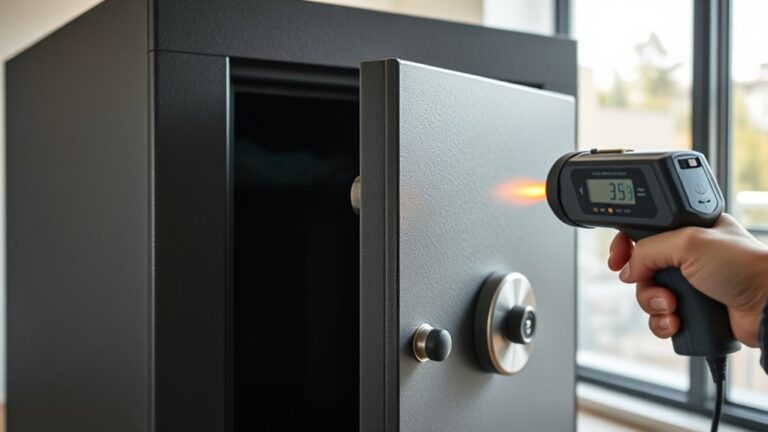
You’ll want to keep your gun safe at the right humidity level, ideally between 35-50%, to prevent rust and corrosion. Controlling the temperature and using moisture absorbers can make a big difference in preserving your firearms.
Let’s look at how to maintain these conditions effectively.
Ideal Humidity Levels
Although gun safes provide security, they won’t protect your firearms from damage caused by improper humidity and temperature levels. Keeping the right humidity inside your safe is essential to prevent rust, corrosion, and warping. Ideally, you want to maintain relative humidity between 35% and 50%.
Too much moisture invites rust, while too little can dry out wooden stocks.
To manage ideal humidity levels, consider:
- Use silica gel packs or dehumidifiers to absorb excess moisture
- Place a hygrometer inside your safe to monitor humidity
- Avoid storing firearms in damp areas before placing them in the safe
- Regularly check and replace moisture-absorbing materials to keep conditions stable
Temperature Control Tips
How can you guarantee your firearms stay in top condition beyond managing humidity? Temperature control plays an essential role in preserving your guns. Keep your safe in a location where temperatures remain steady, ideally between 60-75°F.
Avoid spots near heat sources like radiators or direct sunlight, which can cause expansion and contraction, potentially damaging internal components. Using a small fan or climate control device inside the safe can help maintain consistent airflow and temperature. Make sure your safe is well-insulated to protect against extreme cold or heat.
Sudden temperature changes can lead to condensation, so stability is key. By controlling temperature alongside humidity, you’ll create an environment that safeguards your firearms’ longevity and reliability without risking damage from thermal stress.
Preventing Rust and Corrosion
Why does maintaining the right humidity and temperature matter so much for your firearms? Because improper conditions lead to rust and corrosion, which can damage your guns and reduce their value and performance.
To keep your firearms in top shape, control the environment inside your safe carefully. Here’s what you should focus on:
- Maintain humidity levels between 35-50% to prevent moisture buildup.
- Use desiccants or dehumidifiers to absorb excess moisture.
- Keep the temperature stable and avoid extreme fluctuations.
- Regularly inspect your firearms and clean them to remove any signs of rust.
Review and Refresh Your Gun Safe Setup Regularly
Since your collection and needs can change over time, it’s important to review and refresh your gun safe setup regularly. Doing so helps you stay organized and guarantees your firearms are stored safely and efficiently. Take the time every few months to assess your current arrangement.
Remove any guns you no longer use or have added, and adjust your storage system accordingly. Check for any signs of wear, moisture, or rust, and address these issues immediately. Refresh your organization by re-labeling compartments, updating inventory lists, and rearranging firearms for easier access based on your current priorities.
This practice keeps your setup practical and secure. Regular reviews also help you identify if you need additional storage solutions or accessories. Staying proactive prevents clutter from building up and keeps your collection in top condition.
Frequently Asked Questions
How Do I Choose the Right Gun Safe Lock Type?
You’ll want to choose a lock type based on your convenience and security needs. Electronic locks offer quick access, mechanical dials are reliable without batteries, and biometric locks provide fast, personalized entry—pick what fits your lifestyle best.
What Are the Best Security Features for a Gun Safe?
Your gun safe should be a fortress—look for biometric locks, reinforced steel, and fireproofing. Tamper alarms and relocking mechanisms add layers of defense, ensuring your valuables are guarded like a dragon’s hoard you’d never want to lose.
Can I Install My Gun Safe in a Hidden Location?
Yes, you can install your gun safe in a hidden location. Just make sure it’s accessible, well-ventilated, and secure.
Concealing it behind furniture or inside closets works well to keep your firearms discreet and safe.
How Often Should I Change the Gun Safe Combination?
Better safe than sorry—you should change your gun safe combination at least once a year or immediately if you suspect it’s been compromised.
Regular updates keep your valuables secure and give you peace of mind.
Are Biometric Gun Safes More Secure Than Traditional Ones?
Biometric gun safes can be more secure since they use unique fingerprints, reducing unauthorized access risks. However, you shouldn’t rely solely on them; combining biometrics with strong mechanical locks offers better overall protection.
This dual approach ensures that even if one security measure fails, the other provides a backup layer of safety. It also mitigates potential issues like fingerprint sensor malfunctions or power outages.
Ultimately, integrating multiple security features enhances the reliability and security of gun storage.
Conclusion
By organizing your gun safe efficiently, you’re not just storing firearms—you’re creating a fortress of safety and readiness. Like a well-tuned orchestra, every piece has its place, making your collection easier to access and maintain.
Keep reassessing and adjusting your setup to guarantee it stays in harmony with your needs. With these tips, you’ll protect your investment and peace of mind, turning chaos into calm with just a little effort.
Efficient gun safe organization enhances safety, accessibility, and maintenance, ensuring your firearms are secure and ready when needed. Use these 10 tips to organize your gun safe efficiently and maintain order in your collection.