How to Identify Ammo Considered Standard Velocity .22LR
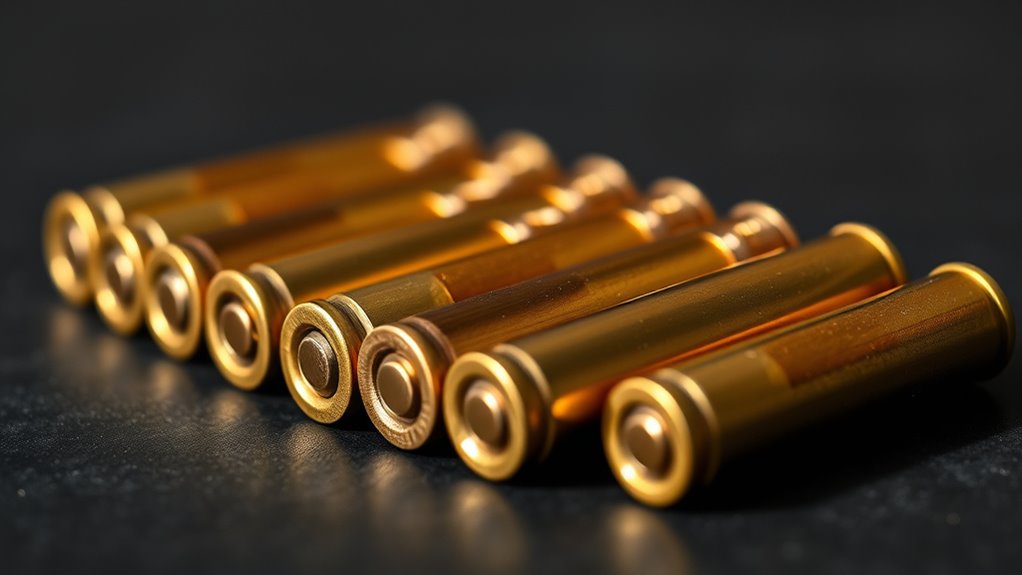
To identify standard velocity .22LR ammo, start by checking the velocity rating on the packaging. Standard velocity rounds typically range from 1,070 to 1,130 feet per second, making them distinct from other types.
These rounds usually feature a 40-grain bullet weight.
This ammo offers balanced recoil and noise levels, which contributes to reliable accuracy during shooting.
It’s important not to confuse standard velocity with high-velocity or subsonic labels, as those fall outside this speed range.
Understanding these differences helps improve your shooting experience and ensures you select the right ammo for your needs.
Keep exploring to discover why this distinction matters and which brands deliver the best performance.
Key Takeaways
- Check the packaging for a velocity rating between 1,070 and 1,130 feet per second (fps).
- Look for labels indicating “standard velocity” instead of “high velocity” or “subsonic.”
- Verify bullet weight is around 40 grains, typical for standard velocity .22LR ammo.
- Confirm the test barrel length on the box matches your firearm for accurate velocity readings.
- Choose brands known for consistent performance and clean cycling, like CCI or Federal standard velocity rounds.
What Makes Ammo “Standard Velocity”?
Although you might see a range of velocities for .22LR ammo, standard velocity typically refers to rounds traveling around 1,070 feet per second. When you pick up a box labeled standard velocity, you’re generally dealing with bullets propelled by a specific powder charge designed to produce this moderate speed. This velocity balances recoil, noise, and accuracy, making it ideal for target shooting, small game hunting, and plinking.
You’ll notice that standard velocity rounds often have a bullet weight around 40 grains, which contributes to their consistent flight characteristics. Manufacturers load these cartridges to achieve reliable cycling in most .22LR firearms without excessive wear or noise. The standard velocity also helps reduce barrel fouling compared to higher-velocity rounds.
In essence, what makes ammo “standard velocity” is this consistent, moderate speed coupled with a typical bullet weight and powder charge designed for dependable performance in a wide range of shooting situations. Recognizing these factors helps you choose the right ammo for your needs.
Differences Between Standard, High, and Subsonic .22LR Ammo
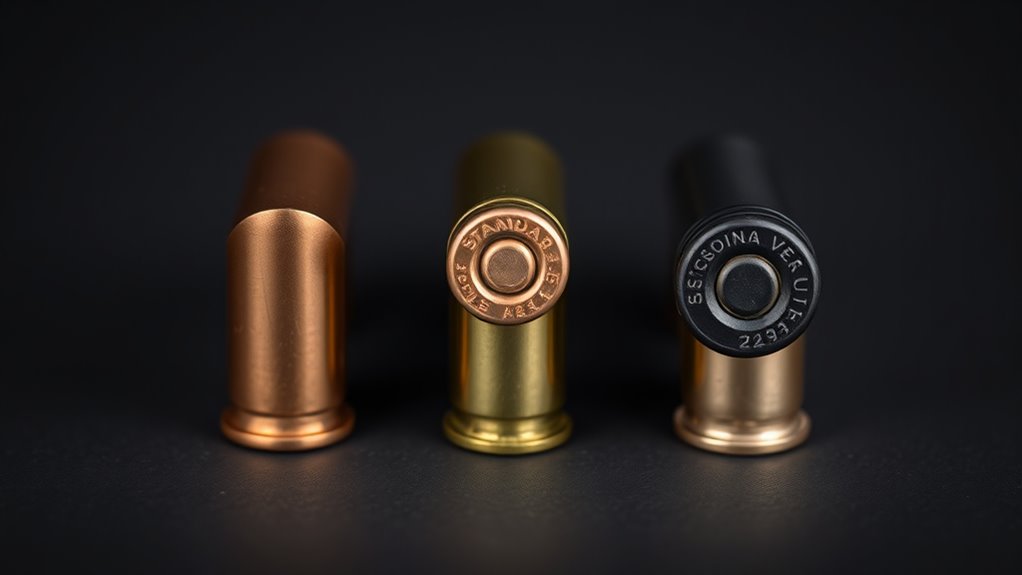
Now that you understand what defines standard velocity .22LR ammo, it’s helpful to see how it compares to high and subsonic rounds. Standard velocity ammo typically travels around 1,070 to 1,130 feet per second (fps), striking a balance between power and recoil.
Standard velocity .22LR ammo balances power and recoil, traveling between 1,070 and 1,130 fps.
High-velocity ammo, on the other hand, exceeds 1,200 fps, offering flatter trajectories and increased energy but often at the cost of more noise and recoil. Subsonic ammo stays below the speed of sound, usually under 1,050 fps, which reduces noise considerably, making it ideal for quieter shooting situations.
When choosing between these types, consider your firearm and shooting goals. High-velocity rounds are better for longer ranges or small game hunting, while subsonic rounds shine in suppressed firearms or indoor ranges.
Standard velocity ammo fits well for general plinking and target practice, providing consistent performance without excessive noise or kick. Knowing these differences helps you select the right ammo for your needs.
Why Standard Velocity .22LR Ammo Affects Accuracy and Recoil
When you choose standard velocity .22LR ammo, you’re opting for a balance that directly influences both accuracy and recoil. This ammo typically travels around 1,080 fps, which helps maintain a stable trajectory and consistent bullet drop, enhancing your shot precision.
Because the velocity isn’t excessively high, recoil remains minimal, letting you stay on target and shoot comfortably for longer sessions.
Here’s how standard velocity compares in regards to accuracy and recoil:
| Ammo Type | Accuracy Impact | Recoil Level |
|---|---|---|
| Standard Velocity | Consistent, predictable | Low |
| High Velocity | Slightly flatter arc | Moderate |
| Subsonic | Very consistent | Very low |
Reading Velocity Information on Ammo Packaging
Since velocity plays an essential role in how your .22LR ammo performs, being able to read and understand the velocity information on the packaging is crucial. When you pick up a box, look for the feet per second (fps) rating, which indicates the bullet’s speed as it leaves the barrel. Standard velocity rounds usually fall between 1,070 and 1,130 fps.
This number is often printed near the bullet weight or cartridge description. Don’t confuse muzzle velocity with marketing terms like “high velocity” or “subsonic,” which can vary by brand. Also, check if the packaging specifies the test barrel length used to measure velocity, as longer barrels typically yield higher speeds.
Knowing these details helps you confirm if the ammo truly qualifies as standard velocity, ensuring consistent accuracy and manageable recoil for your shooting needs. By paying attention to these labels, you make informed choices that improve your shooting experience without guesswork.
Popular Standard Velocity .22LR Ammo Brands
When choosing standard velocity .22LR ammo, you’ll notice popular brands offer different performance traits. Comparing common options helps you understand their reliability, accuracy, and consistency.
Let’s look at some well-known brands and what sets their ammo apart.
Common Brand Comparisons
Although many brands offer .22LR ammo, not all standard velocity rounds perform the same. When comparing common brands, you’ll notice differences in bullet weight, casing quality, and consistency. For example, CCI’s standard velocity rounds are known for reliable ignition and clean shooting, making them a favorite for target practice.
Federal offers options that balance affordability with dependable performance, often used by beginners. Winchester’s standard velocity ammo tends to have slightly heavier bullets, which some shooters prefer for stability. Remington provides budget-friendly choices, though you might find more variance in accuracy.
Performance Characteristics Overview
Understanding the differences between popular brands sets the stage for examining how their standard velocity .22LR ammo performs in real shooting scenarios. When you choose standard velocity rounds, you want consistent accuracy, reliable cycling, and manageable recoil.
Here’s what you can expect from common brands:
- CCI Standard Velocity: Known for clean firing and consistent shot placement, making it ideal for target practice.
- Remington Standard Velocity: Offers reliable ignition and moderate velocity, suitable for plinking and small game hunting.
- Federal Standard Velocity: Provides balanced performance with good accuracy and dependable function in semi-auto firearms.
Tips for Choosing Reliable Standard Velocity .22LR Ammo
Picking reliable standard velocity .22LR ammo is key to consistent performance and safety. Start by choosing reputable brands known for quality control—this reduces the chance of misfires or inconsistent velocity. Check the packaging for specific velocity ratings; true standard velocity rounds typically clock around 1,070 feet per second.
Avoid ammo labeled as “subsonic” or “high velocity” if you want standard performance. Look for consistent bullet weight, usually around 40 grains, as heavier or lighter bullets can alter velocity. It’s also wise to read reviews or seek recommendations from experienced shooters who’ve tested the ammo in similar firearms.
If possible, buy smaller quantities first to test reliability and accuracy before committing to bulk purchases. Finally, always store your ammo in a cool, dry place to maintain its integrity over time. Following these tips helps guarantee your standard velocity .22LR ammo performs reliably every time you shoot.
Frequently Asked Questions
Can Standard Velocity .22lr Ammo Be Used in All Types of .22lr Firearms?
You can use standard velocity .22LR ammo in most firearms chambered for .22LR, but some specialized guns might prefer high or subsonic velocities.
Always check your firearm’s manual to guarantee compatibility and safe performance.
How Does Temperature Affect the Performance of Standard Velocity .22lr Ammo?
You might think your ammo’s racing through a blizzard or frying in a desert, but temperature affects standard velocity .22LR by slowing powder burn in cold, causing lower velocity, or speeding it up in heat, increasing pressure unpredictably.
Is Standard Velocity .22lr Ammo Safe for Use in Older Firearms?
Yes, you can safely use standard velocity .22LR ammo in older firearms since it produces less pressure and recoil.
Just make sure your firearm is in good condition and properly maintained before shooting.
What Is the Shelf Life of Standard Velocity .22lr Ammunition?
You can expect standard velocity .22LR ammo to last about 10 years if stored properly in a cool, dry place. Moisture and heat can shorten its shelf life, so keep it sealed and away from humidity.
Proper storage is key to maintaining the ammo’s reliability and performance over time. Always check the condition before use if it has been stored for several years. This helps ensure safety and effectiveness.
How Does Standard Velocity .22lr Ammo Perform in Semi-Automatic Rifles?
You’ll find standard velocity .22LR ammo cycles semi-automatic rifles smoothly about 90% of the time, offering less recoil and noise. It’s great for plinking but might struggle with some rifle actions needing higher pressure rounds.
Conclusion
Choosing the right standard velocity .22LR ammo can really improve your shooting experience. For example, imagine you’re at the range, trying to hit consistent targets, but your high-velocity rounds keep throwing off your aim. Switching to a reliable standard velocity brand like CCI Mini-Mag could help you achieve steadier accuracy and softer recoil.
So, pay close attention to velocity info and pick ammo that fits your needs. Identifying standard velocity .22LR ammo involves checking the listed velocity, which typically ranges around 1,070 feet per second. Using standard velocity ammo ensures better control and consistent performance, making your shooting more enjoyable overall.