Why Can’t You Shoot Steel Cased Ammo at a Range?
You can’t shoot steel-cased ammo at many ranges because it wears down targets, backstops, and machinery faster, increasing maintenance costs. Steel cases are harder than traditional brass, which leads to faster deterioration of range equipment. This increased wear makes it costly for ranges to maintain safe and functional facilities.
Steel cases can also cause risky ricochets or equipment jams due to their hardness and different behavior on impact. Additionally, they strain your firearm by causing extraction issues and more fouling inside the gun. These problems can lead to malfunctions and even damage your weapon over time.
Many ranges ban steel-cased ammo to protect both safety and equipment longevity. If you want to understand how steel ammo affects guns and what safer options exist, keep exploring the details ahead.
Key Takeaways
- Steel-cased ammo causes excessive wear and damage to range equipment like steel targets, backstops, and bullet traps.
- Hard steel cases increase ricochet risks due to bouncing or fragmenting on impact.
- Steel ammo’s hard primers strain and damage range machinery, leading to malfunctions and higher maintenance.
- Many ranges ban steel-cased ammo to prioritize safety and prevent costly equipment deterioration.
- Steel cases cause feeding and extraction issues, reducing firearm reliability and increasing fouling and malfunctions.
What Is Steel-Cased Ammo?
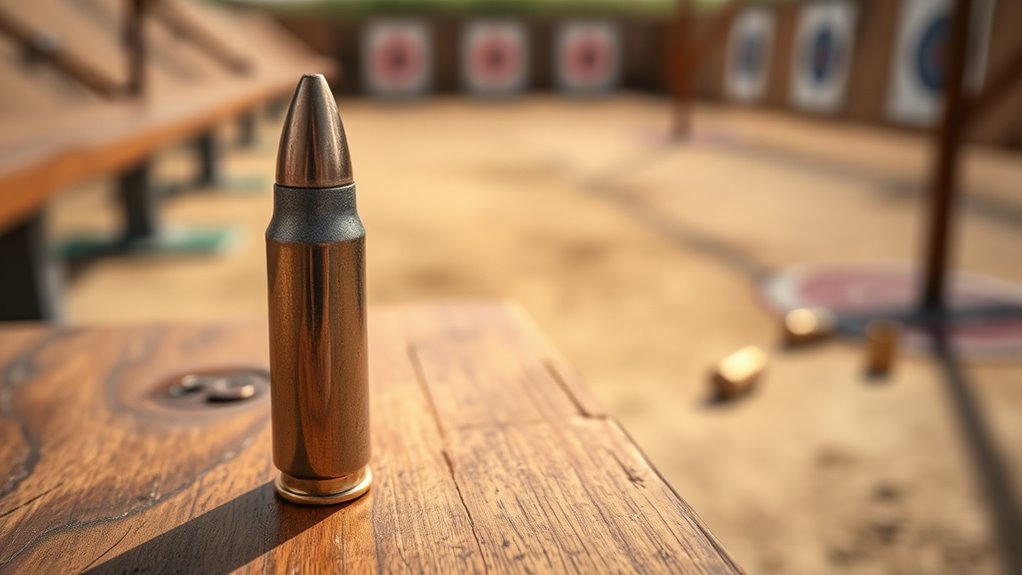
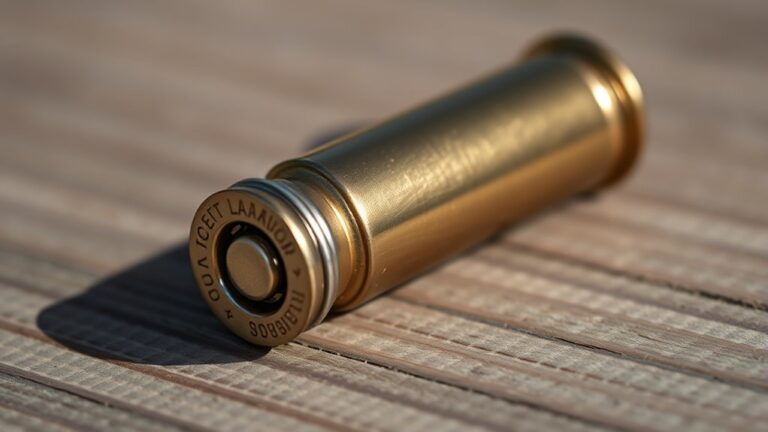
Although steel-cased ammo looks similar to traditional brass-cased rounds, it uses steel for the cartridge casing instead of brass. When you handle steel-cased ammo, you’ll notice it’s usually lighter and less expensive because steel is cheaper to produce than brass. The steel casing is often coated with a thin layer of lacquer or polymer to prevent rusting, which is necessary since steel is more prone to corrosion.
You might also see that steel cases are less malleable than brass, meaning they don’t expand and contract as easily when fired. This can affect how reliably your firearm extracts and chambers the rounds. Steel-cased ammo is commonly used in military surplus and budget-friendly options, making it popular for practice shooting.
However, because steel behaves differently under pressure and heat, it requires specific considerations for your firearm’s performance and maintenance. Understanding these differences helps you make smarter ammo choices for your shooting needs.
Why Do Shooting Ranges Ban Steel-Cased Ammo?
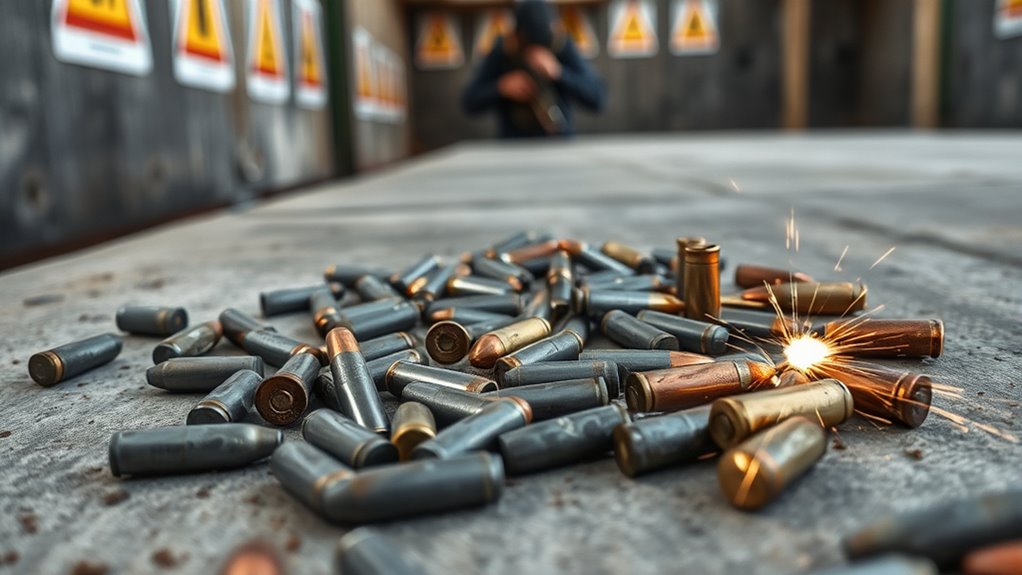
Because steel-cased ammo behaves differently than brass rounds, many shooting ranges ban its use to protect their equipment and guarantee safety. When you shoot steel-cased ammo, its harder cases can cause excessive wear and tear on the range’s steel targets, backstops, and bullet traps. Unlike brass, steel doesn’t deform as easily, which means it can bounce or fragment unpredictably, creating ricochet hazards.
This increases the risk of injury to you and others around.
Ranges also worry about their costly equipment. The steel cases can damage the mechanisms that collect and recycle spent casings, potentially leading to expensive repairs or downtime. Additionally, steel ammo often has a harder primer, requiring more force to ignite, which can cause extra strain on firearms and range gear.
Is Steel-Cased Ammo Safe to Shoot?
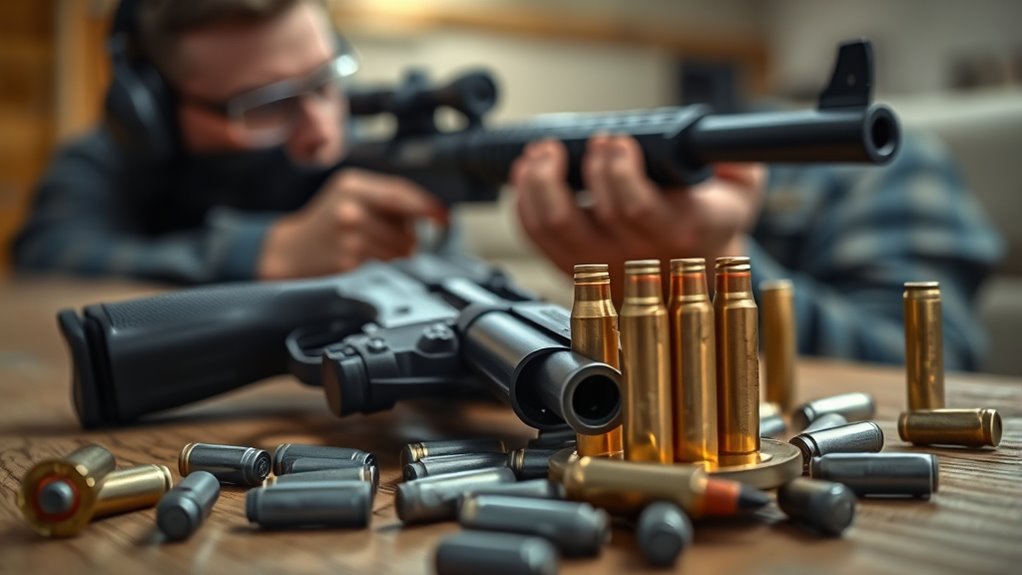
Even if steel-cased ammo is generally safe to shoot, you need to understand the specific risks involved. Steel cases don’t expand as well as brass when fired, which means they may not seal the chamber perfectly. This can lead to gas blowback or slightly reduced accuracy.
You’ll also find that steel cases are often coated with a polymer or lacquer to prevent corrosion, but these coatings can sometimes leave more residue in your firearm’s chamber and barrel than brass cases do.
Additionally, steel cased ammo usually has a harder primer cup, which can affect primer sensitivity and reliability, so you might experience more misfires or failures to ignite. While many shooters use steel-cased ammo without serious issues, you should be cautious and regularly clean your firearm afterward to prevent buildup. If you’re using a firearm designed or rated for steel-cased ammo, the safety risks are minimal, but always check your gun’s manual first.
What Damage Does Steel-Cased Ammo Cause to Guns?
You might not realize how steel-cased ammo can speed up barrel wear and cause chamber corrosion over time.
It can also erode your firing pin faster than brass-cased rounds.
Let’s look at how this ammo affects your gun’s key parts.
Barrel Wear And Tear
Although steel-cased ammo is often cheaper, it can cause increased barrel wear compared to brass-cased rounds. The steel cases don’t expand and seal the chamber as well as brass, potentially letting hot gases escape and erode the barrel’s throat faster. Plus, steel is harder than brass, so the rougher extraction process can put more stress on your firearm’s moving parts.
When you use steel-cased ammo regularly, your barrel’s rifling might wear down sooner, reducing accuracy over time. It’s not just about the material; some steel-cased rounds use harder primers or different powders, which can add to the wear. If you care about your gun’s longevity and precision, sticking to brass-cased ammo is usually the safer bet to minimize barrel damage.
Chamber Corrosion Risks
Since steel-cased ammo often uses a zinc or lacquer coating instead of the protective lacquer found on brass cases, it can lead to increased chamber corrosion over time. When you shoot steel cases, the coating can wear off or flake inside your chamber, exposing raw steel that is more prone to rust. This corrosion can cause:
- Difficulty chambering and extracting rounds
- Increased wear on the chamber surface
- Potential pitting that degrades accuracy
- The need for more frequent and thorough cleaning
If you don’t clean your firearm promptly after shooting steel-cased ammo, moisture and residue build-up accelerate corrosion. Over time, this compromises your gun’s reliability and lifespan.
Firing Pin Erosion
Beyond chamber corrosion, steel-cased ammo can also cause noticeable wear on your firearm’s firing pin. Because steel is harder than brass, the firing pin repeatedly striking the primer on steel cases leads to faster erosion. Over time, this erosion can alter the firing pin’s shape or sharpness, potentially causing misfires or inconsistent primer strikes.
You might notice light primer strikes or failures to ignite, which often stem from this wear. While occasional use might not cause immediate issues, frequent shooting with steel-cased ammo accelerates firing pin degradation. To avoid costly repairs or replacement, it’s best to limit how often you use steel-cased rounds, especially if your firearm isn’t designed for them.
Regular inspection and maintenance can help catch firing pin erosion early before it affects reliability.
Does Steel-Cased Ammo Damage Range Equipment?
You might not realize it, but steel-cased ammo can cause extra wear on target materials, leading to faster deterioration. It’s also tougher on range machinery, which isn’t always designed to handle the harder steel cases. Understanding these effects can explain why many ranges restrict its use.
Impact on Target Materials
Although steel-cased ammo is often cheaper and more readily available, it can cause unexpected wear on range equipment. When you shoot steel-cased rounds, the harder steel cases and primers can affect the targets differently than traditional brass ammo. This can lead to:
- Increased pitting and deformation on steel targets
- Faster wear on reactive target mechanisms
- Potential damage to paper target holders from steel fragments
- More frequent replacement needs due to accelerated target surface wear
You might not notice these impacts immediately, but over time, the cumulative effect can compromise target integrity. So, while it seems economical, using steel-cased ammo could actually increase maintenance costs for your range. Understanding this helps you weigh the true cost of shooting steel-cased ammo versus brass.
Effects on Range Machinery
Since steel-cased ammo often contains harder materials than brass, it can cause more wear on range machinery over time. When you use steel-cased ammo, components like bullet traps, conveyors, and backstops endure increased abrasion and potential damage. This means the range may require more frequent maintenance or replacement of parts, leading to higher costs and downtime.
Here’s a quick look at how steel-cased ammo affects specific range equipment:
| Range Equipment | Effect of Steel-Cased Ammo |
|---|---|
| Bullet Traps | Increased wear, potential damage |
| Conveyors | More abrasion, faster degradation |
| Backstops | Higher impact strain |
| Target Systems | Possible malfunction, jams |
| Cleaning Systems | Additional residue buildup |
You’ll want to check range rules, as many prohibit steel cases to protect their machinery.
Are There Performance Issues With Steel-Cased Ammo?
When you choose steel-cased ammo, you might notice it doesn’t always perform as smoothly as brass-cased rounds. Steel cases are harder and less malleable, which can cause feeding and extraction problems in some firearms. You might also see increased wear on your gun’s components due to the rougher steel surface.
Plus, steel doesn’t expand and seal the chamber as effectively as brass, potentially leading to more fouling buildup.
Here are common performance issues you might face with steel-cased ammo:
- Increased likelihood of jams or misfeeds
- Faster wear on extractor and chamber parts
- More residue and fouling, requiring frequent cleaning
- Slightly lower accuracy due to less consistent case expansion
While steel-cased ammo is often cheaper, these performance trade-offs can impact your shooting experience and gun maintenance. Keep these factors in mind when deciding if steel-cased rounds are right for your needs.
When Is It Safe to Use Steel-Cased Ammo at Ranges?
If you want to use steel-cased ammo at a range, you’ll need to check the range’s specific rules and your firearm’s compatibility. Some ranges prohibit steel-cased ammo outright due to concerns about increased barrel wear, potential damage to steel targets, or excessive sparking. Always review posted guidelines or ask range staff before bringing steel-cased rounds.
Next, make sure your firearm can handle steel-cased ammo safely. Some firearms, especially those with tight chamber tolerances or certain bolt designs, may experience feeding or extraction problems. If you’ve used steel-cased ammo before without issues and your firearm is well-maintained, it’s more likely safe to continue.
Additionally, some ranges allow steel-cased ammo only on specific firing lines or with certain calibers. Using protective gear and cleaning your firearm thoroughly after shooting steel-cased ammo will help reduce wear. Ultimately, safety depends on following range policies and ensuring your firearm functions reliably with steel-cased rounds.
What Are Safer Alternatives to Steel-Cased Ammo?
Although steel-cased ammo is often cheaper, you might want to think about brass-cased or aluminum-cased alternatives for safer and more reliable shooting at ranges. These options are less likely to cause damage to your firearm or the range’s equipment and typically function more smoothly.
For safer, smoother range shooting, consider brass- or aluminum-cased ammo over cheaper steel-cased options.
Here are some safer alternatives to contemplate:
- Brass-cased ammo: Known for excellent reliability and reloadability, brass cases handle heat and pressure better, reducing the risk of malfunctions.
- Aluminum-cased ammo: Lightweight and often cheaper than brass, aluminum cases offer decent performance without the risks associated with steel casings.
- Reloaded brass ammo: If you reload, using properly resized and inspected brass cases ensures consistency and safety.
- Factory match-grade ammo: Designed for precision and reliability, these rounds perform well and minimize wear on your firearm.
Choosing these alternatives helps you avoid the common pitfalls of steel-cased ammo and keeps your shooting experience safer and more enjoyable.
Frequently Asked Questions
How Can I Identify Steel-Cased Ammo by Appearance?
You can identify steel-cased ammo by its dull, grayish color and magnetic cases. Unlike brass, steel cases often have a rougher finish and may have crimped primers.
Just remember, not all steel cases look exactly the same.
Does Steel-Cased Ammo Affect Firearm Accuracy Over Time?
Picture tiny steel fragments slowly wearing down your barrel’s smooth surface. Yes, steel-cased ammo can gradually reduce your firearm’s accuracy over time, making your shots less precise as the rifling erodes and fouling builds up inside.
This wear and tear happens subtly but steadily with continued use. Over many rounds, the barrel’s interior can lose its sharpness, affecting bullet stability. Regular cleaning helps but doesn’t completely stop the impact.
Are There Environmental Concerns With Using Steel-Cased Ammo?
Yes, you should be cautious because steel-cased ammo can leave behind steel and other metals that don’t biodegrade easily, potentially harming the environment.
Plus, its primers may contain harmful chemicals, increasing environmental risks at shooting ranges.
Can Steel-Cased Ammo Cause More Frequent Firearm Cleaning?
Steel-cased ammo can make your firearm dirtier, like dust settling in a forgotten attic. You’ll probably need to clean more often because the steel cases generate extra residue and fouling, which can affect your gun’s performance over time.
This extra buildup can accumulate faster than with brass-cased ammo, leading to more frequent maintenance. Regular cleaning helps ensure your firearm remains reliable and functions smoothly.
Ignoring this can result in increased wear or even malfunctions, so staying on top of cleaning is important when using steel-cased rounds.
Is Steel-Cased Ammo Legal for Hunting in All States?
You can’t assume steel-cased ammo is legal for hunting in all states. Regulations vary, so you’ll need to check local laws before using it to guarantee you’re compliant with hunting rules and avoid any legal trouble.
Conclusion
Shooting steel-cased ammo at the range is like using sandpaper on a delicate clock—you’re risking damage to both your gun and the range equipment. While it might seem like a budget-friendly option, the wear and tear, plus potential safety issues, just aren’t worth it.
Stick to brass or other safer alternatives to keep your shooting experience smooth and your gear in top shape. Your gun deserves care, not shortcuts. Using steel-cased ammo at the range can lead to malfunctions and increased maintenance costs, making brass ammo the smarter choice.