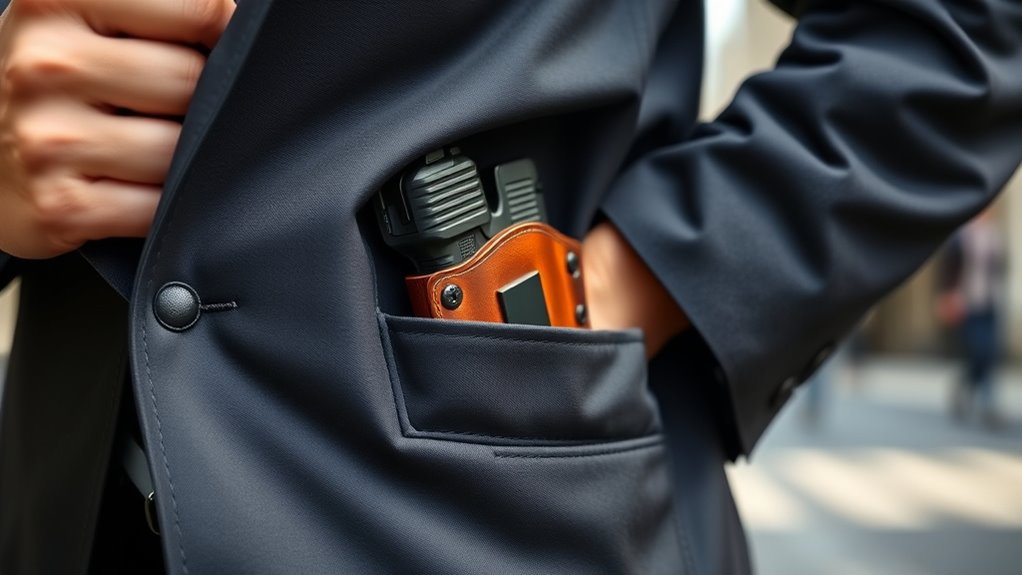
How Do You Carry a Concealed Firearm in 7 Essential Steps?
You start by knowing your state’s concealed carry laws, including permits and restricted locations. Understanding these regulations is crucial for responsible and legal firearm possession.
Then, choose a firearm and holster that fit your comfort and lifestyle.
Practice safe draw techniques to build muscle memory while maintaining trigger discipline.
Establish a daily routine for checks and preparation to ensure your firearm is ready when needed.
Keep your firearm clean and well-maintained.
Stay alert and responsible to guarantee safety in all situations.
Following these steps gives you a solid foundation for carrying concealed effectively and confidently.
There’s much more to learn about each step’s details.
Key Takeaways
- Research and comply with state concealed carry laws, permit requirements, and restricted locations before carrying a firearm.
- Choose a firearm and holster combination that balances comfort, accessibility, and concealment for your daily routine and clothing.
- Establish a consistent daily carry routine including firearm safety checks and mental awareness of surroundings.
- Practice safe draw techniques focusing on grip, trigger discipline, and muzzle control to build muscle memory and ensure readiness.
- Maintain and store your firearm properly with regular cleaning, secure storage, and routine inspections for reliable operation.
Know Your State’s Concealed Carry Laws
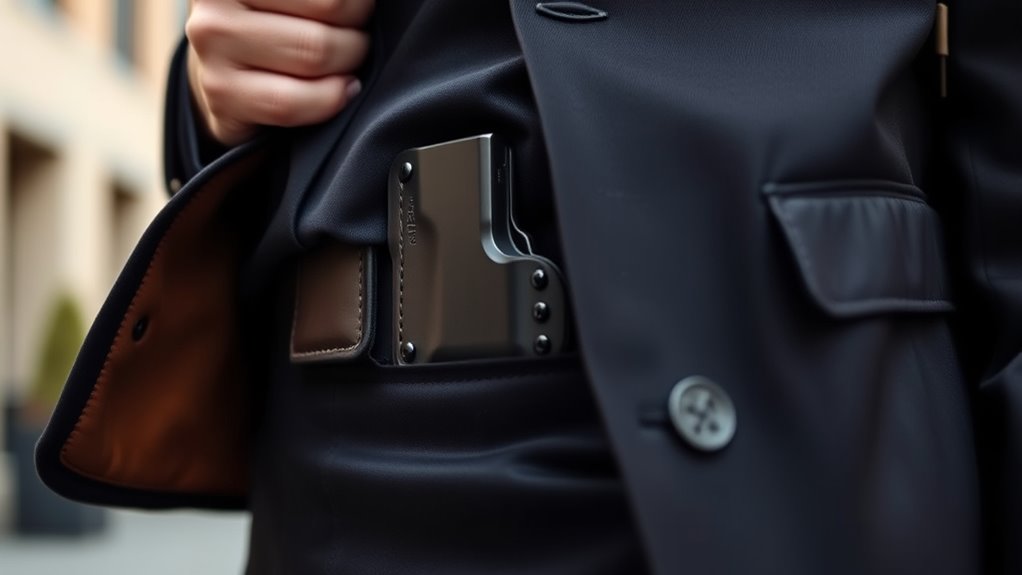
Before you carry a concealed firearm, you need to understand your state’s specific laws. Each state has different rules about who can carry, what kind of permits you might need, and where you’re allowed to carry concealed. You can’t just assume that what’s legal in one place applies everywhere else.
Some states require a permit, while others have “constitutional carry” laws that don’t. You’ll want to check if your state has a waiting period, training requirements, or background checks before you apply.
Also, be aware of places where carrying is prohibited, like schools, government buildings, or private property that bans firearms. Knowing these details helps you avoid legal trouble. You should also understand how your state’s laws interact with neighboring states if you travel often.
Staying informed and compliant is crucial for responsible concealed carry. Make sure you research official state resources or consult legal experts to get accurate, up-to-date information before you decide to carry.
Choose the Right Concealed Carry Firearm
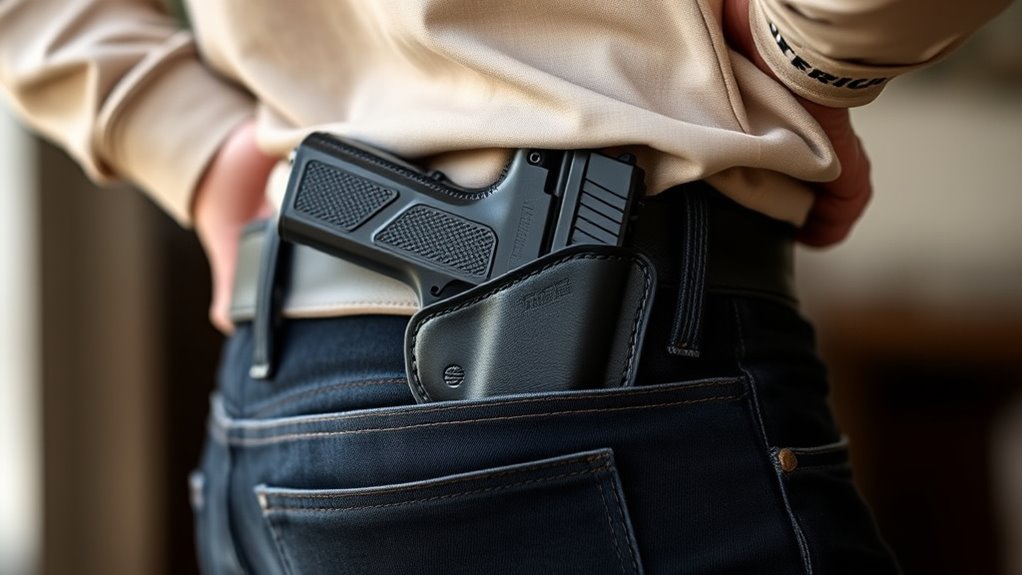
Choosing the right concealed carry firearm means balancing size and weight for comfort with the caliber and stopping power you need. You want something light enough to carry all day without hassle but powerful enough to protect yourself effectively.
Let’s look at how these factors play into your decision.
Firearm Size And Weight
Selecting the right firearm for concealed carry means balancing size and weight to guarantee comfort and accessibility. If your gun is too bulky or heavy, you’ll likely avoid carrying it consistently. On the other hand, a firearm that’s too small might be harder to handle or less comfortable to shoot accurately.
You want something light enough to wear all day without strain but substantial enough to maintain control during use. Think about how you dress and where you’ll carry—some sizes fit better around the waist or ankle, while others work well in shoulder or pocket holsters. Try different models to see what feels natural.
Caliber And Stopping Power
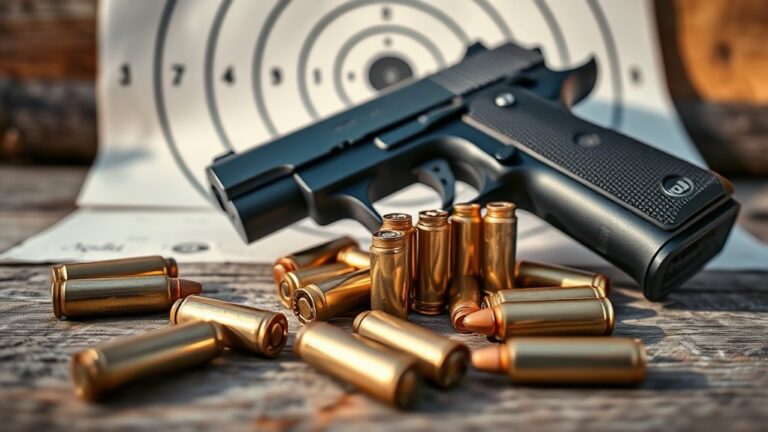
How do you balance the need for stopping power with manageable recoil in a concealed carry firearm? You want a caliber that delivers enough energy to stop a threat quickly but doesn’t overwhelm you with recoil, which can affect accuracy and follow-up shots.
Popular choices like 9mm offer a great balance—enough stopping power for self-defense while being controllable for most shooters. Larger calibers like .40 S&W or .45 ACP provide more stopping power but come with increased recoil and often larger, heavier guns.
Smaller calibers such as .380 ACP are easier to handle but may sacrifice some stopping power. Ultimately, choose a caliber you can shoot comfortably and confidently, because shot placement and control matter more than sheer caliber size when it comes to effective self-defense.
Pick a Comfortable Concealed Carry Holster
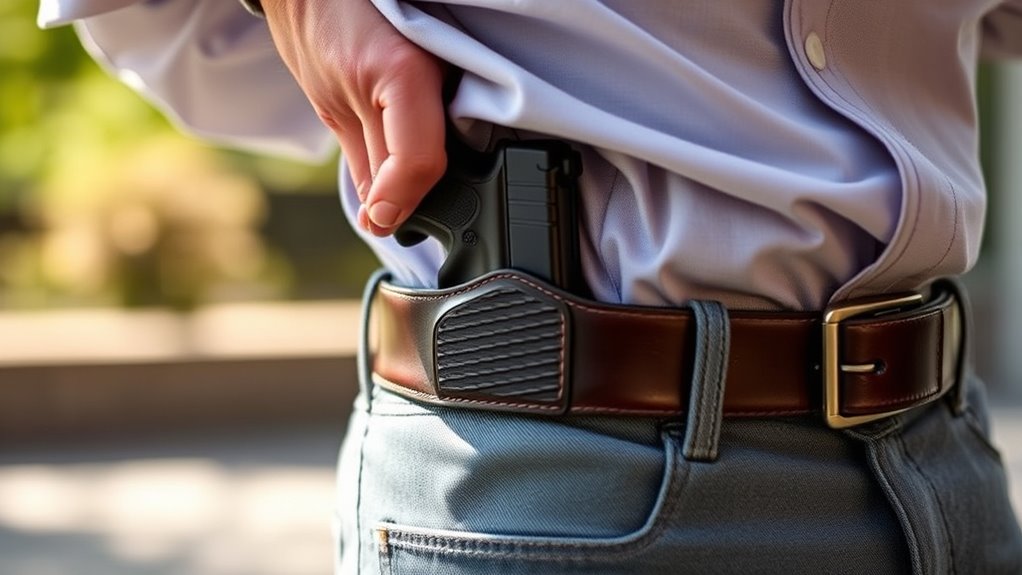
Now that you’ve chosen your firearm, it’s time to pick a holster that fits comfortably and suits your lifestyle. You’ll want to contemplate different types, materials, and how durable they are for daily use.
Finding the right balance between comfort and security is key to carrying confidently.
Types Of Holsters
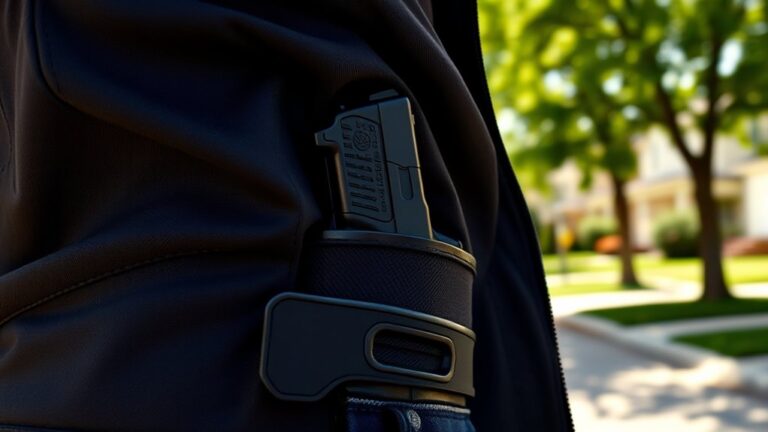
Choosing the right holster is one of the most important steps for comfortable concealed carry. You’ll want to understand the main types of holsters to find what suits you best. Here are three popular options:
- Inside-the-Waistband (IWB): Worn inside your pants, offering excellent concealment and security. It’s great if you want your firearm close and discreet.
- Outside-the-Waistband (OWB): Worn outside your pants, usually more comfortable but less concealable. This style works well if you have loose clothing or open carry is allowed.
- Pocket Holsters: Small and designed for pocket carry. They keep your firearm upright and prevent printing, ideal for compact pistols.
Each type offers different advantages. Consider your daily activities and clothing style to choose the best holster for you.
Comfort And Fit
Finding the right holster goes beyond style—it’s about how it feels when you wear it every day. A comfortable fit guarantees you can carry your firearm without constant adjustments or irritation. When choosing, consider how the holster sits against your body and whether it allows natural movement.
Here’s a quick guide to comfort factors:
| Factor | What to Check | Why It Matters |
|---|---|---|
| Fit | Snug but not tight | Prevents shifting and chafing |
| Position | Accessible and discreet | Ensures quick draw and concealment |
| Retention | Secure hold without stiffness | Balances safety and ease of use |
Try different holsters with your clothing to find the best fit for daily wear. Your comfort directly affects your readiness.
Material And Durability
While comfort is essential, the material and durability of your concealed carry holster play an equally important role in guaranteeing long-term reliability and safety. You want a holster that won’t wear out quickly or fail when you need it most. Here are three key factors to contemplate:
- Material Type: Choose between leather, Kydex, or hybrid holsters. Leather offers comfort and a classic feel, Kydex provides rigidity and retention, while hybrids combine both benefits.
- Build Quality: Look for reinforced stitching, sturdy clips, and quality rivets to ensure your holster stays intact through daily use.
- Wear Resistance: Opt for materials that resist sweat, moisture, and abrasion to maintain structural integrity and keep your firearm secure.
Balancing these elements ensures your holster remains dependable without sacrificing comfort.
Practice Safe and Effective Draw Techniques
Because drawing your concealed firearm quickly and safely can be a matter of life or death, practicing effective draw techniques is essential. You need to develop muscle memory so that your movements are smooth and instinctive under stress. Start by drawing slowly in a controlled environment, focusing on a firm grip, clear trigger finger discipline, and a steady, deliberate motion.
Avoid rushing, which often leads to errors or accidental discharges. Practice different draw positions—waistband, appendix, or shoulder holsters—so you know what works best for you. Always keep your finger off the trigger until you’re ready to shoot, and verify your muzzle is pointed in a safe direction during the draw.
Regular dry-fire drills help reinforce these habits without live ammo. Over time, your draw will become faster and safer, giving you confidence and control when it matters most. Never skip practice; consistent repetition is key to mastering safe and effective draw techniques.
Establish a Daily Concealed Carry Routine
To carry a concealed firearm confidently, you need to establish a daily routine that makes it second nature. This routine helps you stay prepared, comfortable, and secure throughout your day. Start by choosing consistent clothing and holster setups that work well together, so you don’t have to rethink your carry method every day.
Next, integrate firearm checks into your morning ritual to guarantee it’s loaded, clean, and functioning properly before you leave the house. Finally, mentally rehearse mindful awareness of your surroundings and your firearm’s position throughout your day.
Here’s a simple 3-step daily routine to follow:
- Prepare: Select your outfit and holster combination the night before for comfort and concealment.
- Inspect: Perform a quick safety and function check every morning to confirm readiness.
- Stay Aware: Regularly remind yourself to stay mindful of your firearm’s location and your environment.
Doing this consistently builds confidence and helps you carry responsibly every day.
Maintain Your Concealed Carry Firearm
Even the most reliable concealed carry firearm won’t perform well if it isn’t properly maintained. You need to clean and inspect your firearm regularly, especially after exposure to dirt, sweat, or moisture. Make it a habit to disassemble your gun according to the manufacturer’s instructions and clean all critical parts—barrel, slide, and trigger mechanism—to prevent buildup that could cause malfunctions.
Check for signs of wear or damage, and guarantee your firearm is properly lubricated to function smoothly. Don’t forget to inspect your magazines and springs, as they also affect reliability. Store your firearm in a dry, secure place when not carrying it, using a quality holster designed for your model to avoid unnecessary wear.
Routine maintenance not only extends the life of your firearm but ensures it’s ready when you need it most. Staying diligent with upkeep is a key part of responsible concealed carry.
Stay Alert and Responsible When Carrying
How should you stay vigilant while carrying a concealed firearm? Staying alert and responsible is vital to guarantee your safety and the safety of others. Here’s how you can do it effectively:
1. Be Aware of Your Surroundings
Always scan your environment and anticipate potential threats. Avoid distractions like excessive phone use or loud conversations that could reduce your focus.
Stay alert by continuously observing your surroundings and minimizing distractions like phone use or loud talking.
2. Practice Safe Handling
Keep your finger off the trigger until you’re ready to shoot. Regularly check your firearm’s condition and confirm it’s securely holstered to prevent accidental discharge or loss.
3. Understand Legal and Ethical Responsibilities
Know the laws in your area about when and where you can carry and use your firearm. Carrying means accepting serious responsibility; never let complacency or overconfidence compromise your judgment.
Frequently Asked Questions
Can I Carry a Concealed Firearm While Traveling Across State Lines?
You can carry a concealed firearm across state lines, but laws vary greatly. You’ll need to check each state’s regulations and reciprocity agreements to avoid legal trouble. Always research and comply with local firearm laws when traveling.
How Do I Handle Encounters With Law Enforcement While Carrying Concealed?
You stay calm but alert; you don’t fumble yet remain transparent. Always inform officers you’re carrying, follow their instructions, and keep your hands visible.
This balance of respect and caution keeps encounters safe and smooth.
What Should I Do if My Concealed Carry Permit Is Lost or Stolen?
If your concealed carry permit is lost or stolen, you should report it to local law enforcement immediately, then contact the issuing agency to apply for a replacement.
Acting quickly helps prevent misuse and keeps you compliant.
Are There Restrictions on Carrying Concealed Firearms in Private Properties?
You can’t just waltz into private property with a concealed firearm without permission; property owners set the rules. Think of it like entering someone’s garden—you respect their boundaries or risk legal trouble.
Always check local laws!
How Do Weather Conditions Affect Concealed Carry Comfort and Firearm Performance?
You’ll feel discomfort carrying in extreme heat or cold, as sweat or numbness affect grip and concealment. Rain or humidity can impact your firearm’s reliability, so regular maintenance and weather-appropriate gear are essential for performance.
Proper preparation helps maintain comfort and ensures your firearm functions when needed. Adjusting your clothing layers can improve concealment and temperature regulation.
Using moisture-wicking fabrics and breathable materials reduces sweat buildup. In cold weather, gloves designed for dexterity help maintain a secure grip.
Regularly cleaning and lubricating your firearm prevents malfunctions caused by moisture or debris. Choosing a holster made from weather-resistant materials also protects your weapon.
Conclusion
Carrying concealed is like carrying a trusted friend—you wouldn’t leave them unprepared or uncomfortable. Just like Sarah, who once missed her chance to draw safely because she rushed without practice, you’ll want to know your laws, pick the right gear, and stay alert.
By following these steps, you’re not just carrying a firearm; you’re carrying confidence and responsibility every day. Remember, preparation turns caution into peace of mind. Mastering how to carry a concealed firearm safely ensures you are always ready and secure.