Are Fingerprint Gun Safes Reliable?
You can trust fingerprint gun safes to provide fast, secure access by using advanced biometric technology that recognizes your unique fingerprint. These safes are designed to offer quick entry without fumbling for keys or combinations, making them ideal for emergencies.
Fingerprint gun safes combine convenience with security, ensuring that only authorized users can unlock them.
However, factors like dirty fingers, battery life, and sensor quality can affect accuracy. Most models come with backup options such as PIN codes or keys to keep you covered in case the biometric system fails.
If you want to understand how to choose the best fingerprint gun safe or maintain it properly, keep exploring the details.
Key Takeaways
- Fingerprint gun safes offer quick, secure access by recognizing unique fingerprints with high accuracy and multiple user enrollment options. Sensor performance can be affected by finger condition, environmental factors, and battery life, potentially causing occasional access delays.
- Backup methods like PIN codes or physical keys ensure access if fingerprint recognition fails or power issues occur. Regular maintenance, proper setup, and clean sensors improve reliability and prevent sensor malfunctions or false rejections.
- While not foolproof, fingerprint safes provide enhanced security and faster access compared to traditional mechanical locks.
How Fingerprint Gun Safes Secure Your Firearms
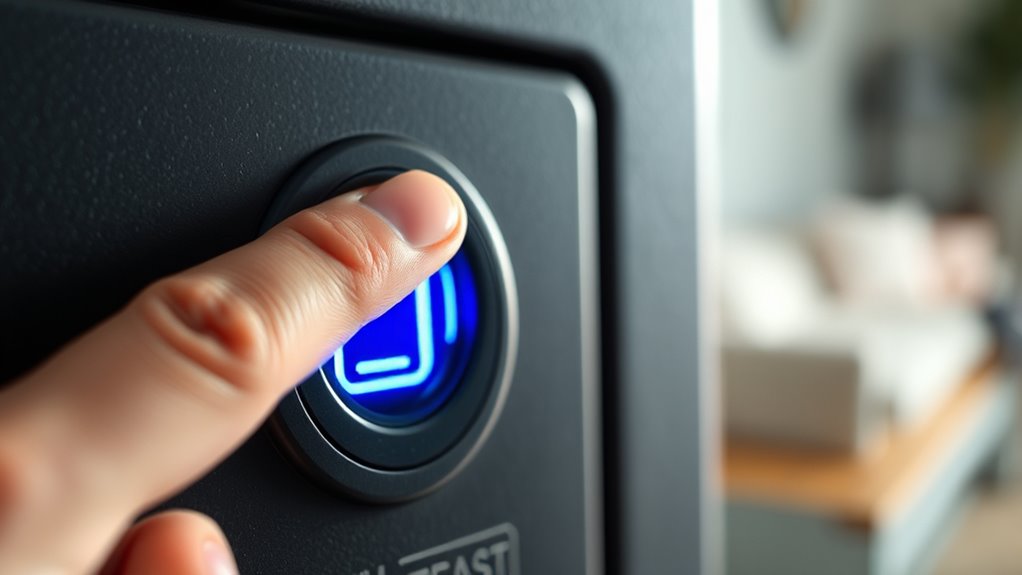
Although traditional gun safes rely on keys or combinations, fingerprint gun safes use biometric technology to secure your firearms. When you place your finger on the scanner, the safe quickly reads your unique fingerprint pattern, allowing instant access if it matches stored data. This means you don’t have to worry about lost keys or forgotten codes.
The biometric sensor is designed to recognize authorized users only, preventing unauthorized access. Plus, many models store multiple fingerprints, so trusted family members can also gain entry. The safe’s locking mechanism engages automatically when closed, ensuring your firearms stay protected without extra steps.
Additionally, fingerprint safes often include backup options like PIN codes or physical keys for emergencies, giving you peace of mind. This technology blends convenience with security, making it easier for you to keep your firearms safe while maintaining quick access when needed.
What Can Affect Fingerprint Gun Safe Accuracy
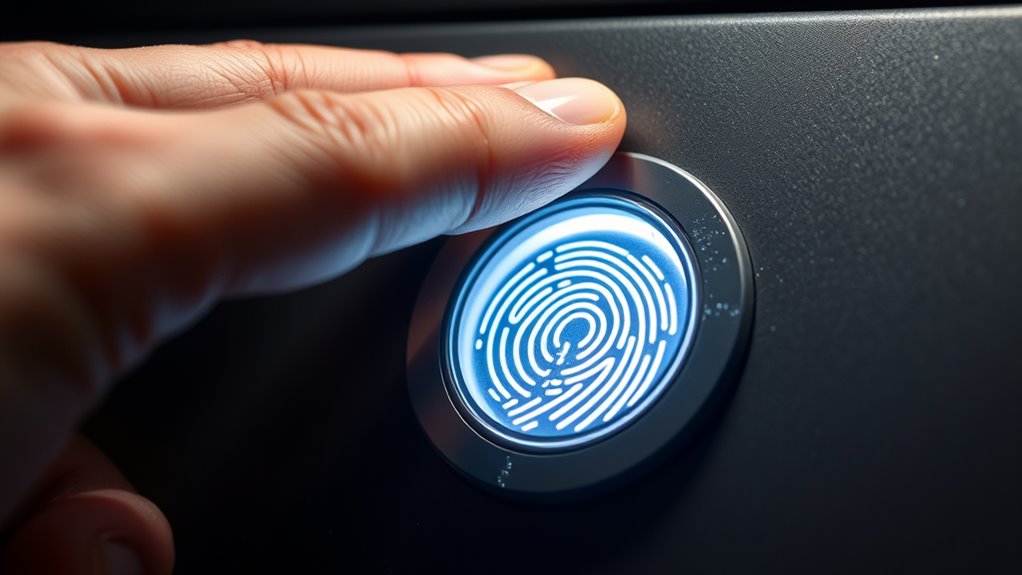
When you rely on a fingerprint gun safe, several factors can impact its accuracy and responsiveness. First, the quality of the fingerprint sensor plays an essential role; higher-end sensors typically offer better precision. Your finger’s condition also matters—wet, dirty, or injured fingers can cause misreads.
Environmental factors like extreme temperatures or humidity can affect sensor performance, so placing the safe in a stable environment helps maintain accuracy. Proper enrollment is important too. If you don’t register your fingerprints correctly or add multiple angles, the safe might struggle to recognize you consistently.
Battery life is another consideration; low power can reduce the sensor’s ability to scan effectively. Finally, regular cleaning of the sensor surface prevents dirt buildup, ensuring smooth operation. By paying attention to these elements, you can improve your fingerprint gun safe’s accuracy and make sure it responds reliably when you need it most.
Common Problems That Affect Fingerprint Gun Safe Reliability
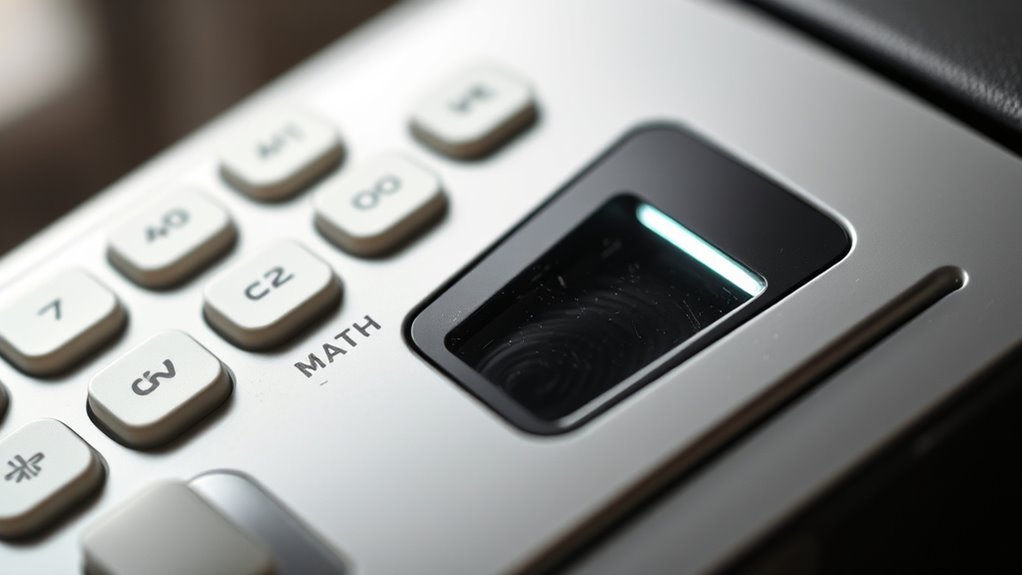
Even the best fingerprint gun safes can face issues that impact their reliability. You might find yourself locked out when you need access quickly, which defeats the purpose of having a biometric safe. Common problems include sensor malfunctions, power failures, and environmental factors like dirt or moisture interfering with the fingerprint scanner.
Here’s a quick look at common issues and their effects:
| Problem | Cause | Impact on Reliability |
|---|---|---|
| Sensor Malfunction | Wear and tear, dirt buildup | Fails to recognize fingerprints |
| Power Failure | Dead batteries or wiring | Safe won’t open at all |
| Environmental Interference | Moisture, dust, or grease | False rejections or slow response |
Knowing these challenges helps you maintain your safe better and understand why occasional troubleshooting might be necessary.
Key Features to Look For When Choosing a Fingerprint Gun Safe
When choosing a fingerprint gun safe, you’ll want to focus on biometric sensor accuracy to guarantee quick, reliable access. Security features and the overall build quality are just as important to protect your firearms from unauthorized users and physical damage.
Paying attention to these key factors can make all the difference in safety and convenience.
Biometric Sensor Accuracy
How accurate does a biometric sensor need to be for you to trust it with your firearm? You want a sensor that minimizes false rejections and false acceptances. False rejections delay your access when you need your gun quickly, while false acceptances risk unauthorized entry.
Look for safes with sensors boasting high True Acceptance Rates (TAR) and low False Acceptance Rates (FAR). Ideally, the sensor should recognize your fingerprint instantly and consistently, even if your finger is slightly dirty or wet. Multiple fingerprint registration is a plus, allowing backup access points.
Also, check if the safe uses advanced fingerprint scanning technology like capacitive or optical sensors, which tend to offer better accuracy. Ultimately, your peace of mind hinges on reliable, quick recognition every time.
Security and Build Quality
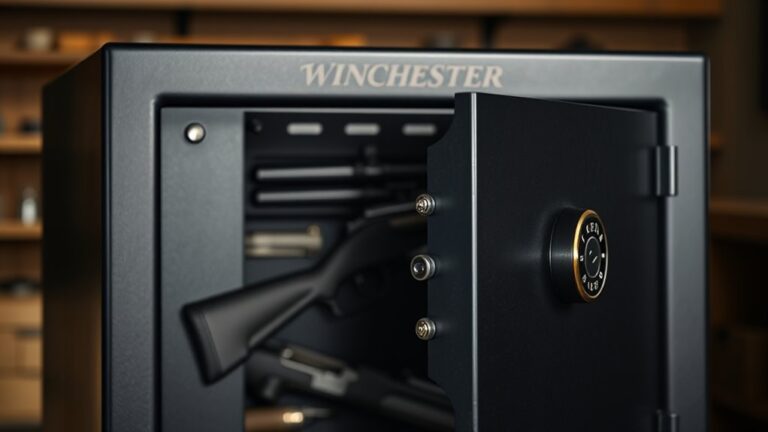
Reliable biometric sensors are only part of what makes a fingerprint gun safe trustworthy. You also need to focus on the security features and build quality. Look for safes made from solid steel with thick walls and reinforced locking bolts; these resist prying and drilling attempts.
The locking mechanism should be robust and dependable to prevent unauthorized access. Pay attention to fire and water resistance ratings, which protect your firearms under extreme conditions. The safe’s hinges should be internal or well-protected to avoid tampering.
Additionally, the overall construction should feel sturdy and well-designed, not flimsy or cheaply made. By prioritizing these qualities, you guarantee your fingerprint gun safe offers real protection beyond just quick access.
Fingerprint Gun Safes vs. Traditional Locks: What’s Better?
When deciding between fingerprint gun safes and traditional locks, you’ll want to weigh security and how quickly you can access your firearm. Fingerprint safes offer faster entry, but traditional locks have a proven track record for reliability.
Let’s compare how each option stands up in these key areas.
Security Comparison
Although traditional locks have been trusted for decades, fingerprint gun safes offer a modern alternative that emphasizes quick access and enhanced security. When it comes to preventing unauthorized entry, fingerprint safes rely on biometric data, making it nearly impossible for someone without your registered fingerprint to open them. Traditional locks, on the other hand, depend on physical keys or combinations that can be lost, stolen, or guessed.
While mechanical locks can be vulnerable to picking or brute force, fingerprint safes use encrypted technology to protect your firearm. However, you should consider that fingerprint sensors might occasionally fail due to dirt or damage. Still, from a security standpoint, fingerprint gun safes generally provide stronger protection against unauthorized access compared to traditional locking mechanisms.
Access Speed and Convenience
Since every second counts in an emergency, how quickly you can access your firearm is crucial. Fingerprint gun safes offer rapid access—you just place your finger on the scanner, and the safe opens in seconds. This can be faster than fumbling with keys or entering a combination, especially under stress.
Plus, you don’t have to worry about losing keys or forgetting codes. However, fingerprint sensors can sometimes misread your print if your finger is wet or dirty, causing brief delays. Traditional locks rely on physical keys or combinations, which can be slower but are less prone to electronic glitches.
Ultimately, if speed and convenience matter most to you, fingerprint safes generally provide quicker, hassle-free access, making them a strong choice for emergency firearm retrieval.
Maintaining and Troubleshooting Your Fingerprint Gun Safe
Proper maintenance and troubleshooting are essential to keep your fingerprint gun safe functioning smoothly and securely. Regularly clean the scanner with a soft, lint-free cloth to remove dirt and oils that can interfere with fingerprint recognition. Avoid harsh chemicals that might damage the sensor.
Check and replace batteries promptly to prevent power failures, and always keep a backup key or access code handy in case the biometric system malfunctions.
If your safe isn’t recognizing your fingerprint, try re-registering your prints to improve accuracy. Make sure your fingers are clean and dry before use, as moisture or dirt can cause errors. If the safe fails to open or the fingerprint reader stops responding, consult the manufacturer’s troubleshooting guide or customer support for specific solutions.
Are Fingerprint Gun Safes Right for Quick Access?
Keeping your fingerprint gun safe well-maintained helps guarantee it works smoothly when you need it most. When it comes to quick access, fingerprint gun safes can be a solid choice. You won’t have to fumble with keys or remember combinations, which can save valuable seconds in an emergency.
However, your success depends on factors like the quality of the scanner, battery life, and how clean your fingers are. If your finger is wet, dirty, or injured, the scanner might hesitate or fail to recognize you. Also, a low battery can delay access, so regular checks are *essential*.
While fingerprint safes offer faster access than traditional locks, they’re not foolproof. You should always have a backup plan, like a keypad code or physical key, just in case. Ultimately, if you prioritize quick access and upkeep your safe properly, a fingerprint gun safe can be a reliable option for securing your firearm.
Frequently Asked Questions
Can Fingerprint Gun Safes Be Shared Among Multiple Users?
Yes, you can share fingerprint gun safes among multiple users by registering several fingerprints.
Just make sure each authorized person’s prints are added properly, so everyone can access the safe quickly and securely when needed.
Do Fingerprint Gun Safes Require Batteries or External Power?
Yes, fingerprint gun safes usually need batteries to function, typically AA or rechargeable ones. You won’t need external power, but it’s wise to check battery levels regularly to avoid lockouts and keep your safe accessible.
How Long Do Fingerprint Sensors Typically Last?
Fingerprint sensors typically last around 5 to 10 years before they start acting up. Think of them like a trusty old friend — reliable for a good run, but eventually needing some TLC or replacement.
Are Fingerprint Gun Safes Waterproof or Fire-Resistant?
Fingerprint gun safes aren’t usually waterproof, but many offer some fire resistance. You’ll want to check specific models’ ratings, as durability varies.
If protection from fire or water is essential, look for safes with verified certifications.
Can Fingerprint Gun Safes Be Hacked or Bypassed Electronically?
Yes, fingerprint gun safes can be hacked or electronically bypassed, especially cheaper models with outdated tech. You shouldn’t rely solely on biometrics—combine features like mechanical keys or PINs for better security and peace of mind.
Using multiple security methods reduces the risk of unauthorized access. Always research the technology used in a safe before purchasing. Investing in higher-quality safes can also enhance protection.
Conclusion
When it comes to fingerprint gun safes, they’re generally a smart choice for keeping your firearms secure yet accessible. While they might occasionally have a “moment” with accuracy or require a little extra TLC, their convenience often outweighs these quirks.
If you value quick access without fumbling for keys or combos, fingerprint safes can be a trusty companion—just remember, a bit of maintenance goes a long way in keeping them running smoothly. Overall, fingerprint gun safes are reliable options for secure firearm storage that balance safety with ease of use.