Are Gun Safes Tax Free and How to Save
Gun safes and their tax status can vary significantly depending on where you live, making it important to understand if gun safes are tax free in your state.
While gun safes are usually subject to sales tax, some states like Florida and Texas offer exemptions based on specific usage criteria.
Knowing these exemptions can help you save money when purchasing a gun safe.
To maximize savings, start by checking your state’s tax rules online.
Look out for holiday sales or manufacturer promotions that often reduce costs.
Bundling safes with accessories can also lower taxes and shipping fees.
Additionally, using tax-advantaged accounts might be an option if your state allows it.
Be cautious when buying used safes, as they often come with limited warranty support.
Discover more tips on choosing and saving on gun safes to make a smart purchase.
Key Takeaways
- Gun safes are generally subject to sales tax, but some states like Florida and Texas offer specific exemptions for home security use.
- Check state and local tax rules via Department of Revenue websites to confirm if gun safes are tax-exempt in your area.
- Save on costs by timing purchases during holiday sales, signing up for retailer discounts, and exploring clearance or overstock deals.
- Bundling safes with accessories and using tax-advantaged accounts (HSAs, FSAs) can reduce overall expenses when applicable.
- Always verify warranty and support options, especially for used or refurbished safes, to ensure cost-effective and secure purchases.
Are Gun Safes Subject to Sales Tax in Most States?
In most states, gun safes are subject to sales tax just like other durable goods. When you buy a gun safe, the state generally treats it as a taxable item, meaning you’ll pay a percentage of the purchase price in sales tax. The exact rate depends on where you live, as states set their own sales tax percentages, which can range from very low to relatively high.
You should also be aware that some local jurisdictions add extra taxes, so the total tax can be higher than the state rate alone. While gun safes aren’t often exempt from sales tax, exceptions may exist for certain buyers, like nonprofits or government agencies, but these are uncommon for typical consumers. Knowing that gun safes usually incur sales tax helps you budget accordingly when shopping.
It’s important to factor in these extra costs upfront to avoid surprises at checkout.
How to Check Your State’s Gun Safe Sales Tax Rules
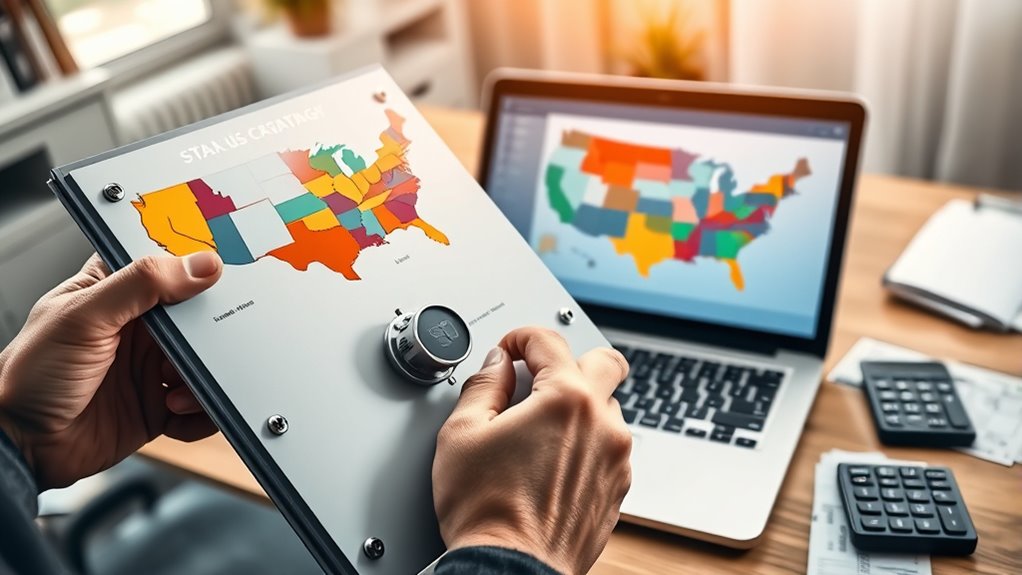
You’ll want to start by looking up your state’s specific tax regulations on gun safes, as they can vary widely. Keep in mind that local taxes might also affect the total cost, so checking city or county rules is important too.
Knowing both state and local tax details will help you understand if you’re eligible for any sales tax exemptions or savings.
State Tax Regulations
Since sales tax on gun safes varies widely by state, checking your local regulations before purchasing is essential. Some states exempt gun safes from sales tax, while others apply the full rate. You can usually find this info on your state’s Department of Revenue website or by calling their customer service.
To get started, here’s a quick look at examples from three states:
| State | Gun Safe Sales Tax Rule |
|---|---|
| Texas | Full state sales tax applies |
| Florida | No sales tax on gun safes |
| California | Taxable as general merchandise |
Make sure to verify your specific state’s rules, as tax laws can change. This helps you avoid surprises and potentially save money on your purchase.
Local Tax Variations
Understanding state tax regulations is just the first step when figuring out how sales tax applies to gun safes. You also need to consider local tax variations, which can differ notably within a state. Counties, cities, and municipalities often add their own sales taxes on top of the state rate.
To check your area’s rules, start by visiting your state’s department of revenue website. They usually provide detailed information or a sales tax rate lookup tool. You can also contact your local tax assessor’s office directly for specifics.
Don’t forget to factor in these local rates when budgeting for your gun safe purchase, as they can increase the overall cost. Being informed about local tax variations helps you avoid surprises at checkout and find potential savings.
States That Offer Sales Tax Exemptions on Gun Safes
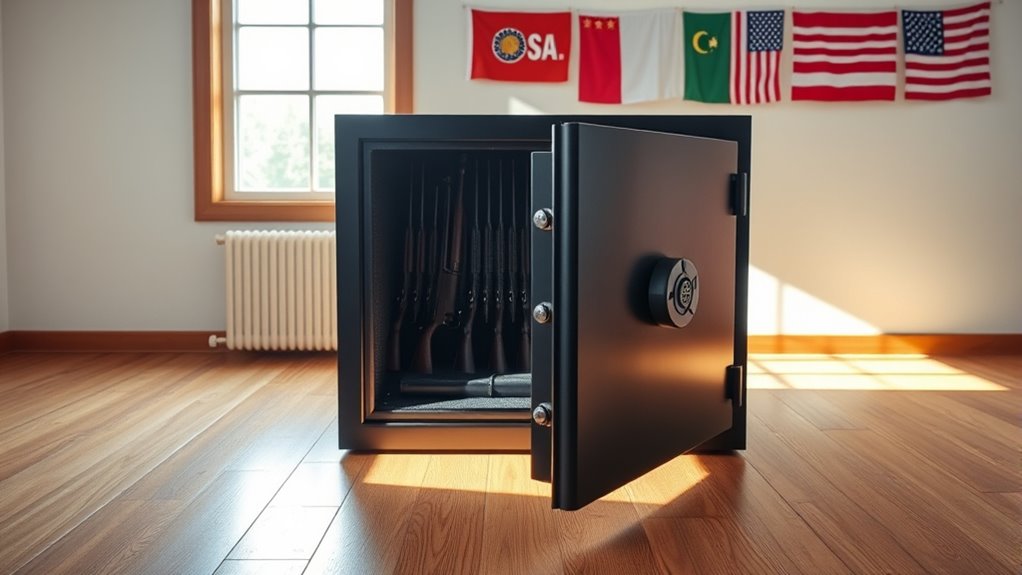
Although not all states offer sales tax exemptions on gun safes, several do, giving you a chance to save substantially on your purchase. States like Florida and Texas provide exemptions if the safe meets specific criteria, such as being used for home security. In these states, you won’t pay sales tax on your gun safe, which can add up to significant savings given the cost of quality safes.
Additionally, states such as Arizona and Louisiana sometimes include gun safes in their broader tax exemption programs tied to safety equipment or hunting gear. However, exemptions often come with rules about the safe’s features or intended use, so it’s important you check your state’s specific laws before purchasing. By knowing where gun safes are tax-exempt, you can plan your purchase accordingly and avoid unexpected tax costs.
Keep in mind, these exemptions vary widely, so doing thorough research is essential to maximize your savings.
Gun Safe Discounts and Promotions: How to Save Money
When you’re ready to buy a gun safe, taking advantage of discounts and promotions can considerably lower your costs. Start by signing up for newsletters from major gun safe retailers—they often send exclusive coupons or early access to sales. Keep an eye out during holiday weekends like Black Friday or Memorial Day when many stores offer significant markdowns.
Don’t forget to check online marketplaces and manufacturer websites, as they sometimes run flash sales or limited-time offers. Additionally, some local gun shops might have clearance sales or special financing options to help you save. If you’re flexible with the model or size, you might find discontinued or overstocked safes at a discount.
Bundling Purchases and Using Tax-Advantaged Accounts to Lower Costs
If you’re planning to buy multiple items related to firearm safety, bundling your purchases can save you a significant amount on taxes and shipping fees. Many retailers offer discounts when you buy a gun safe, locks, and accessories together. Combining your orders means you’ll likely pay sales tax on a lower overall amount or sometimes just once, plus shipping costs drop too.
It’s a smart way to reduce upfront expenses.
Additionally, consider using tax-advantaged accounts like Health Savings Accounts (HSAs) or Flexible Spending Accounts (FSAs) if your state allows firearm safety equipment as a qualified expense. These accounts let you use pre-tax dollars, effectively lowering your out-of-pocket costs. Just check eligibility rules carefully before purchasing.
Should You Buy Used or Refurbished Gun Safes? Pros and Cons
When you’re deciding between a used or refurbished gun safe, cost savings can be tempting but it’s important to weigh safety and reliability carefully.
You’ll also want to evaluate whether the safe comes with a warranty or support, which can be limited on secondhand options.
Let’s break down the pros and cons to help you make a smart choice.
Cost Comparison Overview
Although buying a used or refurbished gun safe can save you money upfront, it’s important to weigh the pros and cons before making a decision. Used safes often come at a lower price than new ones, sometimes 20-50% less, which can be a big saving.
Refurbished models might cost a bit more than used but typically include repairs and a limited warranty, offering better value. New safes, while pricier, guarantee the latest security features and full manufacturer support.
When comparing costs, factor in potential repairs or upgrades with used safes, which might reduce your savings. Ultimately, your choice depends on your budget and willingness to manage possible extra costs versus the peace of mind a new safe provides.
Safety and Reliability
Choosing between used, refurbished, or new gun safes isn’t just about price—you’ll also want to think about safety and reliability. Used safes might seem like a bargain, but you can’t always be sure about their condition. Locks and fireproofing could be worn or compromised.
Refurbished safes, on the other hand, are inspected and repaired, offering a middle ground; however, their quality depends on the refurbisher’s standards. New safes guarantee the latest security features and full integrity, but they come at a higher cost. If you prioritize peace of mind and consistent performance, new safes are safer bets.
If you consider used or refurbished, carefully inspect the safe yourself or have a professional evaluate it to avoid surprises that could compromise your firearms’ security.
Warranty and Support
Since warranties and customer support are essential for long-term peace of mind, you’ll want to weigh them carefully before buying a used or refurbished gun safe. Typically, used safes don’t come with a warranty, leaving you on your own if something breaks. Refurbished safes might offer limited warranties, but they’re often shorter and less thorough than new safes’ coverage.
Also, customer support for used or refurbished safes can be patchy—manufacturers may not prioritize these products. If you value quick assistance and guaranteed repairs, buying new is safer. However, if you’re comfortable with potential risks and cost savings, a used or refurbished safe could work.
Just make sure you understand the warranty terms and support options before making a decision.
Tips for Choosing a Gun Safe That Balances Cost, Quality, and Security
When you’re looking for a gun safe, striking the right balance between cost, quality, and security is key to protecting your firearms without overspending. Start by evaluating your needs—consider how many guns you have and the level of protection required. Don’t just opt for the cheapest model; prioritize safes with solid steel construction and reliable locking mechanisms like biometric or electronic locks for better security.
Check the safe’s fire rating if you want protection beyond theft, but understand that higher fire ratings often mean higher costs. Look for models with good customer reviews and warranties, which reflect confidence in quality and support. Also, consider the safe’s size and weight—it should fit your space but be heavy enough to deter theft.
Final Thoughts on Saving Money and Navigating Gun Safe Taxes
Although gun safes can be a significant investment, knowing how to save money and navigate taxes can make a big difference in your final cost. First, check if your state offers tax exemptions or deductions for gun safes, as some do for safety equipment. You can also look for sales tax holidays or purchase during promotional events to reduce expenses.
When shopping, compare prices online and in-store, and don’t hesitate to ask about bundled deals or manufacturer discounts. Remember, quality and security shouldn’t be compromised just to save a bit upfront; a reliable safe protects your investment and ensures safety.
Finally, keep all receipts and tax documents organized for potential deductions or resale value. By staying informed about tax laws and smart purchasing strategies, you can confidently buy a gun safe without overspending. This way, you get both security and savings, making your investment worthwhile in the long run.
Frequently Asked Questions
Are There Specific Tax Credits for Gun Safe Purchases?
No, there aren’t specific tax credits for buying gun safes. However, you might deduct them if used for business or security purposes. Always check with a tax professional to see if your situation qualifies for any deductions.
Do Gun Safes Qualify for Any Federal Tax Deductions?
It’s ironic, but no, gun safes don’t qualify for federal tax deductions. Still, you can save by looking for state-specific credits or using flexible spending accounts, making your purchase a bit more affordable despite federal rules.
How Do Property Taxes Affect Gun Safes?
Property taxes usually don’t apply specifically to gun safes since they’re considered personal property. You won’t be taxed on the safe itself, but if it’s part of your home’s security upgrades, check local assessments just in case.
Can Gun Safes Be Included in Estate Tax Calculations?
You’d think gun safes weigh a ton in estate taxes, but they’re just part of your overall assets. You’ll need to include their value when calculating, so don’t overlook them—it could save you a fortune later.
Are Online Gun Safe Purchases Taxed Differently Than In-Store?
Yes, online gun safe purchases can be taxed differently depending on your state’s laws and where the seller is located. You might pay sales tax based on your shipping address, unlike in-store purchases taxed at checkout.
Sales tax rules vary widely, so it’s important to check local regulations. Some states require sellers to collect tax even for online sales. Others may not, which can affect the final price you pay.
Conclusion
When it comes to gun safes, the tax rules aren’t always clear—some states tax them, others don’t. But what if you could access hidden savings by knowing exactly where to look? From discounts to smart buying strategies, there’s more you can do than just pay full price.
Ready to discover the secrets that could save you big? Keep digging, because your perfect, affordable gun safe might be closer than you think. Understanding whether gun safes are tax free and how to save can make a significant difference in your purchase.
By exploring tax exemptions and taking advantage of available deals, you can ensure you get the best value. Don’t miss out on the opportunity to make your gun safe purchase both secure and budget-friendly.