What Is JHP Ammo and How Does It Work?
Jacketed Hollow Point (JHP) ammo is a popular choice for self-defense and hunting due to its unique design and effectiveness. JHP rounds are designed to expand upon impact, creating larger wound channels that deliver faster stopping power.
This expansion also reduces the risk of over-penetration, making them safer to use around bystanders.
The bullet features a hollow tip and is encased in a metal jacket, which controls the expansion and maintains the bullet’s integrity during flight. This controlled expansion maximizes energy transfer to the target, enhancing stopping power and overall performance.
Understanding how JHP ammo works and the factors that affect its effectiveness can help you make informed decisions for your firearm needs. Keep exploring to learn why JHP rounds are favored for their reliability and safety in critical situations.
Key Takeaways
- JHP ammo features a hollowed tip and metal jacket designed to expand on impact, creating larger wound channels. The jacket controls expansion, preventing fragmentation and over-penetration for safer, more effective stopping power. Expansion occurs as pressure pushes the lead core outward, causing the bullet to mushroom and transfer energy efficiently.
- Barrel length, velocity, and target material influence how reliably the bullet expands and penetrates. JHP rounds are preferred for self-defense and hunting due to controlled expansion and reduced risk to bystanders.
What Is Jacketed Hollow Point (JHP) Ammo?
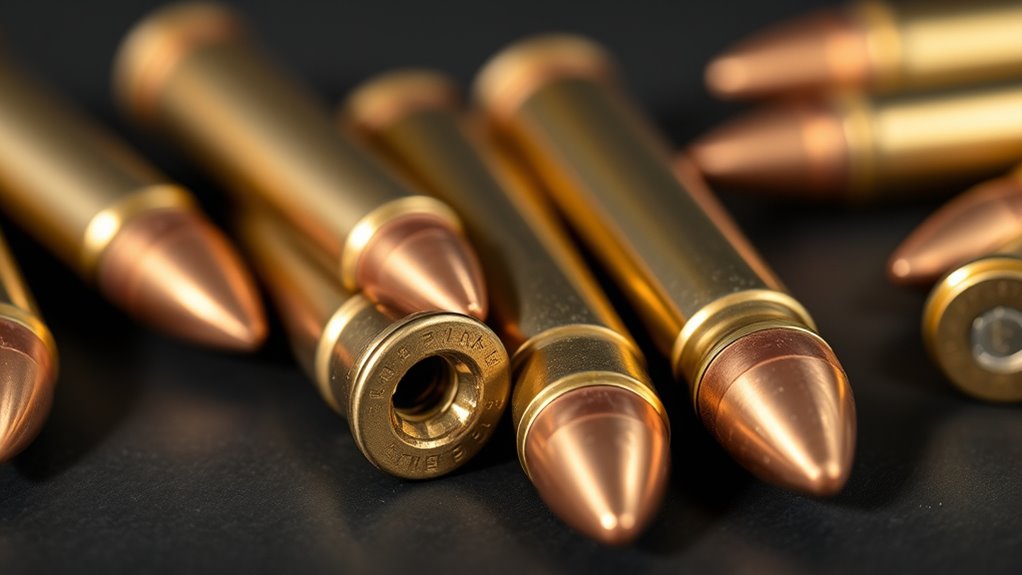
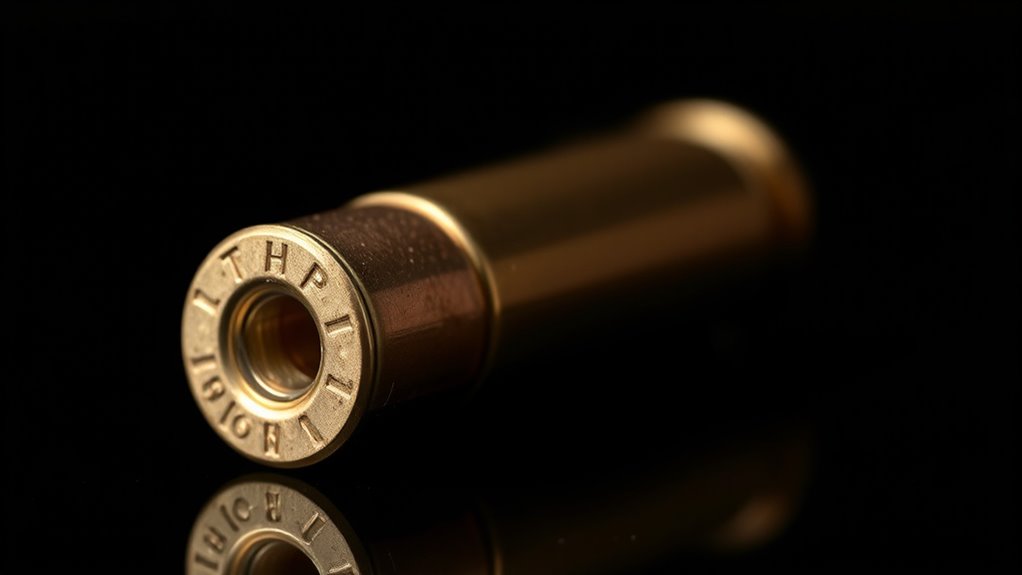
Although you might have heard the term before, Jacketed Hollow Point (JHP) ammo is designed specifically to expand upon impact, creating a larger wound channel than standard bullets. When you choose JHP ammo, you’re selecting a bullet with a hollowed-out tip and a metal jacket encasing its core. This jacket helps maintain the bullet’s integrity during firing while allowing the tip to deform effectively when it hits a target.
Unlike full metal jacket (FMJ) bullets that tend to pass through targets, JHP rounds are engineered to slow down and transfer more energy upon impact. This means you get increased stopping power and reduced risk of over-penetration, which is especially important for self-defense or law enforcement situations. When you handle JHP ammo, you’ll notice the distinct hollow cavity in the nose, which differentiates it clearly from other bullet types.
How Does JHP Ammo Expand and What Does the Jacket Do?
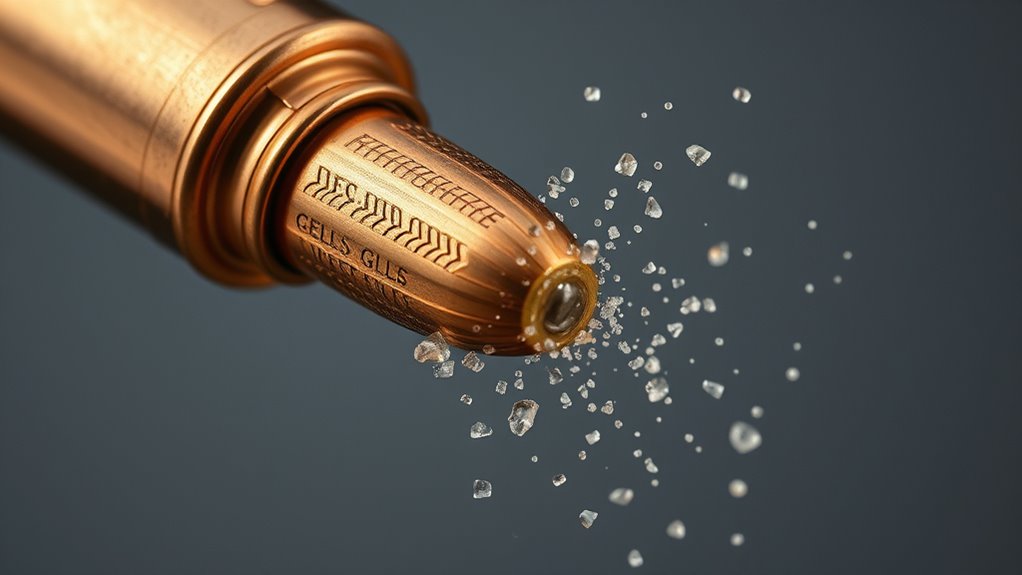
When you fire JHP ammo, the hollow point causes the bullet to expand on impact, creating a larger wound channel. The jacket controls this expansion, preventing the bullet from fragmenting too much or penetrating too deeply.
Understanding how this works helps you see why controlled expansion is key for stopping power and safety.
Expansion Mechanism Explained
If you’ve ever wondered how JHP ammo manages to expand upon impact, it’s all about the carefully designed relationship between the bullet’s core and its jacket. When the bullet hits a target, the hollow point creates a controlled space for expansion. The pressure forces the core—usually lead—to push outward.
The jacket, which covers the core, guides this expansion, allowing the bullet to “mushroom” instead of just penetrating straight through. This expansion increases the bullet’s diameter, creating a larger wound channel and transferring more energy to the target. The jacket’s thickness and material guarantee the bullet expands reliably without breaking apart too soon.
Purpose Of The Jacket
Why does the jacket play such a crucial role in JHP ammo? The jacket, usually made of copper or a copper alloy, encases the lead core to control how the bullet expands upon impact. Without the jacket, the lead would deform uncontrollably, reducing penetration and accuracy.
The jacket directs expansion by holding the bullet’s shape initially, allowing the hollow point cavity to open up properly and create a controlled mushroom effect. This controlled expansion increases the bullet’s diameter, maximizing tissue damage while maintaining enough penetration to reach vital organs.
Fundamentally, the jacket balances expansion and penetration, ensuring the bullet performs reliably. So, when you choose JHP ammo, you’re relying on that jacket to manage expansion dynamics for effective stopping power without sacrificing bullet integrity.
Benefits Of Controlled Expansion
The jacket’s role in controlling how a JHP bullet expands directly leads to several key benefits. When you shoot JHP ammo, the jacket helps the bullet expand in a predictable way, creating a larger wound channel that increases stopping power.
This controlled expansion also reduces the chance of the bullet fragmenting or over-expanding, which means it retains enough mass to penetrate deeply and reach critical organs. Because the jacket keeps the expansion consistent, you get more reliable performance shot after shot.
Additionally, it minimizes the risk of over-penetration, which helps protect bystanders. So, the jacket doesn’t just protect the bullet—it guarantees the expansion is effective and safe, making JHP ammo a smart choice for both self-defense and hunting situations.
Why Is JHP Ammo Preferred for Self-Defense?
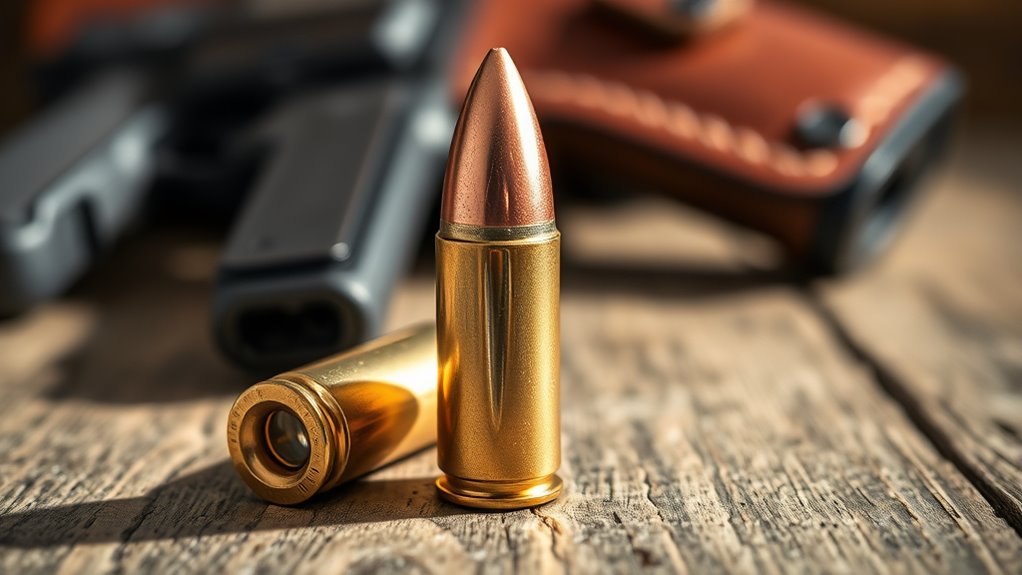
Because self-defense situations demand quick and effective stopping power, you’ll find that JHP (Jacketed Hollow Point) ammo is often the preferred choice. Its design maximizes damage to stop threats efficiently while minimizing risks to bystanders.
Here’s why you might choose JHP for self-defense:
- Rapid Expansion: Upon impact, the hollow point causes the bullet to expand quickly, creating a larger wound channel that stops an attacker faster.
- Reduced Overpenetration: JHP bullets slow down inside the target, decreasing the chance of passing through and harming others nearby.
- Reliable Performance: JHP ammo functions consistently in various firearms, ensuring you can trust your rounds when it matters most.
How Does JHP Ammo Perform in Hunting?
While JHP ammo is often favored for self-defense due to its stopping power and safety features, it also has specific applications in hunting. When you use JHP rounds, you benefit from their controlled expansion upon impact, which causes significant tissue damage and helps guarantee a quick, humane kill. This expansion reduces the risk of over-penetration, meaning the bullet is less likely to pass through the animal and cause unnecessary damage or pose a danger beyond the target.
For hunting medium-sized game, JHP ammo offers reliable energy transfer, increasing your chances of clean, effective shots. You’ll also find that the design minimizes meat damage compared to non-expanding bullets, preserving more of your harvest. However, using JHP in larger game requires careful caliber selection to ensure sufficient penetration and stopping power.
How Does JHP Ammo Compare to Other Bullet Types?
When comparing JHP ammo to other bullet types, you’ll notice it offers controlled expansion and reliable penetration. This makes it a popular choice for self-defense situations where stopping power matters.
Understanding these differences can help you pick the right ammo for your needs.
Expansion and Penetration
If you’ve ever wondered how JHP (Jacketed Hollow Point) ammo stacks up against other bullet types, it mainly comes down to how it expands and penetrates upon impact. Unlike full metal jacket (FMJ) rounds that tend to pass through targets, JHP bullets are designed to mushroom, increasing diameter for greater tissue disruption and energy transfer.
Here’s how it compares:
- Expansion: JHP bullets expand rapidly, creating a larger wound channel than non-expanding rounds.
- Penetration: They penetrate deep enough to reach critical organs but usually avoid over-penetration, reducing collateral damage.
- Energy Transfer: Expansion maximizes energy delivery inside the target, making JHP ammo more effective at stopping threats quickly.
This balance sets JHP apart, combining controlled penetration with superior expansion.
Use in Self-Defense
Why choose JHP ammo for self-defense over other bullet types? You want a round that stops a threat effectively without over-penetration risks. JHP (Jacketed Hollow Point) bullets expand upon impact, creating larger wound channels and transferring more energy, which means quicker incapacitation.
Unlike FMJ (Full Metal Jacket) bullets, JHP reduces the chance of the bullet passing through and hitting unintended targets. Compared to lead round nose bullets, JHP offers better control and stopping power.
| Bullet Type | Expansion | Penetration Control | Stopping Power |
|---|---|---|---|
| JHP | High | Excellent | Superior |
| FMJ | None | Poor | Moderate |
| Lead Round Nose | Minimal | Moderate | Low |
Choosing JHP ammo means prioritizing safety and effectiveness in self-defense.
What Factors Affect JHP Ammo’s Effectiveness?
Although JHP ammo is designed for controlled expansion and maximum stopping power, several factors influence how well it performs in real-world situations. You need to take into account these elements to understand its effectiveness better.
- Velocity and Barrel Length: The speed at which the bullet travels affects expansion. A shorter barrel might reduce velocity, limiting the bullet’s ability to expand properly upon impact.
- Target Material and Density: Whether the bullet hits soft tissue, bone, or clothing impacts how it expands. Harder materials can deform the bullet differently, sometimes reducing penetration or expansion.
- Bullet Construction: Variations in the jacket thickness, hollow point cavity size, and core materials affect how reliably and consistently the bullet expands.
Practical Tips for Choosing and Using JHP Ammo
When selecting JHP ammo, you’ll want to take into account factors like your firearm’s specifications and the intended use to guarantee peak performance. Start by checking your gun’s manual for recommended bullet weights and calibers. Using ammo that matches these specs ensures reliability and safety.
Consider your purpose—self-defense, target shooting, or hunting—as different JHP designs perform better in specific scenarios. For example, lighter bullets may expand faster, while heavier ones offer deeper penetration.
Different JHP designs excel in self-defense, target shooting, or hunting based on bullet weight and performance.
Next, buy from reputable manufacturers to avoid inconsistent performance. Test various brands and loads at the range to see which feed smoothly and provide the accuracy you need. Keep an eye on bullet construction; premium JHPs often have bonded jackets or controlled expansion features for ideal terminal effects.
Finally, store your ammo properly in a cool, dry place to maintain its integrity. Following these tips helps you get the best out of your JHP ammo, maximizing both safety and effectiveness.
Frequently Asked Questions
Can JHP Ammo Be Used in All Firearm Types?
You can’t use JHP ammo in all firearms since some guns, especially older or certain rifles, may not cycle it reliably.
Always check your firearm’s compatibility to guarantee safety and proper function before using JHP rounds.
Is JHP Ammo Legal for Hunting in All States?
You won’t find JHP ammo legal for hunting in every state—it’s like trying to fit a square peg in a round hole. Always check local laws before you hunt, so you’re not caught off guard.
How Should JHP Ammo Be Stored for Best Performance?
You should store JHP ammo in a cool, dry place away from direct sunlight and humidity. Keep it in airtight containers or original packaging to maintain performance and prevent corrosion or moisture damage over time.
What Is the Typical Cost Difference Between JHP and FMJ Ammo?
You’ll usually pay about 20-50% more for JHP ammo compared to FMJ. The expanding design and manufacturing complexity make JHP rounds pricier, but many find the extra cost worth it for self-defense effectiveness.
This price difference reflects the added materials and precision needed to produce JHP bullets. Despite the higher cost, their performance advantages often justify the investment.
Are There Any Known Reliability Issues With JHP Ammo in Semi-Automatic Pistols?
You might occasionally notice JHP ammo being a bit more “particular” in feeding, but with quality brands and proper maintenance, your semi-automatic pistol should run smoothly without significant reliability hiccups.
Conclusion
You want ammo that stops threats fast but avoids over-penetration—that’s where JHP shines. Unlike full metal jackets that punch through, JHP expands to deliver maximum impact without putting others at risk. It’s like choosing a sharp chef’s knife over a cleaver—both cut, but one does it with precision.
So, whether for self-defense or hunting, JHP ammo strikes the perfect balance between power and control. This makes JHP ammo reliable for stopping threats effectively. With JHP ammo, you get confidence when it counts most in critical situations.