How Long Does Ammo Last and How to Store It
Ammo can last 20 years or more if you store it right. Proper ammo storage is essential for maintaining reliability and safety over time.
To maximize shelf life, keep ammo cool (50-70°F), dry (under 50% humidity), and away from sunlight or temperature swings.
Use airtight containers with desiccants to prevent moisture and corrosion.
Regularly check your rounds for signs of damage or degradation.
Avoid storing ammo in damp, hot, or unstable environments, as these conditions can shorten its lifespan.
Organize your calibers to easily monitor and rotate stock.
There’s more to maintaining ammo reliability and safety that’s worth knowing before long-term storage.
Following these guidelines will help ensure your ammo remains functional when you need it most.
Key Takeaways
- Ammo can remain safe and functional for 20+ years if stored in cool, dry, and stable conditions with low humidity and minimal temperature fluctuations.
- Ideal storage involves airtight, waterproof containers with desiccants, kept away from direct sunlight and extreme temperature changes.
- High heat, moisture, sunlight, and physical damage accelerate ammo degradation and increase the risk of misfires or failure.
- Different ammo types and primers affect shelf life; rifle ammo and non-corrosive primers generally last longer than pistol ammo and corrosive primers.
- Regularly inspect ammo for corrosion, damage, or odor; discard compromised rounds and handle all ammunition carefully to ensure safety.
Ammo Shelf Life Under Ideal Conditions
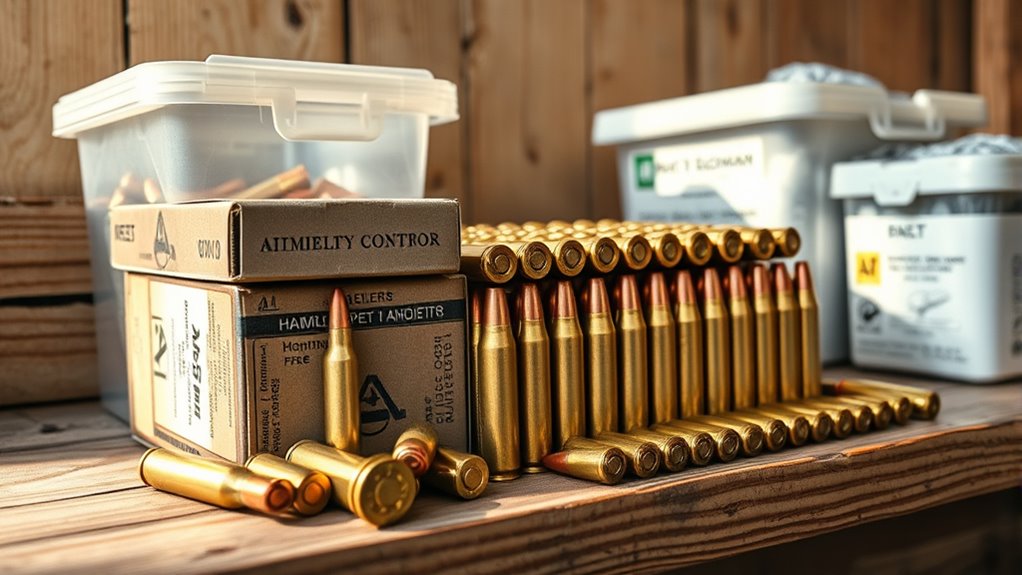
Although ammunition can degrade over time, if you store it properly—in a cool, dry place with stable temperatures and low humidity—it can last for decades without losing reliability. When conditions are ideal, the components inside the cartridge remain stable, preserving the gunpowder’s effectiveness and the primer’s sensitivity. You won’t need to worry about misfires or inconsistent performance as long as moisture and extreme heat are kept at bay.
Sealed containers or ammo cans with desiccants help maintain this environment, preventing corrosion on the casing and primer. Keep your ammo away from direct sunlight and fluctuating temperatures, since these can accelerate chemical breakdown. Under these ideal conditions, many shooters have found that factory-loaded ammo remains safe and functional for 20 years or more.
You’ll want to check your stored ammo periodically, but if it’s been kept in the right environment, it’ll serve you well whenever you need it. Proper storage is the key to preserving your ammunition’s shelf life.
Key Factors That Reduce Ammo Shelf Life
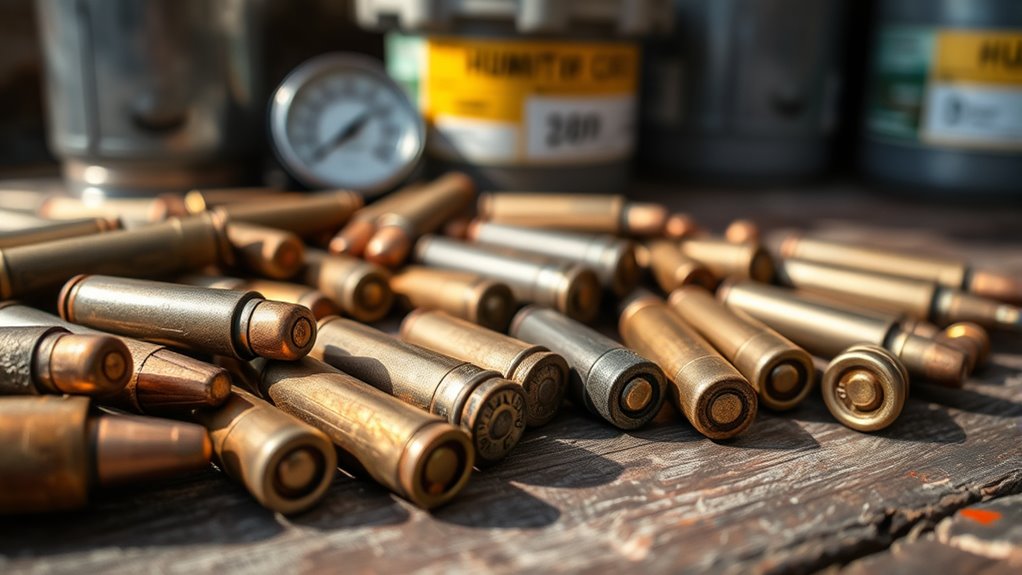
When ammo isn’t stored properly, several factors can quickly degrade its reliability and safety. Exposure to moisture is one of the biggest culprits; humidity causes corrosion on the casing and primer, which can lead to misfires. Temperature fluctuations also take a toll—extreme heat can break down gunpowder, while freezing temperatures may cause condensation inside the casing.
Light, especially direct sunlight, can deteriorate certain components over time. Physical damage from drops, impacts, or improper handling can deform casings or primers, making the ammo unsafe to use. Additionally, storing ammo near chemicals or solvents can cause contamination that affects performance.
Poor packaging or using non-airtight containers lets air and contaminants in, accelerating degradation. If you want your ammo to last, protecting it from these factors is essential. Avoid damp, fluctuating environments, keep it in sturdy, sealed containers, and handle your ammunition with care to maintain its shelf life and reliability.
How Ammo Type Affects Shelf Life
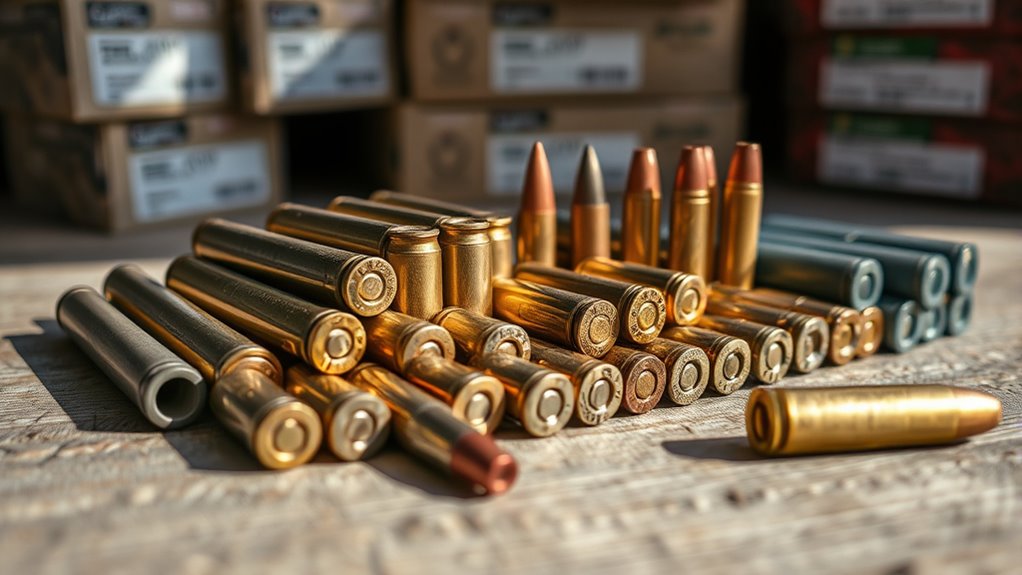
Your ammo’s type plays a big role in how long it lasts. Pistol and rifle ammo can age differently, and the kind of primer used also affects shelf life.
Plus, the bullet’s composition can impact how well your rounds hold up over time.
Pistol vs Rifle Ammo
Because pistol and rifle ammo serve different purposes, their construction and shelf life can vary considerably. Pistol ammo is generally shorter and often uses softer powders designed for lower pressures, while rifle ammo is built to withstand higher pressures with more robust casings and powders.
This difference means rifle ammo typically has a longer shelf life if stored properly, as its components are designed for durability. However, pistol ammo can degrade faster, especially if exposed to moisture or extreme temperatures. When storing either type, you should keep them in a cool, dry place with stable conditions.
Impact of Primer Types
Although many factors influence ammo shelf life, the type of primer used plays a crucial role in how long your ammunition remains reliable. Primers contain the ignition compound that sets off the powder, so their stability directly affects performance over time. Boxer primers, common in most modern ammo, tend to have a longer shelf life because they’re sealed well and less prone to moisture contamination.
Berdan primers, found in some surplus ammo, can be less reliable after extended storage due to their design and exposure to environmental elements. Additionally, lead-based primers might corrode over time, while non-corrosive primers help maintain reliability longer. When storing ammo, knowing the primer type helps you estimate how long it will stay effective, ensuring your rounds fire safely and consistently when you need them most.
Effects of Bullet Composition
When considering how long ammo lasts, the bullet’s composition plays a significant role in its overall shelf life. Different materials react differently to environmental factors. For example, lead bullets with a copper jacket tend to resist corrosion better than pure lead ones, helping preserve the round longer.
On the other hand, bullets made from softer metals like pure lead can oxidize faster, especially in humid conditions. If you’re storing ammo for years, it’s wise to choose rounds with corrosion-resistant jackets or even plated bullets, which offer extra protection. Remember, no matter the bullet type, proper storage—cool, dry, and sealed—will always extend shelf life.
Understanding bullet composition helps you pick ammo that holds up well over time, so your rounds stay reliable when you need them most.
Why Proper Ammo Storage Matters
You want your ammo to stay reliable and safe whenever you need it, which is why proper storage is essential. Storing ammo correctly prevents it from degrading over time and guarantees it performs well when fired.
Plus, good storage habits help avoid accidents and keep you protected.
Preventing Ammo Degradation
Since ammo is made of materials that can corrode or deteriorate over time, proper storage is essential to keep it reliable and safe. If you don’t store your ammo correctly, moisture and temperature changes can cause rust, corrosion, or powder degradation, making your rounds unsafe or unusable.
To prevent this, focus on:
- Keeping ammo in a cool, dry place to avoid humidity buildup
- Using airtight containers or ammo cans with desiccants to reduce moisture
- Storing ammo away from direct sunlight and extreme temperature fluctuations
- Regularly inspecting your ammo for signs of corrosion or damage
Ensuring Reliable Performance
Proper storage doesn’t just keep your ammo looking good—it directly impacts how well it performs when you need it. When ammo is stored correctly, it maintains its integrity, ensuring consistent ignition and accuracy. Moisture, temperature fluctuations, and exposure to corrosive elements can degrade primers and powder, leading to misfires or poor ballistic performance.
Enhancing Safety Measures
Although ammo might seem harmless when stored, neglecting safety measures can lead to serious accidents. You need to prioritize proper storage to prevent unintentional discharge, theft, or damage. Storing ammo safely protects you, your family, and your property.
Here’s what you should focus on:
- Keep ammo in a cool, dry place to avoid corrosion and degradation.
- Use locked containers or safes to prevent unauthorized access.
- Store ammo separately from firearms to reduce accidental use or mishandling.
- Avoid exposure to extreme heat, which can cause rounds to become unstable.
Best Containers for Storing Ammo Safely
When choosing containers for storing ammo, you’ll want options that protect against moisture, impact, and corrosion. Ammo cans made of metal with rubber gaskets are a top choice because they seal tightly, preventing moisture from getting in. These cans are durable and stackable, making them practical for long-term storage.
Plastic ammo boxes with secure latches work well too, especially if you add desiccant packs inside to control humidity. For smaller quantities, consider airtight, resealable bags or tubes designed for ammunition. These are great for organizing and minimizing exposure to air.
Whichever container you pick, make sure it’s sturdy enough to handle bumps without damaging the ammo inside. Avoid cardboard boxes since they offer little protection against environmental factors. Label your containers clearly so you can track your stock easily.
How Temperature and Humidity Affect Ammo Shelf Life
Since ammo is sensitive to environmental conditions, the temperature and humidity where you store it can considerably impact its shelf life. High temperatures can accelerate the chemical breakdown of gunpowder and primers, reducing reliability. Likewise, excessive humidity can cause corrosion on the casing and degrade the powder inside.
Ammo sensitivity to temperature and humidity significantly affects its longevity and reliability over time.
Keeping your ammo in stable, moderate conditions is key to maintaining its effectiveness over time.
Here’s what you should keep in mind regarding temperature and humidity:
- Avoid storing ammo in places where temperatures exceed 90°F (32°C) for extended periods.
- Keep humidity levels low, ideally below 50%, to prevent rust and corrosion.
- Rapid temperature changes can cause condensation, which damages ammo components.
- Extreme cold generally poses less risk but can affect performance if moisture is present.
Tips for Storing Ammo Long-Term at Home
To keep your ammo in good shape long-term, you’ll want to control the storage environment by keeping it cool and dry. Choosing the right containers, like airtight boxes or sealed ammo cans, can make a big difference.
Let’s look at how these factors help protect your ammo over time.
Ideal Storage Environment
Although ammo is built to last, its lifespan depends heavily on how you store it. To maintain your ammunition in top condition, creating the right environment is key. You want to minimize exposure to factors that can cause corrosion or deterioration over time.
Here’s what you should focus on:
- Cool temperature: Aim for a stable, cool spot around 50-70°F to slow chemical breakdown.
- Low humidity: Keep humidity below 50% to prevent rust on casings and primers.
- Darkness: Store ammo away from direct sunlight to avoid heat and UV damage.
- Ventilation: Guarantee good airflow to reduce moisture buildup and stale air.
Proper Container Choices
When you want your ammo to stay reliable over the years, choosing the right container is essential. You should use airtight, waterproof containers to protect your ammo from moisture, which can cause corrosion and misfires. Ammo cans made of metal with rubber gaskets are a great option, as they seal tightly and are durable.
You can also store ammo in heavy-duty plastic containers with tight lids, but be sure they’re truly airtight. Avoid cardboard boxes or thin plastic bags, as these offer little protection against humidity and physical damage. Additionally, consider including desiccant packs inside the container to absorb any residual moisture.
Label your containers clearly so you can easily track the ammo’s age and type. Proper containers help maintain your ammo’s performance and safety over time.
Ammo Storage Mistakes You Should Avoid
If you want your ammo to remain reliable, you need to steer clear of common storage mistakes that can degrade its quality. Avoid exposing your ammo to moisture, which can cause corrosion and misfires. Don’t store ammo in places with extreme temperatures, like garages or attics, since heat and cold can affect powder stability.
It’s also a bad idea to keep different calibers mixed together without proper labeling; this can lead to dangerous confusion. Finally, never store ammo loosely without proper containers—this risks damage to the cartridges and primers.
Here are four key storage mistakes to avoid:
- Storing ammo in damp or humid environments
- Exposing ammo to fluctuating or extreme temperatures
- Mixing different calibers without clear labeling
- Keeping ammo loose instead of in sealed, protective containers
How to Spot Bad Ammo
Because ammo can degrade over time or due to poor storage, it’s important to know how to spot signs of bad ammo before using it. First, check the casing for any corrosion, rust, or discoloration—these are clear indicators the ammo may be compromised. Also, inspect the bullet itself; if it’s loose, damaged, or shows signs of oxidation, it’s best not to use it.
Pay close attention to the primer; if it’s dented, missing, or looks unusual, that round could cause misfires. Another red flag is any visible powder leakage or unusual residue around the casing. If the ammo smells strange or moldy, that’s a sign of moisture damage.
Finally, make sure the packaging is intact; damaged boxes can mean exposure to elements that harm the rounds inside. Trust your instincts—if something seems off, don’t risk it. Using bad ammo can be dangerous and damage your firearm.
How to Rotate and Use Stored Ammo Safely
Although ammo can last for years if stored properly, you’ll want to rotate your stock regularly to guarantee you’re always using the freshest rounds. This prevents any surprise failures when you need your ammo most. To do this effectively, label your boxes with purchase dates and organize them so you use the oldest ammo first.
Rotate your ammo stock regularly by labeling and using the oldest rounds first to ensure reliability.
Always inspect rounds before use, even if they’re within your rotation schedule.
Here are some key tips to rotate and use stored ammo safely:
- Label and date every box or container for easy tracking.
- Use the oldest ammo first to maintain freshness and reliability.
- Inspect rounds for corrosion, dents, or discoloration before loading.
- Store ammo separately from firearms and away from heat or moisture to avoid damage.
Frequently Asked Questions
Can Ammo Expire if Stored in a Gun?
Yes, ammo can degrade if stored in a gun for a long time, especially due to moisture and residue buildup.
You’ll want to clean the firearm and rotate the ammo regularly to keep it reliable and safe to use.
Does Reloading Old Ammo Affect Performance?
Yes, reloading old ammo can affect performance. If you don’t carefully inspect and properly clean components, inconsistencies may arise.
Always check primers, powder quality, and cases to guarantee reliable, safe shooting results when reloading.
How Does Ammo Age Impact Firearm Safety?
Ammo aging can increase the risk of misfires or squibs, so you shouldn’t use old, degraded rounds without inspection. Always check for corrosion or damage to keep your firearm safe and avoid potential accidents.
Regularly inspecting your ammunition helps ensure it functions properly. Avoid using rounds that show signs of wear or deterioration. Proper storage can also slow down the aging process.
Is It Safe to Shoot Ammo Past Its Shelf Life?
You can shoot ammo past its shelf life, but it’s not always safe. Aging may cause misfires or increased pressure, so inspect it carefully and consider testing a few rounds before regular use to avoid risks.
Can Ammo Be Recycled or Disposed of Safely?
Coincidentally, you can’t just toss ammo in the trash. You’ll want to recycle or dispose of it safely by contacting local law enforcement or hazardous waste facilities—they’re equipped to handle it properly, keeping you and others safe.
Conclusion
Just like a seed needs the right soil to grow, your ammo needs proper care to stay reliable. When you store it well, you’re not just preserving metal and powder—you’re safeguarding your peace of mind and readiness.
Remember, neglect can turn potential into rust, and trust into doubt. Treat your ammo like a silent guardian, and it’ll stand by you when it matters most, ready to perform without fail. Proper ammo storage is key to extending how long ammo lasts and maintaining its performance.