How to Carry Concealed Legally in NJ
To carry concealed legally in NJ, it is essential to understand the state’s strict requirements for concealed carry permits.
New Jersey requires applicants to be at least 21 years old and to pass thorough background checks, including fingerprinting.
Proving a justifiable need for carrying a concealed weapon is a critical part of the process.
You must complete a certified training course before applying.
Only registered handguns that comply with state laws are allowed to be carried concealed.
It is important to avoid carrying in restricted areas such as schools and government buildings.
Keep your permit current by renewing it on time and updating any necessary information.
Following safe storage and handling rules is vital to stay compliant with New Jersey laws.
Understanding these basics lays the foundation for carrying concealed with confidence and legality.
Key Takeaways
- Obtain a concealed carry permit by meeting age, residency, background check, and justifiable need requirements in New Jersey.
- Complete an approved firearms training course and submit fingerprints through authorized vendors for the permit application.
- Carry only legally registered handguns compliant with state laws, avoiding prohibited firearms like assault weapons or high-capacity magazines.
- Avoid carrying firearms in restricted areas such as schools, government buildings, and private properties that prohibit guns.
- Always securely store firearms when not carried, keep your permit updated, and stay informed about NJ concealed carry laws.
Who Can Legally Carry Concealed in New Jersey
Although New Jersey has some of the strictest gun laws in the country, you can legally carry a concealed weapon if you meet specific criteria and obtain the proper permit. To qualify, you must be at least 21 years old and a resident of the state or have a valid reason for carrying if you’re a non-resident. You’ll need to pass a thorough background check, including fingerprinting and mental health evaluations.
The state requires you to demonstrate “justifiable need,” meaning you must prove a specific threat to your safety that ordinary citizens don’t face. Additionally, you must complete a firearms training course approved by the state. Certain individuals, such as convicted felons, those with restraining orders, or people with certain mental health conditions, are disqualified from carrying concealed weapons.
Meeting these requirements is essential before applying for a permit, ensuring that only responsible, law-abiding citizens carry concealed firearms in New Jersey.
Firearms Allowed for Concealed Carry in NJ
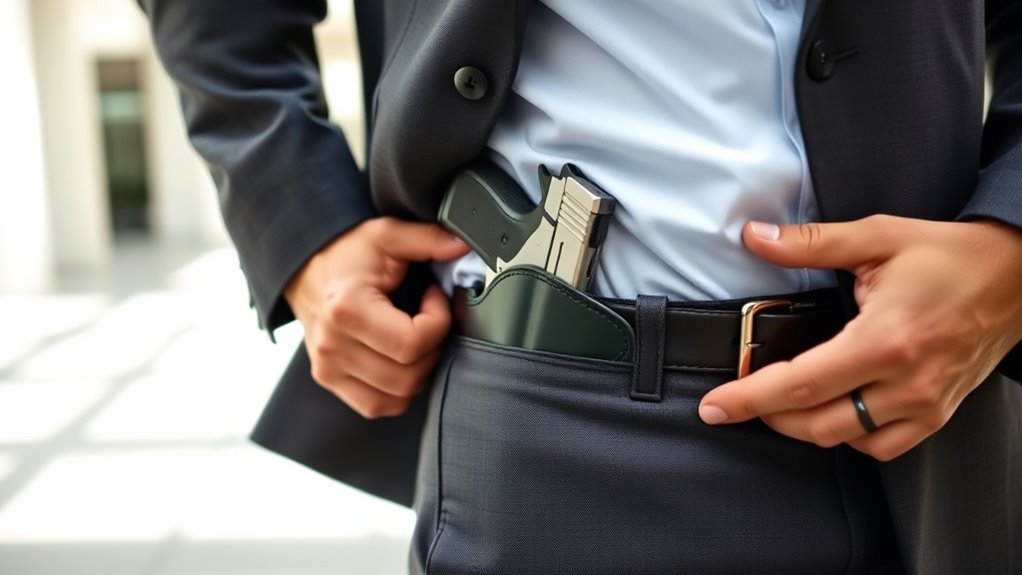
Once you’ve met all the requirements to carry concealed in New Jersey, it’s important to understand which firearms you’re allowed to carry. Generally, you’re permitted to carry handguns that are legally registered to you. Rifles and shotguns are not included under concealed carry laws since they’re typically not carried concealed.
Your firearm must comply with state regulations—this means it must not be altered in a way that increases its capacity beyond legal limits. New Jersey prohibits carrying certain types of firearms, such as assault weapons and any handgun with a capacity over 10 rounds. Additionally, you can only carry firearms that you have legally acquired and registered in New Jersey; out-of-state permits or unregistered weapons aren’t valid.
NJ Concealed Carry Permit: What You Need to Apply
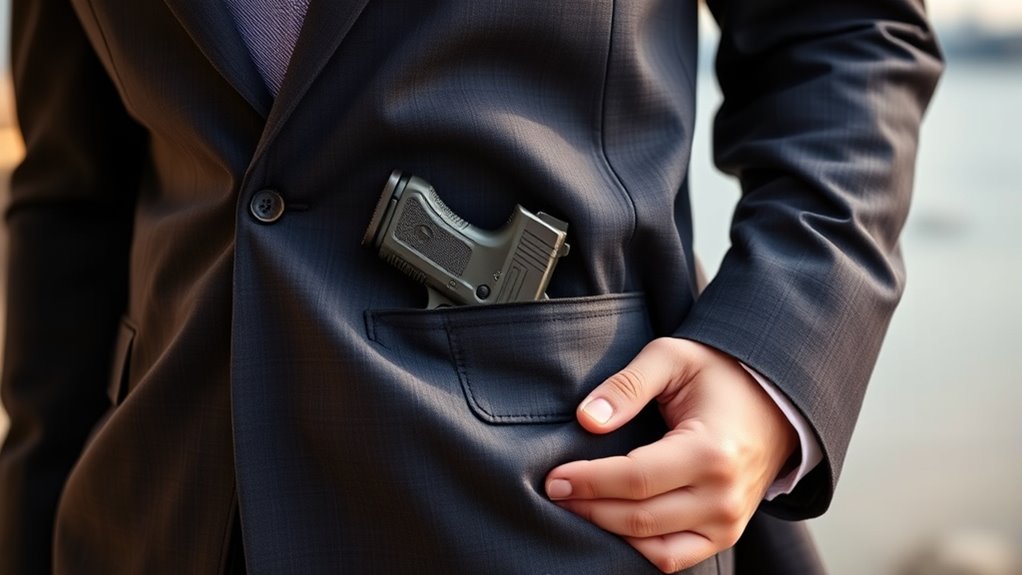
Before you apply for a NJ concealed carry permit, you’ll need to meet specific eligibility requirements. You’ll also have to gather the necessary documentation to support your application.
Let’s go over what you’ll need to get started.
Eligibility Requirements Overview
If you want to carry concealed legally in New Jersey, you’ll need to meet specific eligibility requirements set by the state. These requirements guarantee that only qualified individuals receive a permit, helping maintain public safety. Here’s a quick overview of what you must satisfy:
- Age and Residency: You must be at least 21 years old and a resident of New Jersey or have a business or property there.
- Background Check: You need a clean criminal record, with no disqualifying convictions or restraining orders.
- Good Character: The state requires proof of good moral character, often demonstrated through references or past conduct.
Meeting these basic criteria is essential before you proceed with your application.
Application Documentation Needed
Meeting New Jersey’s eligibility requirements is just the start of your concealed carry journey. To apply for a permit, you’ll need to gather specific documentation. First, provide proof of residency, like a utility bill or driver’s license.
You’ll also need a completed application form, available from your local police department or the NJ State Police website. Include a recent passport-sized photo and valid identification, such as your driver’s license. Fingerprints are mandatory, so schedule an appointment with a law enforcement agency or an authorized fingerprinting service.
Additionally, you must submit proof of firearms training or experience, which meets state standards. Finally, be prepared to pay the application fee. Having all these documents ready will help your application move smoothly through the review process.
Concealed Carry Background Checks and Fingerprinting
Before you can carry concealed legally in NJ, you’ll need to complete fingerprinting as part of the application process. This helps law enforcement run a thorough background check to confirm you’re eligible.
Understanding these steps is essential to moving forward with your permit.
Fingerprinting Requirements Overview
Although the process of obtaining a concealed carry permit in New Jersey involves several steps, fingerprinting plays a crucial role in ensuring thorough background checks. You’ll need to submit your fingerprints to help authorities verify your identity and check for any criminal history. This step is mandatory and must be completed carefully to avoid delays.
Here’s what you should know about the fingerprinting requirements:
- Fingerprints must be taken by a law enforcement agency or an authorized vendor.
- Both electronic and ink fingerprinting methods are accepted, but electronic is faster.
- You’ll need to provide proper identification when submitting your fingerprints to confirm your identity.
Completing this step accurately helps keep the process smooth and your application moving forward.
Background Check Process
Once your fingerprints are submitted, they’ll be used to conduct a detailed background check as part of your concealed carry application. This check reviews your criminal history, mental health records, and any restraining orders to verify you’re eligible. The New Jersey State Police coordinate with the FBI to verify this information thoroughly.
You’ll want to be patient because the process can take several weeks. If any issues arise, you might be contacted for clarification or additional documentation. Keep in mind, a clean background is essential to move forward.
Once the check is complete and you meet all legal requirements, your application will proceed to the next step. Staying honest and transparent throughout will help avoid delays or denials.
Where You Can Carry Concealed in NJ
Wondering where you can legally carry a concealed weapon in New Jersey? Once you have your permit, it’s essential to know the specific places you’re allowed to carry your firearm. New Jersey has strict rules to ensure public safety, so being informed helps you avoid legal trouble.
Knowing where you can legally carry a concealed weapon in New Jersey is crucial for staying safe and lawful.
Here are three key places where you can carry concealed in NJ:
- Public Streets and Outdoor Areas: You can carry concealed while walking, driving, or attending outdoor events, as long as you’re not in prohibited zones.
- Private Property: Carrying concealed is generally allowed on private property if the owner permits it.
- Licensed Establishments: You may carry in certain licensed businesses, like gyms or offices, but not in places explicitly banning firearms.
How to Renew and Maintain Your Concealed Carry Permit
Knowing where you can carry your concealed weapon in New Jersey is just one part of responsible gun ownership. To keep your permit valid, you’ll need to renew it before it expires, typically every two years. The renewal process usually requires submitting an application with updated personal information, a recent photograph, and a renewal fee.
You might also need to complete additional training or firearms safety courses, depending on state requirements at the time. It’s important to apply for renewal well in advance to avoid any gap in your permit’s validity.
Maintaining your permit also means staying informed about any changes in state laws that could affect your concealed carry rights. You should keep your permit on you whenever you carry concealed and report any changes in your legal status, such as address or criminal record updates, to the issuing authority promptly. Staying proactive ensures you remain compliant and carry responsibly in New Jersey.
Common Legal Mistakes When Carrying Concealed
Although carrying concealed legally in New Jersey comes with clear guidelines, many people still make common legal mistakes that can jeopardize their permit or lead to serious consequences. Knowing what to avoid is key to staying compliant and safe.
Here are three frequent errors you should watch out for:
- Ignoring Restricted Areas: Carrying your firearm into places like schools, government buildings, or private properties that prohibit guns can result in immediate permit revocation and legal trouble.
- Improper Storage and Handling: Failing to securely store your weapon when not on your person or mishandling it in public can raise suspicion and lead to criminal charges.
- Not Updating Your Permit Information: Changes such as moving or legal status must be reported promptly. Neglecting this can invalidate your permit without your knowledge.
Avoiding these mistakes helps you carry confidently and lawfully in New Jersey. Stay informed, follow regulations, and respect the rules to protect your rights.
Frequently Asked Questions
Can I Carry Concealed Without a Permit for Personal Protection?
No, you can’t carry concealed without a permit for personal protection in New Jersey. The state requires a valid permit to carry concealed firearms legally, so carrying without one could lead to serious legal consequences.
It is important to follow the state’s regulations to avoid penalties. Always ensure you have the proper documentation before carrying a concealed weapon. Failure to comply can result in criminal charges.
Are There Restrictions on Magazine Capacity for Concealed Firearms?
You’ll need to stick to a 10-round magazine limit in New Jersey, which applies to concealed firearms.
Notably, states with limits report fewer mass shooting incidents, highlighting the impact of such restrictions on safety.
How Does NJ Handle Concealed Carry Reciprocity With Other States?
New Jersey doesn’t recognize concealed carry permits from other states, so you can’t legally carry concealed here unless you have a valid NJ permit.
You’ll need to apply within New Jersey to carry legally.
Can I Openly Carry if Concealed Carry Is Not Permitted?
You can’t parade a sword in a courtroom—open carry isn’t allowed in New Jersey if concealed carry’s off the table.
What Are the Penalties for Carrying Concealed Without a Permit?
If you carry concealed without a permit in NJ, you’re facing serious penalties like fines, jail time, and a criminal record. It’s considered a fourth-degree crime, so don’t risk it without proper authorization.
Conclusion
So, you’ve learned how to carry concealed legally in New Jersey—congratulations! Just remember, it’s not as simple as slipping a gun in your pocket and heading out. You’ll need permits, background checks, and to follow strict rules that might make you wish you took up juggling instead.
But hey, at least you won’t accidentally become a headline, right? Staying legal keeps you safe and out of trouble—something you definitely don’t want to overlook. Always ensure you comply with New Jersey’s concealed carry laws to avoid legal issues.
By understanding how to carry concealed legally in New Jersey, you protect yourself and others while exercising your rights responsibly.