
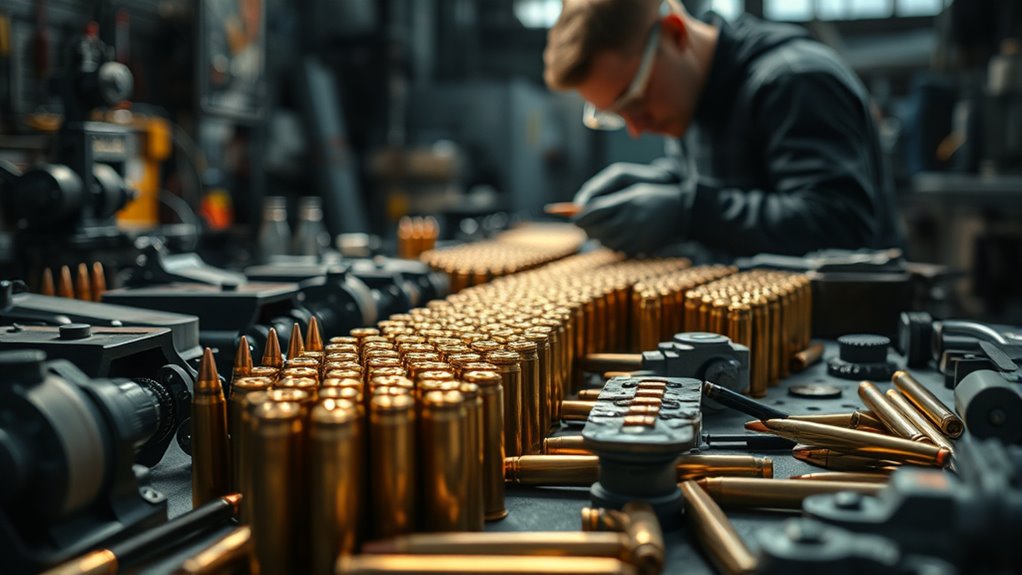
Why Is Ammo So Expensive in 2026?
You’re seeing higher ammo prices in 2026 mainly because demand has surged from sport shooters, hunters, and defense sectors. Increased interest in shooting sports and personal defense has driven up the need for ammunition.
At the same time, raw materials like lead and copper are scarce, which raises production costs.
Stricter regulations add to manufacturing expenses, making ammo even more costly.
Global conflicts disrupt supply chains, further limiting availability. These supply chain issues only make things worse for manufacturers and consumers alike.
Additionally, new technology and environmental rules push prices higher. Innovations in ammo design and eco-friendly materials come with added costs.
If you want to understand how these factors all connect and what you can do about it, there’s more to uncover.
Key Takeaways
- Increased demand from sport shooting, hunting, and defense sectors is driving ammo prices higher in 2026.
- Raw material shortages and environmental regulations limit supply and raise manufacturing costs.
- Geopolitical tensions and global conflicts disrupt supply chains, causing price spikes.
- Stricter regulations and technological advancements increase production and compliance expenses.
- Supply chain delays and rising logistics costs contribute to reduced availability and higher retail prices.
What’s Driving Ammo Prices Up in 2026?
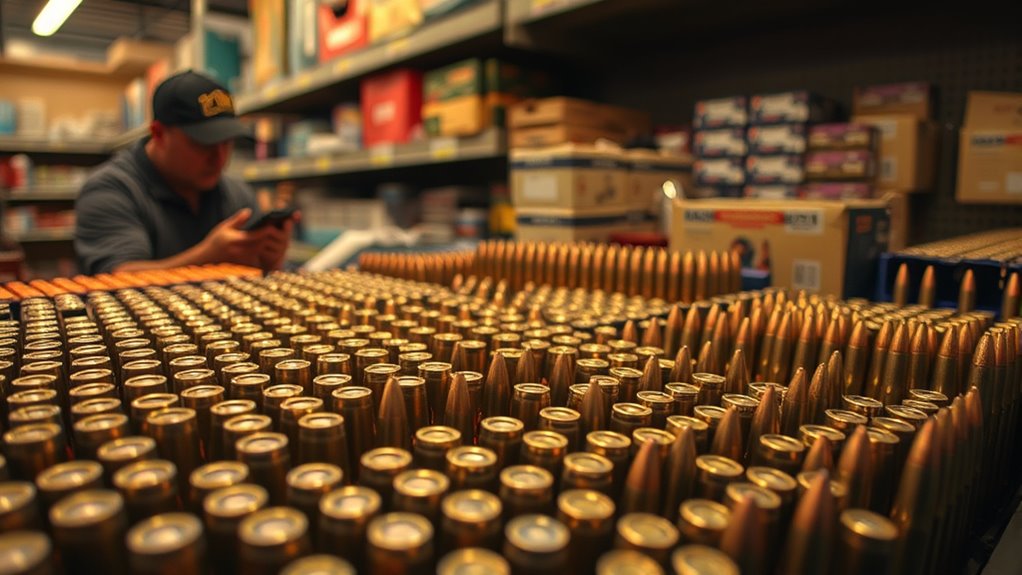
Although many factors influence ammo prices, several key drivers are pushing costs higher in 2026. You’ll notice that increased demand plays a huge role—more people are purchasing ammo for sport, hunting, and personal defense, which naturally puts upward pressure on prices.
Rising demand from sport, hunting, and defense buyers is a major factor driving ammo prices up in 2026.
Additionally, stricter regulations and compliance costs are making it more expensive for manufacturers to produce ammunition. You also have to take into account advancements in technology; while these improve quality, they sometimes add to production costs that get passed on to you.
Another factor is market competition—fewer manufacturers dominate the scene, so you don’t get as much pricing flexibility. In conclusion, inflation affects everything, including ammo, so you’re seeing prices rise as general costs increase across the board.
When you piece all these together, it’s clear why ammo prices are climbing despite other variables that might keep them stable.
How Supply Chain and Raw Material Issues Raise Ammo Prices

You’re likely noticing ammo prices climbing because raw materials are harder to find. When manufacturers face delays, production slows down, pushing costs up.
On top of that, rising transportation expenses make it more expensive to get ammo to you.
Raw Material Scarcity
Why are ammo prices climbing so steeply? One big reason is raw material scarcity. Ammo relies heavily on metals like lead, copper, and brass, which aren’t as easy to come by as they used to be.
You might not realize it, but global demand for these materials has surged, while mining and refining capacities struggle to keep pace. Plus, environmental regulations have tightened, limiting how much raw material producers can extract.
When these key components become scarce, their prices rise, and ammo manufacturers have no choice but to pass those costs on to you. So, even before production starts, the price tag on your ammo is already inflated due to the limited availability and higher costs of essential raw materials.
Manufacturing Delays Impact
Scarcity of raw materials doesn’t just drive up costs—it also slows down production. When manufacturers face shortages of critical components like brass, lead, or primers, they can’t keep their assembly lines running smoothly. You’ll notice longer wait times for ammo because factories have to stretch limited supplies, often prioritizing higher-margin products.
Additionally, disruptions in the supply chain mean that parts and materials arrive late, forcing manufacturers to halt or slow production. These delays increase overhead costs, which get passed on to you as a higher price per round. Even if demand stays steady, the bottlenecks in sourcing and manufacturing create a domino effect—less ammo produced, fewer options on shelves, and ultimately, you paying more for the same product.
Transportation Cost Increases
Although raw material shortages already strain ammo production, rising transportation costs add another layer of expense that you’ll feel at the register. Shipping delays and higher fuel prices push logistics costs up, and those increases aren’t absorbed by manufacturers—they’re passed down to you. When you buy ammo, you’re covering not just production but also the rising cost of moving that product from factories to stores.
Here’s how transportation impacts ammo pricing:
- Fuel price hikes directly increase shipping expenses.
- Supply chain disruptions cause rerouting and longer transit times, which cost more.
- Truck driver shortages push freight rates higher.
Together, these factors create a perfect storm, making ammo more expensive and harder to find in 2026.
What New Regulations Mean for Ammo Makers
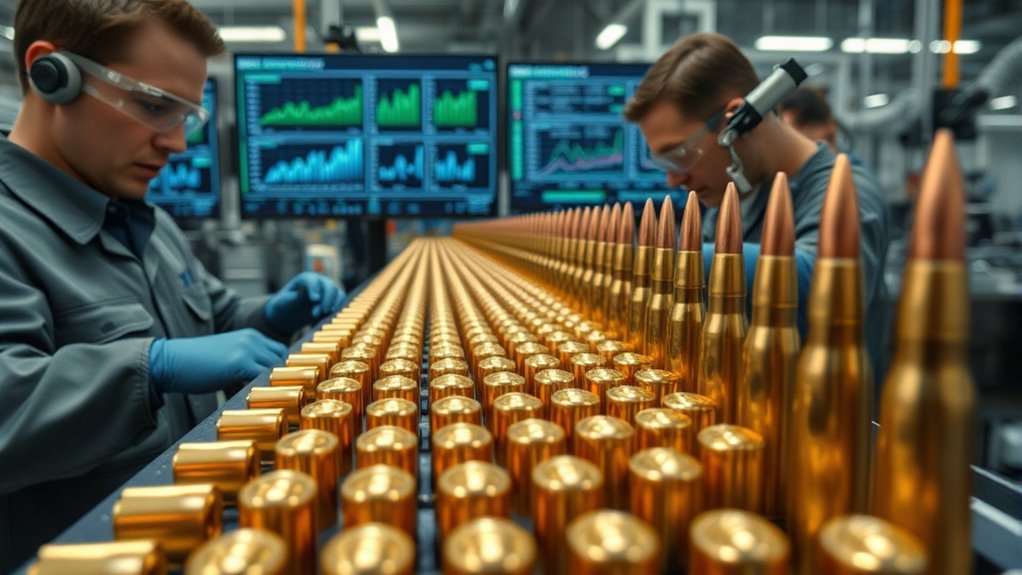
Since new regulations are shaping the ammo industry, you’ll notice changes that directly affect how manufacturers operate. These rules often require ammo makers to upgrade facilities and implement stricter quality and safety controls. You might see longer production times and fewer batches as companies adapt to tougher compliance standards.
For example, enhanced environmental rules about lead usage force manufacturers to invest in alternative materials or costly filtration systems. You’ll also find that paperwork and reporting requirements have increased, meaning manufacturers spend more on administrative tasks. These added expenses aren’t just absorbed—they generally get passed down to you as higher prices.
Plus, smaller ammo producers might struggle to keep up, reducing competition and further driving prices up. In short, new regulations are reshaping production costs and efficiency, directly influencing what you pay at the counter.
How World Events Are Driving Ammo Prices Up
When global conflicts flare up or political tensions rise, ammo prices tend to spike, and you’ll feel the impact at the register. These world events disrupt supply chains and create uncertainty that manufacturers and distributors have to navigate, often passing costs on to you.
Here’s how these dynamics play out:
- Supply Chain Disruptions: Conflicts can restrict access to raw materials like lead and copper, essential for ammo production, making them scarcer and costlier.
- Increased Demand: Political instability often drives up consumer and military demand, tightening availability and pushing prices higher.
- Trade Restrictions: Sanctions and export controls can limit international trade, forcing companies to find alternative, often more expensive, supply routes.
How Technology Advances Affect Ammo Costs
You’re probably wondering how new tech changes ammo prices. Automation in manufacturing is cutting production costs, while smart ammo development could push prices up.
Let’s explore how these advances are shaping what you’ll pay.
Manufacturing Automation Impact
Although automation might seem like a costly investment upfront, it actually helps bring ammo prices down over time by streamlining production and reducing errors. When factories adopt advanced robotics and AI-driven systems, they can produce ammo faster and with fewer defects. This efficiency translates into cost savings that can ease the price burden on you as a consumer.
Here’s how automation impacts ammo manufacturing:
- Increased Speed – Automated machines work faster than manual labor, boosting output without compromising quality.
- Reduced Waste – Precision tech cuts down on material waste, so fewer resources are lost during production.
- Lower Labor Costs – Automation cuts the need for extensive human labor, reducing payroll expenses.
Smart Ammo Development
Automation has set the stage for another wave of innovation in ammo production: smart ammo development. You might’ve noticed that ammo today isn’t just about lead and powder anymore; it’s integrated with sensors and microchips that enhance performance and tracking. These advancements mean ammo can adapt mid-flight or provide real-time data to your firearm’s system.
While this tech is impressive, it also drives costs up considerably. Developing and producing smart ammo requires specialized materials, advanced manufacturing processes, and extensive testing. Plus, the research investments manufacturers make to perfect these technologies don’t come cheap—and those expenses get passed on to you.
How Shooters and Retailers Can Manage Rising Ammo Prices
When ammo prices climb, it’s smart to rethink how you buy and store your rounds. You can save money and avoid last-minute stress by planning ahead and adjusting your habits. First, consider buying in bulk during sales or from wholesale suppliers.
Larger purchases often come with discounts. Second, rotate your stock regularly to keep ammo fresh and ready for use, preventing waste. Third, explore alternative calibers or brands that offer similar performance but cost less.
For retailers, managing inventory efficiently is key. They should focus on maintaining balanced stock levels to avoid overbuying, which ties up capital, or understocking, which frustrates customers. Offering loyalty programs or bundle deals can also keep buyers coming back despite higher prices.
What’s Next for Ammo Prices: Trends and Forecasts
Planning how you buy and store ammo helps manage costs now, but it’s also important to understand where prices are headed. In 2026, ammo prices remain influenced by factors like supply chain issues, geopolitical tensions, and fluctuating raw material costs. You can expect some stabilization as manufacturers adjust production and new facilities come online, but sudden spikes may still occur due to unpredictable events or policy changes.
Technological advances and increased competition could drive prices down slightly over the next few years, but demand from both recreational shooters and defense sectors will keep prices relatively steady. If you keep an eye on market trends, you’ll notice that bulk purchasing and buying during off-peak seasons can save you money. Staying informed about legislation affecting ammo production and sales is vital too, since new regulations could impact availability and cost.
Ultimately, being proactive and adaptable will help you navigate the evolving ammo market more effectively.
Frequently Asked Questions
How Does Ammo Price Affect Firearm Insurance Costs?
You’ll likely see firearm insurance costs rise as ammo prices go up because higher expenses suggest increased risks or demand. Insurers factor in these costs, so when ammo gets pricier, your premiums often increase too.
Are There Cheaper Alternatives to Traditional Ammunition?
Yes, you can find cheaper alternatives like reloads, bulk packs, or steel-cased ammo. Just be sure you check your firearm’s compatibility and local laws before buying, so you don’t run into any issues.
How Do Ammo Prices Vary by Caliber and Brand?
Oh, surprise! Larger calibers and premium brands usually cost you more, while smaller calibers and budget brands are cheaper.
What Impact Do Ammo Prices Have on Shooting Sports Participation?
You’ll likely see fewer people joining shooting sports because high ammo prices make practicing costly. It can discourage beginners and limit regular shooters, reducing overall participation and possibly impacting local ranges and competitions.
Can Reloading Ammo at Home Significantly Reduce Costs?
Yes, reloading ammo at home can considerably cut your costs. While the initial investment in equipment is high, over time, you’ll save on brass, powder, and primers, especially if you’re an avid shooter.
Conclusion
Think of ammo prices like a rising tide—each factor, from supply chain woes to new regulations, adds another wave pushing costs higher. Just last year, ammo prices jumped nearly 20%, showing how quickly these forces combine.
While it feels like you’re swimming against a strong current, understanding these elements helps you navigate smarter. By staying informed and adjusting your buying habits, you can ride out the waves and keep your shooting goals on target.
In conclusion, staying aware of ammo prices, supply chain issues, and regulations is key. Smart ammo buying strategies will help you manage costs effectively in 2026.