
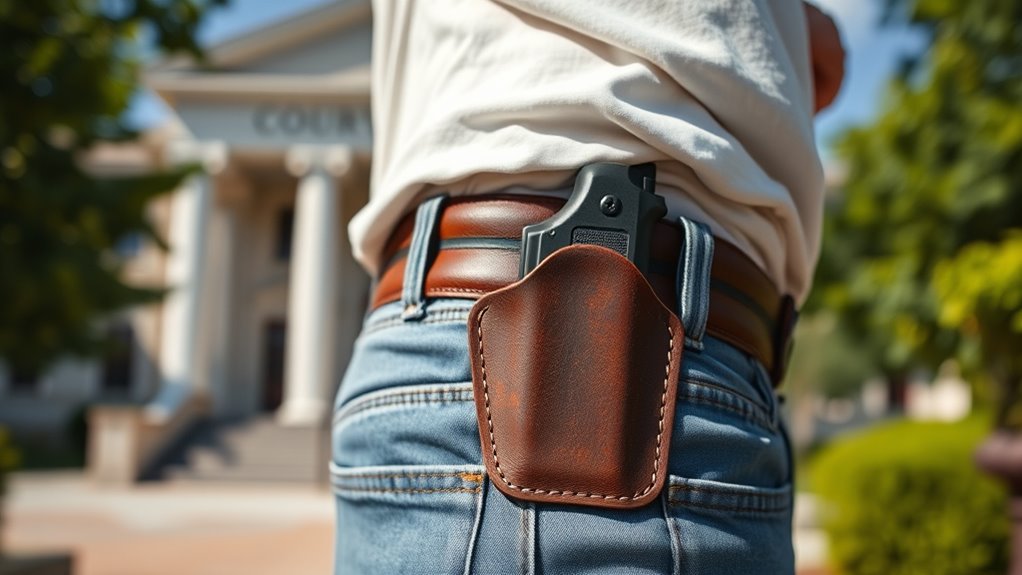
Do You Need a Concealed Carry Permit in Georgia 2025?
You don’t need a concealed carry permit in Georgia in 2025 if you’re 21 or older and legally allowed to carry a handgun, thanks to the new permitless carry law. This change makes it easier for residents to carry concealed weapons without the previous permit requirements.
However, understanding Georgia concealed carry laws remains important for responsible gun ownership.
Permits still offer perks like out-of-state reciprocity and easier travel. Some places still restrict carry, and permits require training and background checks.
If you want to understand eligibility, where you can carry, and how to apply, there’s more to explore about Georgia’s updated laws.
Key Takeaways
- In 2025, Georgia allows permitless concealed carry for residents 21 and older who are legally allowed to possess firearms. A concealed carry permit is not required to carry a handgun concealed within most places under permitless carry laws.
- Permits remain beneficial for reciprocity and carrying in states that do not recognize Georgia’s permitless carry. Open carry without a permit is not allowed; permits still required for open carry.
- Certain locations like schools, government buildings, and alcohol-serving areas still prohibit concealed carry even with or without a permit.
Do You Need a Concealed Carry Permit in Georgia in 2025?
If you’re planning to carry a concealed weapon in Georgia in 2025, you’ll want to understand the state’s permit requirements. While Georgia has moved toward permitless concealed carry for those 21 and older, carrying a concealed weapon without a permit still comes with important conditions and exceptions. You don’t need a permit if you meet age and residency criteria and aren’t prohibited by law from possessing a firearm.
However, certain locations, like government buildings, schools, and private properties that prohibit firearms, still require you to follow specific rules regardless of permit status. Also, having a concealed carry permit can offer benefits such as reciprocity with other states and may be necessary if you carry in states that don’t recognize permitless carry.
Understanding Georgia’s Permitless Concealed Carry Law

How does Georgia’s permitless concealed carry law affect you in 2025? Fundamentally, you can carry a concealed handgun without a permit if you’re 21 or older and legally allowed to possess a firearm. This change means fewer hoops to jump through, but you still must follow restrictions about where and how you carry.
Here’s a quick look at key points under the permitless carry law:
| Aspect | What You Can Do | Restrictions |
|---|---|---|
| Age Requirement | 21+ | Under 21 must have a permit |
| Carry Location | Most public places | Prohibited in schools, government buildings |
| Firearm Type | Handguns only | No open carry without a permit |
| Permits Still Useful | For reciprocity out of state | Required for carrying in some places |
Understanding these details helps you stay legal and safe while exercising your rights.
Who Qualifies for a Georgia Concealed Carry Permit
To qualify for a Georgia concealed carry permit, you need to meet specific eligibility requirements, including age and residency criteria. You’ll also have to make sure you don’t fall under any legal restrictions that prevent you from carrying.
Understanding these basics is key before applying for your permit.
Eligibility Requirements Overview
Although Georgia has relatively straightforward requirements for obtaining a concealed carry permit, you’ll still need to meet specific criteria to qualify. First, you must not have any felony convictions or certain serious misdemeanors on your record. You also can’t be prohibited from owning firearms under state or federal law, such as being subject to a restraining order related to domestic violence.
Additionally, you need to demonstrate that you’re competent with a handgun, typically by completing an approved training course. Your mental health history is reviewed too—you cannot have been adjudicated mentally incompetent or committed to a mental institution without restored rights. Meeting these eligibility requirements guarantees you’re legally and responsibly prepared to carry concealed in Georgia.
Age And Residency Criteria
Even if you meet all other requirements, you won’t qualify for a Georgia concealed carry permit unless you meet specific age and residency criteria. To apply, you must be at least 21 years old. However, if you’re an active-duty military member or a veteran, you can apply at 18.
Residency-wise, you don’t have to be a Georgia resident to get a permit. Non-residents can apply as long as they meet all other state requirements. But if you’re a Georgia resident, you’ll need to provide proof of residency, like a driver’s license or utility bill.
Meeting these age and residency standards is essential before your application is reviewed, so make sure you have the right documents ready to avoid delays or denials.
Legal Restrictions Explained
While meeting age and residency requirements is necessary, you also need to be aware of specific legal restrictions that could prevent you from qualifying for a Georgia concealed carry permit. For instance, if you’ve been convicted of certain felonies or violent misdemeanors, you’re generally disqualified. You also can’t have a history of domestic violence or be subject to a restraining order related to domestic abuse.
Additionally, if you’re addicted to controlled substances or have been adjudicated as mentally incompetent, you won’t qualify. Non-U.S. citizens without permanent resident status are also ineligible. It’s vital to check your background carefully before applying, as these restrictions are strictly enforced.
Understanding these legal barriers helps guarantee you meet all requirements and avoid application denial.
2025 Changes to Georgia’s Concealed Carry Laws
You’ll want to know about the key updates to Georgia’s concealed carry laws that take effect in 2025. Changes include updated permit requirements, new restrictions on where you can carry, and modified enforcement and penalties.
Understanding these shifts will help you stay compliant and carry responsibly.
Permit Requirements Update
As Georgia updates its concealed carry laws for 2025, you’ll need to be aware of several important changes affecting permit requirements. First, the minimum age to apply for a permit remains 21, but certain military veterans under 21 may now qualify. You’ll also notice the application process has been streamlined, allowing for faster background checks and reduced waiting times.
Additionally, you must complete an approved firearms training course, which now includes updated safety protocols. Fingerprinting requirements have been clarified to guarantee consistency across counties. Finally, residency requirements have been adjusted slightly, so if you’ve recently moved to Georgia, double-check your eligibility before applying.
Staying informed about these updates helps guarantee your application goes smoothly and keeps you compliant with the law.
New Carry Restrictions
Understanding the updated permit requirements is just one part of staying compliant with Georgia’s concealed carry laws in 2025. You should also be aware of new carry restrictions that have come into effect. For instance, carrying firearms is now explicitly prohibited in places like government buildings and courthouses, even if you have a permit.
Additionally, you can’t carry in areas where alcohol is served and consumed, such as bars. Schools remain off-limits, but the law now clarifies exceptions for certain school events. You must also avoid carrying firearms while under the influence of drugs or alcohol.
Finally, private property owners have more authority to prohibit firearms, so always respect posted signs. Staying informed about these changes helps you carry responsibly and legally.
Enforcement and Penalties
Though carrying a permit grants you certain rights, it’s crucial to know that Georgia has strengthened enforcement and penalties for violations in 2025. If you misuse your concealed carry privileges—such as carrying in prohibited areas or failing to properly secure your firearm—you could face harsher fines and criminal charges.
Law enforcement now has clearer authority to confiscate weapons during violations, and repeat offenses may lead to longer license suspensions or permanent revocation. Additionally, penalties for carrying without a permit have increased, emphasizing the importance of staying compliant.
To avoid complications, always stay updated on where you can legally carry and make sure you follow all handling and storage rules. Understanding these enforcement changes helps protect your rights and keeps you on the right side of the law.
Weapons Allowed for Concealed Carry in Georgia
What types of weapons can you legally carry concealed in Georgia? Primarily, Georgia law permits you to carry certain firearms concealed if you have the proper permit. The focus is on handguns, but there are specific guidelines about what’s permitted.
Georgia law allows concealed carry of certain firearms with the proper permit, focusing mainly on handguns.
Here’s a quick rundown of weapons allowed for concealed carry in Georgia:
- Handguns: Revolvers and semi-automatic pistols are the most common.
- Pocket pistols: Small, easily concealable handguns are permitted.
- Certain stun guns: If you have a license, some non-lethal options like stun guns are allowed.
- Other firearms: Long guns like rifles or shotguns are generally not allowed to be concealed.
Keep in mind, carrying any weapon without a valid Georgia Weapons Carry License can lead to serious legal consequences. Always ensure your firearm meets the state’s legal requirements before carrying concealed.
Where You Can and Cannot Carry Concealed in Georgia
While Georgia law allows you to carry a concealed weapon with the proper permit, there are specific places where you’re prohibited from doing so. You can generally carry concealed in most public spaces like streets, parks, and private properties where the owner hasn’t posted a no-gun sign. However, you cannot carry in certain sensitive locations.
These include government buildings, courthouses, and jails. Schools and school safety zones are off-limits unless you have explicit permission from the school authorities. Also, places serving alcohol for consumption on-site, like bars and some restaurants, restrict concealed carry unless you’re just passing through.
Private businesses can post signs prohibiting firearms, and you must respect those. Finally, carrying inside places of worship is prohibited unless the religious institution allows it. Always check local rules and signage before carrying concealed, as violating these restrictions could lead to legal trouble, even with a valid permit.
How to Apply for a Georgia Concealed Carry Permit
Knowing where you can and cannot carry a concealed weapon in Georgia is just one part of responsible firearm ownership. To legally carry concealed, you’ll need to apply for a Georgia Concealed Carry Permit (CCP). The process is straightforward but requires careful attention to detail.
First, verify you meet the eligibility criteria, which includes being at least 21 years old and a resident or having a valid reason for non-residency. Then, gather the necessary documents and complete the application either online or at your local probate court.
Here’s what you’ll need to do:
- Provide proof of residency or legal presence in the U.S.
- Complete a firearms safety training course approved by Georgia
- Submit fingerprints and a background check
- Pay the required application fees
Once your application is approved, you’ll receive your permit, allowing you to carry concealed in accordance with state laws.
How Georgia’s Concealed Carry Laws Compare to Other States
Several factors set Georgia’s concealed carry laws apart from those in other states, and understanding these differences can help you navigate your rights more confidently. For example, Georgia requires a permit for concealed carry but has reciprocity agreements with many states, making it easier when traveling. Unlike some states with strict storage laws, Georgia’s focus is more on where you can carry rather than how you store your firearm.
Also, Georgia allows permitless carry for residents 21 and older starting in 2024, which contrasts with states that still require permits.
Here’s a quick comparison:
| State | Permit Required? | Reciprocity |
|---|---|---|
| Georgia | Yes (Permitless carry also) | Extensive |
| California | Yes | Limited |
| Texas | No (Permitless carry) | Moderate |
| New York | Yes | Very Limited |
| Florida | Yes | Moderate |
Knowing these differences helps you understand your rights better when carrying concealed in Georgia.
Practical Tips for Safe, Legal Concealed Carry in Georgia
Because carrying concealed comes with serious responsibility, you should prioritize both safety and legality at all times. Make certain you fully understand Georgia’s laws about where and how you can carry. Always keep your firearm securely holstered to prevent accidental discharge, and never carry when impaired or distracted.
Prioritize safety and legality by understanding Georgia’s concealed carry laws and always keeping your firearm securely holstered.
Regular training helps maintain your skills and awareness, so consider enrolling in advanced courses beyond the basics.
Here are some practical tips to keep in mind:
- Know restricted areas: Schools, government buildings, and private properties may prohibit firearms.
- Keep your permit updated: Renew on time to avoid legal issues.
- Practice safe storage: Use a quality holster and secure your firearm when not on your person.
- Be discreet and respectful: Avoid drawing attention or causing alarm in public.
Following these steps helps guarantee you stay within the law and protect yourself and others effectively.
Frequently Asked Questions
What Are the Penalties for Carrying Without a Permit in Georgia?
If you carry without a permit in Georgia, you could face misdemeanor charges, fines up to $1,000, and possible jail time.
Repeat offenses might lead to harsher penalties, so it’s best to stay legal and avoid trouble.
Can Non-Residents Apply for a Georgia Concealed Carry Permit?
You can, as a non-resident, apply for a Georgia concealed carry permit. Around 20% of applicants statewide come from out of state, showing many trust Georgia’s process for their concealed carry needs.
How Long Does It Take to Process a Concealed Carry Permit Application?
It usually takes about 30 to 60 days to process your concealed carry permit application in Georgia. Processing times can vary depending on background checks and workload, so you’ll want to apply well in advance.
Are There Any Required Training Courses for Concealed Carry in Georgia?
Training’s as essential as a seatbelt—you’ve got to complete a firearms safety course to get your Georgia concealed carry permit. This guarantees you understand the laws and proper handling before you carry concealed in public.
Can Concealed Carry Permits Be Revoked or Suspended in Georgia?
Yes, your concealed carry permit can be revoked or suspended in Georgia if you violate laws, provide false information, or face disqualifying criminal charges.
You’ll need to stay compliant to keep your permit valid and active.
Conclusion
So, do you need a concealed carry permit in Georgia in 2025? Not necessarily, thanks to the permitless carry law letting most folks carry without one. But knowing when and where you can carry is as important as remembering your own name—because breaking the rules could land you in hot water.
Stay informed, follow the laws, and carry responsibly—you’re not just protecting yourself, you’re protecting everyone around you. Understanding Georgia concealed carry laws and the permitless carry regulations is crucial for all gun owners in 2025. Always ensure you comply with local rules to avoid legal trouble while exercising your right to carry.