What Does Concealed Carry Mean How to Guide
Concealed carry means you’re carrying a weapon, usually a firearm, in a way that’s hidden from public view to stay prepared for self-defense without drawing attention. Understanding concealed carry laws and responsible gun ownership is essential for anyone interested in personal protection.
You’ll need to know your local laws, get any required permits, and choose gear that balances comfort, accessibility, and security.
Proper holster use and regular practice are key to safe carry. Learning how to carry responsibly and confidently helps ensure you are prepared in any situation.
Keep these basics in mind, and you’ll be ready to explore more about concealed carry and self-defense.
Key Takeaways
- Concealed carry means carrying a weapon hidden from public view for discreet self-defense preparedness.
- It involves using holsters and clothing designed to prevent visible firearm printing.
- Legal requirements include permits, background checks, and sometimes training, varying by location.
- Selecting the right gear balances comfort, concealment, and quick accessibility.
- Safe carry practices involve secure holstering, situational awareness, and regular training.
What Does Concealed Carry Mean?
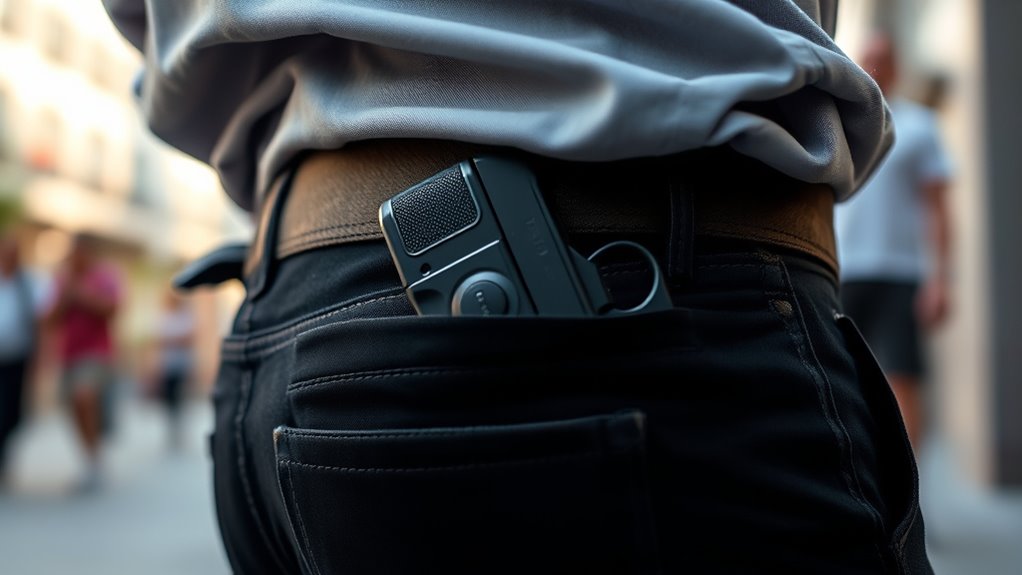
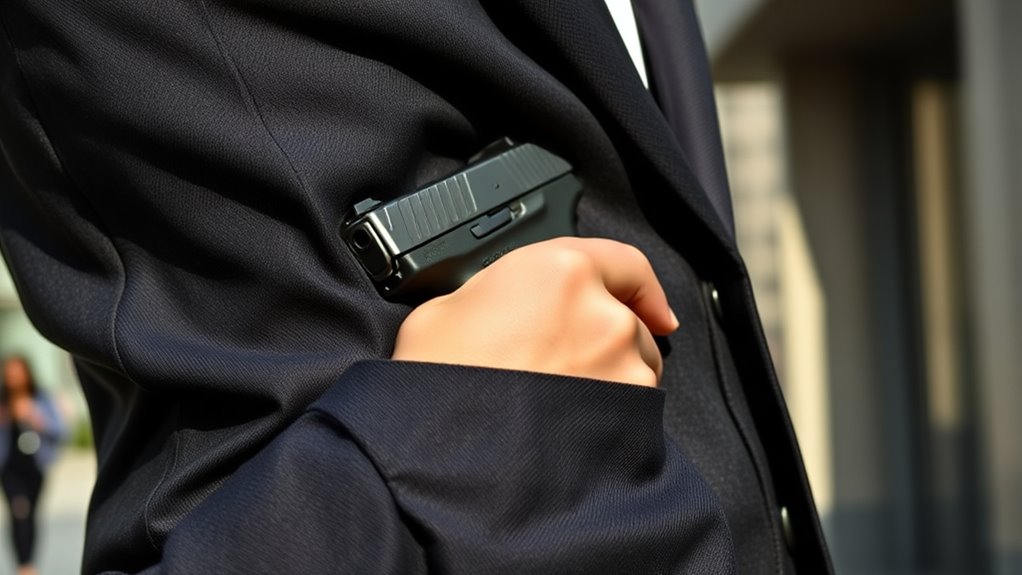
Although the term might sound straightforward, concealed carry means more than just carrying a firearm—it refers to carrying a weapon in a way that’s hidden from public view. When you carry concealed, your goal is to keep the firearm out of sight, so others don’t notice it. This usually means using holsters, clothing, or accessories designed to prevent the weapon from being visible.
Concealed carry isn’t limited to handguns; it can include knives or other weapons, but the most common context involves pistols. You’ll find that how you carry concealed depends on your lifestyle, clothing choices, and comfort level. It’s about balancing accessibility with discretion.
The idea is to be prepared for self-defense without drawing attention or causing alarm. Concealed carry requires thoughtful planning, so you can respond effectively if needed while blending into everyday environments without raising suspicion.
What Are the Legal Requirements for Concealed Carry?
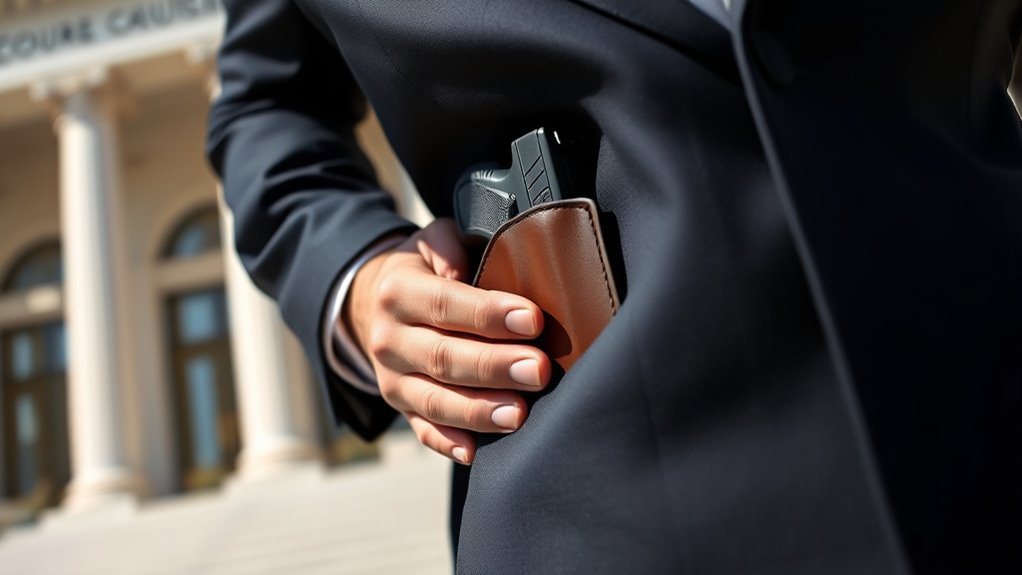
Before you decide to carry a concealed weapon, you need to understand the legal requirements that apply in your area. These laws vary widely between states and localities, so it’s essential to research your specific jurisdiction. Generally, you must be of a certain age—often 21 or older—and legally allowed to possess a firearm, meaning you haven’t been convicted of certain crimes or barred for mental health reasons.
Most places require you to complete a background check and submit an application for a concealed carry permit or license. Some states also mandate firearm safety training or a proficiency test before issuing a permit. Additionally, certain locations, like schools or government buildings, may restrict concealed carry regardless of your permit.
Staying informed about these rules not only keeps you compliant but also guarantees you carry responsibly. Always check your local laws and renew permits on time to avoid legal issues.
How to Choose the Right Concealed Carry Gear
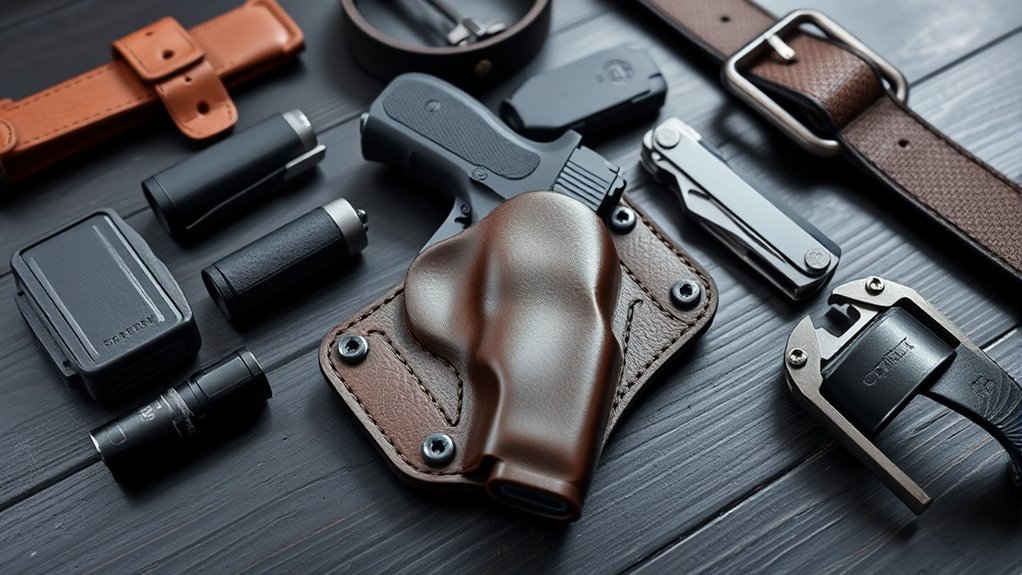
Once you’ve sorted out the legal requirements for carrying concealed, the next step is picking the right gear that fits your lifestyle and needs. Choosing the right concealed carry gear means focusing on comfort, accessibility, and security. You want a setup that feels natural and doesn’t hinder your daily activities.
Consider the following when selecting your gear:
- Holster type: Decide between inside-the-waistband (IWB), outside-the-waistband (OWB), or pocket holsters based on comfort and concealment.
- Clothing: Opt for clothes that accommodate your firearm without printing, like loose shirts or jackets.
- Firearm size and caliber: Balance stopping power with ease of carry; smaller guns are easier to conceal but may have limited capacity.
Where and How to Carry a Concealed Firearm Safely
When carrying a concealed firearm, you’ll want to choose locations on your body that offer both quick access and reliable concealment. Common spots include the inside of your waistband, behind the hip, or the appendix area. These areas allow you to draw efficiently while keeping your firearm hidden under clothing.
Make certain your holster fits your gun snugly and covers the trigger guard completely to prevent accidental discharge. Dress appropriately to avoid printing—the outline of your firearm showing through clothing. Choose clothing layers that obscure the weapon’s shape without restricting your movement or access.
It’s also important to practice drawing and re-holstering safely in your chosen position to build muscle memory. Always check your surroundings and ensure your firearm is secured when sitting, driving, or moving. Remember, safe carry isn’t just about where you carry but how you handle your firearm consistently and responsibly.
Tips for Responsible and Confident Concealed Carry
Mastering safe carry techniques is just one part of carrying concealed confidently and responsibly. To truly own your concealed carry experience, you need to develop habits that guarantee safety, comfort, and awareness in everyday situations. Start by practicing regularly to build muscle memory and quick, safe firearm handling.
Develop habits that ensure safety, comfort, and awareness to confidently carry concealed every day.
Also, choose a holster that fits your body and firearm perfectly—it makes a huge difference in comfort and concealment. Finally, always stay aware of your surroundings and know your local laws to avoid any legal trouble.
Here are three essential tips to help you carry responsibly and confidently:
- Consistent Practice: Regularly dry-fire and live-fire practice reinforces safe handling and quick draw.
- Proper Gear: Invest in a quality holster that offers retention and comfort tailored to your body.
- Situational Awareness: Stay alert to your environment and understand legal boundaries for concealed carry.
These steps help you carry with confidence and responsibility every day.
Common Concealed Carry Mistakes to Avoid
Although carrying concealed can provide peace of mind, it’s easy to make mistakes that compromise your safety and effectiveness. One common error is neglecting regular practice; without consistent training, your skills can deteriorate, making it harder to respond calmly under pressure. Another mistake is choosing an uncomfortable or impractical holster—if your gear doesn’t fit well, you might avoid carrying altogether or risk printing your weapon.
Many also overlook the importance of situational awareness, which is essential to preventing dangerous encounters before they escalate. Additionally, failing to understand local laws can lead to serious legal trouble. Always stay updated on regulations where you live and travel.
Finally, don’t rely solely on your firearm; remember to carry a mindset focused on de-escalation and avoidance whenever possible. Avoid these pitfalls, and you’ll carry more confidently and responsibly.
Frequently Asked Questions
How Does Concealed Carry Affect Travel Between States?
When you travel between states with a concealed weapon, you have to check each state’s laws. Some accept your permit, others don’t, so you’ll need to research or get additional permits to stay legal and avoid trouble.
Are There Any Insurance Options for Concealed Carriers?
You’ve got peace-of-mind policies designed just for you—yes, insurance options exist for concealed carriers. They often cover legal defense, liability, and more, ensuring you’re protected if situations take an unexpected turn.
What Are the Psychological Effects of Carrying Concealed?
Carrying concealed can make you feel more confident but might also increase stress or anxiety. It often heightens your awareness, making you more alert to surroundings, though it can sometimes lead to overthinking or fear in certain situations.
Can Concealed Carry Licenses Be Revoked, and Why?
Oh, sure, they can just snatch your concealed carry license away—because apparently, trusting you with a firearm was a hilarious joke! Seriously though, licenses get revoked for legal violations, criminal acts, or failing background checks.
Stay sharp.
How Do Concealed Carry Laws Vary Internationally?
You’ll find concealed carry laws vary widely internationally—some countries outright ban it, while others have strict permit requirements and background checks.
It’s essential you research local laws before carrying, as penalties can be severe if you don’t.
Conclusion
Now that you know what concealed carry means and how to do it responsibly, remember that over 20 million Americans have chosen to carry concealed firearms. This shows just how important it is to stay informed and prepared.
By following legal requirements, picking the right gear, and practicing safe habits, you’ll carry confidently and responsibly. Keep learning, stay aware, and always prioritize safety—your peace of mind depends on it.
Understanding concealed carry laws, choosing proper equipment, and committing to regular training are key to responsible concealed carry. Stay educated, stay safe, and carry with confidence every day.