How to Install a Gun Safe Dehumidifier in 10 Easy Steps
To install a gun safe dehumidifier and protect your firearms from rust and damage, start by thoroughly clearing and cleaning your safe. Remove all contents and carefully check for any signs of moisture inside.
Choosing the right dehumidifier type and size is essential, depending on your safe’s volume and storage conditions.
Next, secure the dehumidifier properly inside the safe, ideally near an area with good airflow to maximize effectiveness.
Connect the power supply or insert batteries correctly, ensuring the unit is ready to operate.
Set the humidity level around 40% for optimal moisture control.
Finally, test the unit to confirm it functions properly.
Regular maintenance and monitoring will keep your dehumidifier working efficiently.
Follow these steps carefully, and you’ll maintain a dry and safe environment for your firearms with ease.
Key Takeaways
- Clear and clean the safe interior, removing all items and checking for moisture or rust before installation.
- Choose a dehumidifier size and type that matches the safe’s volume and humidity conditions.
- Secure the dehumidifier inside the safe using mounting brackets, adhesive pads, or Velcro, ensuring good airflow.
- Connect the power source correctly, set the humidity level around 40%, and verify operation with a hygrometer.
- Perform regular maintenance by replacing desiccant packs or batteries and inspecting the unit for optimal performance.
Why a Gun Safe Dehumidifier Is Essential
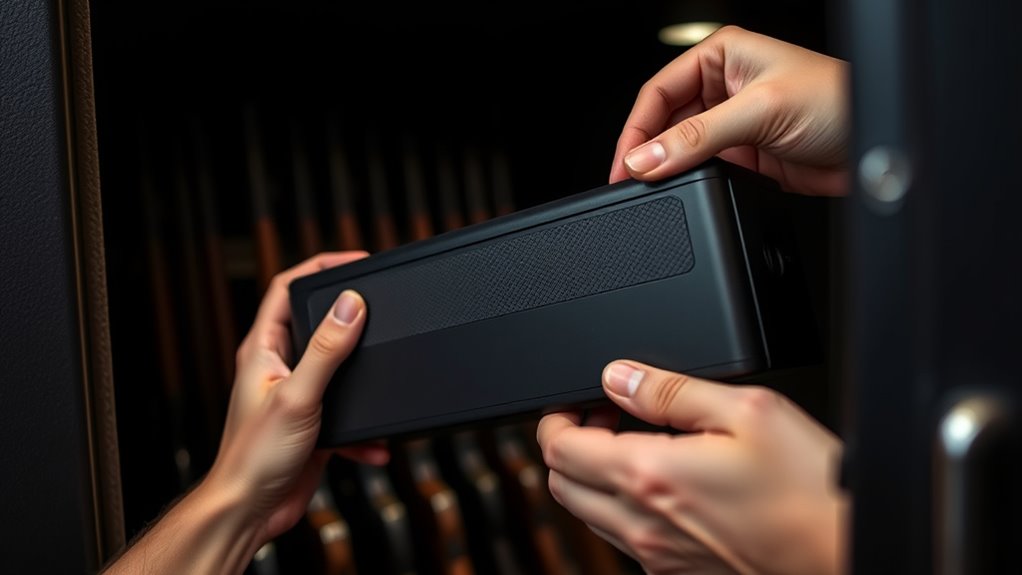
Although your gun safe provides security, it doesn’t protect your firearms from moisture. When moisture builds up inside, it can cause rust and corrosion, damaging your guns and affecting their performance. You might not notice this damage right away, but over time, it can lead to costly repairs or even render your firearms unsafe to use.
A gun safe dehumidifier helps prevent this by controlling humidity levels and keeping the air dry. It creates an environment that preserves the metal and wood parts of your firearms, ensuring they stay in top condition. Without a dehumidifier, you risk exposing your collection to moisture-related issues, especially if you live in a humid climate or store your safe in a damp area like a basement.
Choose the Right Gun Safe Dehumidifier for Your Needs
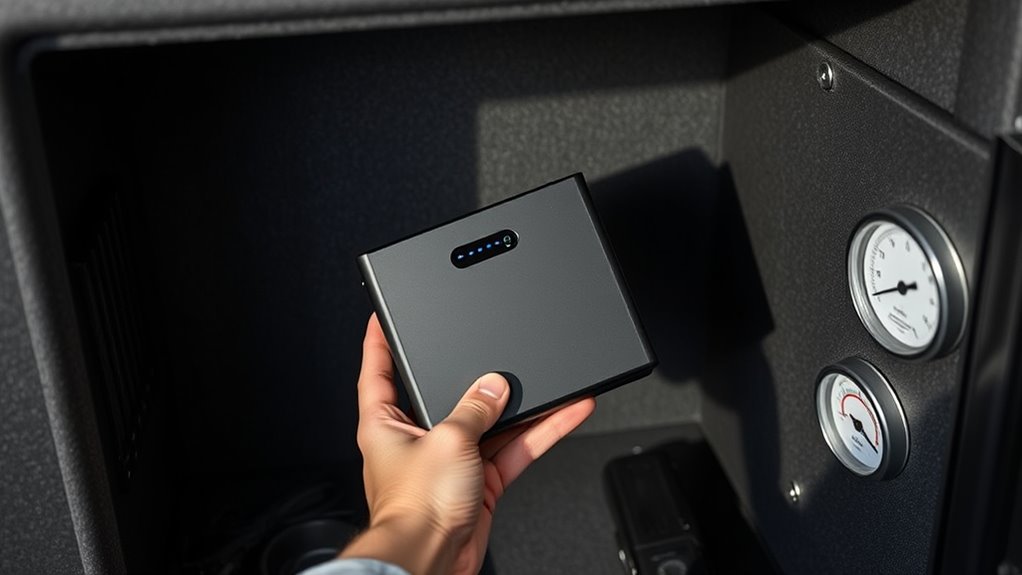
You’ll want to pick a dehumidifier that fits your safe’s size and moisture needs, whether it’s a small electric model or a larger chemical one. Consider the capacity to guarantee it can handle the humidity levels in your area.
Also, think about power options—some run on batteries, others plug in—so you can choose what works best for your setup.
Types of Dehumidifiers
When choosing a gun safe dehumidifier, it’s important to take into account the different types available to make sure you pick one that fits your specific needs. You’ll mainly find two types: electric and desiccant. Electric dehumidifiers use a refrigerant system to pull moisture from the air, ideal for safes in warmer, more humid environments.
They require a power source but are efficient for continuous use. Desiccant dehumidifiers absorb moisture using materials like silica gel and don’t need electricity, making them perfect if you want a silent, low-maintenance option. Some desiccants need periodic recharging or replacement, so keep that in mind.
Choosing the right type depends on your safe’s location and how much maintenance you’re willing to handle.
Capacity and Size
How do you know what size dehumidifier suits your gun safe best? It really depends on the safe’s volume and how much moisture you need to control. A dehumidifier that’s too small won’t keep humidity levels low enough, while one that’s too big can be wasteful and unnecessary.
Consider these factors when choosing capacity and size:
- Safe dimensions: Measure the internal space accurately to estimate the volume.
- Humidity level: Higher humidity demands a larger capacity unit.
- Duration of use: Longer protection periods may require bigger or multiple units.
Picking the right size ensures your firearms stay rust-free without overworking your dehumidifier or your budget.
Power Source Options
After figuring out the right size dehumidifier for your gun safe, the next step is deciding how you want to power it. You’ll typically find two main options: battery-powered and plug-in models. Battery-powered dehumidifiers offer portability and don’t require an outlet, making them great if your safe isn’t near one.
However, you’ll need to replace or recharge batteries regularly. Plug-in dehumidifiers provide continuous operation without worrying about battery life, but you’ll need an accessible power source nearby. Some models even include USB power options, which can be convenient if you have a power bank or USB outlet.
Consider your safe’s location and how often you’re willing to maintain the power source before choosing. This way, you’ll keep your firearms protected without hassle.
Get Your Tools and Materials Ready
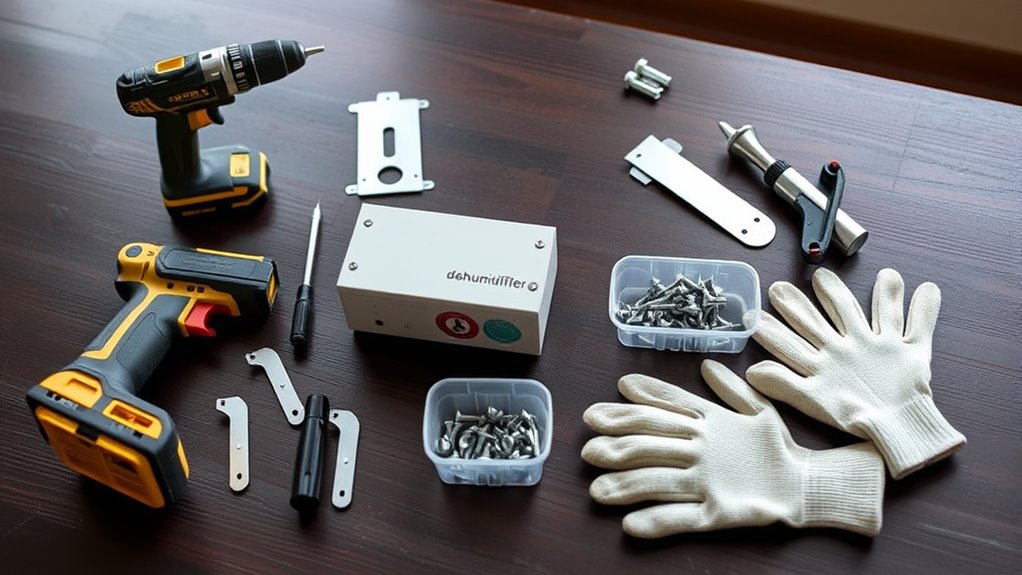
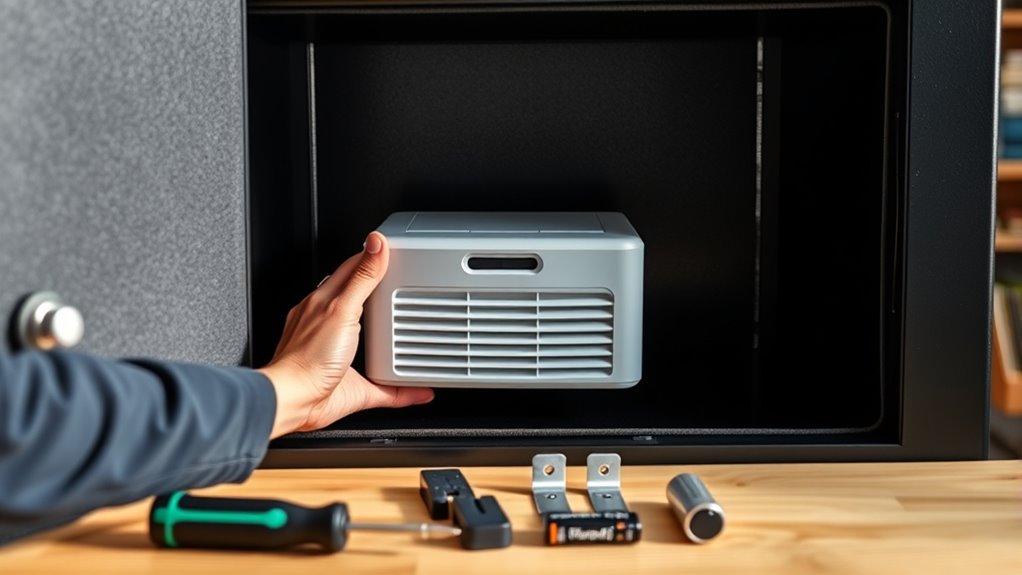
Before you start installing your gun safe dehumidifier, make sure you have all the necessary tools and materials within reach. Having everything ready will save you time and prevent interruptions during installation. Typically, the tools and materials you’ll need are straightforward and easy to gather.
Here’s a quick checklist to get you started:
- Screwdriver or drill – for securing the dehumidifier inside the safe if mounting is required
- Batteries or power adapter – depending on your dehumidifier’s power source preference
- Measuring tape – to ensure proper placement and fit inside the safe
Double-check the dehumidifier’s instructions to confirm any additional requirements specific to your model. Once you have these essentials ready, you’ll be set to move smoothly into the next step of preparing and cleaning your gun safe before installation.
Prepare and Clean Your Gun Safe Before Installation
Before installing your dehumidifier, make sure to clear out everything from your gun safe. Wipe down the interior thoroughly to remove dust and dirt.
Finally, check for any signs of moisture or rust that need attention.
Clear Out Gun Safe
When you’re ready to install your gun safe dehumidifier, you’ll want to start by completely clearing out the safe. Removing all firearms, ammo, and accessories guarantees you have full access to every corner for a proper installation. It also keeps your valuables safe and prevents any damage during the process.
Here’s what to focus on when clearing out your gun safe:
- Remove all guns and store them securely in a safe place.
- Take out any shelves, racks, or organizers if they’re removable.
- Clear out any loose items, like cleaning supplies or paperwork.
This step sets the stage for a smooth installation and helps you avoid missing any spots that need attention before adding your dehumidifier.
Wipe Down Interior
How thoroughly have you cleaned your gun safe’s interior lately? Before installing a dehumidifier, it’s essential to wipe down every surface inside your safe. Dust, dirt, and residue can interfere with the dehumidifier’s effectiveness.
Use a soft cloth dampened with a mild cleaner to avoid damaging the interior finish. Pay close attention to corners and shelves where grime tends to build up.
Here’s a quick checklist for wiping down your gun safe:
| Area | Recommended Tool | Cleaning Tip |
|---|---|---|
| Walls | Microfiber cloth | Use gentle circular motions |
| Shelves | Soft sponge | Avoid soaking surfaces |
| Door seals | Damp cloth | Wipe carefully, don’t saturate |
A clean interior guarantees your new dehumidifier works efficiently from day one.
Inspect For Moisture
After thoroughly wiping down your gun safe, the next step is to inspect it for any signs of moisture. Moisture can cause rust and damage your firearms, so catching it early is vital. Carefully examine every corner, seam, and shelf inside the safe.
You might find condensation, damp spots, or even a musty smell, which are all indicators of moisture problems. When inspecting for moisture, focus on:
- Water droplets or damp patches on metal surfaces
- Rust formation or discoloration on shelves and walls
- A persistent musty or moldy odor inside the safe
Addressing these issues before installing your dehumidifier guarantees better protection for your firearms and improves overall safe conditions.
Find the Best Spot Inside Your Safe for the Dehumidifier
Although your gun safe might seem like a small space, choosing the right spot for your dehumidifier is essential to keep moisture at bay effectively. You’ll want to place it where air circulates freely, avoiding corners or areas blocked by firearms or gear. This guarantees the dehumidifier can draw in moist air and work efficiently.
Look for a spot near the top or middle shelves, away from the floor, since humidity often settles lower. Avoid placing it directly against the safe’s walls, which can trap moisture and reduce airflow. Also, keep the dehumidifier accessible for regular maintenance or battery changes if it’s powered.
Mount the Gun Safe Dehumidifier Securely
Once you’ve chosen the ideal spot, you’ll need to mount the dehumidifier securely to prevent it from shifting or falling inside the safe. A stable installation ensures consistent moisture control and protects your firearms and valuables. Start by checking if your dehumidifier comes with mounting brackets or adhesive pads designed for gun safes.
If not, strong double-sided tape or Velcro strips can work well. Here’s how to mount it properly:
- Clean the mounting surface to remove dust or oils for better adhesion.
- Use mounting hardware or adhesive pads to fix the dehumidifier firmly in place.
- Double-check stability by gently nudging the unit to ensure it doesn’t move.
Make sure the dehumidifier isn’t blocking any shelves or locking mechanisms. By securing it well, you’ll maintain ideal humidity control and protect your safe’s contents effectively.
Connect Power or Insert Batteries Properly
Before you power up your gun safe dehumidifier, make certain you understand the specific requirements for your model, whether it uses batteries or connects to an electrical outlet. If your unit runs on batteries, check the type and quantity specified—usually AA or AAA alkaline batteries. Insert them carefully, matching the positive and negative ends with the markings inside the battery compartment to avoid damage.
For models powered by electricity, inspect the power cord for any damage and plug it securely into a nearby outlet. Avoid using extension cords unless necessary, and never force the plug if it doesn’t fit easily. Once connected, look for indicator lights or display screens to confirm your dehumidifier is receiving power.
Proper power connection ensures your device runs efficiently and prevents interruptions in maintaining the safe’s humidity. If you encounter any issues, consult the manual to troubleshoot or contact customer support before proceeding.
Set the Ideal Humidity Level for Your Gun Safe
After ensuring your gun safe dehumidifier is powered correctly, the next step is to set the ideal humidity level to protect your firearms. Maintaining the right humidity prevents rust and corrosion, keeping your guns in top condition. Most experts recommend keeping humidity between 35% and 50%.
Too low can dry out wooden stocks, while too high invites moisture damage.
To set the ideal humidity level:
- Check your dehumidifier’s control panel or instructions for setting adjustments.
- Aim for a consistent humidity level around 40%, which balances moisture control without overdrying.
- Use a reliable hygrometer inside your safe to monitor and fine-tune the settings as needed.
Test Your Gun Safe Dehumidifier to Ensure Proper Operation
Although you’ve set the ideal humidity level, you’ll want to test your gun safe dehumidifier to make sure it’s working correctly. Start by closing the safe door tightly and powering on the dehumidifier. Check the unit’s indicator lights or display panel to confirm it’s actively running.
Use a hygrometer inside the safe to monitor humidity changes over the next few hours. You should see the humidity level gradually drop toward your set target. If the device has a fan, listen for its operation to ensure proper airflow.
Also, inspect for any unusual noises or vibrations that might signal an issue. After a day or two, recheck the humidity reading; a consistent level within the desired range means your dehumidifier is functioning as intended. Testing early helps you catch potential problems before moisture damages your firearms and gear.
If everything looks good, you’re all set to protect your safe’s contents effectively.
Maintain and Troubleshoot Your Gun Safe Dehumidifier
To keep your gun safe dehumidifier working efficiently, you’ll need to follow some simple maintenance tips. It’s also important to recognize common issues so you can troubleshoot quickly if something goes wrong.
Let’s look at how you can keep your dehumidifier in top shape and fix problems as they arise.
Regular Maintenance Tips
When you own a gun safe dehumidifier, keeping it in good working order guarantees your firearms stay protected from moisture damage. Regular maintenance is key to ensuring your dehumidifier operates efficiently and lasts longer.
Here are some essential tips to keep in mind:
- Check and replace desiccant packs regularly, as they lose effectiveness over time.
- Clean the dehumidifier and safe interior to prevent dust buildup that can hinder performance.
- Inspect power sources and connections for any signs of wear or corrosion to avoid interruptions.
Common Troubleshooting Issues
If your gun safe dehumidifier isn’t working as expected, you’ll want to identify common issues quickly to prevent moisture buildup.
Often, problems stem from power supply, placement, or saturated moisture packs.
Checking these can save you from damage.
| Problem | Cause | Solution |
|---|---|---|
| No power | Unplugged or dead battery | Check plugs, replace batteries |
| Low moisture removal | Poor placement or full pack | Reposition dehumidifier, replace pack |
| Odor or mildew smell | Moisture trapped inside safe | Increase ventilation, clean safe |
| Dehumidifier runs nonstop | Faulty sensor or overuse | Reset device, consult manual |
Frequently Asked Questions
Can I Use a Gun Safe Dehumidifier in a Non-Metal Safe?
Yes, you can use a gun safe dehumidifier in a non-metal safe. Just make sure it fits properly and can maintain the right humidity level to protect your valuables from moisture damage effectively.
Check the size and capacity to ensure it suits the space and material of your safe. Proper humidity control is essential for preventing mold, rust, and deterioration regardless of the safe’s construction.
Using a dehumidifier designed for gun safes can still provide effective moisture management in non-metal safes.
How Often Should I Replace the Dehumidifier’s Batteries?
You should replace the dehumidifier’s batteries every 3 to 6 months, depending on usage and battery type.
Keep an eye on indicator lights or reduced performance to know when it’s time for fresh batteries.
Are There Eco-Friendly Options for Gun Safe Dehumidifiers?
Yes, you can choose eco-friendly gun safe dehumidifiers like rechargeable silica gel packs or moisture-absorbing beads. They avoid disposable batteries and chemicals, helping you maintain your safe’s dryness while being kind to the environment.
Will a Dehumidifier Affect My Gun Safe’s Warranty?
Like adding a shield to your safe, using a dehumidifier usually won’t void your warranty. Just make sure to check the manufacturer’s guidelines, as some may have specific conditions or approved devices to keep your coverage intact.
Can I Use a Dehumidifier With Other Moisture Control Products?
Yes, you can use a dehumidifier with other moisture control products, but make sure they’re compatible. Using multiple methods helps maintain ideal humidity, preventing rust and damage to your firearms and safe interior.
Conclusion
Now that your gun safe dehumidifier is in place, imagine the crisp, dry air silently guarding your firearms from rust and corrosion. With each breath of moisture sucked away, your treasured collection stays pristine and ready.
By following these simple steps, you’ve created a protective shield that keeps your safe’s interior fresh and secure.
Remember, a little care now means your guns will be protected for years to come—dry, safe, and always ready. Installing a gun safe dehumidifier is essential for maintaining optimal humidity levels and preventing damage. Keep your firearms in top condition by ensuring your gun safe stays dry and moisture-free.